
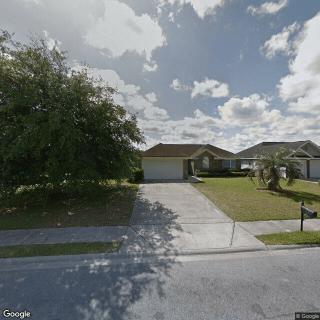
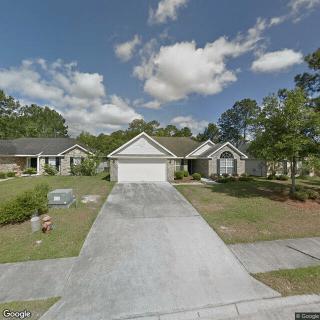
118 West Tisbury Lane, Pooler, GA 31322
For more information about senior living options: (866) 208-4318
Overall Review of Covenant Care West
Pros
 He gained 16 pounds in four months after returning home due to proper feeding.
- He no longer has anemia and pneumonia since coming home and receiving proper nutrition.
- Returning home with proper nutrition helped improve his overall health.
Cons
 The reviewer calls the care “the worst.”
- The review states the reviewer's brother lost 38 pounds while under their care.
- The reviewer notes he became anemic and had recurring pneumonia.
- They don’t feed their clients enough food.
- They talk a good game and follow policy, but don’t feed their clients enough.
- The reviewer warns not to send a loved one there.
- If possible, the reviewer would give zero stars.
Review
Covenant Care West in Pooler, GA appears best suited for families that can provide close oversight and supplement care, especially around nutrition and daily health monitoring. The available feedback suggests that, when expectations line up with what the staff delivers, some residents and families do not experience acute problems. A single 5-star rating hints that there are moments or contexts in which the facility meets or exceeds basic needs, but the lack of detail means those positives are not reliably reproducible for every resident.
Those evaluating alternatives should consider Covenant Care West if a resident has documented weight loss, anemia, or a history of infections that could be worsened by inadequate nutrition. The strongest red flag from the reviews is a claim of significant weight decline that reversed only after the resident was cared for outside the facility with improved meals. For families facing the prospect of ongoing nutritional needs, or residents who require proactive, hands-on medical and dietary oversight, a setting with more robust in-house nutrition programs and closer monitoring becomes a priority rather than an option.
The main con, claims of insufficient food and undernutrition, overwhelms any potential positives. Weight loss of nearly four dozen pounds, subsequent anemia, and recurrent pneumonia described by family members point to risks that extend beyond meals. In a setting where meals are supposed to support recovery and stability, such outcomes raise questions about daily portions, meal timing, and the overall capacity to detect and respond to emerging deficiencies. The reversals seen after returning home underscore that the current model may not reliably prevent malnutrition or its cascading complications.
Pros cited in the reviews are sparse and do not clearly offset these major concerns. The reference to following policy suggests a predictable routine, but it is unclear whether that routine translates into tangible nutrition goals, timely weight checks, or access to dietitian input. Without concrete evidence of proactive nutrition management, consistent daily care, or urgent-response protocols for deteriorating health, the prospect of offsetting the stated drawbacks remains uncertain. In practical terms, routines without measurable nutrition outcomes do not suffice for residents with frailty, appetite, or infection risk.
Families should insist on concrete assurances before committing. Key due-diligence questions include: what is the daily meal plan, portion sizes, and how are meals adjusted for appetite or medical conditions? Is there regular weight and bloodwork monitoring, and who reviews the data? What is the staff-to-resident ratio during peak hours, and how quickly are dietary concerns escalated? Who manages nutritional interventions, dietitians, the medical director, or trained nursing staff, and how are changes implemented? Request to see recent menu cycles, nutrition policies, and a sample of weekly resident weight logs. If possible, arrange a trial period with clear metrics for nutritional stability, appetite, and infection risk before extending a long-term commitment.
In the end, Covenant Care West may serve well for families prioritizing routine, predictable care and who can actively supplement nutrition and medical oversight. For those whose loved one requires reliable, explicit nutrition support and aggressive health monitoring, particularly for weight maintenance and pulmonary risk, alternatives with demonstrated nutrition programs, higher staffing responsiveness, and transparent health outcomes should be pursued. The disappointed experiences captured in the reviews are not merely anecdotal warnings; they are indicators that, for certain residents, this community may fall short of critical care standards.
 4 resident community capacity
 Assisted Living
 Board and Care Home
 Cable or satellite TV
 Dining room
 Fully furnished
 Garden
 Housekeeping services
 Move-in coordination
 Outdoor space
 Telephone
 Wi-Fi/high-speed internet available
 Savannah International (6 miles away)
 24-hour supervision
 Activities of daily living assistance
 Assistance with bathing
 Assistance with dressing
 Assistance with transfers
 Diabetes diet
 Meal preparation and service
 Medication management
 Special dietary restrictions
 Transportation arrangement (medical)
 Transportation to doctors appointments



 Understanding the Distinctions: Assisted Living and Memory Care Explained
 Guiding Elderly Parents Who Refuse Assisted Living: 6 Practical Steps
 Your Comprehensive Guide to Luxury Assisted Living: Elevated Facilities, Amenities, and Costs