The Claiborne at Newnan Lakes offers competitive pricing for its residents, with a one-bedroom unit priced at $3,275 per month. This is notably lower than the average costs in Heard County, where similar accommodations can reach around $5,700, and also provides an attractive alternative to the statewide average of $3,412. For those considering studio options, The Claiborne lists its studios at $5,000 monthly - still a feasible option compared to Heard County's $5,036 and Georgia's average of $3,520. These rates position The Claiborne as not only a comfortable living choice but also a financially appealing one within the regional landscape.
Floor plans
The Claiborne at Newnan Lakes
Heard County
Georgia
1 Bedroom
$3,275
$5,700
$3,412
Studio
$5,000
$5,036
$3,520
Memory care communities with a similar price nearby
Caregivers and leadership are consistently described as attentive and responsive.
Many reviews highlight staff who know residents by name, answer questions, and address concerns promptly. Families also describe the Memory Care team as patient and compassionate, taking time to get to know each resident as a person. A few reviews criticize care quality or responsiveness, including missed medication timing and short staffing, but the overall pattern in resident and family feedback emphasizes communication and caring day-to-day support.
common
Clean, well-kept facility
Residents and visitors repeatedly describe a clean, well-maintained building.
A frequent theme is that the community looks spotless on visits, feels welcoming, and is described as well run and tidy. Several reviewers mention attractive common areas and grounds, and some specifically say there are no unpleasant smells. A small number of reviews raise service issues tied to day-to-day quality, but they do not generally dispute cleanliness compared with broader satisfaction with the facility’s condition.
caveat
Dining draws praise and complaints
Dining quality is the biggest point of disagreement across reviews.
Some families and visitors say the food is surprisingly delicious, with restaurant-style meals and enough variety for residents. Others report the opposite: complaints about poor preparation, limited options, cold food, and problems they associate with staffing and kitchen consistency. Even when residents like the idea of dining, negative feedback repeatedly focuses on meal quality and menu variety, including requests for more choices.
common
Activities and engagement
Residents can choose from an active mix of on-site and outing activities.
Reviews frequently mention an activities program that keeps residents engaged, including group events and scheduled social time. Some reviewers also describe outings and community-centered gatherings, while others single out specific experiences they attended. A few reviews criticize engagement as inconsistent or limited at times, but the overall feedback most often portrays a structured schedule residents can participate in.
differentiator
Memory care is a key focus
The Memory Care team is described as kind and tailored to residents’ needs.
Several reviews specifically call out the Memory Care team for treating residents with dignity, patience, and compassion. Families also describe dementia-related day-to-day care as personalized and focused on comfort and redirection, and some mention staff involvement during medical emergencies. Not all feedback is positive—some reviews raise concerns about promised intellectual stimulation or the level of care provided—but the Memory Care experience is a recurring point of attention across family accounts.
caveat
Pricing and rate increases concern families
Cost and rate increases are recurring concerns in reviews.
More than one reviewer says the price for seniors feels high, with comments about increases after moving in. Some families frame cost as a deciding factor for affordability, even when they liked the community overall. Combined with dining complaints in the negative reviews, pricing concerns appear alongside questions about whether the day-to-day experience matches what families expect.
How we summarize
We summarize when many written reviews mention each theme; a review can touch several themes, and only frequently mentioned themes are displayed.
Features
Housing
1-bedroom apartments
2-bedroom apartments
Studio apartments
Types of Care
Assisted Living
Independent Living
Memory Care
Pets
Cats allowed
Dogs allowed
Amenities
Activities off-site
Activities on-site
Air-conditioning
Bath tubs
Beautician on-site
Cable or satellite TV
Devotional services off-site
Devotional services on-site
Full kitchen
Garden view
Ground floor units
Indoor common areas
Kitchenette
Outdoor common areas
Private patio, deck, or balcony
Respite or short term stays offered
Wheelchair accessible showers
Wi-Fi/high-speed internet available
Care Services
Ambulatory care
Diabetic care
Incontinence care
Medication management
Dining
Anytime dining
Gluten-free
Guest meals
International cuisine
Kosher
Low / no sodium
Meals provided
No Sugar
Professional chef
Restaurant style dining
Room service
Special dining programs
Vegan
Vegetarian
Activities
Art classes
Bible study group
Cooking classes
Day trips and outings
Devotional activities offsite
Devotional activities on-site
Educational speakers / life long learning
Happy hour
Karaoke
Live musical performances
Live well programs
Other religious services
Wine tasting
Nearby Places of Interest
This part of Newnan, Georgia is a vibrant and diverse community with a range of amenities and services available within close proximity. With several physicians' offices and pharmacies nearby, healthcare resources are easily accessible. Additionally, there are reputable hospitals such as Piedmont Newnan Hospital for more specialized medical care. For leisure activities, there are various dining options ranging from fast food to sit-down restaurants like Meat 'N Greet and El Ranchero Mexican Restaurant. There are also parks like Greenville Street Park for outdoor recreation. Places of worship such as Smiths Chapel and Christ Presbyterian Church cater to spiritual needs, while entertainment options include the Regal Georgian theater for movie enthusiasts. Overall, this area offers convenience and a sense of community that would appeal to seniors looking for a well-rounded living environment in Newnan.
Physicians
Piedmont Physicians At Newnan (0.4 miles)
Piedmont Physicians General Surgery at Newnan (0.5 miles)
Papp Clinic (1.5 miles)
Dr Bass (1.7 miles)
Burson Ear, Nose, & Throat (2.6 miles)
SouthOMS - South Oral and Maxillofacial Surgery and Dental Implants (3.1 miles)
Beltline Bariatric and Surgical Group (3.4 miles)
Pharmacies
Good Neighbor Pharmacy (0.4 miles)
Walgreens (0.6 miles)
CVS Pharmacy (1.6 miles)
Lee Goodrum Eastside Pharmacy (3.1 miles)
Lee-Goodrum Pharmacy (3.1 miles)
Walgreens (3.6 miles)
Target Pharmacy (3.8 miles)
Hospitals
Piedmont Newnan Hospital (0.5 miles)
Cancer Treatment Centers of America (3.8 miles)
Piedmont Urgent Care (6 miles)
Restaurants
Hardee's (0.5 miles)
Meat 'N Greet (1.9 miles)
Little Caesars Pizza (2.1 miles)
Apollo’s Steaks (2.3 miles)
McDonald's (2.3 miles)
El Ranchero Mexican Restaurant (2.9 miles)
Tin Drum Asian Kitchen & Boba Tea Bar - Ashley Park Newnan (3.4 miles)
The Claiborne at Newnan Lakes offers competitive pricing for its residents, with a one-bedroom unit priced at $3,275 per month. This is notably lower than the average costs in Heard County, where similar accommodations can reach around $5,700, and also provides an attractive alternative to the statewide average of $3,412. For those considering studio options, The Claiborne lists its studios at $5,000 monthly - still a feasible option compared to Heard County's $5,036 and Georgia's average of $3,520. These rates position The Claiborne as not only a comfortable living choice but also a financially appealing one within the regional landscape.
Incontinence care is crucial for residents with dementia or Alzheimer's disease, as it helps maintain dignity and comfort while minimizing potential distress related to incontinence issues. By ensuring that residents receive timely and respectful assistance, caregivers can reduce anxiety and promote a sense of security. Medication management is equally essential, as individuals living with cognitive impairments may struggle with remembering to take their medications as prescribed. A structured medication management system ensures that residents receive the appropriate medications at the correct times, thereby enhancing health outcomes and reducing complications associated with missed doses or incorrect self-administration. Together, these features provide a supportive environment that addresses both physical needs and emotional well-being for residents facing cognitive challenges.
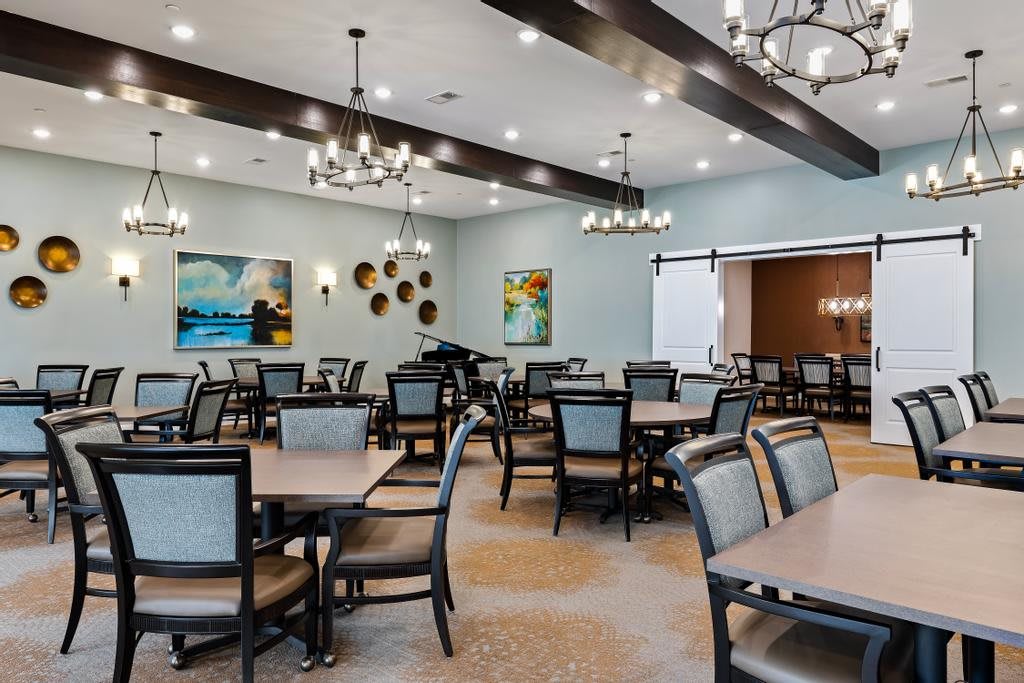
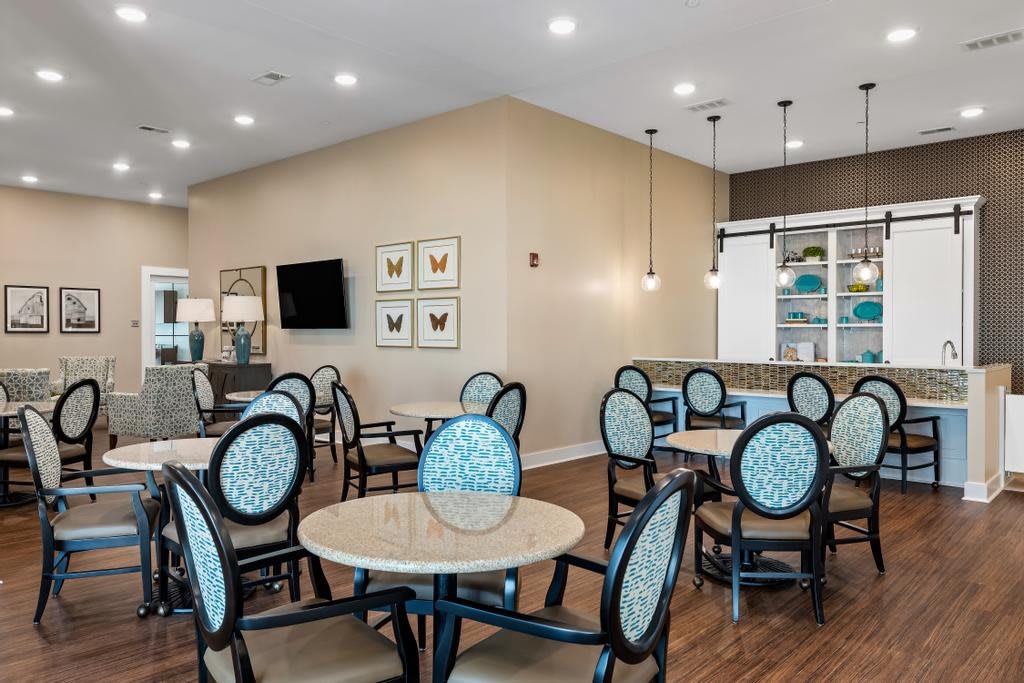
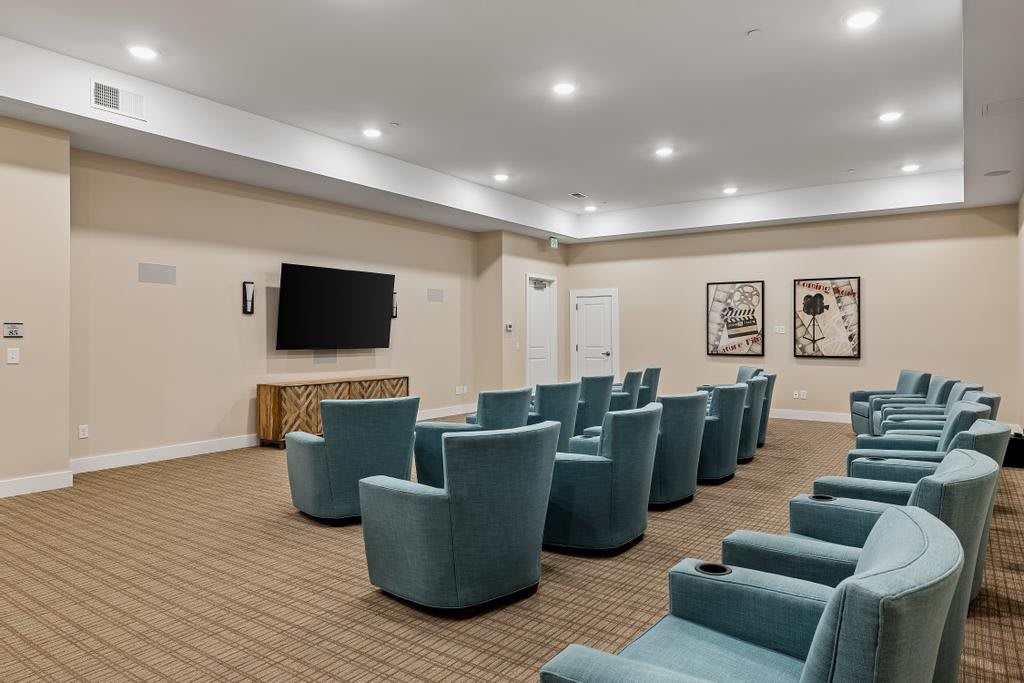
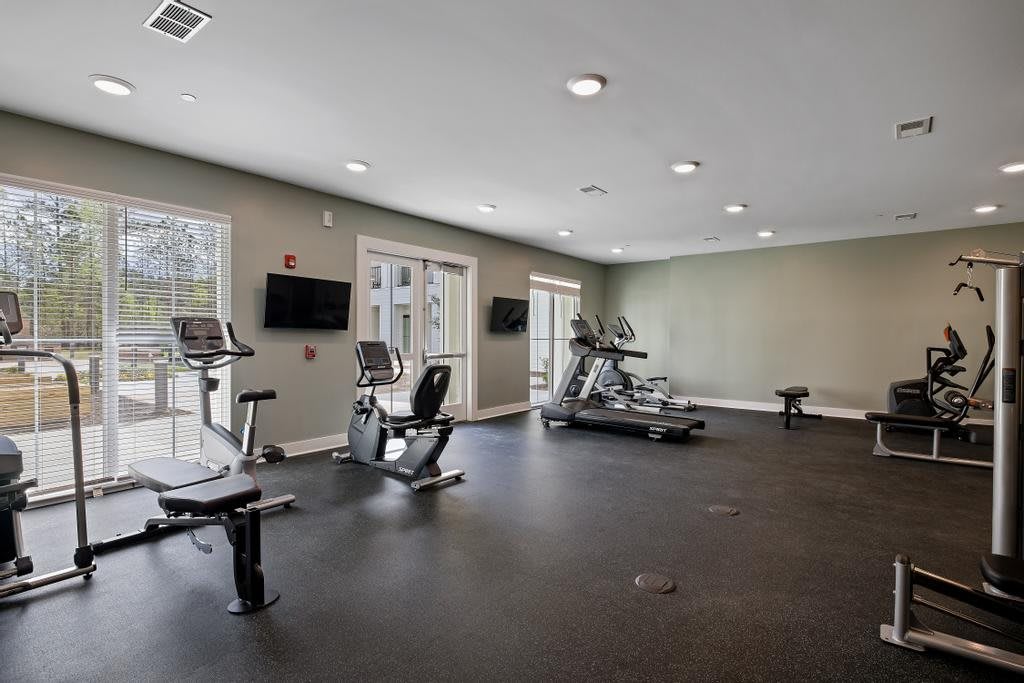
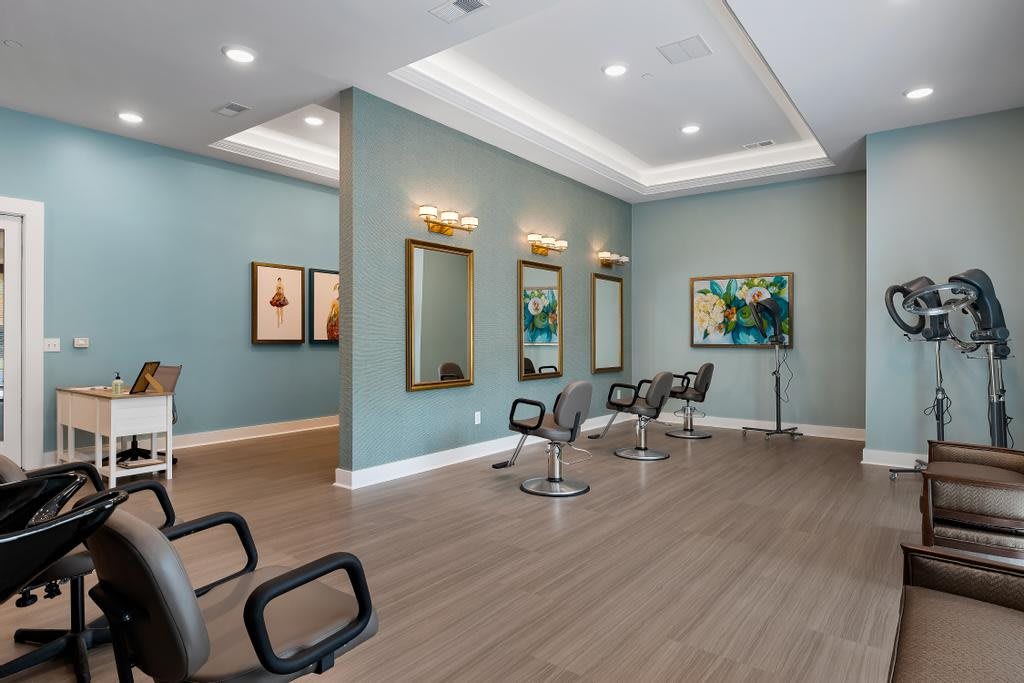
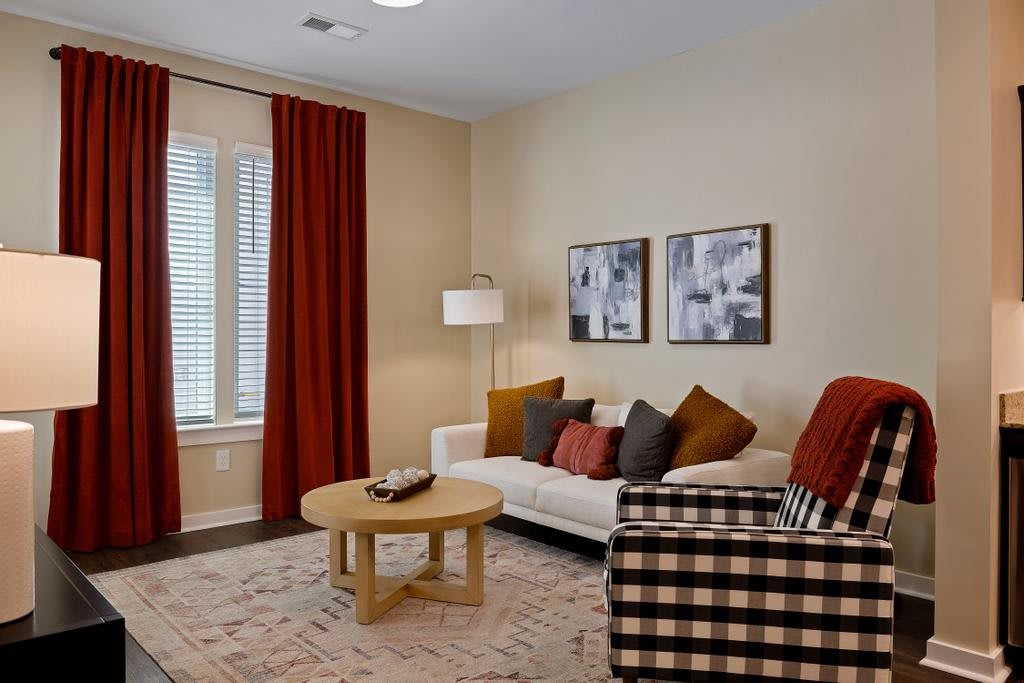
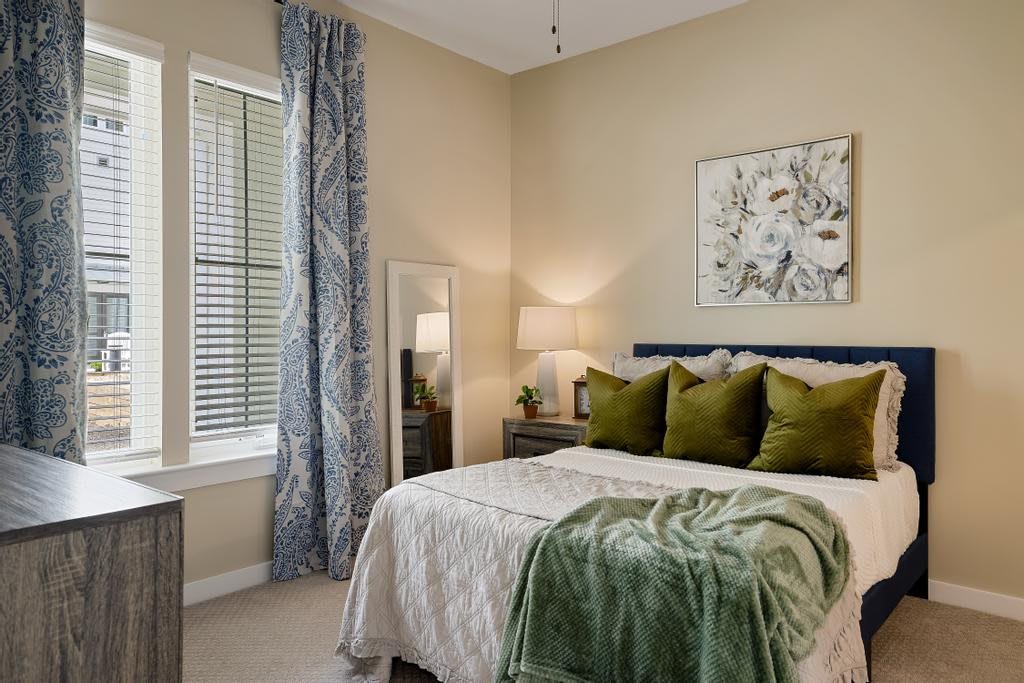
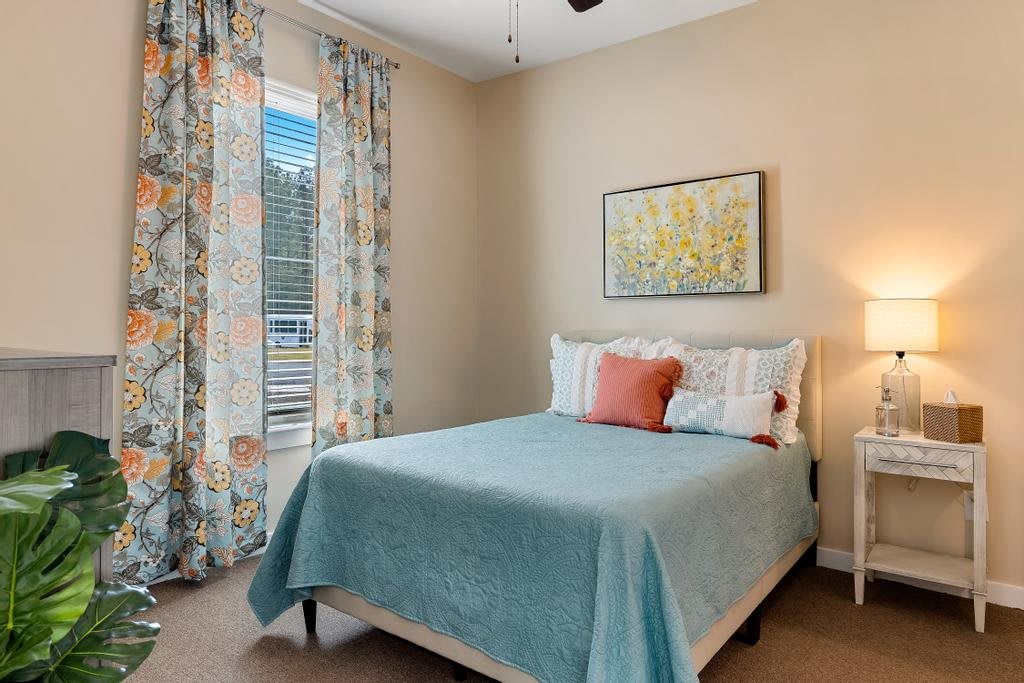
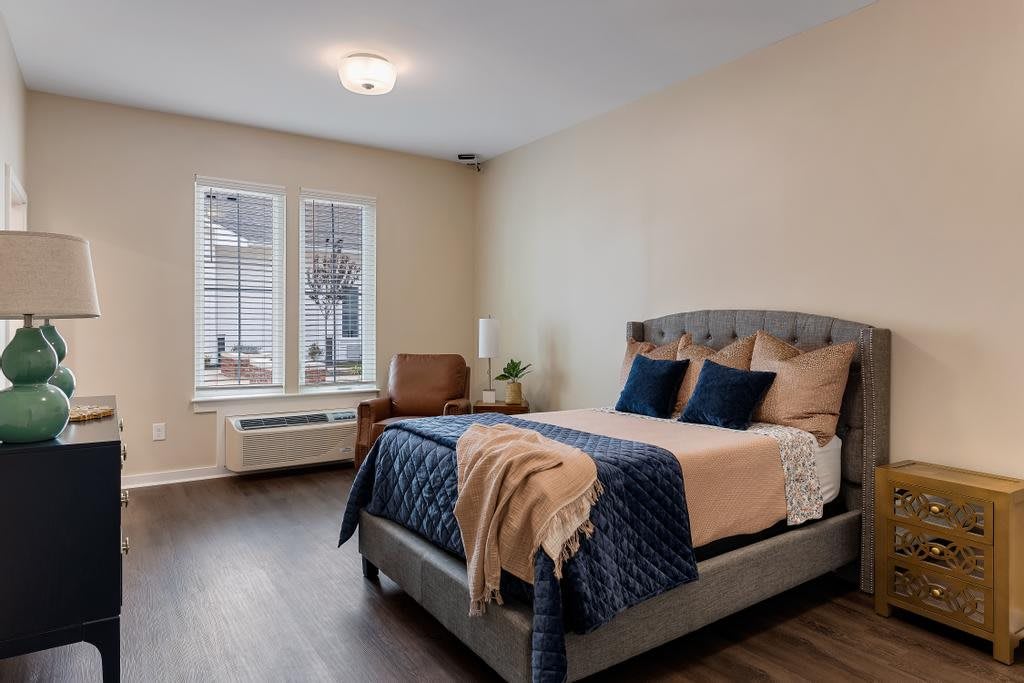
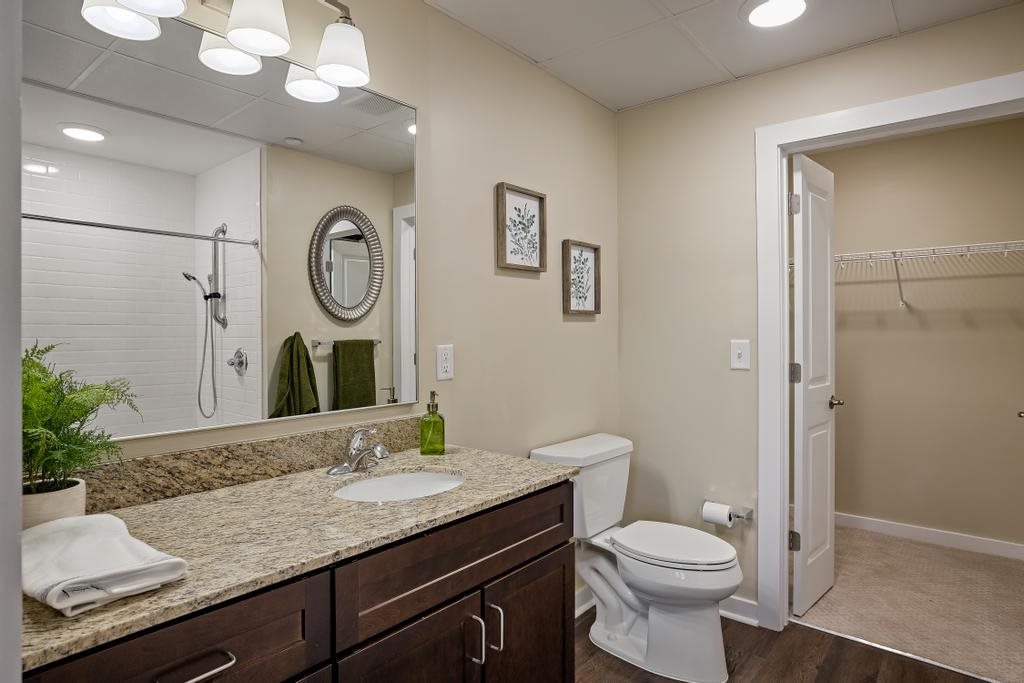
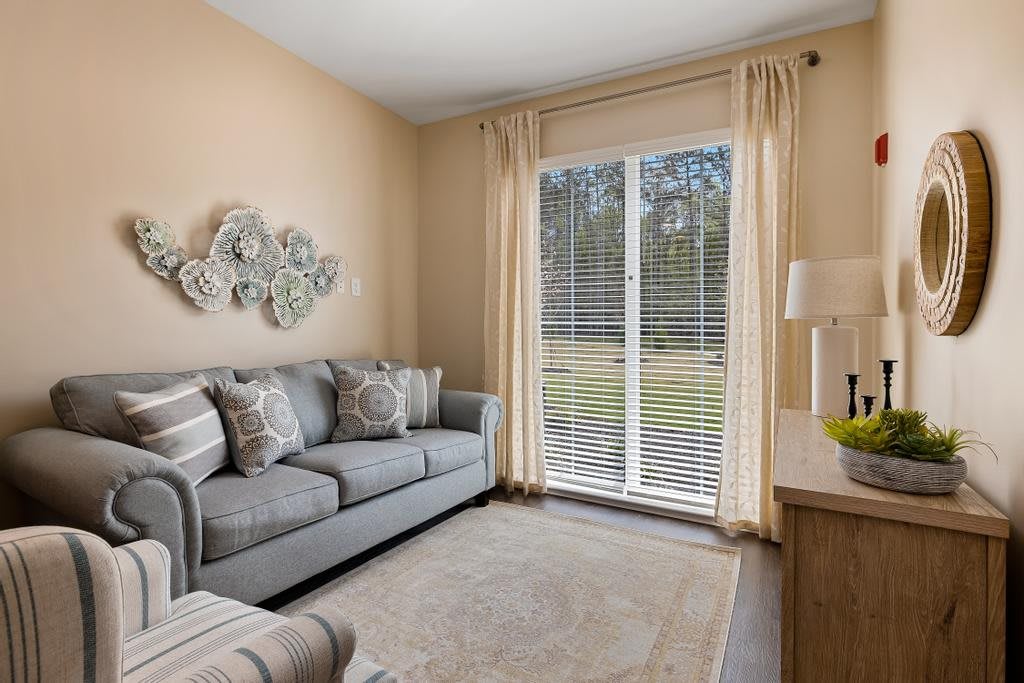
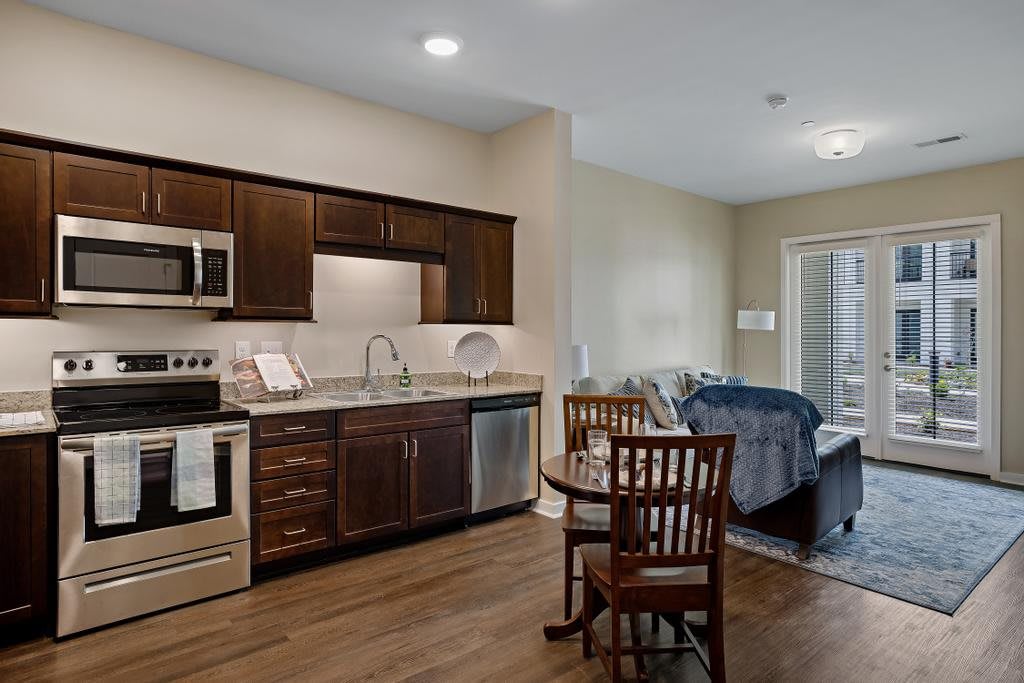
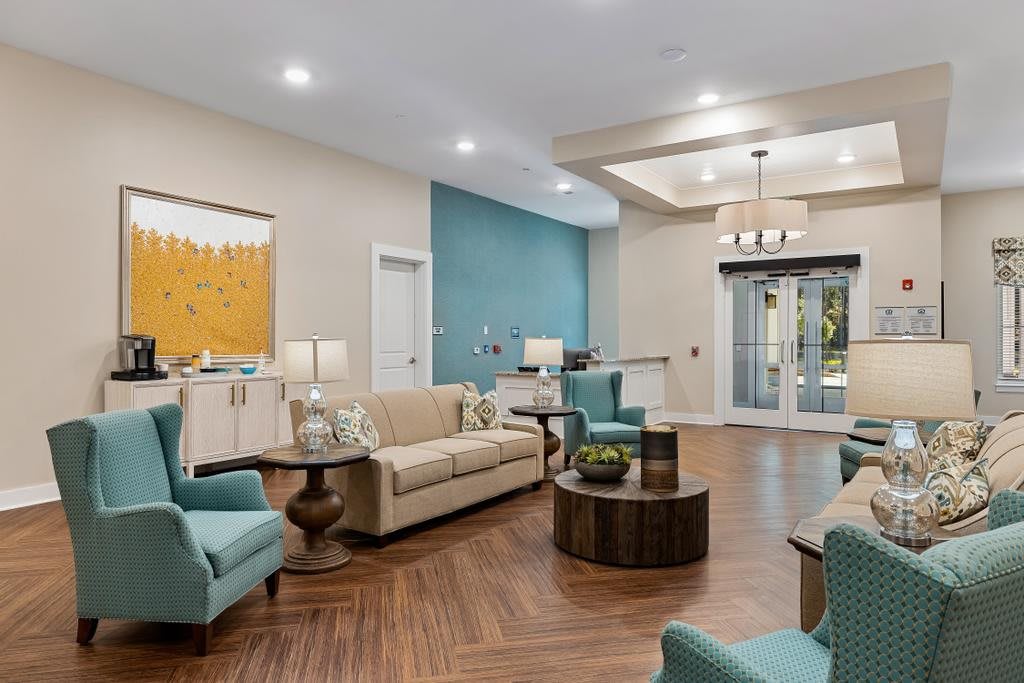
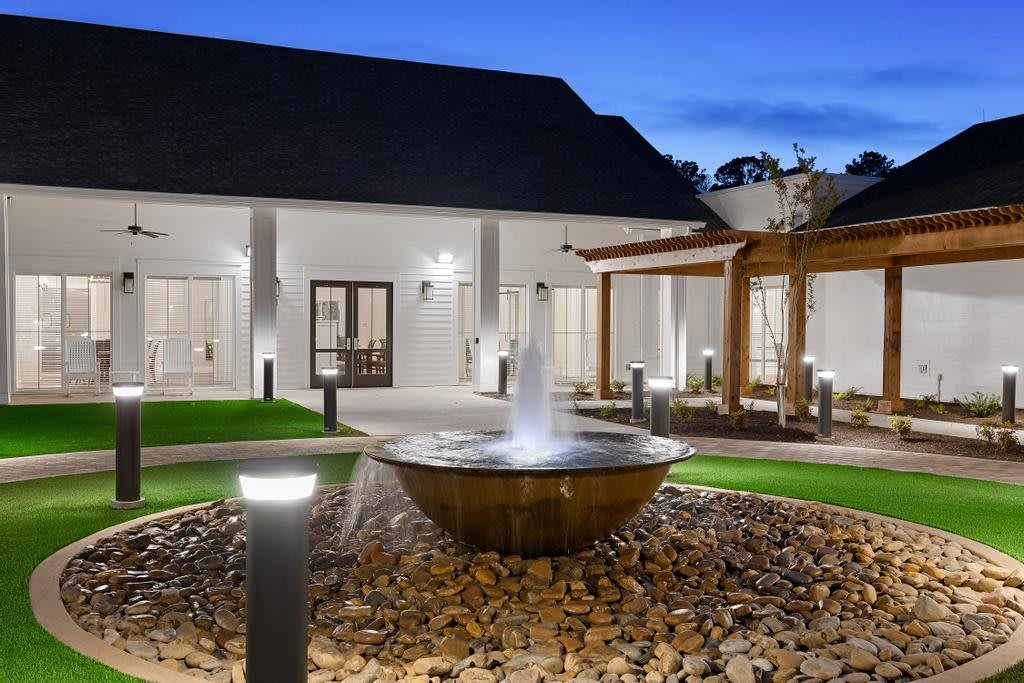
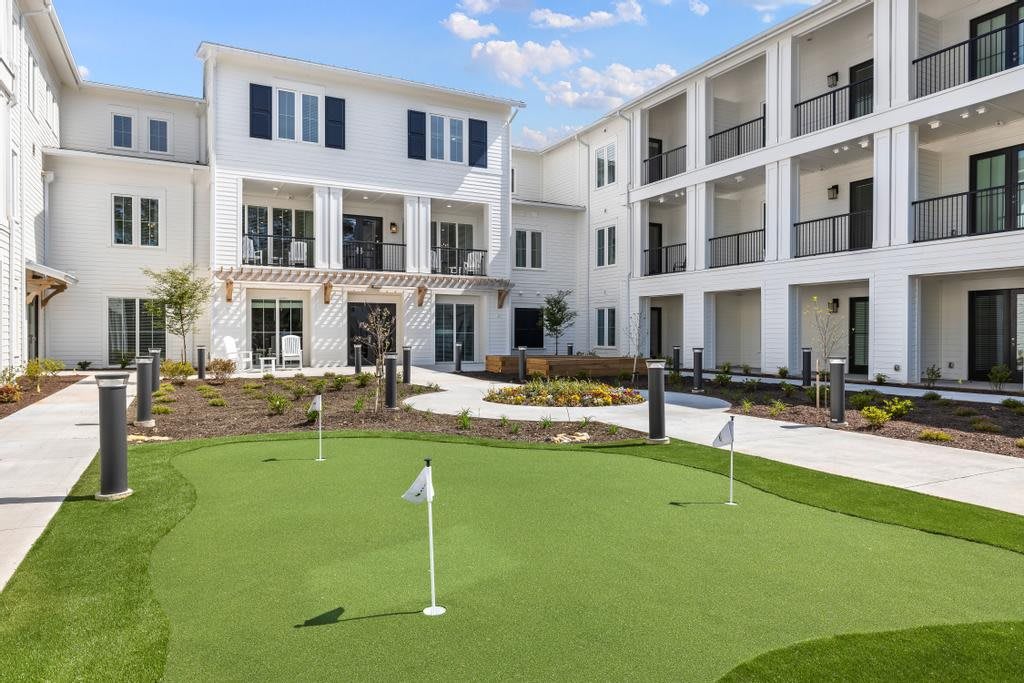
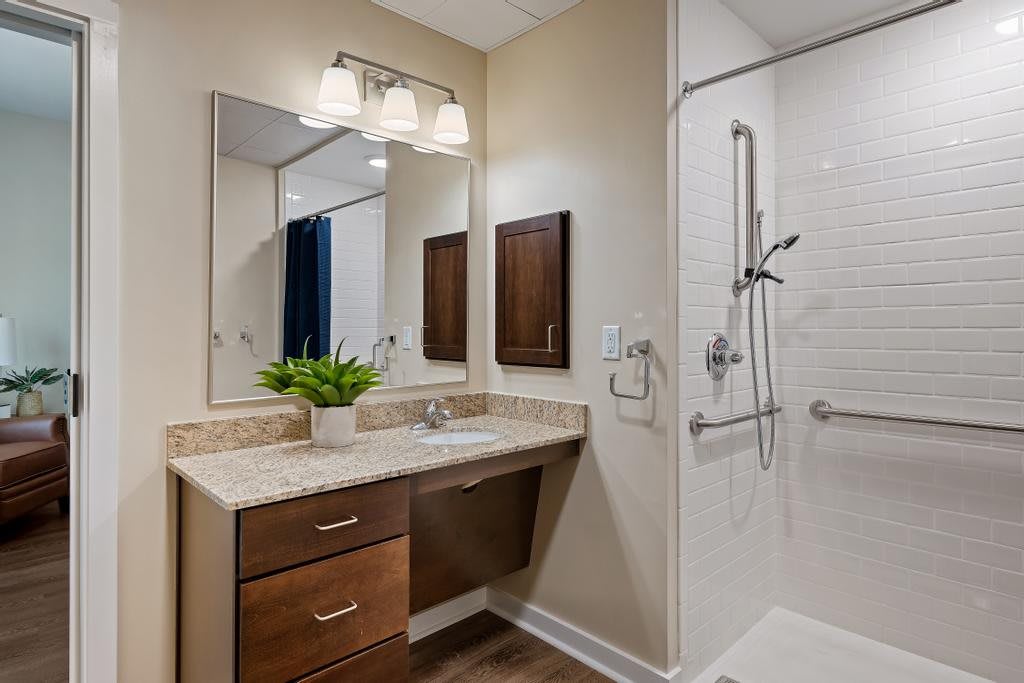
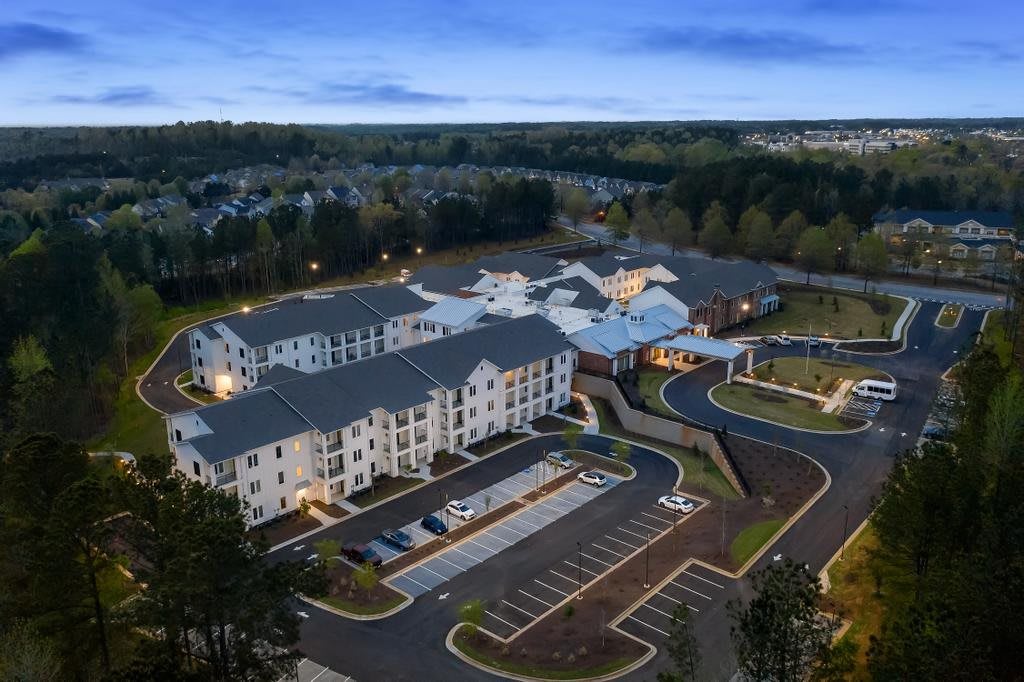
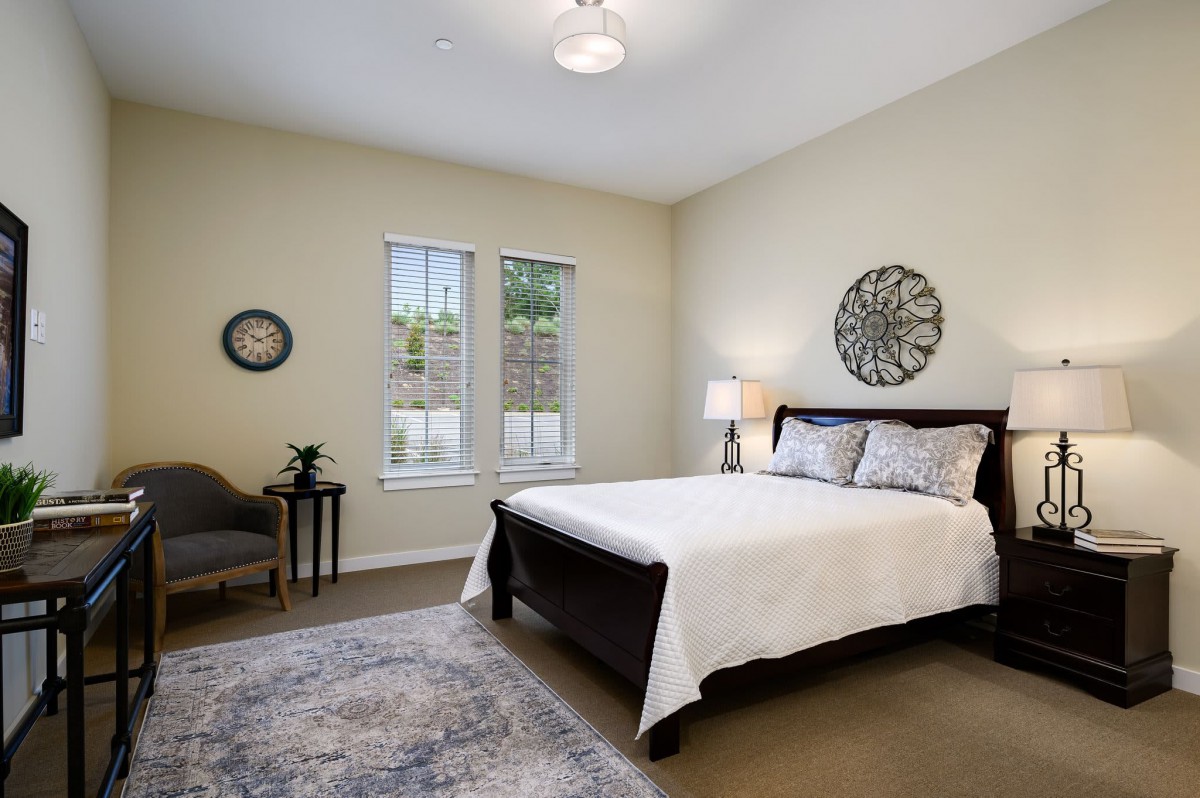
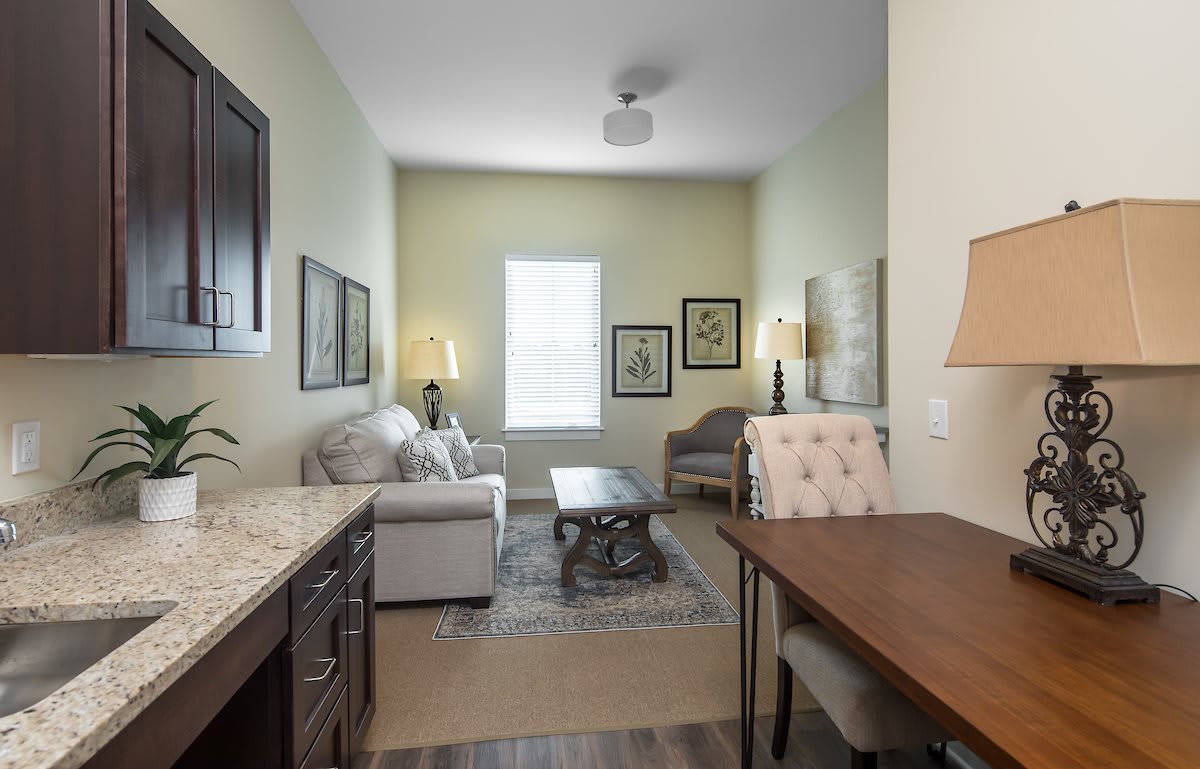
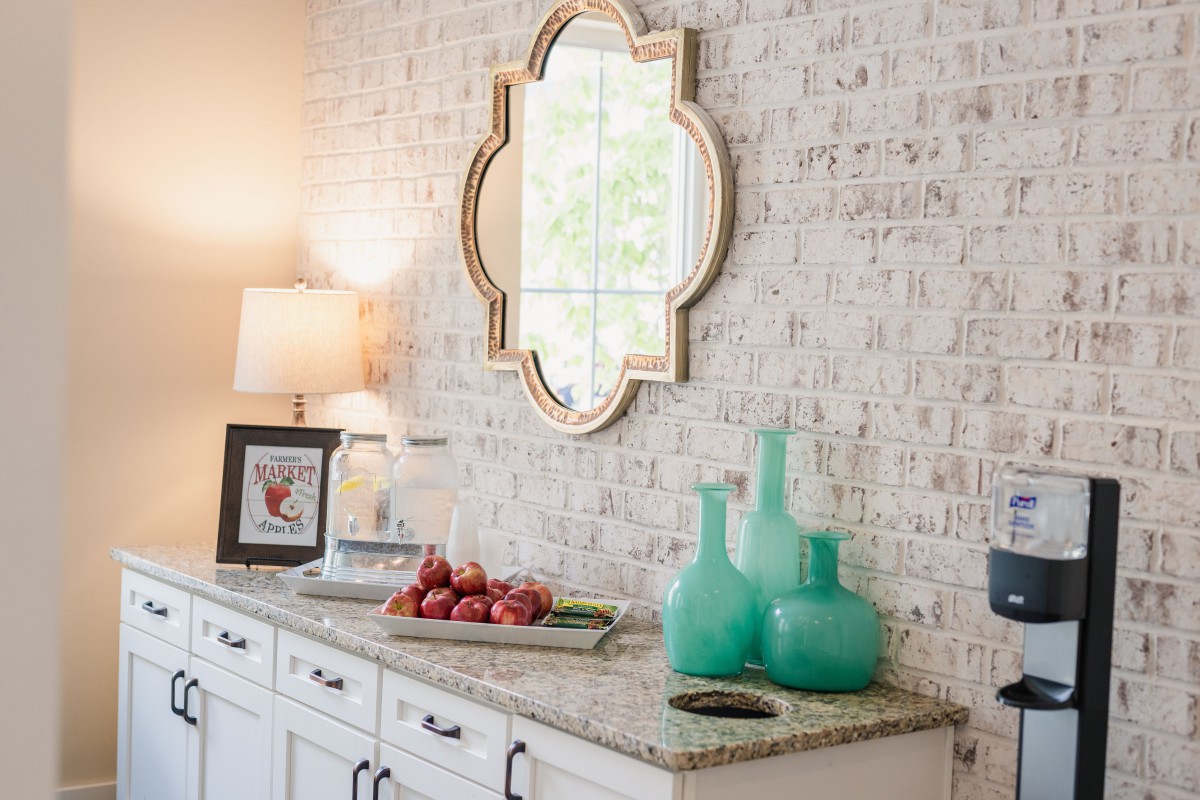
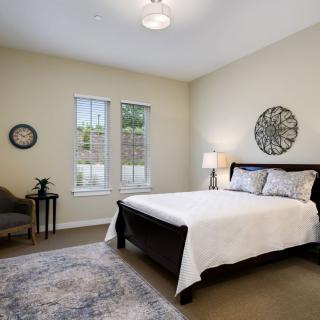
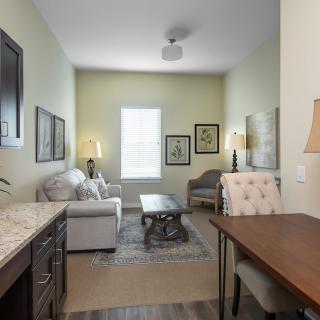
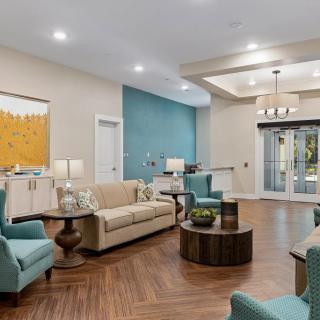
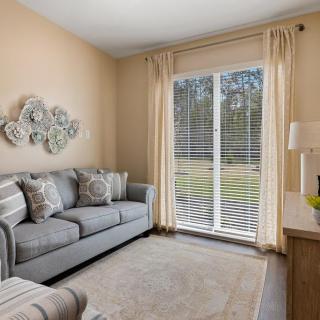
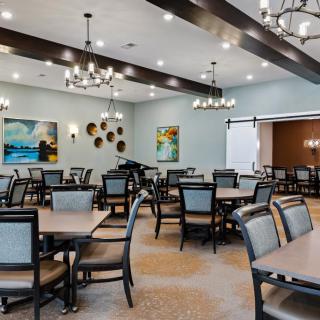
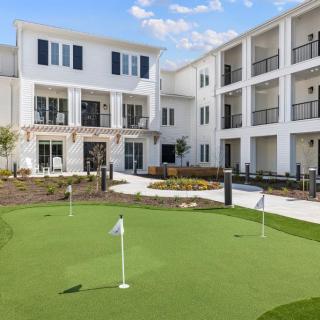
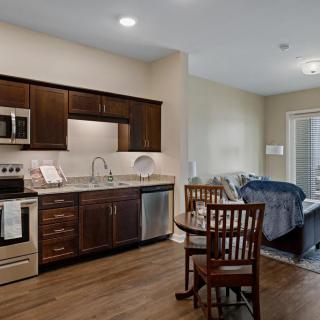
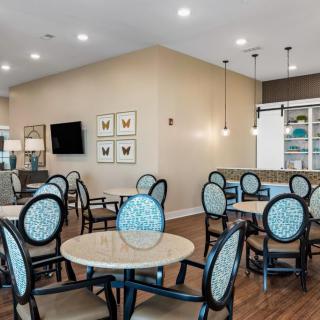
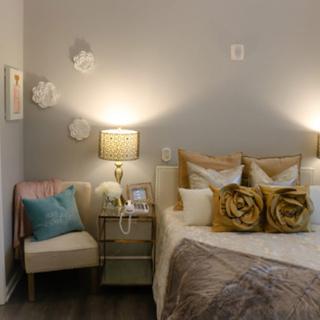
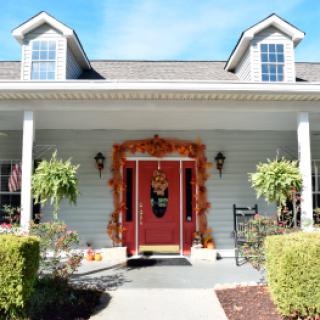
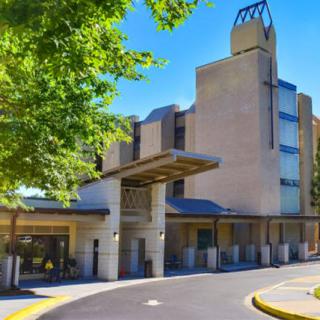
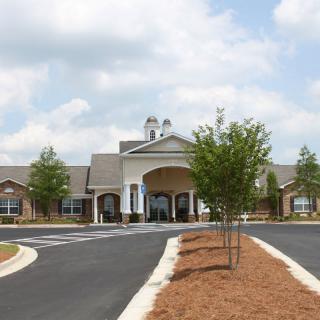
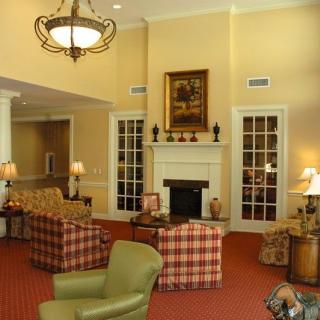
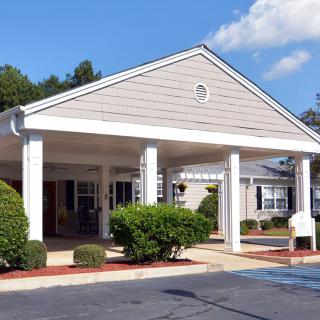
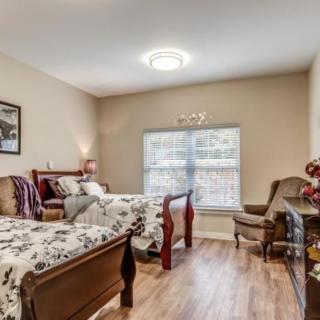
The Claiborne at Newnan Lakes on seniors.fyi includes 26 photos including images showing interior, decor, bedroom, windows, living room, dining, lighting, landscaping, and more.
Nearby Communities
Preferred Care at Home of Fayette and Coweta
Newnan, GA
Excellent access to parks, dining, healthcare, transportation, worship, and entertainment via nearby amenities.
Ashlynn Ridge 55 Apartments
Newnan, GA
4.5 from 36 reviews
Excellent access to healthcare, pharmacies, dining, and transportation nearby.
Insignia of Newnan
Newnan, GA
4.7 from 139 reviews
$3,330 to $4,855 / month
Caring, long-tenured staff and a welcoming, engaging community.
Avalon Health And Rehabilitation
Newnan, GA
3.8 from 51 reviews
Caring staff and a clean, welcoming environment with a strong rehabilitation program.
Home Helpers of Georgia and Alabama
Newnan, GA
4.8 from 9 reviews
Punctual, reliable in-home care with compassionate, attentive staff.
Brookdale Newnan
Newnan, GA
4.5 from 94 reviews
$2,485 to $5,755 / month
Friendly, attentive staff in a warm, close-knit community with varied activities.
Ansley Park Health And Rehabilitation
Newnan, GA
3.1 from 83 reviews
Kind, respectful care with a strong therapy program and pleasant environment.
The Reserve At Peachtree City
Peachtree City, GA
4.6 from 111 reviews
$3,550 to $6,700 / month
Caring, professional staff; clean, welcoming environment with engaging activities and good dining.
Laurel Glen At Carrollton Senior Living
Carrollton, GA
4.6 from 151 reviews
$2,365 to $5,235 / month
Friendly staff, clean facilities, engaging activities, and good dining options.
Transitioning from assisted living to memory care is driven by an individual's cognitive decline and specific needs, requiring careful evaluation of indicators like increased confusion and wandering. The process involves consulting medical professionals, researching suitable communities, considering financial and legal aspects, and ensuring effective communication for personalized care plans.
The article differentiates between assisted living and memory care, explaining that assisted living supports seniors with daily activities while promoting independence, whereas memory care provides specialized services for individuals with dementia, focusing on secure environments and cognitive support. It also addresses staff training, safety considerations, costs, family involvement, and transition strategies for families navigating these care options.
The article outlines effective communication strategies for interacting with loved ones with dementia, highlighting the need for empathy, patience, and understanding while emphasizing supportive approaches like using simple language, minimizing distractions, and focusing on feelings over facts to maintain dignity and foster connection. It also suggests seeking professional guidance when needed as communication challenges evolve.
Exercise Equipment, Gym, Exercise Room, and Treadmills
Pathway, Nature, and Lake
Salon and Mirrors
Seating and Theater
Hardwood Floor
Indoor Plants and Lighting Fixture
Courtyard and Fountain
Rug
Brick Wall
Park
Modern Architecture, Apartment Complex, Residential Building, Outdoor Space, and Putting Green
Indoor Lighting
Daylight
Additional Photos
Get PricingAsk A QuestionSchedule A TourContact Senior Advisor
By clicking submit, you agree to our Partner's Terms of Use. You
also consent to receive calls and texts, which may be autodialed, from our Partner. Your consent is not a condition to
using our Partner's service. Please visit our Partner's Privacy Policy for information about their privacy practices.









 1-bedroom apartments
 Assisted Living
 Independent Living
 Memory Care
 Cats allowed
 Dogs allowed
 Activities off-site
 Air-conditioning
 Bath tubs
 Beautician on-site
 Cable or satellite TV
 Devotional services off-site
 Full kitchen
 Garden view
 Ground floor units
 Indoor common areas
 Outdoor common areas
 Private patio, deck, or balcony
 Respite or short term stays offered
 Wheelchair accessible showers
 Wi-Fi/high-speed internet available
 Ambulatory care
 Diabetic care
 Incontinence care
 Medication management
 Anytime dining
 Art classes
 Bible study group
 Cooking classes
 Day trips and outings
 Educational speakers / life long learning
 Happy hour
 Karaoke
 Live musical performances
 Live well programs
 Wine tasting
 Excellent access to parks, dining, healthcare, transportation, worship, and entertainment via nearby amenities.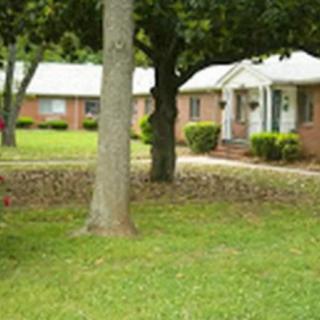


 When to Transition from Assisted Living to Memory Care: Key Indicators, Steps, and Finding the Right Community
 Understanding the Distinctions: Assisted Living and Memory Care Explained
 How to Communicate with a Loved One Living with Dementia: 10 Supportive Strategies