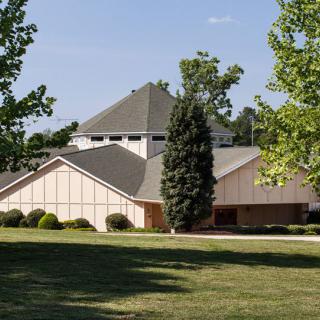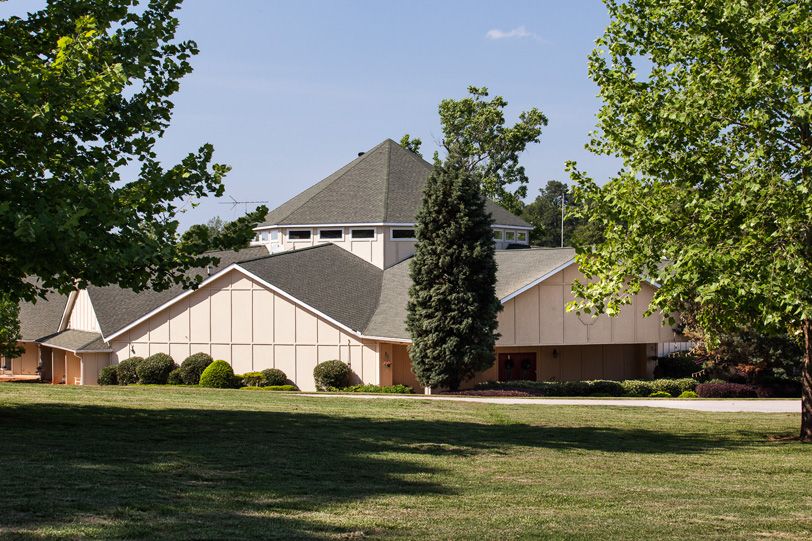
171 Highway Us 78 Nw, Monroe, GA 30655
For more information about senior living options: (866) 208-4318
Overall Review of Hollander Senior Living of Monroe
Pros
 The staff is caring, friendly, knowledgeable, and always willing to help.
- The facility is described as homey and comfortable, with a warm, country atmosphere.
- There are lots of activities for the whole community, coordinated by the staff.
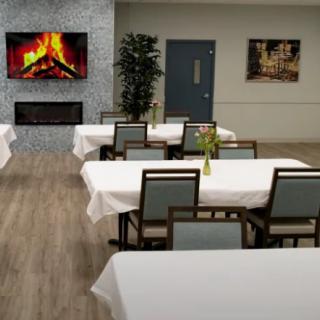
- The dining area looks good, and the facility is kept clean.
- The campus is on the lakeside with a patio, providing pleasant outdoor time for residents.
- A podiatrist visits to trim residents’ toenails, contributing to their care.
- Families report that their parents are happy with Hollander, saying everything is great.
- The staff consistently checks on residents and keeps them well, with a welcoming, attentive environment.
Cons
 The staff member filling in was not the subject matter expert.
- The staff member did not wear a mask during the tour despite signs on the door.
- It was concerning that a staff member tested positive.
- Residents were kept in their rooms.
- The facility is in need of upgrade and repair.
- The lobby flooring was uneven and a trip hazard for walkers.
- The carpeting was worn and frayed and a trip hazard at the threshold.
- Pay was low and employees were not treated fairly.
- There were no benefits.
- The place was very unclean.
- The facility let residents stay there due to money rather than care.
- The food was horrid for his diet.
Review
Hollander Senior Living of Monroe is best suited for seniors who want a warm, homey, one-floor community with steady staff presence, engaging activities, and a sense of neighborliness. It tends to appeal to couples or individuals who value easy mobility, regular social programming, and accessible on-site services in a lakeside setting. Those seeking a sleek, modern environment with stringent clinical oversight or a highly polished dining program may find the experience lacking. This community works best when the priority is personal attention in a relaxed, country-style atmosphere rather than the clinical polish some families expect from higher-acuity facilities.
The strongest case for Hollander rests on its people and programming. Families repeatedly note caring, approachable staff who attempt to accommodate requests, a robust slate of activities for holidays and daily life, and a friendly, welcoming culture. Residents can benefit from on-site conveniences such as a barber shop and a podiatrist, plus ample common space and outdoor areas that invite residents to linger and socialize. The layout, one level with available two-bedroom options, along with visible staff presence in the halls, underpins a sense of safety and constant oversight that many families value.
Yet, significant red flags temper the positives. Several reviews highlight tangible maintenance and safety concerns: uneven lobby flooring and frayed carpeting create real trip hazards for walkers and wheelchairs, and not all areas appear up to date or easy to navigate for impaired mobility. Maintenance responsiveness and resident comfort receive mixed signals, with at least one family reporting delays in essential climate repairs and others questioning the overall upkeep and cleanliness. These practical frictions matter, especially for residents who require predictable environments and consistently reliable maintenance.
Despite these drawbacks, the community’s strengths do offset certain downsides for a segment of potential residents, particularly those who prize a personable staff and an active social life over pristine interiors. The atmosphere remains “country” and comfortable, with pleasant tours, energetic staff, and a menu of activities that keep residents engaged. For families who prioritize continuity of care from familiar faces and a close-knit daily routine, Hollander can feel like the right match, so long as expectations around facility condition and administrative responsiveness are kept realistic.
On balance, however, several reviews push families to consider alternatives. For anyone evaluating long-term placement for someone with higher medical or cognitive needs, the reported gaps in clinical oversight and the occasional perception of staffing instability are important. The history of maintenance delays, questions about how well repairs are prioritized, and concerns about cleanliness and administration’s responsiveness create legitimate risk factors for residents who require more rigorous oversight or a consistently pristine environment. Food quality and overall care quality also appear variable in some accounts, suggesting that expectations could outpace realities depending on the resident’s needs.
Prospective movers should approach Hollander with a practical checklist. Verify the current management’s stance and track record, and press for real-world examples of how notifications, repairs, and transfers are handled. Ask to meet front-line staff, especially those who will oversee daily routines, and request recent examples of maintenance fixes completed within a defined timeframe. Compare the on-site services, barber, podiatry, activities, against the resident’s preferences and health needs, and assess whether the two-bedroom accommodations truly meet required accessibility standards. Finally, weigh the cost against the level of care, the stability of staffing, and the facility’s trajectory under new leadership to determine whether Hollander’s homey appeal justifies the trade-offs.
 50 resident community capacity
 1-bedroom apartments
 Assisted Living
 Memory Care
 Respite Care
 Beauty salon
 Cable or satellite TV
 Dining room
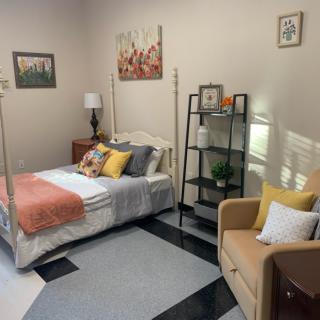
 Fully furnished
 Garden
 Housekeeping services
 Kitchenette
 Move-in coordination
 Outdoor space
 Restaurant-style dining
 Small library
 Telephone
 Wi-Fi/high-speed internet available
 24-hour call system
 Activities of daily living assistance
 Assistance with bathing
 Assistance with dressing
 Assistance with transfers
 Diabetes diet
 Medication management
 Mental wellness program
 Special dietary restrictions





 Dementia-Related Hallucinations: Causes, Experiences, and Practical Approaches
 Illuminating Insights About Alzheimer's Disease: Ten Crucial Realities
 A Thorough Discussion of Medications Potentially Linked to Dementia Risk