
46637 Highway 46 East, Metter, GA 30439
For more information about senior living options: (866) 208-4318
Cedar Plantation Senior Living & Alz Community Costs & Pricing
Cedar Plantation Senior Living & Alz Community offers competitive monthly rates for its residents, with studio apartments priced at $2,300 and one-bedroom units at $2,850. These costs align directly with the average expenses in Candler County, ensuring a consistent pricing structure that is favorable to potential residents. In comparison to statewide averages in Georgia, which reach $3,520 for studios and $3,412 for one-bedroom accommodations, Cedar Plantation presents a cost-effective solution for seniors seeking quality living arrangements without compromising on care or community. This makes Cedar Plantation an attractive option for families looking to balance affordability with high standards of senior living.
| Floor plans | Cedar Plantation Senior Living & Alz Community | Candler County | Georgia |
|---|---|---|---|
| Studio | $2,300 | $2,300 | $3,520 |
| 1 Bedroom | $2,850 | $2,850 | $3,412 |
Memory care communities with a similar price nearby
-
from -$100 / mo
The Gardens At Southern Manor
$2,200 to $2,650 / month15.2 miles away -
from -$300 / mo
Southern Comfort
$2,000 to $3,000 / month7.6 miles away
Overall Review of Cedar Plantation Senior Living & Alz Community
Pros
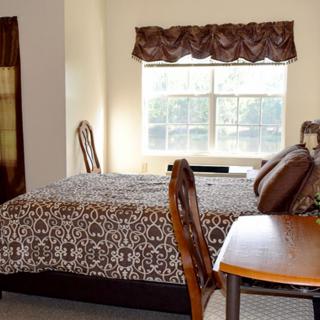
 The facility has light, bright, large rooms and a friendly, attentive, and caring staff.
- Visitors feel they have made the right decision upon entering Cedar Plantation.
- The setting away from the highway with windows overlooking the pasture makes it feel like home.
- Cedar Plantation is a wonderful place for a parent, loved one, or yourself.
- The level of care and the staff's responsiveness have pleased the family.
- The staff are friendly and genuinely concerned about residents, taking good care of them.
- The accommodations are impressive with an upscale hotel appearance, and the building is clean with ongoing activities.
- The facility has an RN on staff.
- The food is delicious.
Review
Cedar Plantation Senior Living & Alz Community in Metter, GA is best suited for families seeking a small‑town, home‑like memory‑care setting where an older adult can be cared for with warmth, attentiveness, and a human touch. The community earns praise for light, bright spaces, large rooms, and a setting away from busy highways with pasture views that contribute to a domestic, non‑institutional feel. It appeals to families prioritizing consistent, compassionate staff, visible engagement with residents, and a residence‑like atmosphere rather than a clinical environment. For seniors with Alzheimer's or related dementia who benefit from close supervision, predictable routines, and a comforting, homelike ambiance, Cedar Plantation delivers on the essentials that matter in daily life.
Those who need a more urban footprint or a facility with a broader on‑site medical ecosystem may want to consider alternatives. While families report strong daily life elements, the publicly visible programming during a visit may not always reveal a full, day‑to‑day calendar of activities. If highly structured, intensive activity schedules or frequent outings are non‑negotiable, another option with a more expansive activity repertoire could be better. Additionally, expectations around rapid access to highly specialized medical services on site may lead some to compare nearby facilities that present a different level of acuity care.
The core strengths are tangible and persuasive. The staff receives explicit praise for friendliness, attentiveness, and genuine care, with families noting how staff members show love and devoted concern for residents. An on‑site RN adds a meaningful layer of medical oversight, offering reassurance about ongoing assessments and timely responses to changes in condition. Cleanliness and a polished environment, described as having an upscale hotel feel and generous, well‑lit rooms, support comfort, dignity, and a sense of normalcy for residents. The combination of a tranquil setting, a quiet street, and windows with pasture views contributes substantially to mood stability and orientation, while good‑quality meals reinforce daily well‑being. Taken together, these strengths offset potential questions about programming by delivering reliable care, clear communication, and a consistently reassuring routine.
Where attention is warranted, it centers on translating those strengths into lived experience. Tours can be brief, and prospective families may not always observe the full spectrum of activities on any single visit. The long hallway that often impresses during tours signals campus scale and could pose a practical challenge for residents with mobility or balance concerns if transitions are frequent. Yet, the evident cleanliness, staff interaction, and a culture of care help counterbalance these considerations by reducing confusion, enhancing safety, and fostering meaningful engagement within the daily rhythm of the community. The reality is a dependable, person‑centered approach that tends to become evident once a resident settles in.
Prospective movers should enter with targeted questions to align expectations. Seek clarity on how often activities are offered and how participation is encouraged for residents with memory impairment; request a current weekly calendar and a sample meal plan to gauge variety and nutrition. Verify nurse availability, know who to contact after hours, and explore transportation options for appointments or outings. The reviews point to a place where families feel confident in staff and trust that their loved one is in a nurturing environment with enough variety to prevent stagnation and enough structure to reduce agitation or confusion.
In the end, Cedar Plantation stands as a solid, advisory pick for families seeking a serene, home‑like memory‑care setting with attentive staff, a stable routine, and a reputation for care and cleanliness. It is well suited for seniors who thrive in calm surroundings, value a strong caregiving presence, and appreciate daily life that preserves dignity and personal attention. Those prioritizing urban convenience, aggressive activity programming, or highly specialized medical services on site may want to compare alternatives to ensure a fit with expectations and specific needs. The decision rests on whether a paced, intimate environment with a warm staff culture aligns with the loved one’s priorities and the family’s comfort level with daily life that centers on continuity, kindness, and consistent care.
 36 resident community capacity
 Assisted Living
 Memory Care
 Activities off-site
 Air-conditioning
 Bath tubs
 Beautician on-site
 Cable or satellite TV
 Devotional services off-site
 Dining room
 Fully furnished
 Garden
 Ground floor units
 Handicap accessible
 Housekeeping services
 Indoor common areas
 Kitchenette
 Move-in coordination
 Outdoor common areas
 Respite or short term stays offered
 Restaurant-style dining
 Small library
 Telephone
 Wheelchair accessible showers
 Wi-Fi/high-speed internet available
 24-hour call system
 Assistance with bathing
 Assistance with dressing
 Assistance with transfers
 Diabetes diet
 Diabetic care
 Incontinence care
 Medication management
 Mental wellness program
 Special dietary restrictions
 Art classes
 Bible study group
 Day trips and outings
 Educational speakers / life long learning
 Live musical performances
 Live well programs


 Understanding Dementia Through Its Seven Stages: A Comprehensive Look at Progression and Expectations
 Safeguarding Your Memory Through the Golden Years: Eight Ways to Preserve Cognitive Health
 Comprehensive Insights into Activities of Daily Living (ADLs) and Their Assessment