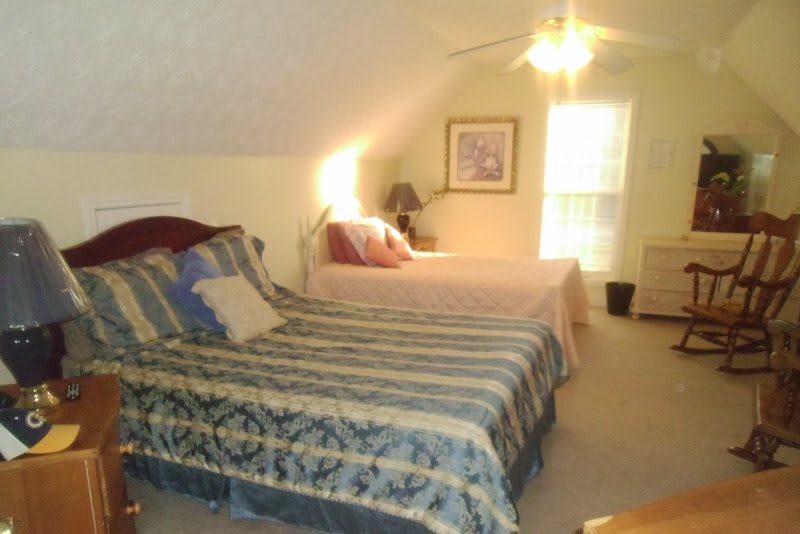
600 Pullin Road, McDonough, GA 30253
To contact a resident: (678) 272-8801
For more information about senior living options: (866) 208-4318
Antia's Tender Touch Costs & Pricing
Antia's Tender Touch offers competitive pricing for its services, particularly when compared to both Henry County and the broader state of Georgia. For a semi-private room, residents can expect to pay $1,500 per month, which is significantly lower than the county average of $1,950 and the state average of $2,529. Similarly, in a private room setting, Antia's charges $2,000 monthly - again more affordable than the county rate of $2,130 and considerably less than the state average of $2,864. This pricing strategy not only reflects an understanding of local market conditions but also emphasizes Antia's commitment to providing quality care at a reasonable cost for its residents.
| Floor plans | Antia's Tender Touch | Henry County | Georgia |
|---|---|---|---|
| Semi-Private | $1,500 | $1,950 | $2,529 |
| Private | $2,000 | $2,130 | $2,864 |
Senior living communities with a similar price nearby
-
About the same
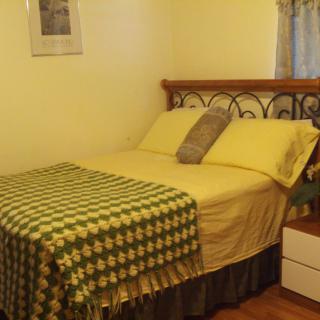
Lend A Hand Personal Care Home
$1,500 to $2,000 / month15.1 miles away -
from -$150 / mo

Le'glen Personal Care Home
$1,350 to $2,150 / month18.1 miles away -
from +$200 / mo

Rose's Premier Personal Care Home
$1,700 / month19.1 miles away -
from +$200 / mo

Around the Clock Personal Care Home, LLC
$1,700 to $2,200 / month21.7 miles away -
About the same
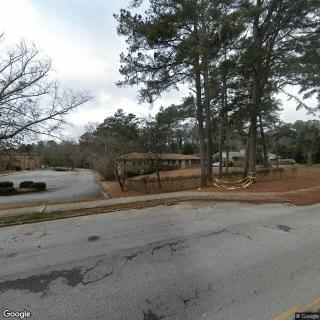
Standard Personal Care Home
$1,500 / month21.3 miles away
Overall Review of Antia's Tender Touch
Pros
 The childcare facility is amazing, with well-trained teachers and an amazing office staff.
- The staff are awesome, and the pre-K program is outstanding.
- The love that the teachers have for the students is indescribable.
- The group of staff quickly became family away from home, giving parents peace of mind that their children are in excellent care.
- The staff reassures parents during rough mornings and provides updates, contributing to a wonderful year.
- The staff are nice and generous, making tours a positive experience.
Cons
 Misinformation about programs from different employees.
- They did not call back when a spot became available, wasting the reviewer's time.
- The security was a huge concern because the doors to all the children were left unlocked for five weeks.
- The Pre-K teacher told a child not to tell parents what goes on at the school.
- There was a lot of turnover in the staff.
- The reviewer was stabbed by a girl.
Review
Antia’s Tender Touch in McDonough is best suited for families seeking a warm, nurturing environment for preschool-aged children where staff are genuinely affectionate and engaged. The consistently highlighted strength is a caring, almost family-like atmosphere: teachers who are described as well-trained, responsive, and devoted to the children, with parents feeling reassured by regular updates and direct communication during rough mornings. For families prioritizing a strong pre-K experience and a place where kids are treated with personal attention, this community can feel like a natural fit.
Those considering alternatives should note that this setting may not meet needs that require rigorous safety controls, ironclad reliability, or perfectly consistent program information. Several reviews raise red flags about security lapses, such as doors being left unlocked for extended periods, and about inconsistent or unreliable communication when spaces become available or when concerns arise. For families with heightened safety expectations, or for those who demand flawless, prompt follow-through on inquiries and commitments, the red flags point toward looking elsewhere.
The main pros, affectionate, attentive staff and a strong sense of belonging, can be compelling enough to offset some drawbacks for families prioritizing emotional warmth and a reassuring caregiver presence. When a child is thriving with teachers who call to share good news or describe a rough morning in a supportive way, that relational advantage matters. Yet these positives often collide with the most consequential cons: tangible safety concerns, mixed messages about programs, and inconsistent responsiveness. In practice, warmth alone cannot fully compensate for potential security gaps or unreliable communications.
To make an informed decision, prospective families should conduct a thorough on-site assessment and push for concrete guarantees. Urgently verify the security measures in place: controlled entry points, monitoring, and a clear protocol for incidents or safety breaches. Request a transparent incident log and a dependable contact for day-to-day questions or emergencies. Inquire about staff turnover and training, since high turnover can erode the continuity that fuels the beloved “family away from home” feeling. Finally, demand precise, up-to-date explanations of programs, availability, and waitlist timelines, with commitments that are honored reliably.
If senior living or memory-care needs are on the table, this community is not the best fit. Assisted living demands stringent security, consistent 24/7 staffing, clear care plans, and transparent operations, areas where the reviews raise concerns rather than confidence. For families evaluating elder care options, prioritize communities with verifiable safety records, regulated access, and predictable communication. For families seeking childcare, Antia’s Tender Touch offers a genuine sense of warmth and positive caregiver relationships, but the safety and reliability concerns require diligent vetting or steering toward options with proven, consistent standards before enrollment.
In the end, Antia’s Tender Touch presents a candid trade-off. The nurturing, attentive staff and the palpable sense of a supportive community are real and valuable benefits. However, unresolved safety questions, inconsistent program information, and uneven communication undermine long-run confidence, especially for families who cannot tolerate risk or ambiguity. If the core concern is a secure, reliably managed environment, the prudent course is to explore other centers first. If a careful, documented plan emerges, secures doors, steady staffing, and unwavering communication, and families are willing to pilot with clear expectations, the positive caregiver culture can still make this a viable choice for childcare. For elder care decisions, steer away; for young children, insist on concrete safety fixes before committing, and weigh the warmth against the gravity of the security concerns.
 Board and Care Home
 Day Program
 Bath tubs
 Beautician on-site
 Devotional services off-site
 Indoor common areas
 Outdoor common areas
 Private
 Private bathrooms
 Respite or short term stays offered
 William B Hartsfield-Atlanta International (21 miles away)
 Ambulatory care
 Diabetic care
 Incontinence care
 Medication management
 Meals provided





 Understanding the Nuances of Palliative Care and Hospice: A Comprehensive Exploration
 Fecal Incontinence in Older Adults: A Comprehensive Guide
 Recognizing the Journey: Understanding and Navigating Anticipatory Grief