The Phoenix at Johnson Ferry offers a range of accommodation options with costs that reflect the quality and level of service provided. For a semi-private room, residents can expect to pay $3,750 per month, significantly higher than the average monthly cost in Cobb County at $2,367 and Georgia at $2,529. Studio apartments are available for $3,850 - again above local averages - while one-bedroom units are priced at $4,950, well above Cobb County's average of $3,303 and Georgia's average of $3,412. For those seeking more space, two-bedroom accommodations are offered at $5,950 per month, surpassing both county and state averages of $3,824 and $3,921 respectively. While these prices may be elevated in comparison to the surrounding areas, they likely reflect the comprehensive care and amenities provided by The Phoenix at Johnson Ferry.
Floor plans
The Phoenix at Johnson Ferry
Cobb County
Georgia
Semi-Private
$3,750
$2,367
$2,529
Studio
$3,850
$3,482
$3,520
1 Bedroom
$4,950
$3,303
$3,412
2 Bedrooms
$5,950
$3,824
$3,921
Memory care communities with a similar price nearby
Residents and families describe care that supports day-to-day needs.
Several reviews say the level of care is working well and that staff help residents stay comfortable and engaged. In particular, families mention improved well-being and emotional support after changes in leadership and wellness staffing. Others also highlight medication help and responsiveness when needs come up. At the same time, a few residents raise concerns about missed meds, inadequate attention, and caregivers not always being available for individual support.
common6 reviews mention this
Dining gets solid feedback
Dining quality is a recurring bright spot for families.
Multiple reviews describe the food as enjoyable or great, and several say residents are happy with meals. There are also mentions of specific dining experiences like restaurant-style dining and meal service that helps residents participate. A smaller set of reviews, however, calls out food inconsistency or meals that were not up to expectations, including concerns about inedible food at times.
common8 reviews mention this
Activities and engagement stand out
Residents are kept engaged with activities and outings.
Many families say their loved ones enjoy the activities program, including crafts, group events, and day-to-day engagement. Several reviews point to meaningful resident engagement, such as residents participating during visits and improvement after leadership changes. Others also describe outdoor spaces and the appeal of gardens and verandas that support daily life. The main caveat is that a few reviews report activities slowing or stopping for periods and wanting more individual or varied attention.
common10 reviews mention this
Staff responsiveness is a key theme
Staff communication and kindness come through in reviews.
A large portion of feedback praises staff for being kind, respectful, and responsive to concerns. Families often mention helpful leadership during the move-in transition and ongoing communication after placement. Several reviews specifically note staff paying attention to residents’ needs and treating them with dignity. On the downside, some reviews report communication problems, staff turnover, and cases where call buttons or equipment were not working as expected.
caveat4 reviews mention this
Staffing limits individual attention
A few residents describe limited staffing for individual care.
While many reviews praise responsiveness, others say staffing is not sufficient for individual attention, especially when more help is needed. Some families recommend hiring private support for higher-need situations. There are also mentions of care tasks not being completed as expected and medication timing concerns. These critiques appear alongside broader feedback that improvements have been made.
caveat3 reviews mention this
Pricing feels high for some
Pricing is a frequent point of comparison and concern.
Some reviewers mention that the community felt a bit pricier and that the value depends on the level of help needed. Others say pricing was reasonable or that it fit their budget for the service they expected. One review also suggests different expectations around what care support would include. Overall, cost feedback appears mixed, with several residents comparing it to other options they considered.
How we summarize
Counts show how many written reviews mention each theme; a review can touch several themes, and only frequently mentioned themes are displayed.
Features
Housing
66 resident community capacity
1-bedroom apartments
2-bedroom apartments
Studio apartments
Types of Care
Assisted Living
Memory Care
Pets
Cats allowed
Dogs allowed
Amenities
Activities off-site
Activities on-site
Air-conditioning
Beautician on-site
Beauty salon
Cable or satellite TV
Computer center
Devotional services off-site
Devotional services on-site
Dining room
Fitness room
Fully furnished
Gaming room
Garden
Ground floor units
Housekeeping services
Indoor common areas
Kitchenette
Move-in coordination
Outdoor common areas
Outdoor space
Private bathrooms
Respite or short term stays offered
Restaurant-style dining
Small library
Telephone
Wellness center
Wi-Fi/high-speed internet available
Transportation
William B Hartsfield-Atlanta International (21 miles away)
Community operated transportation
Transportation & parking
Transportation arrangement
Transportation arrangement (non-medical)
Transportation to doctors appointments
Care Services
12-16 hour nursing
24-hour call system
24-hour supervision
Activities of daily living assistance
Ambulatory care
Assistance with bathing
Assistance with dressing
Assistance with transfers
Diabetes diet
Diabetic care
High acuity care
Incontinence care
Meal preparation and service
Medication management
Mental wellness program
Mild cognitive impairment
Special dietary restrictions
Specialized memory care programming
Dining
Anytime dining
Diabetes diet
Guest meals
International cuisine
Low / no sodium
Meals provided
No Sugar
Professional chef
Restaurant style dining
Room service
Special dietary restrictions
Special dining programs
Vegan
Vegetarian
Activities
Art classes
Catholic services
Community-sponsored activities
Concierge services
Cooking classes
Devotional activities offsite
Devotional activities on-site
Educational speakers / life long learning
Fitness programs
Live well programs
Other religious services
Planned day trips
Protestant services
Resident-run activities
Scheduled daily activities
Visiting Rabbi
Visiting chaplain or priest
Languages Spoken
English
Nearby Places of Interest
This part of Marietta, Georgia offers a convenient and vibrant community for senior living. With multiple pharmacies such as CVS and Walgreens within a short distance, accessing medication and healthcare services is easily accessible. The area also boasts a variety of restaurants offering diverse culinary options, as well as reputable healthcare providers like Weiss ENT and Northside Hospital nearby. For those seeking spiritual fulfillment, there are several places of worship in the vicinity. Additionally, the presence of parks like Morgan Falls Overlook Park and Cochran Shoals provide opportunities for outdoor recreation and relaxation. The availability of cafes like Starbucks and Giga-Bites Cafe cater to social interactions and leisurely outings. Overall, this neighborhood in Marietta offers a blend of amenities and conveniences that would make it an ideal choice for senior living.
Pharmacies
CVS Pharmacy (1.1 miles)
CVS Pharmacy (2.4 miles)
Walgreens (2.7 miles)
CVS Pharmacy (3.3 miles)
Walgreens (3.5 miles)
Walgreens (4 miles)
CVS Pharmacy (4.2 miles)
Restaurants
McDonald's (1.2 miles)
Red Sky Tapas & Bar (2.1 miles)
Marlow's Tavern (2.2 miles)
Suburban Tap (2.4 miles)
Hudson Grille (2.5 miles)
Chick-Fil-A (2.9 miles)
Rio Steakhouse And Bakery (3.7 miles)
Physicians
Weiss ENT (1.4 miles)
Mount Vernon Medical Center (3.2 miles)
Test 4 Free (4.5 miles)
Wellstar Medical Group Northwest Women's Care (5.1 miles)
Eye Consultants of Atlanta (5.7 miles)
Georgia Clinic (6 miles)
East Cobb Center For Therapy (6 miles)
Places of Worship
Congregation Etz Chaim (2.3 miles)
North Atlanta Church of Christ (4.3 miles)
St John United Methodist Church (4.5 miles)
The Church of the Apostles (6.8 miles)
Parks
Morgan Falls Overlook Park (2.4 miles)
Cochran Shoals - Chattahoochee River (3.7 miles)
Georgetown Park (6.6 miles)
Harrison Park (7.2 miles)
Cafes
Starbucks (4.1 miles)
Starbucks (4.7 miles)
Giga-Bites Cafe (5.1 miles)
Starbucks ThD (7 miles)
OK Cafe (7 miles)
Rev Coffee (7 miles)
Starbucks (7.1 miles)
Hospitals
Northside Hospital (4.4 miles)
Children's Healthcare of Atlanta at Scottish Rite Hospital (4.5 miles)
Northwest Medical Center (7.4 miles)
Theaters
Silverspot Cinema (5.5 miles)
AMC Parkway Pointe 15 (5.5 miles)
Phipps Plaza (7.3 miles)
AMC Theatres Phipps Plz 14 (7.3 miles)
Transportation
Brookhaven/Oglethorpe University MARTA Rail Station (7.4 miles)
The Phoenix at Johnson Ferry offers a range of accommodation options with costs that reflect the quality and level of service provided. For a semi-private room, residents can expect to pay $3,750 per month, significantly higher than the average monthly cost in Cobb County at $2,367 and Georgia at $2,529. Studio apartments are available for $3,850 - again above local averages - while one-bedroom units are priced at $4,950, well above Cobb County's average of $3,303 and Georgia's average of $3,412. For those seeking more space, two-bedroom accommodations are offered at $5,950 per month, surpassing both county and state averages of $3,824 and $3,921 respectively. While these prices may be elevated in comparison to the surrounding areas, they likely reflect the comprehensive care and amenities provided by The Phoenix at Johnson Ferry.
The Phoenix at Johnson Ferry offers a comprehensive range of features designed to support residents with dementia or Alzheimer's disease effectively. With 24-hour supervision, residents receive constant monitoring, ensuring their safety and providing peace of mind for families. Assistance with activities of daily living, including bathing, dressing, and transfers, helps maintain dignity and comfort while fostering independence where possible. Incontinence care addresses personal needs sensitively, while meal preparation and service cater to nutritional requirements that are vital for maintaining health. Medication management further ensures that residents adhere to prescribed regimens without stress. Additionally, the mental wellness program and specialized memory care programming are tailored to stimulate cognitive function and enhance quality of life for those experiencing mild cognitive impairment or more advanced stages of dementia. Collectively, these features create an environment that supports both the physical and emotional well-being of residents.
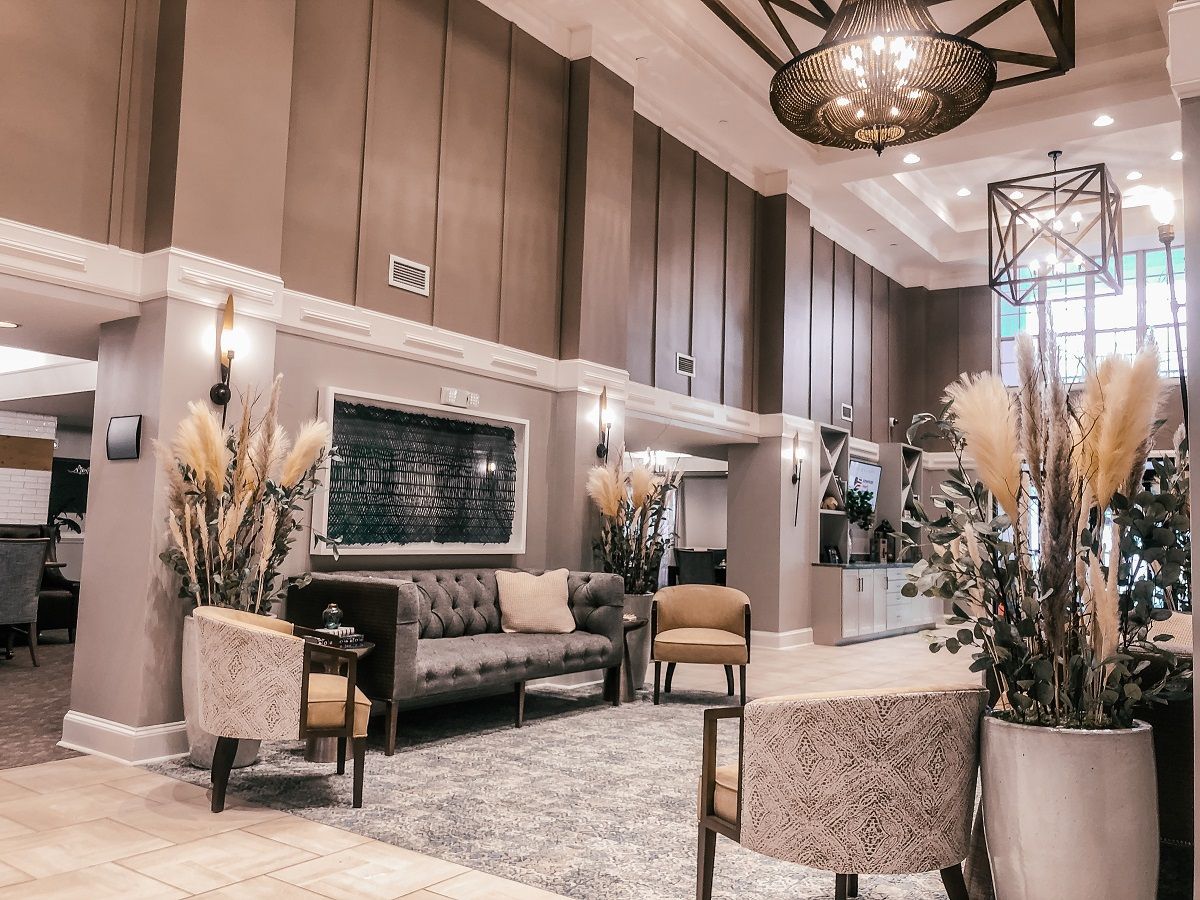
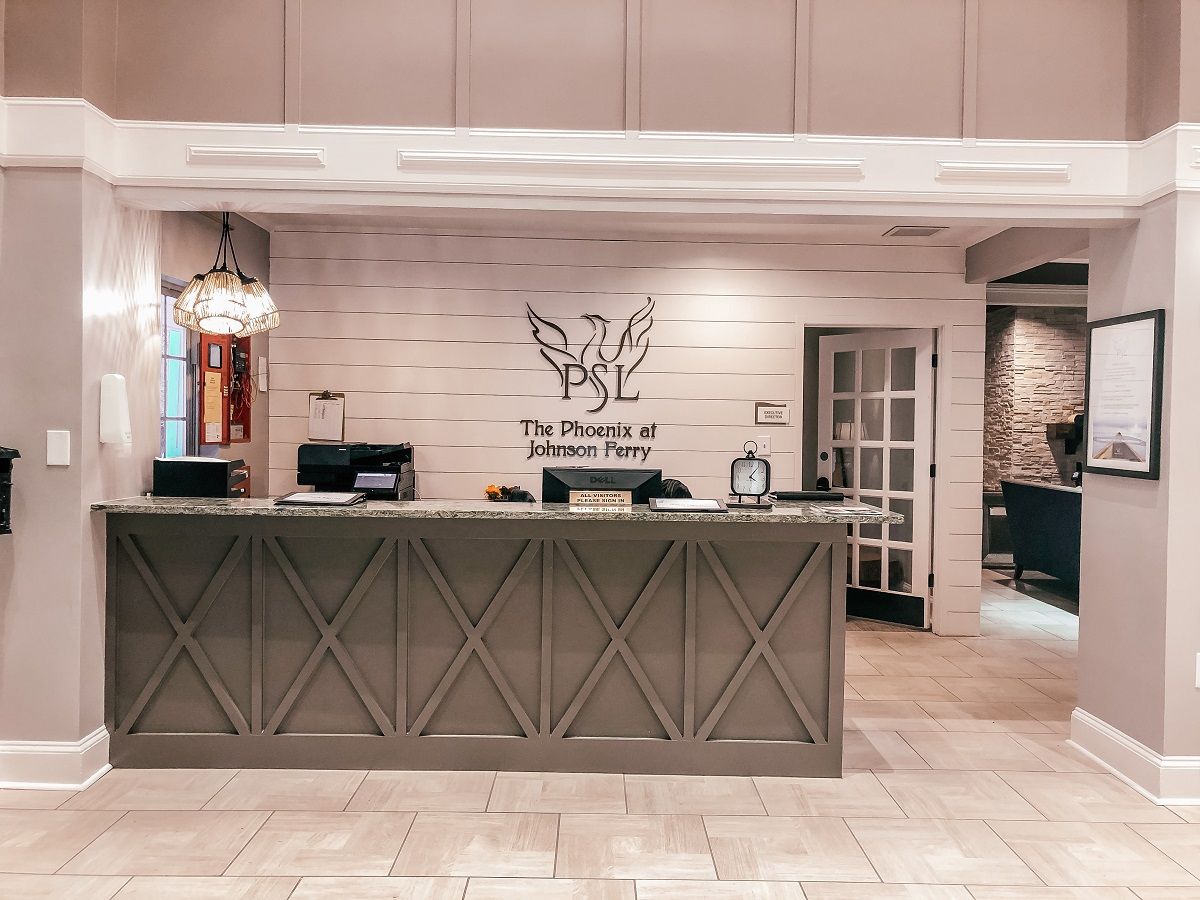
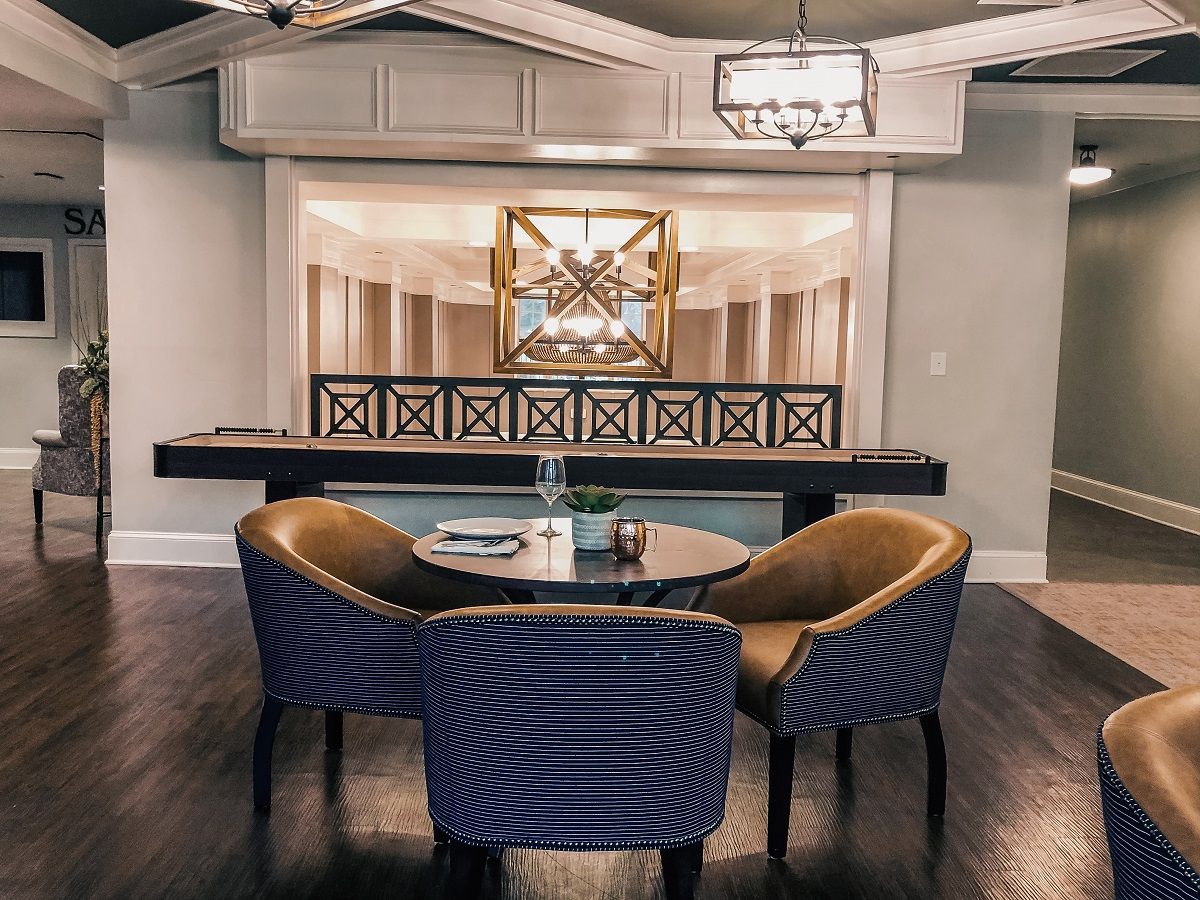
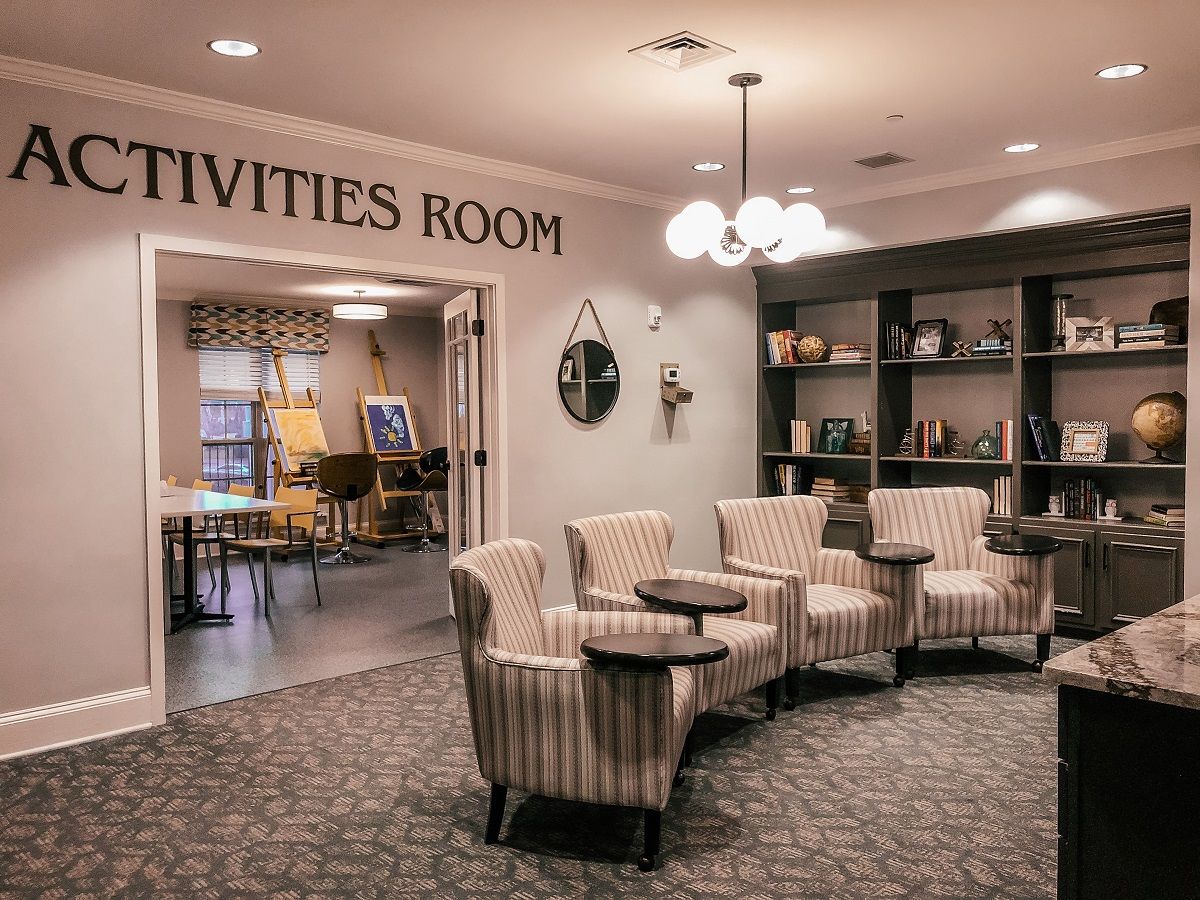
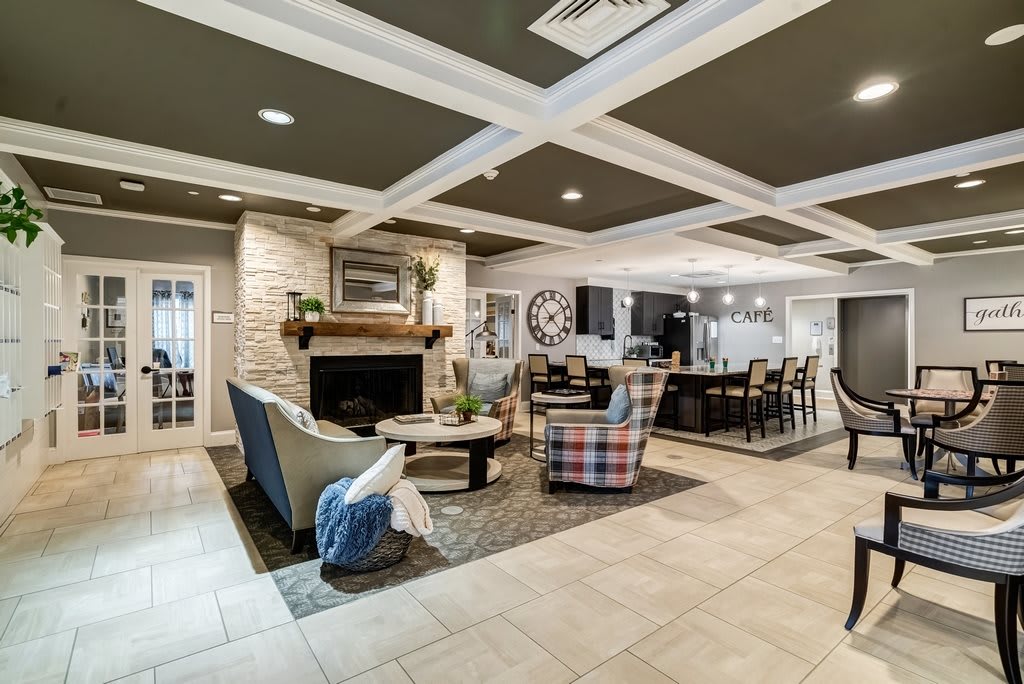
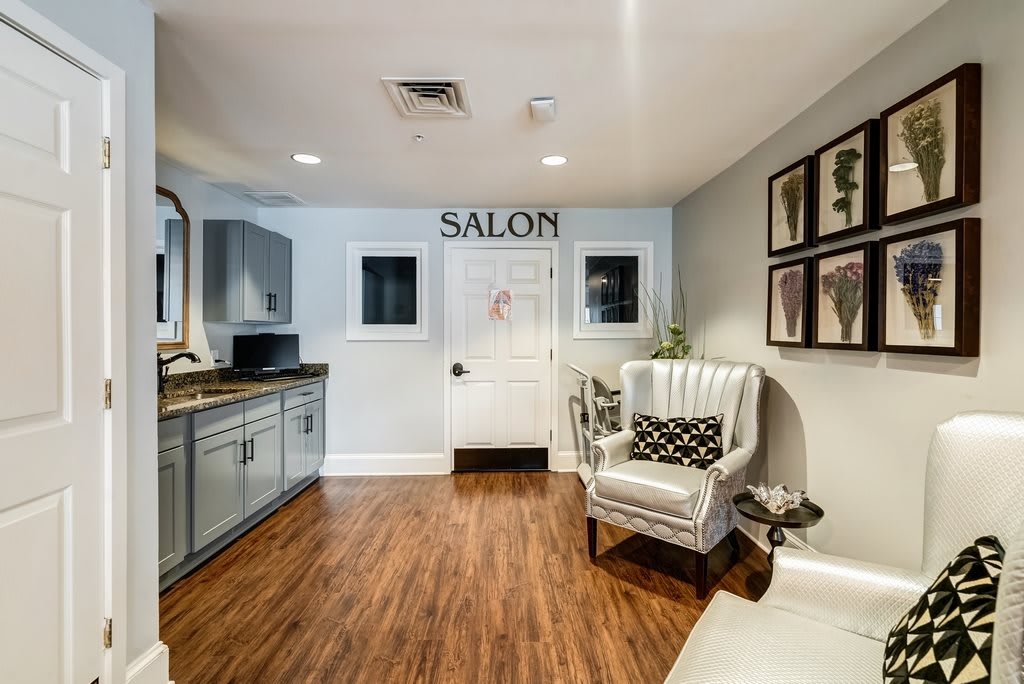
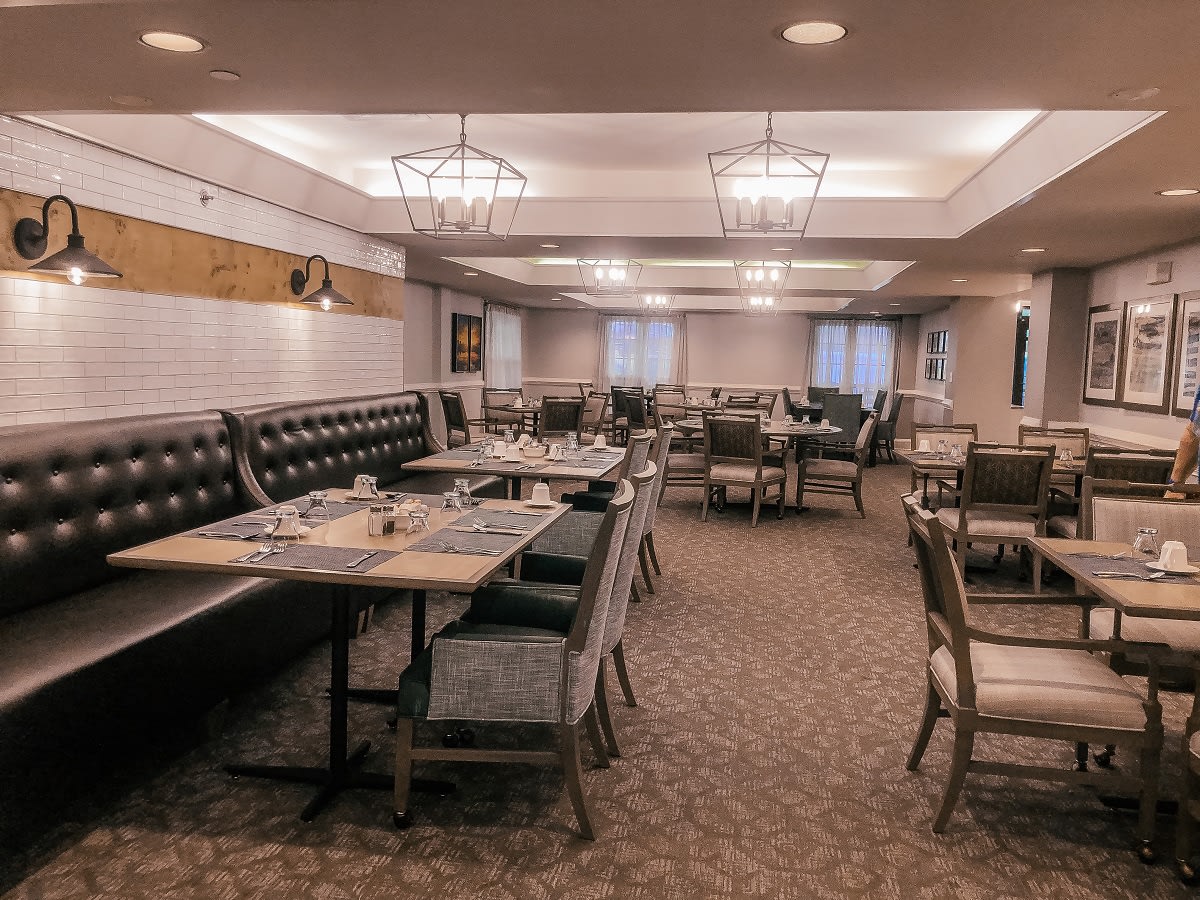
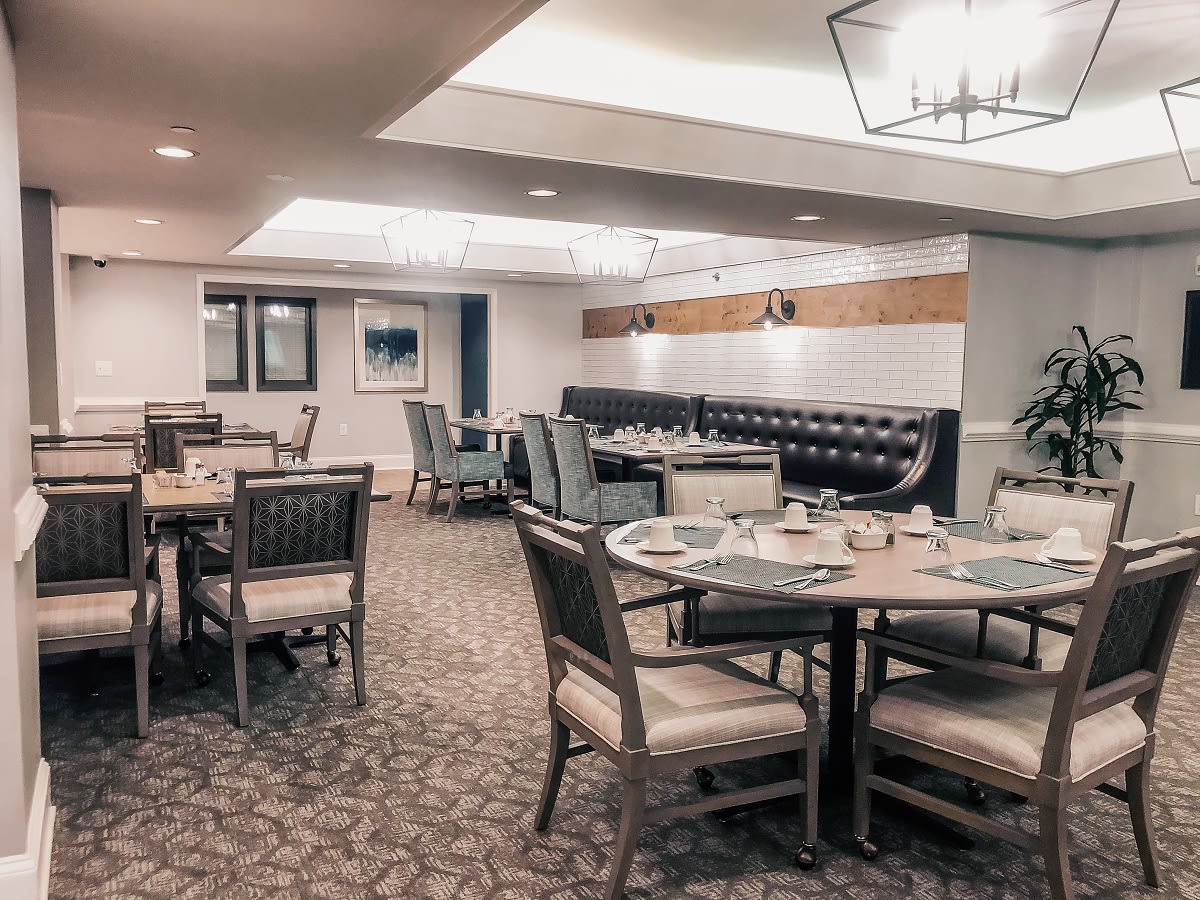
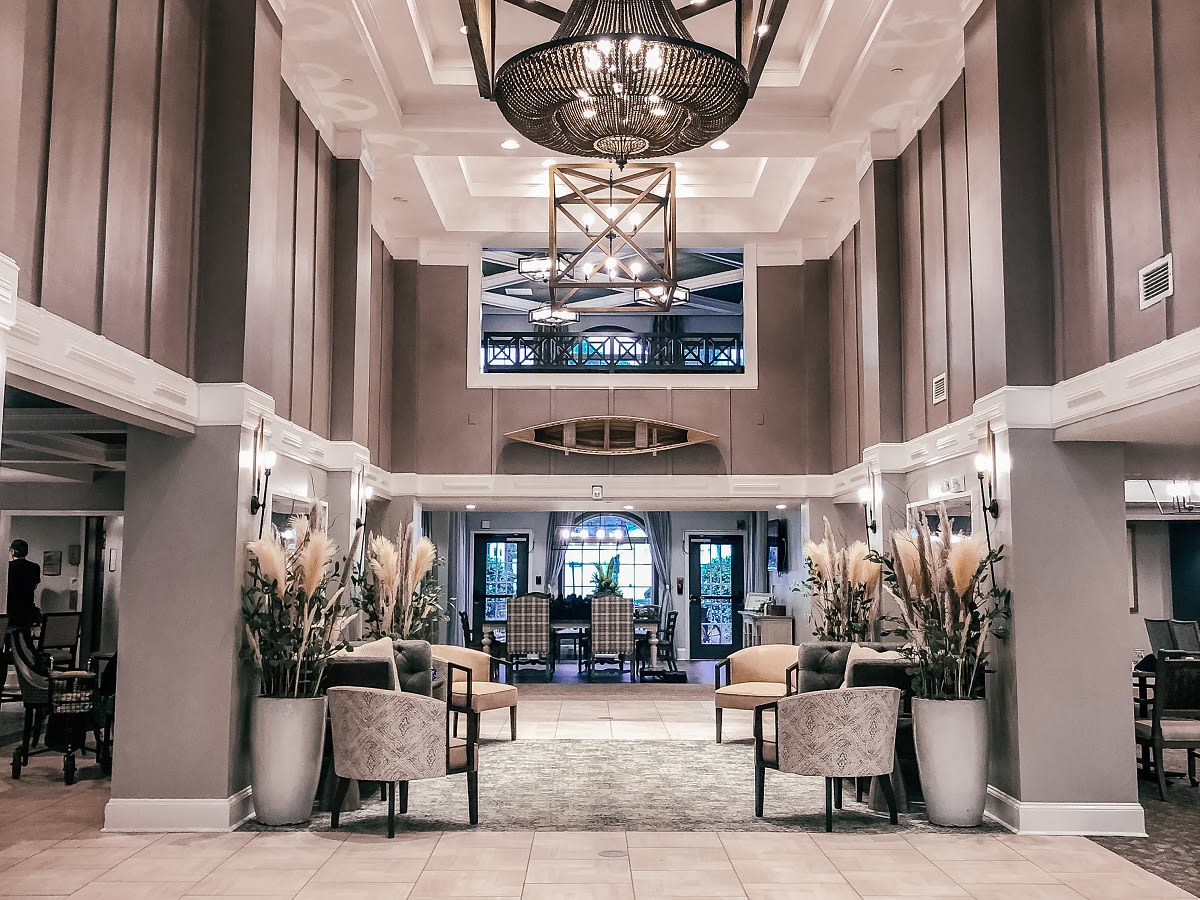
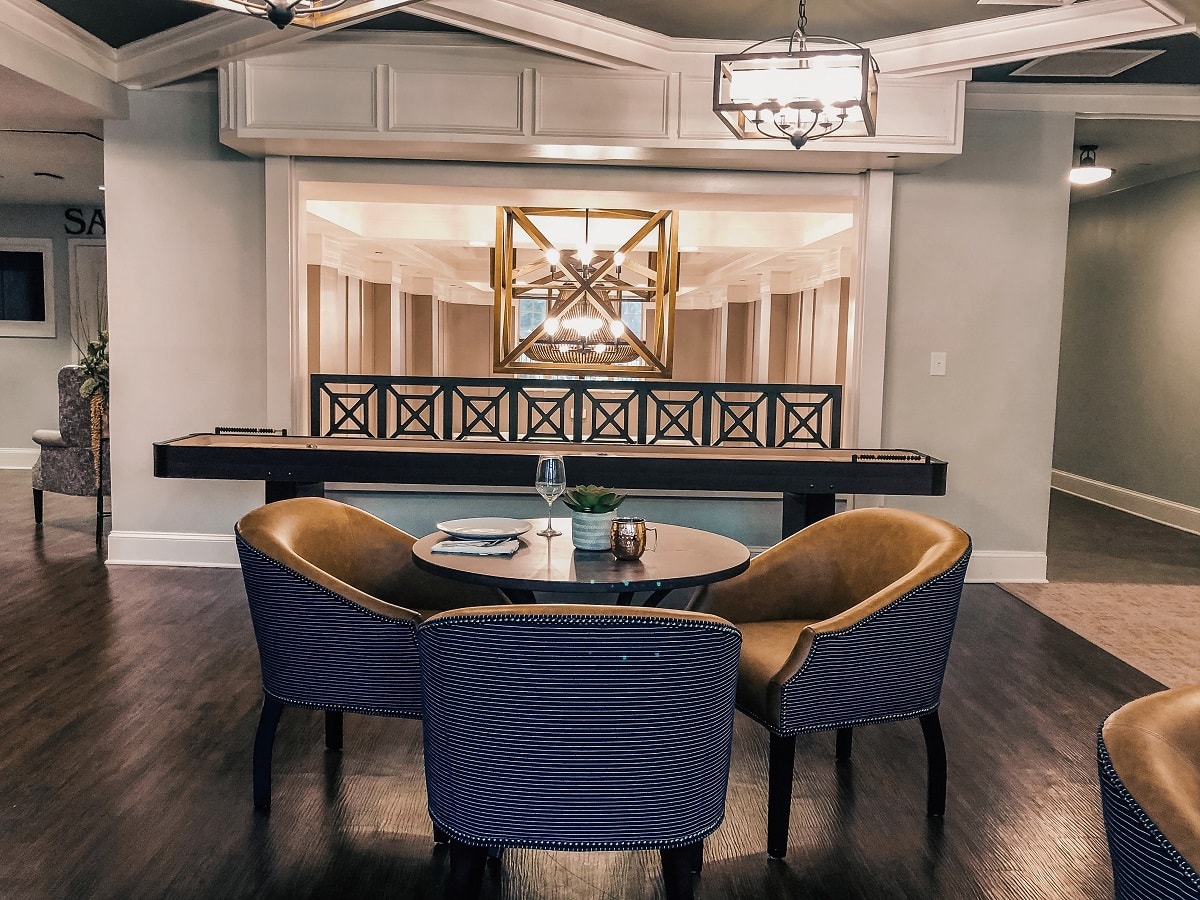
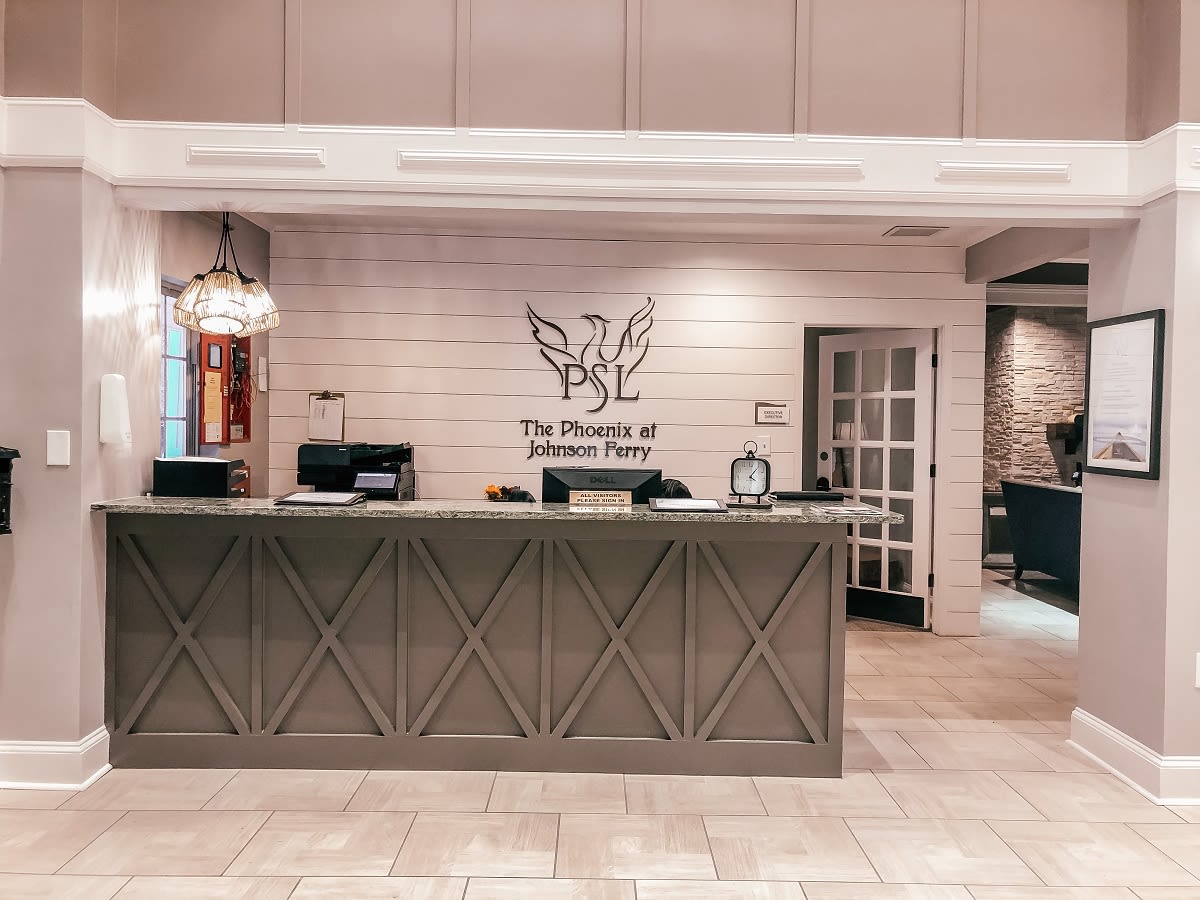
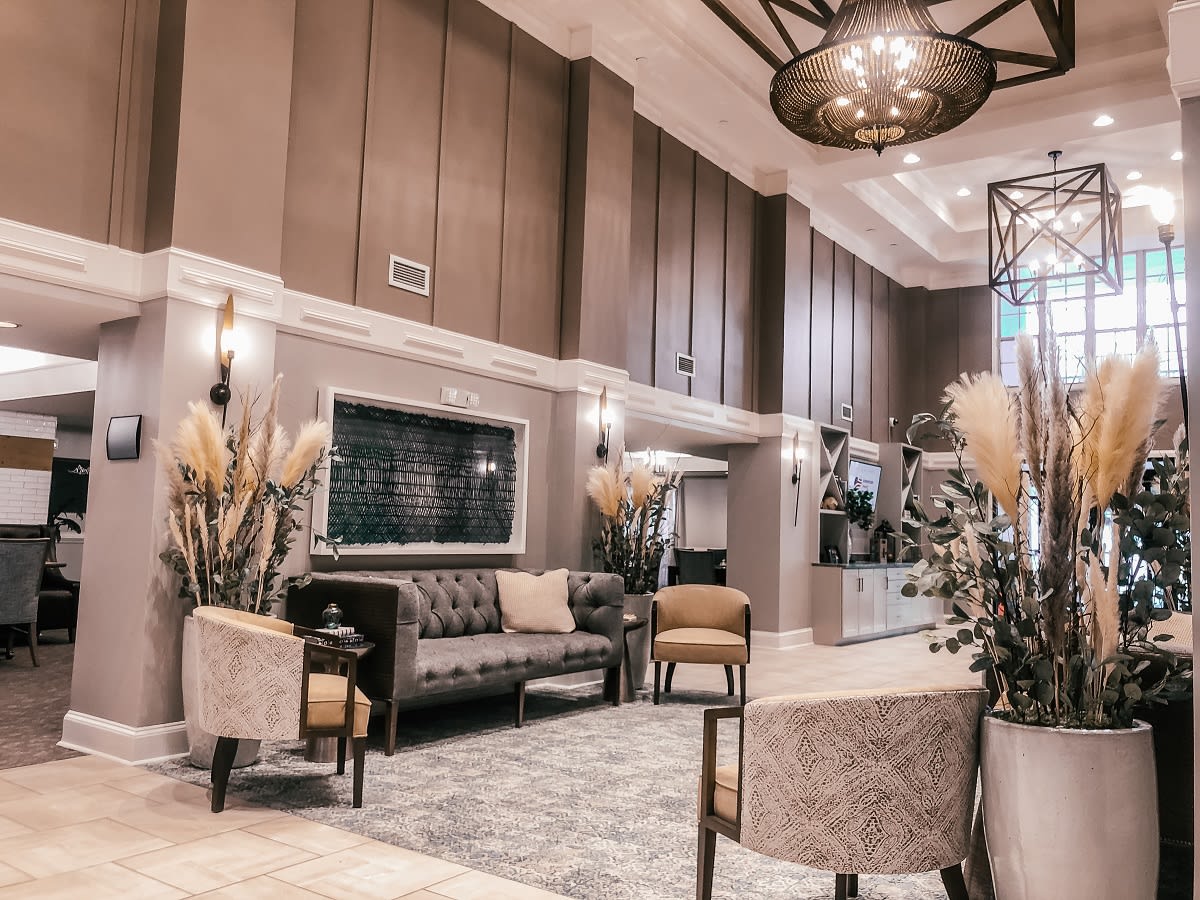
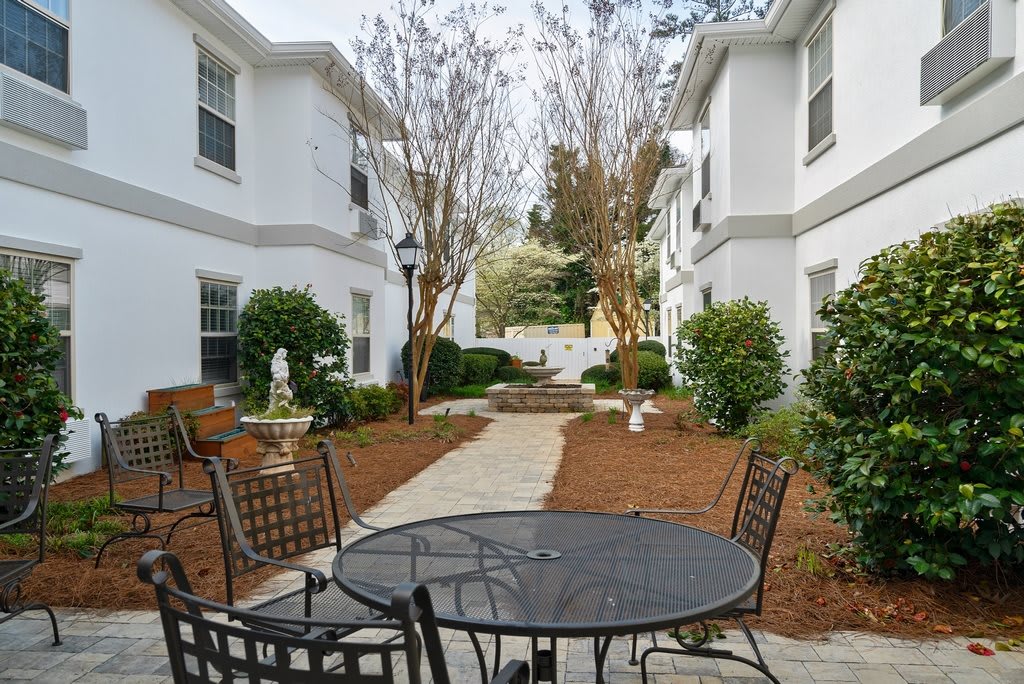
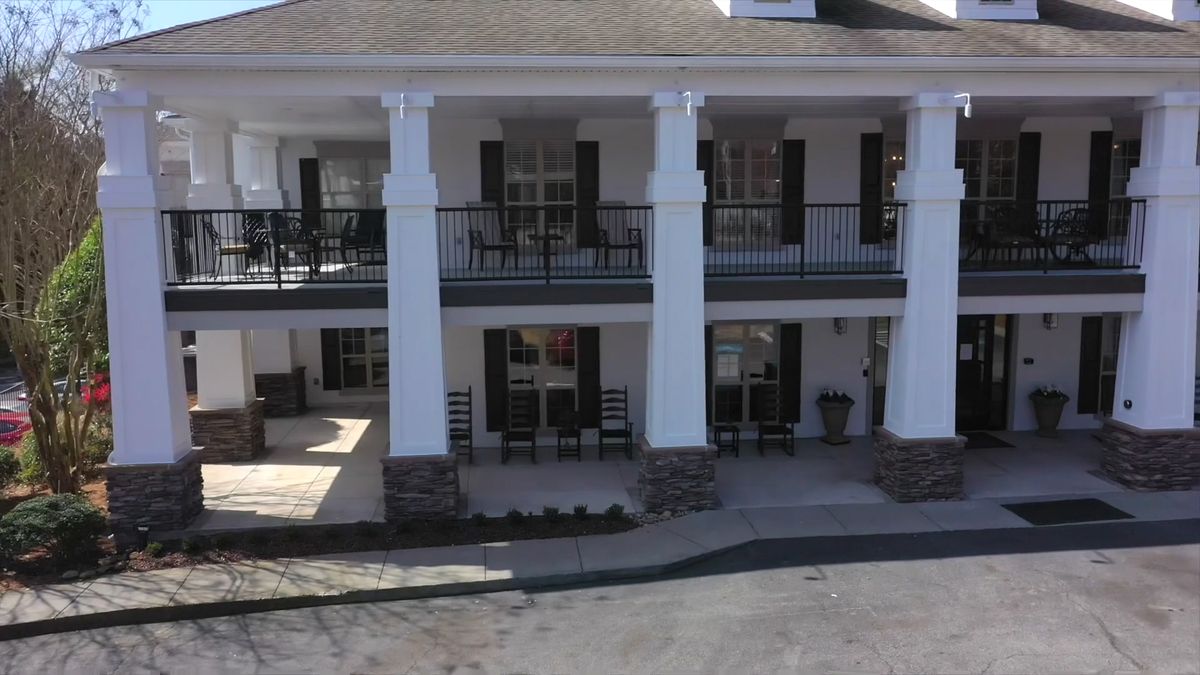
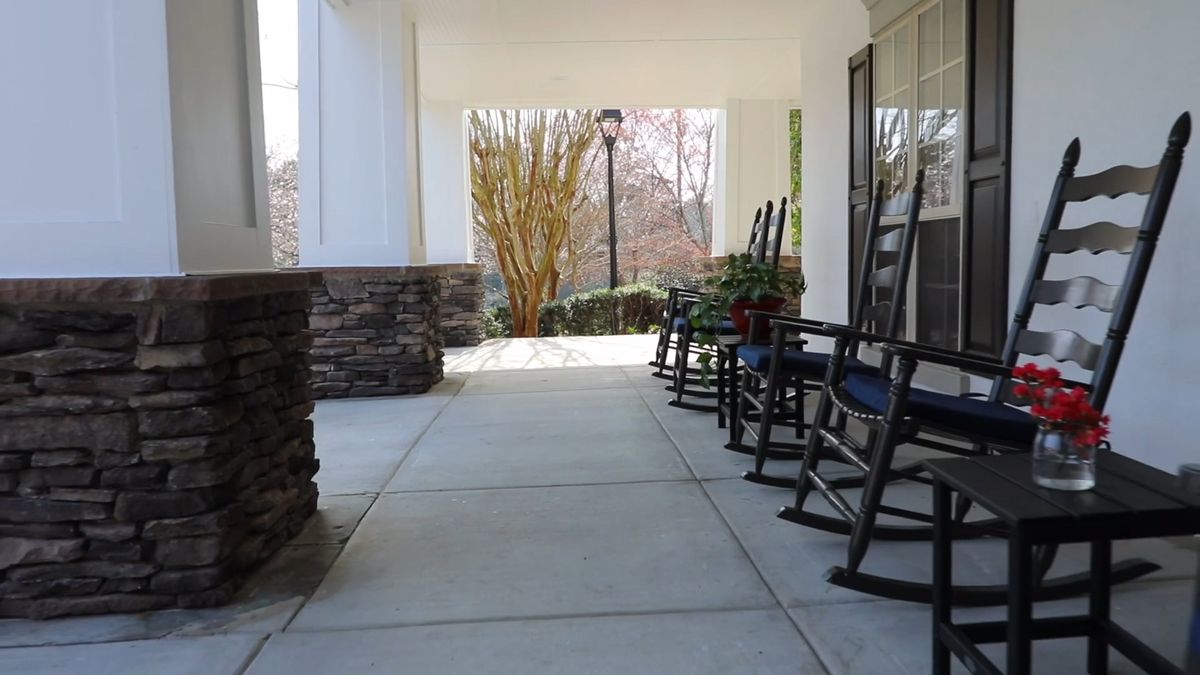
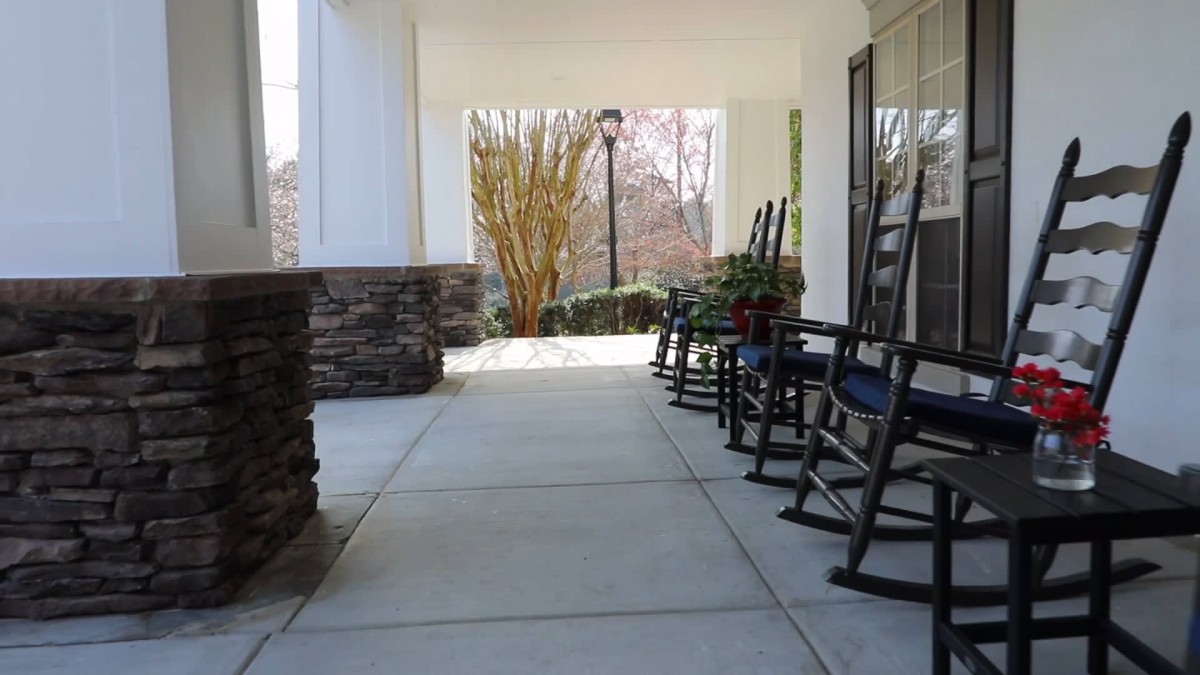
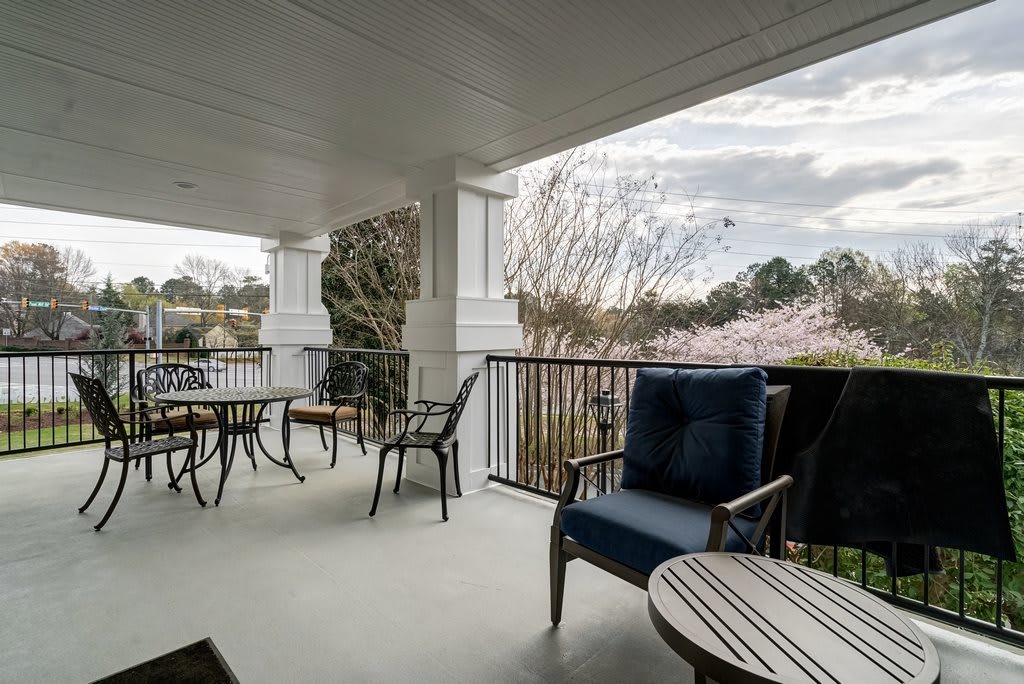
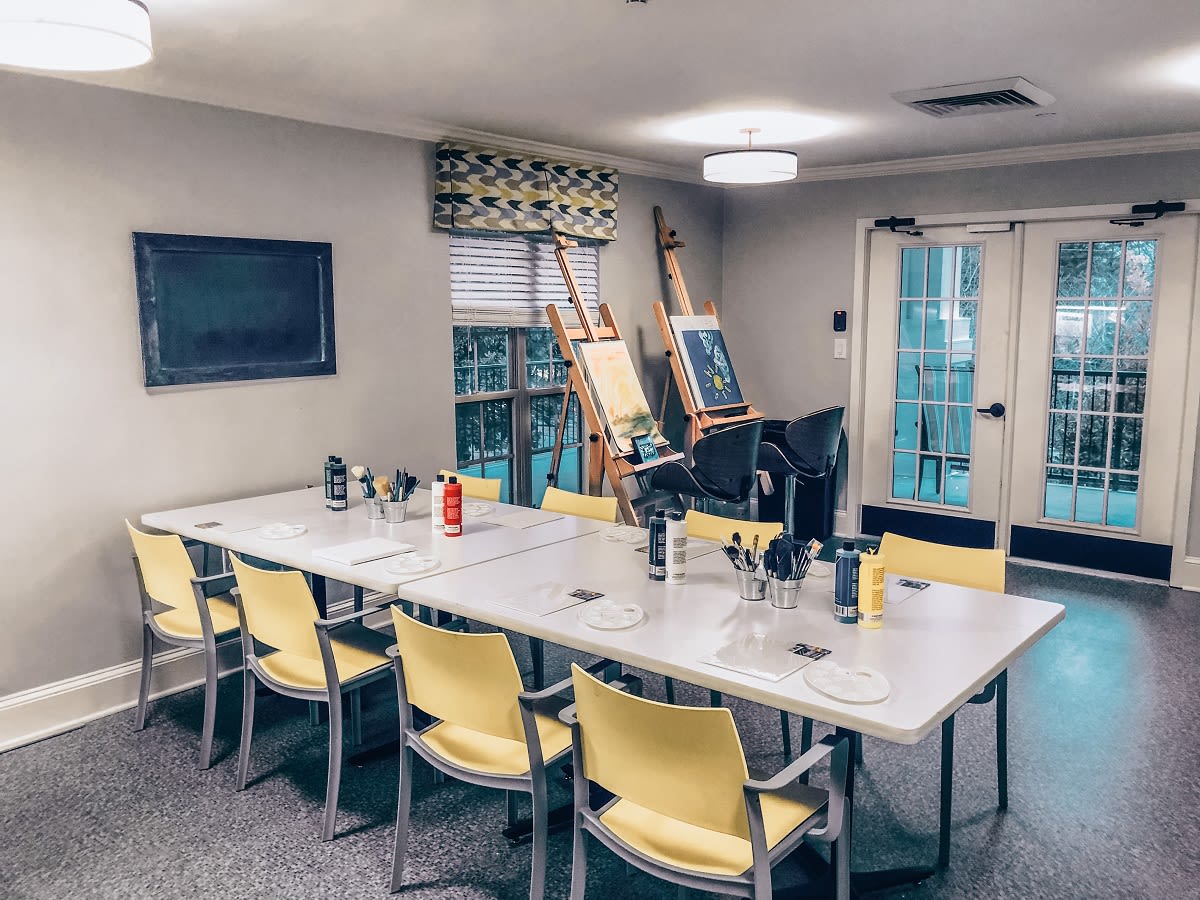
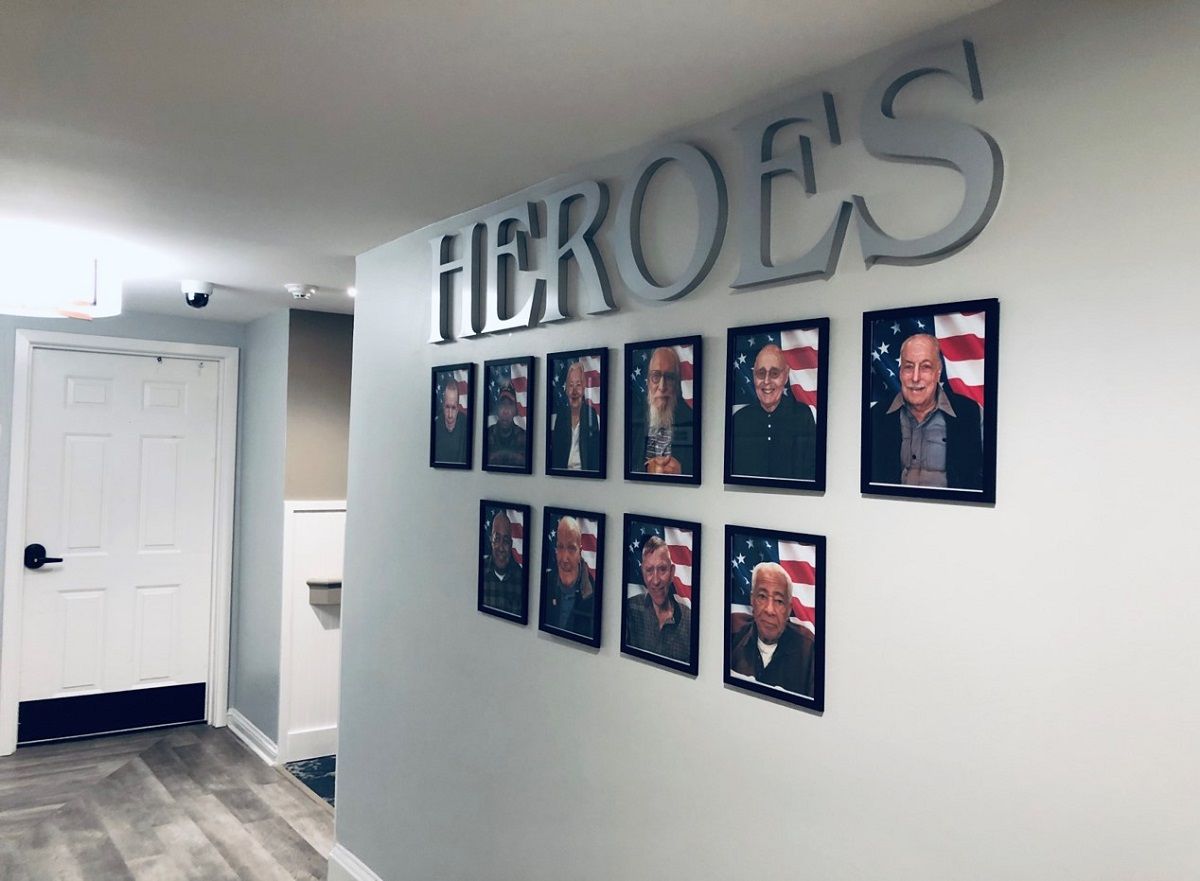
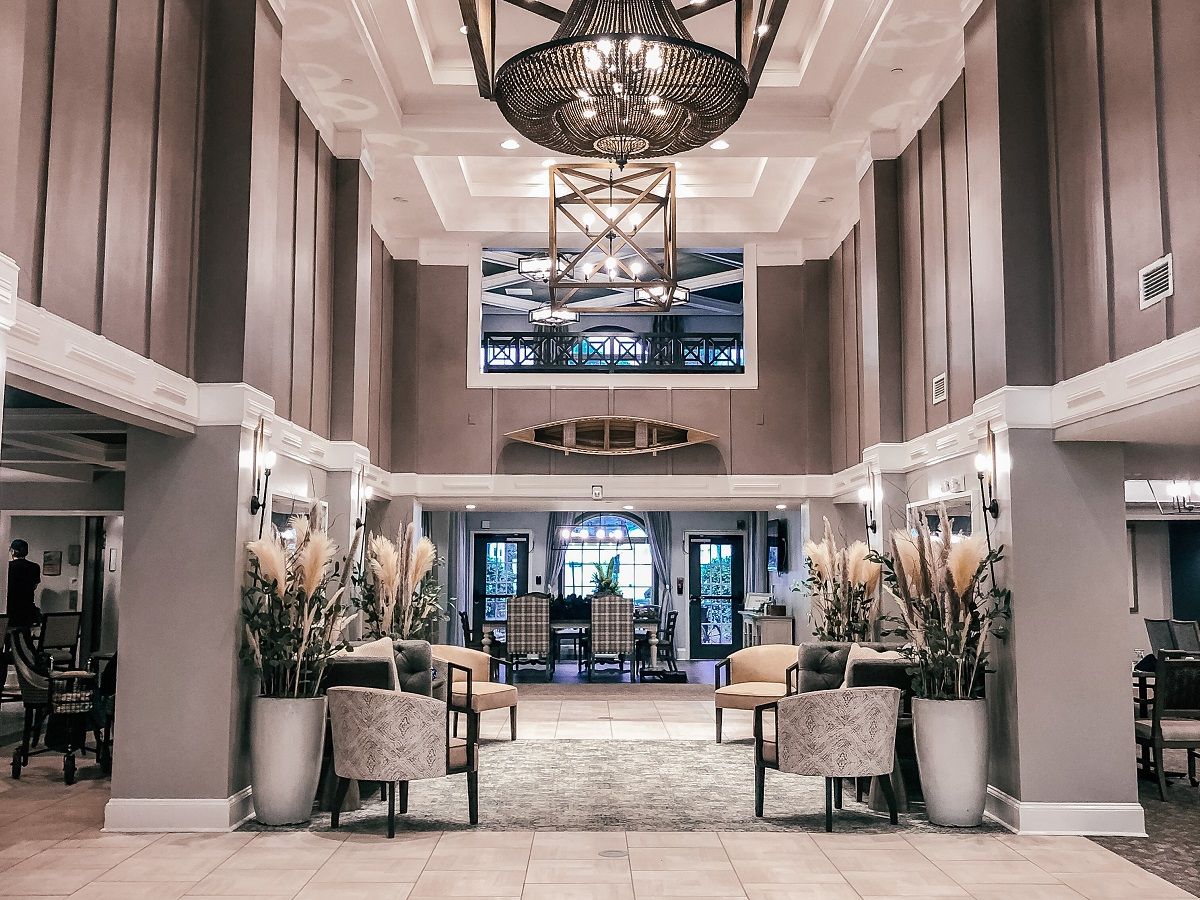
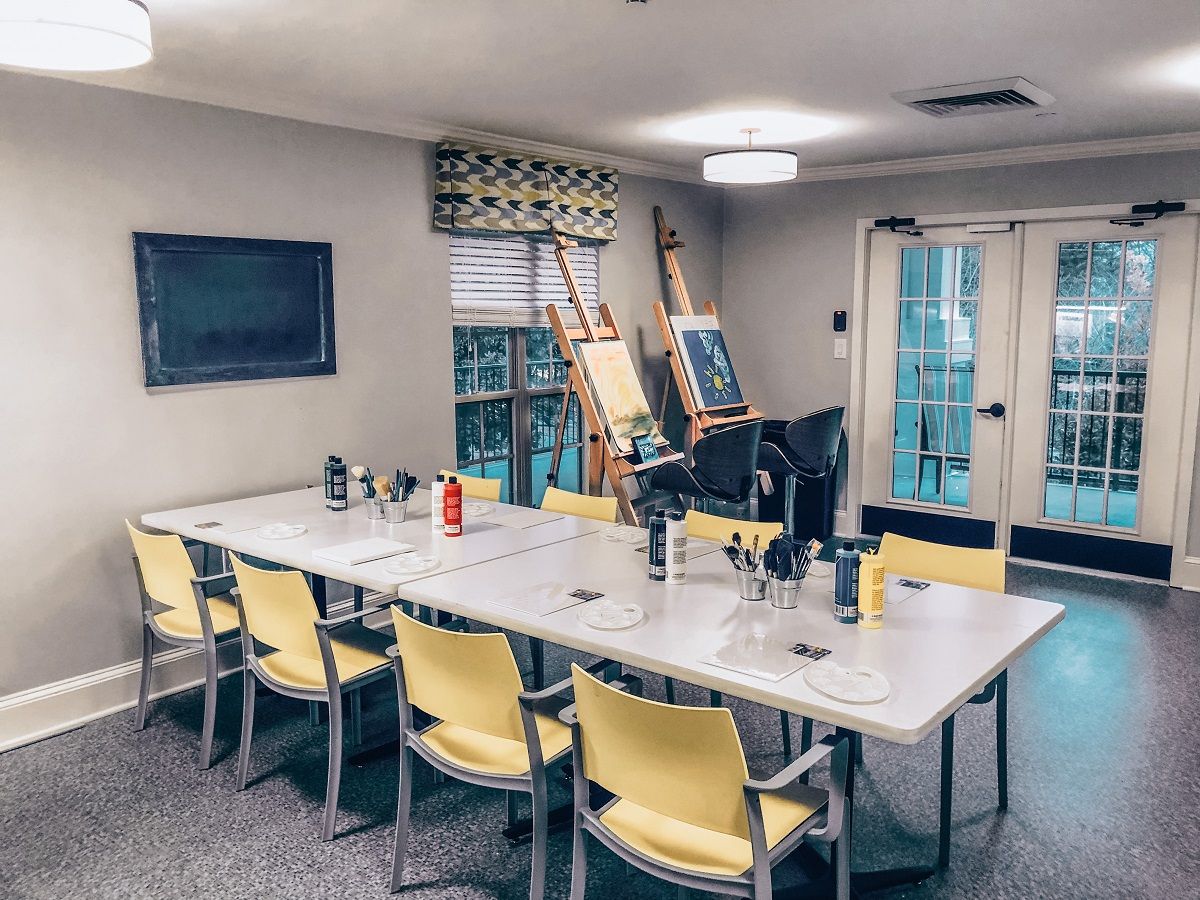
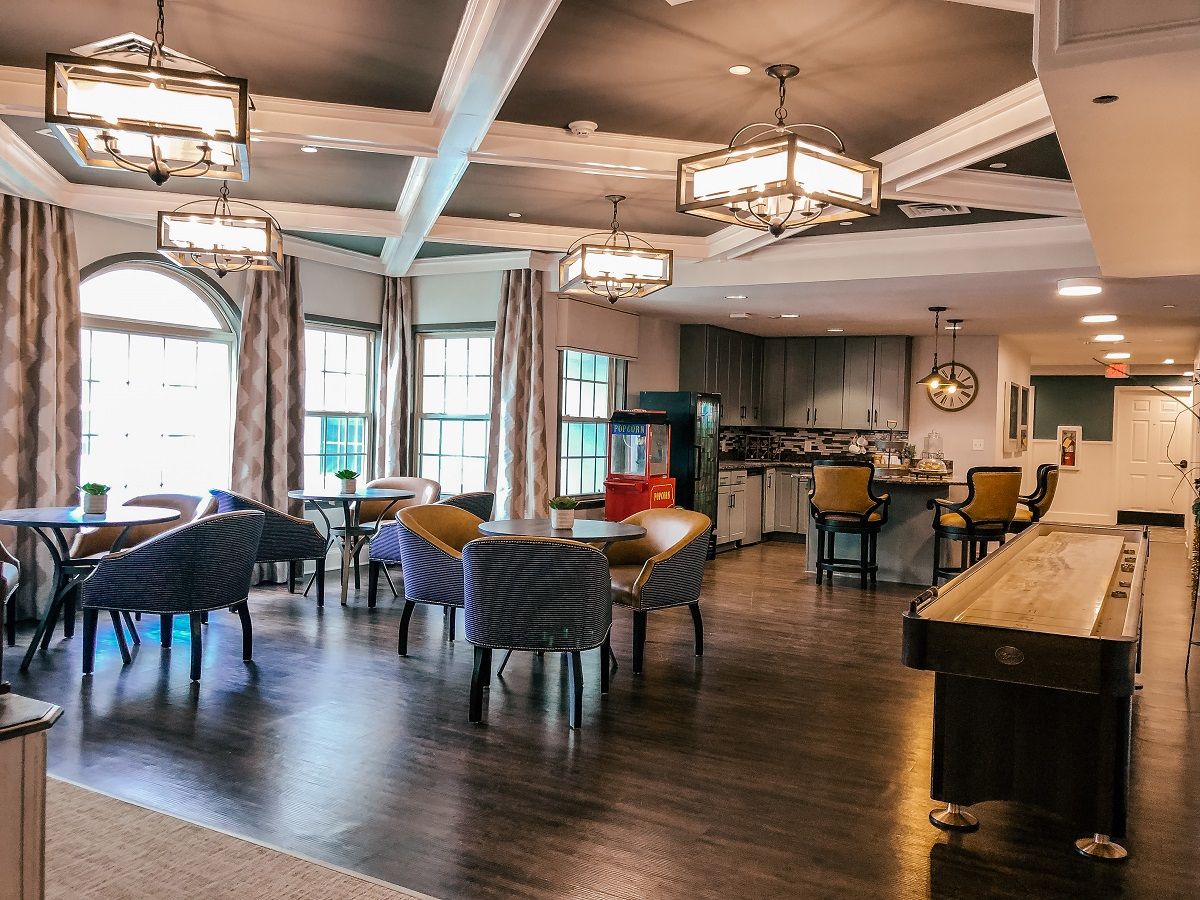
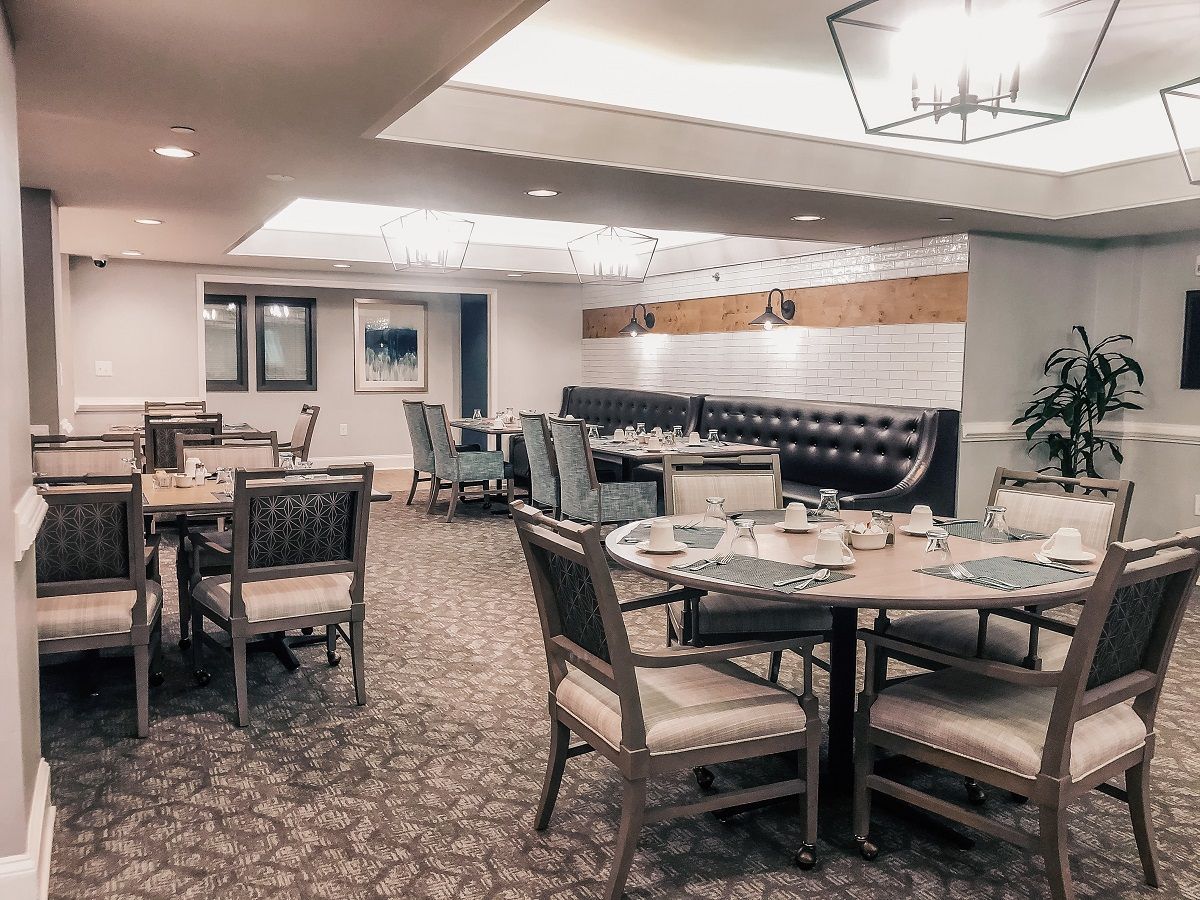
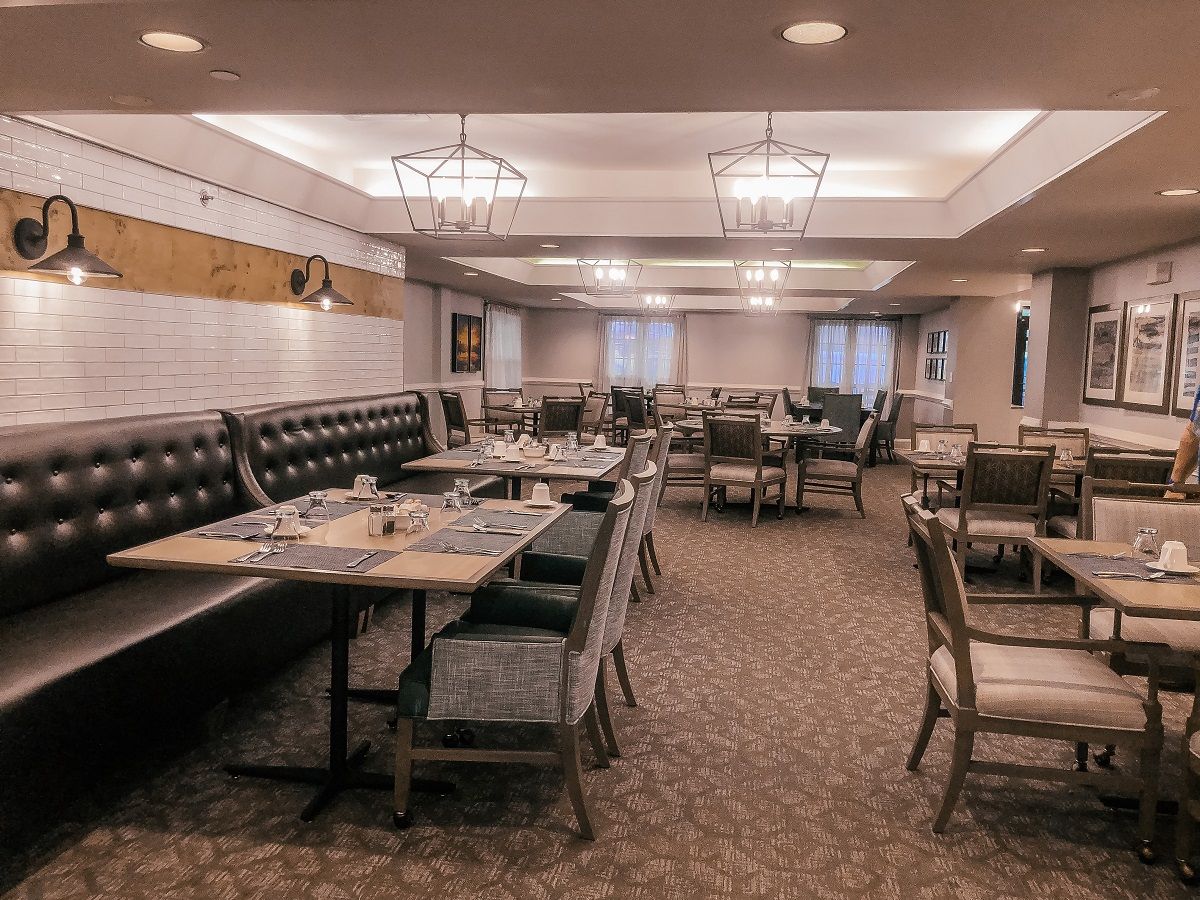
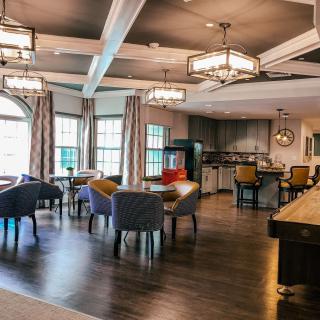
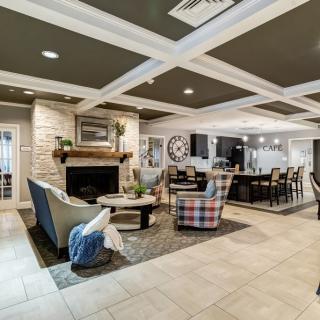
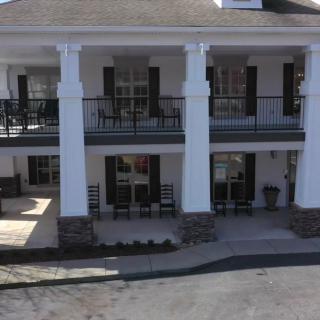
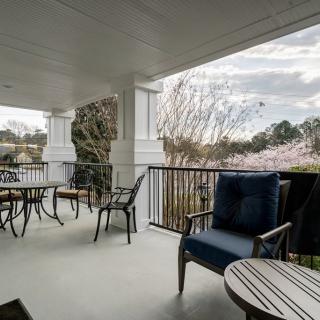
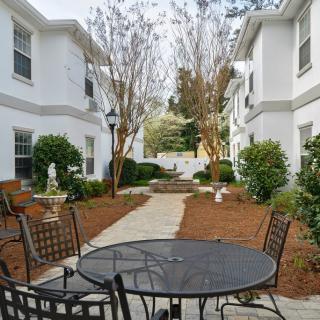
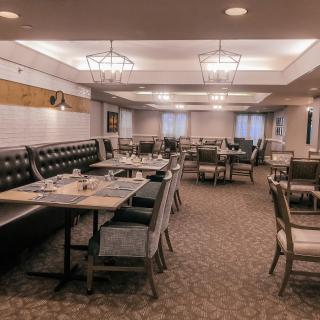
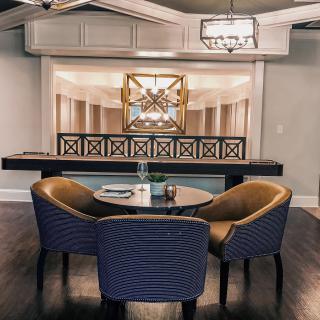
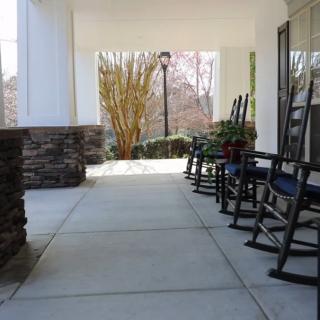
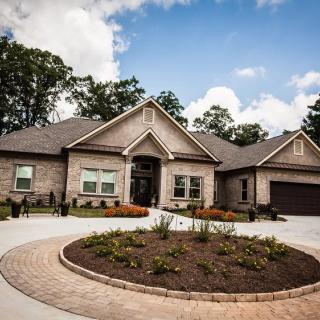
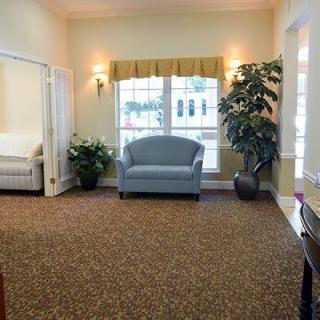
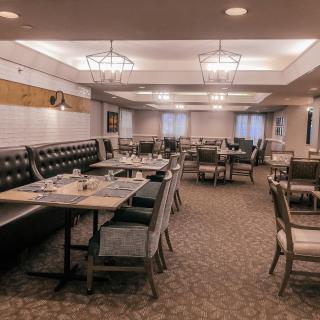
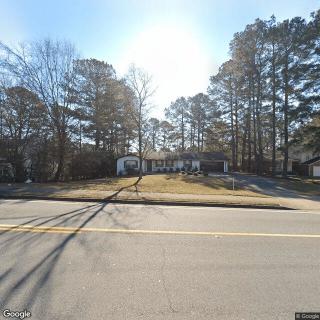
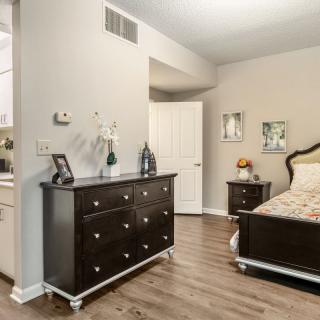
The Phoenix at Johnson Ferry on seniors.fyi includes 29 photos including images showing interior, decor, dining, architecture, lobby, building, porch, seating area, and more.
Nearby Communities
Radiance East Cobb
Marietta, GA
5 from 6 reviews
Fully furnished apartments with 24-hour supervision, meals, daily activities, and convenient on-site amenities.
Amity Care
Marietta, GA
Comprehensive assisted living with meals, personal care, medication management, and transportation.
The content outlines five key early indicators of dementia, including significant memory loss and confusion about time and place, while emphasizing the need for professional evaluation and emotional support for both individuals showing symptoms and their caregivers. It encourages family members to monitor these signs closely and use online quizzes for initial awareness.
The article highlights eight indicators that a loved one with dementia may require specialized memory care, emphasizing the emotional and logistical challenges families encounter in this decision. It discusses signs such as difficulties with daily tasks, safety concerns, and caregiver burnout, suggesting that memory care facilities can provide the necessary support and structured environments for those experiencing cognitive decline.
Dementia, primarily caused by Alzheimer's disease but also linked to other conditions, leads to cognitive decline impacting memory and daily functioning, with individuals experiencing varied awareness of their impairments. Despite memory loss, emotional connections persist, enabling responses to familiar stimuli, highlighting the need for caregivers to provide compassionate support that recognizes both limitations and retained emotional depth.
Landscaping, Pathway, Courtyard, Apartment Complex, and Shrubs
Windows
Building
Architecture
Trees
Lighting
Artwork
Chandelier
Seating Area
Patio
Lobby
Outdoor Seating
Salon and Waiting Area
Seating
Flag
Painting and Studio
Porch
Lounge and Design
Balcony
Reception
Meeting Room
Rocking Chairs
Lighting Fixtures
Deck
Lounge Area
Lighting Fixture
Additional Photos
Get PricingAsk A QuestionSchedule A TourContact Senior Advisor
By clicking submit, you agree to our Partner's Terms of Use. You
also consent to receive calls and texts, which may be autodialed, from our Partner. Your consent is not a condition to
using our Partner's service. Please visit our Partner's Privacy Policy for information about their privacy practices.











 66 resident community capacity
 1-bedroom apartments
 Assisted Living
 Memory Care
 Cats allowed
 Dogs allowed
 Activities off-site
 Air-conditioning
 Beautician on-site
 Cable or satellite TV
 Computer center
 Devotional services off-site
 Dining room
 Fitness room
 Fully furnished
 Gaming room
 Garden
 Ground floor units
 Housekeeping services
 Indoor common areas
 Kitchenette
 Move-in coordination
 Outdoor common areas
 Private bathrooms
 Respite or short term stays offered
 Restaurant-style dining
 Small library
 Telephone
 Wellness center
 Wi-Fi/high-speed internet available
 William B Hartsfield-Atlanta International (21 miles away)
 Community operated transportation
 12-16 hour nursing
 24-hour call system
 Ambulatory care
 Assistance with bathing
 Assistance with dressing
 Assistance with transfers
 Diabetes diet
 Diabetic care
 High acuity care
 Incontinence care
 Medication management
 Mental wellness program
 Special dietary restrictions
 Art classes
 Catholic services
 Concierge services
 Cooking classes
 Educational speakers / life long learning
 Planned day trips
 Visiting Rabbi
 English
 Fully furnished apartments with 24-hour supervision, meals, daily activities, and convenient on-site amenities.





 5 Early Indicators of Dementia and What You Can Do
 8 Important Indicators That Memory Care May Be Necessary
 Delving into the Inner World of Dementia: Insights into Thoughts and Awareness