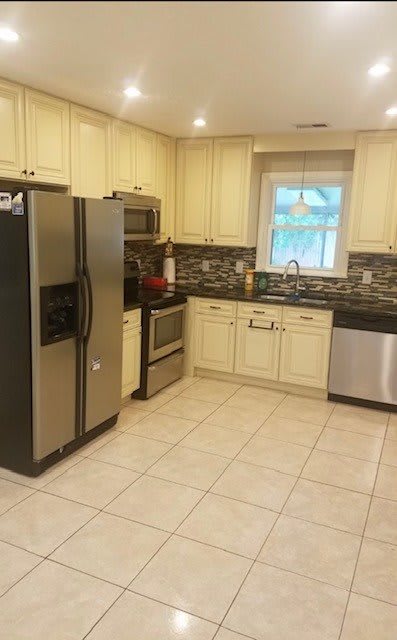
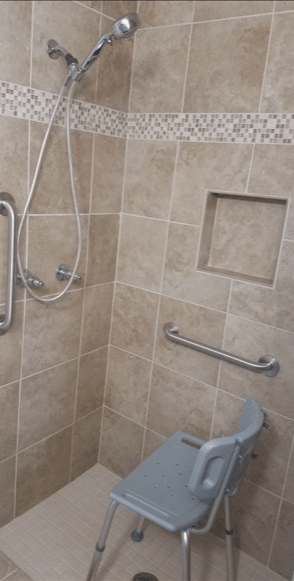
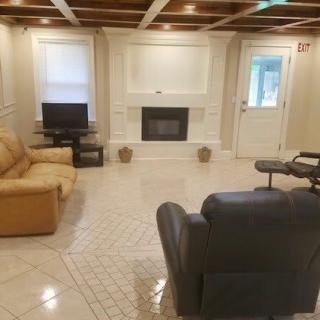
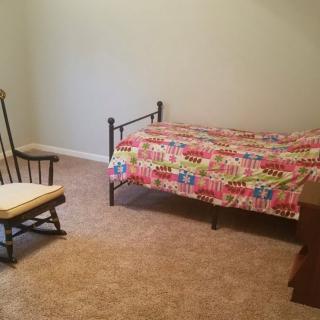
4228 Meadow Way, Marietta, GA 30066
For more information about senior living options: (866) 208-4318
Springhill Personal Care Home Costs & Pricing
Springhill Personal Care Home presents competitive pricing for its services when compared to both Cobb County and the broader state of Georgia. For a semi-private room, residents can expect to invest $3,500 per month, which significantly exceeds the county average of $2,367 and the state average of $2,529. The cost for a private room at Springhill is set at $4,500, again above the local and state averages of $2,788 and $2,864 respectively. While these rates are higher than those found in the surrounding areas, they may reflect the quality of care and amenities offered at Springhill Personal Care Home. Families considering this option should weigh the overall value against their specific needs and preferences.
| Floor plans | Springhill Personal Care Home | Cobb County | Georgia |
|---|---|---|---|
| Semi-Private | $3,500 | $2,367 | $2,529 |
| Private | $4,500 | $2,788 | $2,864 |
Assisted Living communities with a similar price nearby
-
About the same

The Cohen Home
$3,440 to $5,840 / month16.0 miles away -
from -$690 / mo
Vitality Living Milton
$2,810 to $5,515 / month14.1 miles away -
from +$525 / mo

The Arbor At BridgeMill
$4,025 to $5,715 / month8.3 miles away -
from -$600 / mo

Milton Senior Living
$2,900 to $3,200 / month14.7 miles away -
from +$395 / mo
Historic Roswell Place
$3,895 to $4,666 / month8.9 miles away
Overall Review of Springhill Personal Care Home
Pros
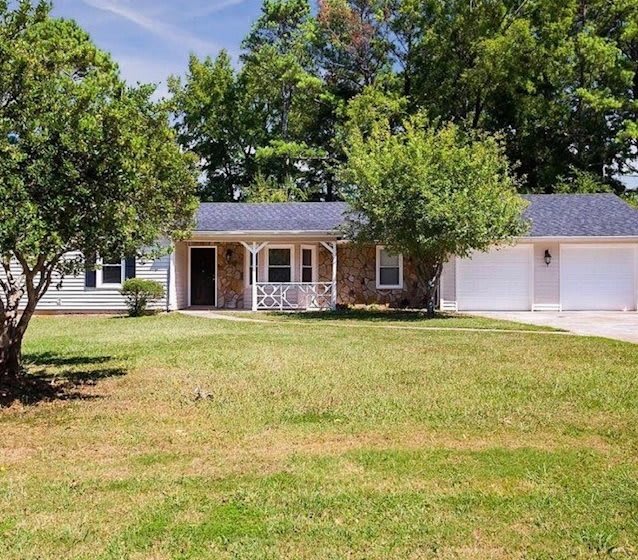
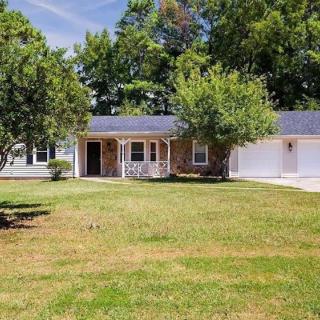
 The facility is a warm, well-maintained three-bedroom house.
- The staff are very sweet and caring.
- It is close enough for daily visits, and visitors are welcome every day.
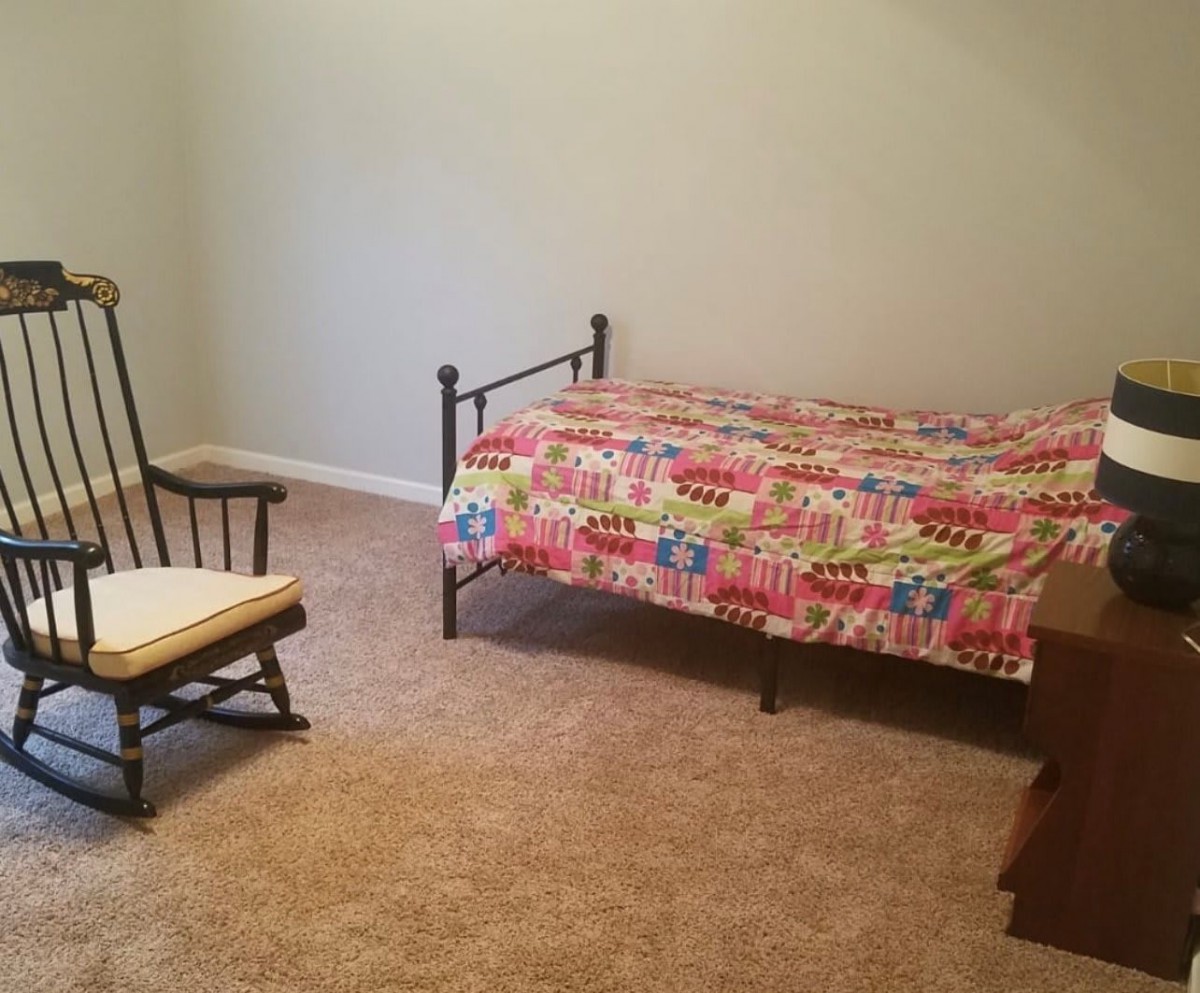
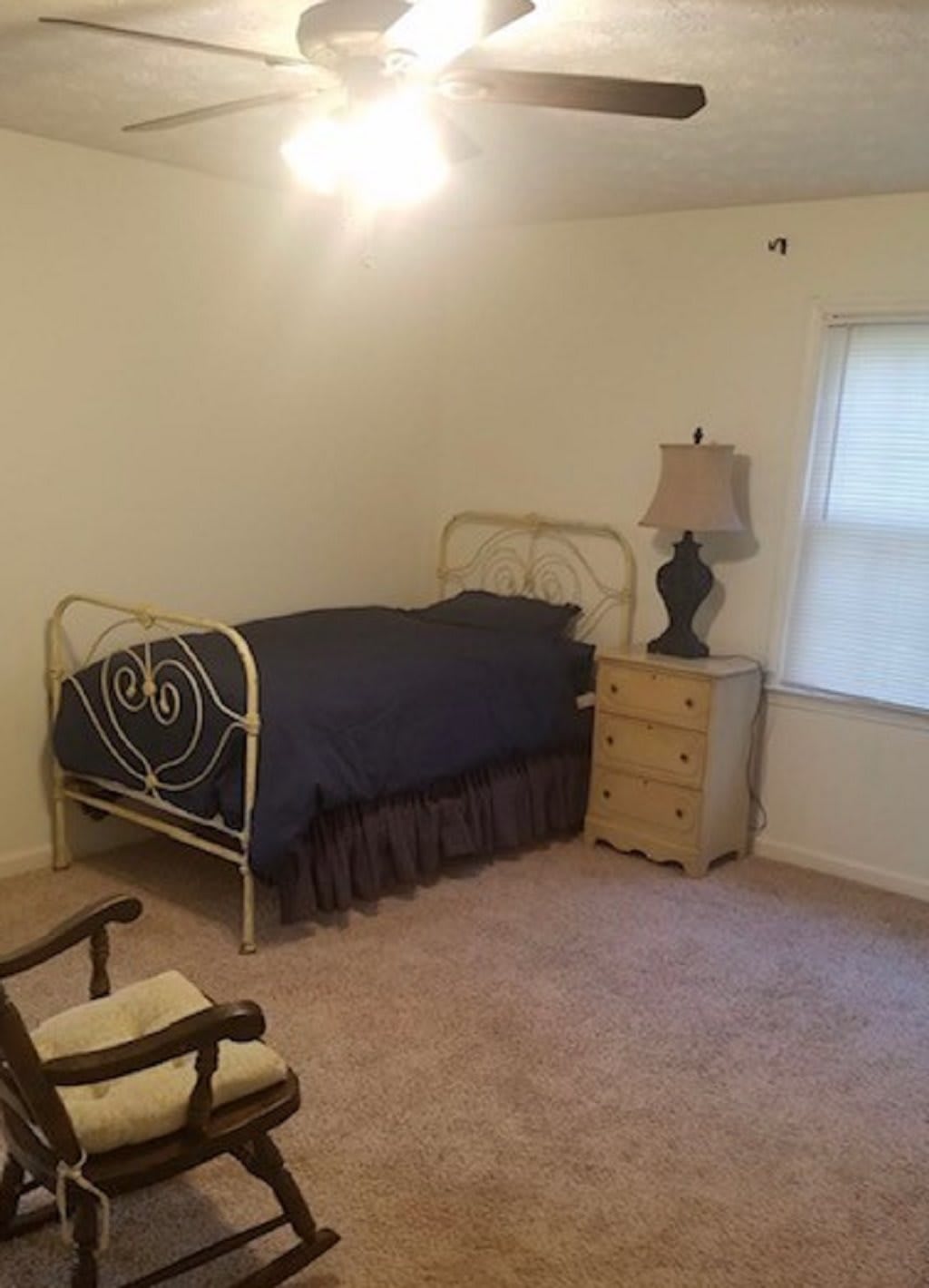
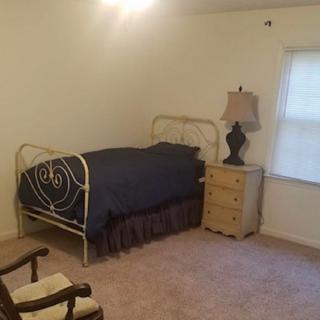
- Rooms are set up nicely with home-like touches for hospice care.
- There is a large closet for belongings and ample storage.
- The pricing is reasonable compared to other options.
- The covered back porch adds a pleasant outdoor space.
Review
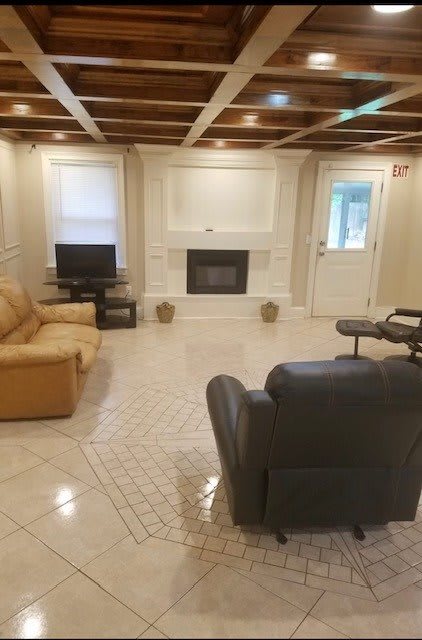
Springhill Personal Care Home in Marietta is best suited for families seeking a small, home-like setting where an aging loved one can receive intimate, hands-on care and where daily visitation feels natural and unobstructed. The property operates as a three-bedroom house that comes across as warm and well maintained, with staff described as sweet and caring. The proximity to family is a practical plus, enabling frequent visits without the logistical friction of a larger campus. For residents who thrive in a quiet, residential environment rather than a bustling senior living campus, Springhill delivers the comfort of privacy, a homelike routine, and a frontline sense that someone is watching closely in a supportive, nonclinical setting.
Those who may want to consider alternatives are families managing higher medical complexity or seeking a broader menu of on-site services. A small-house format can limit access to the formal programming and 24/7 nursing oversight found in larger assisted living or skilled nursing communities. If the resident requires comprehensive medical supervision, a wider range of specialized care, or structured activities designed for memory care, Springhill may not fulfill those needs as comprehensively. In such cases, evaluating a traditional assisted living or a facility with more robust medical staffing would be prudent to avoid gaps in care.
The strongest pros center on warmth, relationship-based care, and practical flexibility. The staff’s kindness translates into dependable, personal attention that feels attentive rather than transactional, which is crucial for hospice-adjacent care. The home atmosphere reduces the clinical feel, helping maintain dignity and comfort for a resident facing serious illness. The setup to accommodate hospice needs, such as configuring a hospital bed within a room to preserve privacy and aesthetics, demonstrates thoughtful adaptability. Easy family access for daily visits is a tangible advantage that supports emotional well-being and ongoing involvement in care decisions.
Additional advantages include the physical layout and amenities that align with a private-home model. A three-bedroom configuration supports a sense of personal space and allows caregivers to set up rooms and belongings to feel familiar and organized. The back porch, although not usable by a bedbound resident, signals a level of outdoor accessibility for others and complements a homey vibe overall. The presence of a large closet and functional furniture shows attention to practical needs, storage, privacy, and the ability to tailor the space to personal preferences. When paired with reasonable pricing, these factors combine to offset the absence of a larger, more formal community footprint.
Pricing is a meaningful differentiator here; the family notes that the cost is reasonable and implies significant savings relative to moving into a typical assisted living arrangement. If a resident’s needs are met within this smaller, more flexible model, the financial upside can be substantial, potentially several thousand dollars per month compared with larger facilities. This creates a compelling value proposition for families prioritizing comfort, continuity, and hospice-friendly adjustments over the breadth of services found in bigger settings. Still, the cost advantage should be weighed against the potential trade-offs in care coverage, programming variety, and the intensity of medical oversight.
In the end, Springhill Personal Care Home presents a practical, well-suited option for residents who want a loving, home-centered environment with easy visitation and cost-conscious care. It shines for hospice-adjacent needs and for families who value dignity, privacy, and direct access to caregivers in a small setting. For those whose loved one requires a more structured daily program, broader social activities, or robust professional medical supervision, alternatives should be explored and compared carefully. The decision hinges on balancing the comfort and intimacy of a house-based model against the level of medical support and organizational programming that best aligns with the resident’s current and anticipated needs.
 3 resident community capacity
 Assisted Living
 Board and Care Home
 Activities on-site
 Air-conditioning
 Bath tubs
 Cable or satellite TV
 Devotional services off-site
 Dining room
 Fully furnished
 Garden
 Handicap accessible
 Housekeeping services
 Indoor common areas
 Move-in coordination
 Outdoor common areas
 Private
 Private bathrooms
 Respite or short term stays offered
 Telephone
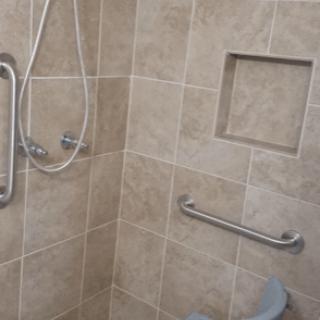
 Wheelchair accessible showers
 Wi-Fi/high-speed internet available
 24-hour supervision
 Ambulatory care
 Assistance with bathing
 Assistance with dressing
 Assistance with transfers
 Diabetes diet
 Diabetic care
 High acuity care
 Incontinence care
 Meal preparation and service
 Medication management
 Special dietary restrictions
 Transportation arrangement (medical)
 Transportation to doctors appointments
 Birthday parties
 Karaoke
 Live well programs
 Trivia games



 When to Transition from Assisted Living to Memory Care: Key Indicators, Steps, and Finding the Right Community
 Assisted Living and Memory Care: Understanding Their Core Differences
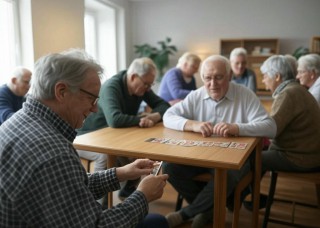 Beyond the Bingo Hall: 50+ Enriching Activities for Seniors in Assisted Living