For more information about senior living options: (866) 208-4318
4.2 from 31 reviews
5 stars
20
4 stars
4
3 stars
2
2 stars
3
1 stars
2
Dedicated Personal Care Home Costs & Pricing
When evaluating the costs associated with Dedicated Personal Care Homes in Cobb County, Georgia, it becomes evident that these facilities offer a competitive pricing structure. For semi-private rooms, the average rate at a dedicated personal care home is approximately $1,700 per month, significantly lower than the county's average of $2,367 and the state average of $2,529. Similarly, for private accommodations, residents can expect to pay around $2,000 monthly - a figure that still undercuts both Cobb County's and Georgia's respective averages of $2,788 and $2,864. This pricing advantage highlights Dedicated Personal Care Homes as an appealing option for those seeking quality care without the higher financial burden often associated with similar facilities in the region.
Floor plans
Dedicated Personal Care Home
Cobb County
Georgia
Semi-Private
$1,700
$2,367
$2,529
Private
$2,000
$2,788
$2,864
Senior living communities with a similar price nearby
from -$200 / mo
Americare Group
5 from 48 reviews
$1,500 / month
24.2 miles away
from -$200 / mo
Yellow Rose at Worley
4.9 from 14 reviews
$1,500 to $2,000 / month
1.9 miles away
from -$200 / mo
Ivy Spring Retirment Cottage
4.9 from 50 reviews
$1,500 / month
8.7 miles away
About the same
Park at Johns Creek
4.8 from 158 reviews
$1,715 to $2,115 / month
21.4 miles away
from -$200 / mo
Circle of Family Care
4.8 from 118 reviews
$1,500 / month
5.3 miles away
Overall Review of Dedicated Personal Care Home
common18 reviews mention this
Compassionate, attentive caregivers
Caregivers are repeatedly described as kind, respectful, and genuinely focused on residents.
Many reviews highlight staff who are gracious and compassionate, with families saying they felt their loved ones were treated with respect. Several people also describe personal attention and consistent communication, including updates when they couldn’t visit. A few reviews are more mixed, noting too little engagement or that care did not match expectations, but even those comments still reference the day-to-day staffing presence.
common7 reviews mention this
Clean, well-kept setting
Multiple residents and families mention a consistently clean, well-maintained environment.
Cleanliness comes up often, with reviewers describing a spotless facility and reporting that it stays neat and odor-free. Several comments also tie cleanliness to how residents are cared for, including people saying their loved ones were kept clean and comfortable. Even a critical review acknowledges the place was kept clean at times, while focusing complaints on other aspects of care.
common4 reviews mention this
Food residents look forward to
Meals are frequently described as good, homemade, and something residents enjoy.
Food shows up as a bright spot in reviews, including mentions of meals being good and residents loving the food. One review describes homemade meals prepared fresh daily with weekly menus. Another review echoes the home-cooked feel, reinforcing that dining quality is part of what families notice day to day.
differentiator5 reviews mention this
Higher-support personal care
Families mention support for significant mobility and health needs, including non-ambulatory care and late-stage comfort.
Several reviews describe residents needing substantial assistance and say staff handled those situations with care. People mention non-ambulatory support and day-to-day help, along with comfort-focused care during late-stage time. One review also describes a discharge situation involving outside 24-hour care requirements, which reinforces how care intensity and planning can matter for families when needs are high.
caveat2 reviews mention this
Attention and medication follow-through
A couple of reviews raise concerns about resident engagement and medication consistency.
Two reviews describe problems with how often residents were attended to, including comments about residents being left alone for long stretches. Both also point to breakdowns that go beyond general service preferences, with one specifically mentioning medication not being kept up. These issues stand out because most other reviews describe frequent personal attention and dependable care.
How we summarize
Counts show how many written reviews mention each theme; a review can touch several themes, and only frequently mentioned themes are displayed.
Features
Types of Care
Board and Care Home
Pets
Cats allowed
Dogs allowed
Amenities
Activities off-site
Activities on-site
Bath tubs
Beautician on-site
Devotional services off-site
Devotional services on-site
Indoor common areas
Outdoor common areas
Private
Private bathrooms
Respite or short term stays offered
Swimming pool / hot tub
Wheelchair accessible showers
Care Services
Ambulatory care
High acuity care
Incontinence care
Dining
Kosher
Meals provided
Vegetarian
Activities
Activities off-site
Activities on-site
Adventist services
Buddhist services
Christian services
Devotional activities offsite
Devotional activities on-site
Islamic services
Nearby Places of Interest
This part of Marietta, Georgia offers a variety of conveniences and amenities that may appeal to seniors looking for a comfortable and convenient living environment. With several pharmacies nearby, accessing medication and healthcare services is easily accessible. There are also numerous dining options ranging from fast food to Italian cuisine, providing plenty of choices for meals. In terms of recreation, there are several parks in the area for outdoor activities and relaxation. In addition, there are theaters for entertainment and various medical facilities including imaging centers, dermatology practices, and orthopedic clinics. The presence of places of worship further adds to the community feel of the area. Overall, this part of Marietta provides a well-rounded environment that caters to the needs and interests of seniors seeking a vibrant yet tranquil lifestyle.
Pharmacies
CVS Pharmacy (0.7 miles)
Walgreens (1.8 miles)
Walgreens (2.5 miles)
CVS Pharmacy (2.7 miles)
Pharmacy Partners Of Ga (3.1 miles)
Orchard Square Holding (3.5 miles)
CVS Pharmacy (3.5 miles)
Restaurants
Cheeseburger Bobby's (0.9 miles)
Taco Bell (1.2 miles)
McDonald's (1.3 miles)
Frankies Italian Ristorante and Pizzeria (1.4 miles)
Johnboy's Home Cooking (1.5 miles)
Laredos Mexican Bar & Grill (1.9 miles)
Golden Corral (1.9 miles)
Parks
Shaw Park (1.5 miles)
Aviation Park Kennesaw (2.3 miles)
Laurel Park (4.5 miles)
Harrison Park (4.6 miles)
Adams Park (4.9 miles)
Woofstock Park (6.2 miles)
Swift-Cantrell Park (6.5 miles)
Theaters
AMC Barrett Commons 24 (2 miles)
Physicians
Piedmont Imaging Center (2.1 miles)
Marietta Dermatology & the Skin Cancer Center (2.5 miles)
When evaluating the costs associated with Dedicated Personal Care Homes in Cobb County, Georgia, it becomes evident that these facilities offer a competitive pricing structure. For semi-private rooms, the average rate at a dedicated personal care home is approximately $1,700 per month, significantly lower than the county's average of $2,367 and the state average of $2,529. Similarly, for private accommodations, residents can expect to pay around $2,000 monthly - a figure that still undercuts both Cobb County's and Georgia's respective averages of $2,788 and $2,864. This pricing advantage highlights Dedicated Personal Care Homes as an appealing option for those seeking quality care without the higher financial burden often associated with similar facilities in the region.
Palliative care focuses on alleviating distress at any stage of a serious illness and can accompany curative treatments, while hospice care is for those nearing the end of life with a prognosis of six months or less, emphasizing comfort over curative measures. Both prioritize holistic care for patients and families but differ in timing, goals, and scope.
Fecal incontinence, prevalent among older adults, arises from factors like weakened pelvic muscles and nerve damage, significantly affecting well-being and social interactions. Diagnosis involves clinical evaluation and tests to inform tailored treatments, while caregivers and preventive measures can aid in managing the condition effectively.
Anticipatory grief is an emotional response to the impending loss of a loved one, characterized by complex emotions such as sadness and anger, and involves navigating stages similar to those identified by Kübler-Ross. Coping strategies are vital for managing this process, emphasizing compassionate communication, self-care, and support groups while recognizing the cultural influences on grieving.
Get PricingAsk A QuestionSchedule A TourContact Senior Advisor
By clicking submit, you agree to our Partner's Terms of Use. You
also consent to receive calls and texts, which may be autodialed, from our Partner. Your consent is not a condition to
using our Partner's service. Please visit our Partner's Privacy Policy for information about their privacy practices.


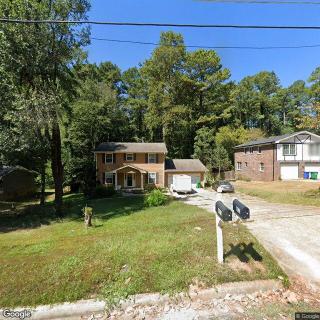
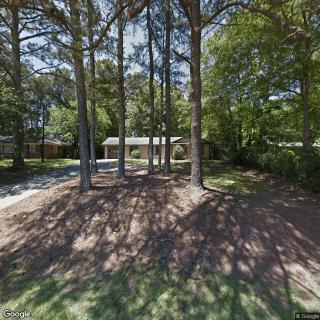
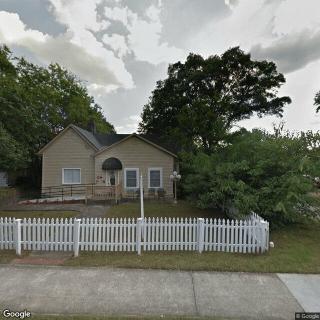


 Board and Care Home
 Cats allowed
 Dogs allowed
 Activities off-site
 Bath tubs
 Beautician on-site
 Devotional services off-site
 Indoor common areas
 Outdoor common areas
 Private
 Private bathrooms
 Respite or short term stays offered
 Swimming pool / hot tub
 Wheelchair accessible showers
 Ambulatory care
 High acuity care
 Incontinence care
 Kosher
 Adventist services
 Buddhist services
 Islamic services
 Small, personalized environment with all-inclusive assisted living services (24/7 supervision, ADL support, meals, housekeeping, and healthcare coordination).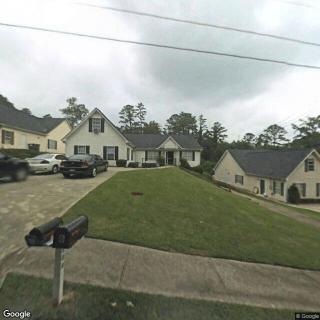

 Understanding the Nuances of Palliative Care and Hospice: A Comprehensive Exploration
 Fecal Incontinence in Older Adults: A Comprehensive Guide
 Recognizing the Journey: Understanding and Navigating Anticipatory Grief