
Crutchfield Personal Home Care

Save
Crutchfield Personal Home Care Crutchfield Personal Home Care

Crutchfield Personal Home Care

4826 Chapelle Ct, Marietta, GA 30066

For more information about senior living options: (844) 490-3973

5 from 1 review
Assisted Living Board and Care Home

Crutchfield Personal Home Care Costs & Pricing

Crutchfield Personal Home Care offers competitive pricing for its services, with monthly costs that reflect quality care tailored to individual needs. For a semi-private room, the rate is set at $2,500, which is slightly above the average cost in Cobb County ($2,367) but remains below the state average for Georgia ($2,529). In the case of private rooms, Crutchfield's charge of $3,000 positions it slightly higher than both local and state averages - Cobb County at $2,788 and Georgia at $2,864. These pricing structures indicate Crutchfield's commitment to providing a nurturing environment while also aligning closely with regional market rates.

Floor plansCrutchfield Personal Home CareCobb CountyGeorgia
Semi-Private$2,500$2,367$2,529
Private$3,000$2,788$2,864

What level of care are you interested in?

Assisted Living

Memory Care

Independent Living

Skilled Nursing Facility

Continuing Care Retirement Community (CCRC)CCRC

Other


Request a tour at Crutchfield Personal Home Care

    Overall Review of Crutchfield Personal Home Care

    Pros

    • pro They chose the facility for its proximity and affordable monthly price for mom.
    • pro It provides excellent care.

    Cons

    • pro The facility did not provide enough interaction for an active mom.
    • pro The family had to move mom back home because she needed more engagement.

    Review

    We chose a care option for mom largely because it was conveniently close to where life happens every day and because the monthly price fit comfortably into what we could manage. The decision wasn't made in a vacuum; it was a careful calculation of practical realities - the need to relieve our own schedules and responsibilities while still ensuring someone would be there for mom on a regular basis. Proximity mattered not only for us but for mom as well, giving her a sense of familiarity and a quicker path to regular visits from various family members. In that sense, the move felt like a prudent compromise: a place where she could receive support without us having to go far out of the way.

    From our perspective, the care at the facility was consistently described as excellent. The staff's attention and the overall approach to mom's day-to-day needs left a positive impression. We felt confident that she was being looked after with care and respect, and that the routines and safety measures were solid. It wasn't just about meeting basic needs; there was a clear impression that the people there were genuinely trying to create a supportive, reassuring environment for her. For families evaluating options, that kind of dependable care quality can be a critical factor when deciding whether a location might be right for a loved one.

    Yet even as we recognized the strong points in the care offered, we also encountered a reality that mattered deeply for mom's well-being: she was a little more active than the typical resident of the facility and needed more interaction to feel engaged and fulfilled. Our mom thrived on conversation, stimulation, and meaningful activities, and while the staff did their best to accommodate, there was an inherent limitation in any setting that hosts many residents with varying needs. The level of social engagement and interactive opportunities simply didn't align perfectly with mom's energetic temperament and her desire for ongoing connection and activity. In such cases, the best fit isn't only about how well someone is cared for at the moment, but about how well their daily life remains richly engaging over time.

    That misalignment between mom's need for interaction and what the environment could sustain led us to reevaluate the arrangement. Because we had chosen the facility in large part for its proximity and cost, we could see a path forward that would still honor those priorities while better supporting mom's active style. In practice, that meant considering a transition that would keep her within reach of family members and familiar routines, without compromising the care she so deserved. The possibility of moving her back home became a viable option precisely because of those practical anchors - nearby location and affordable care - that had drawn us to the arrangement in the first place.

    The decision to move mom home was not taken lightly. It involved thoughtful planning about how to maintain a safe and stimulating daily life outside of a formal care setting. We looked at what home-based support would entail, how to coordinate visits and in-home assistance, and how to preserve the sense of security and continuity she valued. The outcome felt like a rebalancing rather than a retreat: we could preserve the sense of closeness and accessibility that mattered to our family, while ensuring mom stayed engaged in a way that matched her energy level. It was a reminder that care decisions are often about finding the right mix of location, cost, and personal compatibility with a loved one's temperament and preferences.

    In the end, the experience underscored a crucial truth about care planning: the best choice isn't solely about the highest level of medical care or the most polished facility. It's about how well the environment supports a person's day-to-day life, how easily families can stay involved, and how sustainable a given arrangement is in the long term. Proximity to home can dramatically shape a family's ability to visit, participate, and respond to changing needs. Similarly, affordability ensures that care remains a viable option rather than a short-term solution that becomes financially burdensome. When these factors align with a loved one's personality and activity requirements, the result can feel like the right balance between safety, connection, and independence.

    Ultimately, we came away with a nuanced appreciation for the complexity of choosing elder care. The facility earned praise for its excellent level of care, which offered comfort and consistency. At the same time, mom's need for more interaction highlighted how critical it is to match the environment to an individual's vitality and interests. By prioritizing proximity and affordability, we kept the door open for flexible arrangements that could evolve as mom's needs changed. Moving her back home wasn't a step back; it was a thoughtful adjustment that respected both her well-being and our family's capacity to support her.

    Features

    Housing

    • 3 resident community capacity 3 resident community capacity

    Types of Care

    • Assisted Living Assisted LivingAssisted living facilities provide crucial support and care for seniors who may need help with daily tasks such as medication management, bathing, and meal preparation. These communities offer a safe and comfortable environment where seniors can maintain their independence while receiving the assistance they need to thrive in their golden years.
    • Board and Care Home Board and Care HomeBoard and care homes provide a smaller, more intimate setting for seniors who require assistance with daily tasks but do not need the level of care offered by a nursing home. They offer personalized care, meals, and social activities in a homelike environment, ensuring that seniors receive individualized attention and support in their golden years.

    Amenities

    • Activities off-site Activities off-siteEngaging in off-site activities is crucial for seniors to maintain social connections, stay active, and stimulate their minds. It promotes overall well-being and helps combat feelings of isolation and loneliness.
    • Activities on-site Activities on-siteActivities on-site are important for seniors because they provide opportunities for socialization, mental stimulation, physical activity, and overall well-being. Engaging in activities can help seniors stay active, maintain their independence, and improve their quality of life.
    • Beautician on-site Beautician on-siteHaving a beautician on-site at a senior living community is important for seniors as it allows them to easily access grooming and personal care services, boosting their self-esteem and overall well-being. It also provides convenience and helps seniors maintain their sense of independence and personal style.
    • Cable or satellite TV Cable or satellite TVCable or satellite TV is important for seniors because it provides entertainment, news, and companionship, helping to combat loneliness and boredom. It also offers a wide range of programming options tailored to different interests and preferences.
    • Devotional services on-site Devotional services on-siteDevotional services on-site provide seniors with spiritual support and a sense of community, as well as an opportunity for reflection and guidance during their senior living experience. This can promote emotional well-being and connection to others, leading to a more fulfilling and enriching lifestyle in their later years.
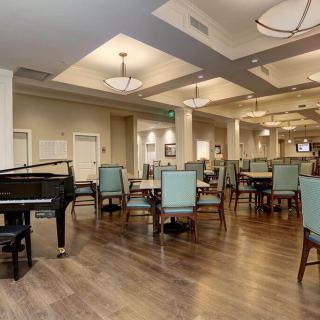
    • Dining room Dining roomDining rooms are important for seniors as they provide a space for socialization, connection, and nutritious meals. They offer opportunities for residents to bond over shared meals, foster a sense of community, and promote healthy eating habits. Dining rooms also ensure that seniors have access to well-balanced meals tailored to their dietary needs and preferences.
    • Fully furnished Fully furnishedFully furnished senior living communities are important for seniors because they provide convenience, comfort, and a hassle-free moving experience. Seniors can easily settle into their new living space without the stress of having to buy and move furniture. This allows them to focus on enjoying their new home and community.
    • Garden GardenGardens are important for seniors as they provide a peaceful and therapeutic environment for relaxation, physical activity, and socialization. Being in nature has been shown to reduce stress, improve mood, and promote overall well-being. Gardens also offer opportunities for seniors to engage in gardening activities, which can improve mobility, flexibility, and cognitive function. Additionally, gardens create a sense of community and connection with others who share a passion for plants and outdoor spaces.
    • Housekeeping services Housekeeping servicesHousekeeping services are important for seniors because they help maintain a clean and safe living environment, promote independence, and reduce the risk of accidents or illnesses. Additionally, having assistance with household chores can alleviate physical strain and allow seniors to focus on other aspects of their well-being.
    • Indoor common areas Indoor common areasIndoor common areas are crucial for seniors as they provide a space for socialization, recreation, and community engagement, promoting overall well-being and reducing feelings of isolation and loneliness.
    • Move-in coordination Move-in coordinationMove-in coordination is important for seniors because it helps ease the transition into their new living environment. It ensures that all logistics, such as packing, organizing movers, and setting up utilities are taken care of, allowing seniors to focus on settling in and adjusting to their new home. Having a smooth move-in process can alleviate stress and anxiety, making the transition smoother and more enjoyable for seniors.
    • Outdoor common areas Outdoor common areasOutdoor common areas are important for seniors as they provide a space for socialization, physical activity, and relaxation. Being outside in nature can improve mood and overall well-being, while also encouraging movement and engagement with others. These spaces can help combat feelings of isolation and promote a sense of community among residents.
    • Outdoor space Outdoor spaceOutdoor spaces are important for seniors as they provide opportunities for physical activity, social interaction, exposure to natural light and fresh air, and a sense of connection to nature. Having access to outdoor spaces can improve overall well-being and quality of life for older adults living in senior communities.
    • Private PrivatePrivacy is important for seniors as it allows them to maintain their independence, dignity, and sense of control over their own lives. It also gives them the space and freedom to relax, reflect, and engage in activities that bring them joy and fulfillment. Creating private spaces within senior living facilities is crucial for promoting overall well-being and quality of life.
    • Swimming pool / hot tub Swimming pool / hot tubSwimming pools and hot tubs are important for seniors as they provide a safe and enjoyable way to stay active, improve mobility, reduce joint pain, and promote relaxation. Regular use of these amenities can contribute to overall well-being and quality of life for older adults living in senior communities.
    • Telephone TelephoneTelephones are important for seniors as they provide a lifeline for communication with loved ones, emergency services, and healthcare providers. They offer a sense of security and independence, enabling seniors to stay connected and access assistance when needed.
    • Wi-Fi/high-speed internet available Wi-Fi/high-speed internet availableWi-Fi/high-speed internet is important for seniors to stay connected with loved ones, access online resources, and participate in virtual activities to combat feelings of loneliness and isolation. It also allows them to easily manage healthcare needs, access entertainment, and engage in lifelong learning opportunities.

    Care Services

    • 24-hour supervision 24-hour supervision24-hour supervision is important for seniors to ensure their safety, well-being, and access to immediate assistance in case of emergencies or health issues. This constant support provides peace of mind for both seniors and their loved ones, allowing them to age in place with dignity and security.
    • Activities of daily living assistance Activities of daily living assistanceActivities of daily living assistance are important for seniors because they provide essential support with tasks such as eating, bathing, dressing, and mobility. This assistance helps seniors maintain their independence, dignity, and overall quality of life as they age.
    • Ambulatory care Ambulatory care"Ambulatory care services provide essential medical support and treatment to seniors without requiring hospitalization, allowing them to maintain their independence and quality of life while managing chronic conditions or receiving routine medical care."
    • Assistance with bathing Assistance with bathingAssistance with bathing is crucial for seniors as it helps maintain personal hygiene, prevents infections, and ensures their overall well-being and comfort. It also provides a sense of dignity and independence for seniors who may struggle with this task on their own.
    • Assistance with dressing Assistance with dressingAssistance with dressing is important for seniors because it helps maintain their independence, promotes personal hygiene, prevents accidents and injuries, and improves overall quality of life. This service ensures that seniors can continue to dress comfortably and confidently, despite any physical limitations they may have.
    • Assistance with transfers Assistance with transfersAssistance with transfers is crucial for seniors as it helps prevent falls and injuries, maintains their independence, and ensures they can safely navigate their living environment. It also provides peace of mind for both seniors and their loved ones.
    • Coordination with health care providers Coordination with health care providersCoordination with health care providers is crucial for seniors to ensure proper medical care, medication management, and overall well-being. This collaboration helps prevent overlapping treatments, track progress more effectively, and provide comprehensive support tailored to individual needs.
    • Diabetes diet Diabetes dietA diabetes diet is crucial for seniors as it helps manage blood sugar levels, reduce risks of complications, and improve overall health and well-being. By following a balanced and nutritious diet tailored to their specific needs, seniors can better control their diabetes and enhance their quality of life.
    • Diabetic care Diabetic careDiabetic care is crucial for seniors as they are more susceptible to developing diabetes due to aging and other health conditions. Proper management of diabetes can help prevent complications such as heart disease, vision loss, and nerve damage, improving the overall quality of life for seniors in senior living communities.
    • Incontinence care Incontinence careIncontinence care is essential for seniors to maintain their dignity, hygiene, and overall quality of life. By addressing incontinence issues promptly and effectively, seniors can enjoy a sense of independence and comfort in their daily activities.
    • Meal preparation and service Meal preparation and serviceMeal preparation and service are crucial for seniors as they may have limited mobility or energy to cook nutritious meals. Having access to healthy and convenient food options can ensure they are getting the proper nutrition needed to maintain their overall health and well-being.
    • Medication management Medication managementMedication management is crucial for seniors to ensure they are taking the right medications at the correct dosages and times. This helps prevent adverse drug interactions, reduces the risk of medication errors, and promotes overall health and well-being. Proactive management also allows for adjustments as needed based on changing health conditions or new prescriptions.
    • Special dietary restrictions Special dietary restrictionsSpecial dietary restrictions are important for seniors because age-related changes in metabolism and health conditions can make it difficult for their bodies to process certain foods. By following a diet tailored to their specific needs, seniors can maintain their overall health and well-being, manage chronic conditions, and reduce the risk of complications such as malnutrition or food interactions with medications.
    • Transportation arrangement (medical) Transportation arrangement (medical)Transportation arrangements for medical purposes are essential for seniors as they may have difficulty driving themselves to appointments or accessing public transportation. Having reliable and safe transportation options ensures that seniors can receive timely medical care and maintain their health and well-being.
    • Transportation to doctors appointments Transportation to doctors appointmentsTransportation to doctors' appointments is crucial for seniors as it ensures they have access to necessary medical care and support for their health needs. Without reliable transportation, seniors may struggle to attend important appointments, leading to potential delays in treatment and health complications. Providing transportation services helps seniors maintain their overall well-being and quality of life.

    Dining

    • Diabetes diet Diabetes dietA diabetes diet is crucial for seniors as it helps manage blood sugar levels, reduce risks of complications, and improve overall health and well-being. By following a balanced and nutritious diet tailored to their specific needs, seniors can better control their diabetes and enhance their quality of life.
    • Kosher KosherKosher options are important for seniors because they adhere to dietary laws that are significant to many Jewish individuals, providing them with peace of mind and an opportunity to maintain their cultural traditions and beliefs while living in a senior living community.
    • Meals provided Meals provided"Meals provided" are crucial for seniors in assisted living communities as it ensures they have access to nutritious, balanced meals without the stress of meal planning and preparation. This can help promote overall health and well-being for seniors who may have limited mobility or cognitive abilities.
    • Special dietary restrictions Special dietary restrictionsSpecial dietary restrictions are important for seniors because age-related changes in metabolism and health conditions can make it difficult for their bodies to process certain foods. By following a diet tailored to their specific needs, seniors can maintain their overall health and well-being, manage chronic conditions, and reduce the risk of complications such as malnutrition or food interactions with medications.
    • Vegetarian VegetarianA vegetarian diet is important for seniors because it can help lower the risk of chronic diseases, maintain a healthy weight, and provide essential nutrients needed for aging bodies. Additionally, plant-based diets are often easier on digestive systems and can contribute to overall well-being in older adults.

    Activities

    • Activities off-site Activities off-siteEngaging in off-site activities is crucial for seniors to maintain social connections, stay active, and stimulate their minds. It promotes overall well-being and helps combat feelings of isolation and loneliness.
    • Activities on-site Activities on-siteActivities on-site are important for seniors because they provide opportunities for socialization, mental stimulation, physical activity, and overall well-being. Engaging in activities can help seniors stay active, maintain their independence, and improve their quality of life.
    • Community-sponsored activities Community-sponsored activitiesCommunity-sponsored activities are important for seniors as they provide opportunities for social interaction, mental stimulation, and physical activity. These activities can help improve overall well-being, combat loneliness and isolation, and promote a sense of belonging and purpose among older adults.
    • Devotional activities on-site Devotional activities on-siteDevotional activities on-site provide seniors with a sense of community, spiritual fulfillment, and emotional support, promoting overall well-being and a positive sense of purpose in their lives.
    • Scheduled daily activities Scheduled daily activitiesScheduled daily activities are important for seniors because they provide structure, socialization, mental stimulation, and physical activity. Engaging in regular activities can improve overall well-being and quality of life for seniors living in a community setting.

    Description

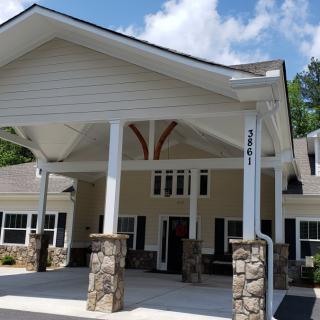
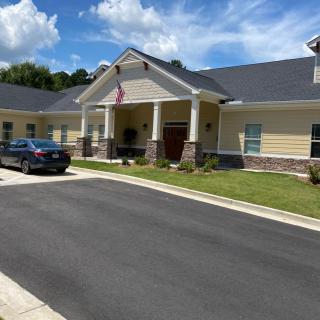
    Crutchfield Personal Home Care in Marietta, GA is a board and care home that provides personalized care services for seniors. This community offers a variety of amenities to ensure the comfort and convenience of its residents. There are activities available on-site to keep residents engaged and entertained, as well as a beautician on-site to provide grooming and beauty services. Residents can enjoy cable or satellite TV in their fully furnished living spaces.

    The community features indoor common areas where residents can socialize and interact with each other, as well as outdoor common areas and a garden for those who prefer to spend time outdoors. A swimming pool and hot tub are also available for relaxation and recreation purposes. Wi-Fi/high-speed internet is provided throughout the community for residents to stay connected with friends and family.

    Care services at Crutchfield Personal Home Care include assistance with activities of daily living such as bathing, dressing, and transfers. The staff also coordinates with healthcare providers to ensure residents receive the necessary medical care. Specialized care is provided for individuals with diabetes or specific dietary restrictions, including meal preparation and medication management.

    Transportation arrangements are made for medical appointments, ensuring that residents have easy access to healthcare facilities. The dining options at this community cater to different dietary needs, including kosher, vegetarian, and special dietary restrictions.

    There are various activities available on-site as well as community-sponsored activities to keep residents engaged and active. Devotional activities can be enjoyed on-site for spiritual fulfillment, while scheduled daily activities provide structure to the daily routine.

    The location of Crutchfield Personal Home Care in Marietta offers convenient access to several amenities nearby. There are three cafes, five parks, ten pharmacies, six physicians' offices, 31 restaurants, four places of worship, and one theater in close proximity to the community.

    At Crutchfield Personal Home Care in Marietta, seniors receive personalized care in a comfortable environment with a wide range of amenities and services available.

    Nearby Places of Interest

    This part of Marietta, Georgia offers a convenient and varied array of amenities for senior living. With several popular restaurant chains such as McDonald's, Chick-Fil-A, and Popeyes Louisiana Kitchen within close proximity, residents have easy access to dining options. Additionally, there are several cafes like Starbucks and Panera Bread nearby for those looking to enjoy a leisurely coffee or pastry. For spiritual needs, there are multiple places of worship including Calvary Chapel Woodstock and Transfiguration Catholic Church. Several parks provide opportunities for outdoor recreation and relaxation, while pharmacies and physicians' offices ensure access to healthcare services. The area also boasts entertainment options with theaters like AMC Barrett Commons 24 just a short drive away. For more serious medical needs, both Kennesaw Hospital and WellStar Kennestone Hospital are located within a reasonable distance. Overall, this part of Marietta provides a well-rounded environment for seniors seeking convenience, comfort, and accessibility in their daily lives.

    Restaurants

    • McDonald's (1.2 miles)
    • Chick-Fil-A (1.3 miles)
    • Popeyes Louisiana Kitchen (1.4 miles)
    • Sonic Drive-In (2.1 miles)
    • McDonald's (2.3 miles)
    • Guston's Grille (2.4 miles)
    • Waffle House (2.4 miles)

    Cafes

    • Starbucks (1.4 miles)
    • Panera Bread (3.7 miles)
    • Starbucks (4.8 miles)
    • Starbucks (7.3 miles)
    • Giga-Bites Cafe (7.6 miles)

    Places of Worship

    • Calvary Chapel Woodstock (1.8 miles)
    • Transfiguration Catholic Church (2.2 miles)
    • First Baptist Church Woodstock (2.3 miles)
    • Woodstock City Church (3.4 miles)
    • Kennesaw United Methodist Church (5.7 miles)
    • Church of Jesus Christ of Latter Day Saints (6.7 miles)

    Parks

    • Woofstock Park (2.1 miles)
    • Dupree Park (2.8 miles)
    • Shaw Park (3.1 miles)
    • Harrison Park (3.3 miles)
    • Clubhouse River Park (4.8 miles)
    • Aviation Park Kennesaw (5.3 miles)
    • Adams Park (6.7 miles)

    Pharmacies

    • Orchard Square Holding (2.3 miles)
    • Walgreens (2.4 miles)
    • Walgreens (2.5 miles)
    • Walgreens (2.7 miles)
    • CVS Pharmacy (3 miles)
    • CVS Pharmacy (3.7 miles)
    • Walgreens (3.8 miles)

    Physicians

    • Vascular & Surgical Associates (2.4 miles)
    • Georgia Eye Partners Woodstock (2.5 miles)
    • Pinnacle Orthopaedics (2.6 miles)
    • Piedmont Imaging Center (3.2 miles)
    • Marietta Eye Clinic (3.9 miles)
    • Azure For Health & Human Services (4.3 miles)
    • Lloyd Richard Bardwell (5.1 miles)

    Theaters

    • AMC Barrett Commons 24 (4.8 miles)
    • Movie Tavern Sandy Plains (5.4 miles)

    Hospitals

    • Kennesaw Hospital (5.2 miles)
    • WellStar Kennestone Hospital (7.2 miles)

    Frequently Asked Questions

    How much does it cost to live at Crutchfield Personal Home Care in Marietta, GA?
    Where is Crutchfield Personal Home Care?

    Nearby Communities

    • Care One At Jamerson

      Care One At Jamerson

      Marietta, GA

      4.8 from 25 reviews
      $2,500 / month

      pro Cozy, intimate setting with personalized care.

    • The Graceful Swan Personal Care Home Of Marietta

      The Graceful Swan Personal Care Home Of Marietta

      Marietta, GA

      5 from 6 reviews
       

      pro Small, intimate assisted living with 24-hour supervision and comprehensive daily living support.

    • Amelia Gardens of Marietta

      Amelia Gardens of Marietta

      Marietta, GA

      4.2 from 99 reviews
      $2,000 to $2,500 / month

      pro Compassionate staff and engaged owners create a warm, home-like environment.

    • Amelia Gardens Pch Of Marietta II

      Amelia Gardens Pch Of Marietta II

      Marietta, GA

      4.1 from 62 reviews
       

      pro Small, personalized setting with 24/7 staff and comprehensive care.

    • Lovelace Living Center

      Lovelace Living Center

      Woodstock, GA

      4.1 from 38 reviews
       

      pro Small, personalized care with 24/7 supervision and coordinated healthcare.

    • Lovelace Living Centres

      Lovelace Living Centres

      Woodstock, GA

      4.3 from 37 reviews
      $1,250 to $1,500 / month

      pro Affordable pricing (semi-private $1,250; private $1,500) with convenient access to amenities nearby.

    • Woodstock Nursing & Rehab Center

      Woodstock Nursing & Rehab Center

      Woodstock, GA

      4.5 from 119 reviews
       

      pro Friendly, caring staff with solid rehabilitation progress and engaging activities.

    • HearthSide Towne Lake

      HearthSide Towne Lake

      Woodstock, GA

      3.9 from 24 reviews
       

      pro Engaging activities and attractive facilities with attentive staff.

    • Camellia Place

      Camellia Place

      Woodstock, GA

      4.6 from 86 reviews
      $4,375 / month

      pro Unique cottage-style living fosters a home-like community with robust activities.

    Related Resources

    • does medicaid pay for assisted livingHow and When Medicaid May Cover Assisted Living Costs

      Medicaid coverage for assisted living varies by state and is primarily available to low-income individuals, with eligibility dependent on strict income and asset limits. Some states offer HCBS waivers for specific services in assisted living, but families must generally cover room and board costs, and should verify facility acceptance of Medicaid while considering potential waiting lists.

    • assisted living waiver programA Detailed Exploration of Assisted Living Medicaid Waivers Across the United States

      Medicaid waivers for assisted living services provide vital support for seniors and individuals with disabilities in need of long-term care, with varying state-specific eligibility criteria and benefits. These waivers cover personal care and case management but often do not fully cover room and board, leading to waiting lists for many applicants.

    • assisted living for disabled adultsComprehensive Residential Support and Assisted Living Solutions for Individuals with Disabilities

      The article examines the complexities of assisted living for individuals with disabilities, emphasizing the need for tailored care solutions that enhance quality of life and social inclusion, while addressing financial challenges and advocating for community integration. It discusses various housing options, the importance of financial assistance through public benefits, and highlights trends towards integrated and technology-driven solutions in disability-focused housing.


    Get Pricing Ask A Question Schedule A Tour Contact Senior Advisor