
2000 Austell Road Southwest #500-R, Marietta, GA 30008
To contact a resident: (678) 426-8183
For more information about senior living options: (866) 208-4318
Bright Hope Personal Care Home Costs & Pricing
Bright Hope Personal Care Home offers competitive pricing for its residents, with monthly costs that significantly undercut both Cobb County and the broader state of Georgia. For a semi-private room, Bright Hope charges $1,500, which is considerably lower than the county average of $2,367 and the state average of $2,529. Similarly, private rooms at Bright Hope are priced at $1,800, again offering substantial savings compared to Cobb County's average of $2,788 and Georgia's average of $2,864. These cost advantages not only make Bright Hope an attractive option for individuals seeking care but also reflect a commitment to providing quality services without imposing financial strain on families.
| Floor plans | Bright Hope Personal Care Home | Cobb County | Georgia |
|---|---|---|---|
| Semi-Private | $1,500 | $2,367 | $2,529 |
| Private | $1,800 | $2,788 | $2,864 |
Senior living communities with a similar price nearby
-
About the same
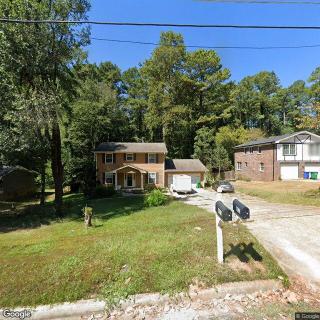
Americare Group
$1,500 / month21.8 miles away -
from -$150 / mo
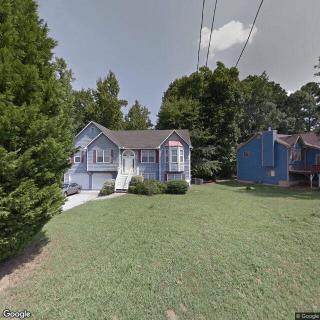
Le'glen Personal Care Home
$1,350 to $2,150 / month23.8 miles away -
About the same
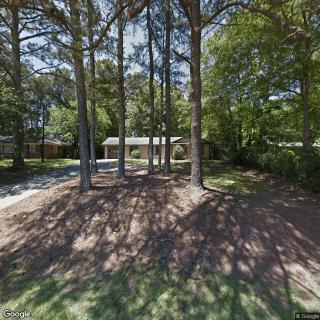
Yellow Rose at Worley
$1,500 to $2,000 / month9.1 miles away -
from +$200 / mo
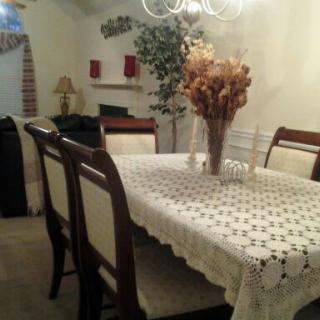
Rose's Premier Personal Care Home
$1,700 / month24.3 miles away -
About the same
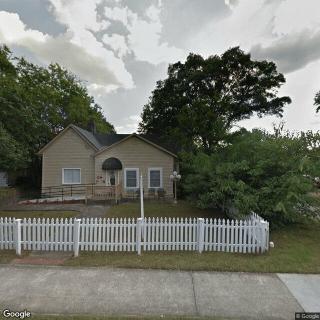
Ivy Spring Retirment Cottage
$1,500 / month3.4 miles away
Overall Review of Bright Hope Personal Care Home
Pros
 Ann was very nice.
- They liked her a lot.
Cons
 The complex is questionable.
- The $1700 single-room rate with a $500 deposit raises concerns.
- They are hesitant to commit with Ann.
- They want to compare other personal care options before deciding.
Review
Bright Hope Personal Care Home in Marietta is best suited for families seeking a small, home-like setting where caregivers know residents by name and where a direct, responsive manager can steer the daily plan. This community works for those who can tolerate a transitional approach, starting in a private single room on a temporary basis while a shared room becomes available, and who want a straightforward chance to evaluate the atmosphere, routines, and etiquette before making a long-term commitment. It is not the pick for families chasing a modern campus with extensive amenities, larger community spaces, or a highly-polished presentation.
On the upside, the core interpersonal dynamic stands out. Ann is described as genuinely nice and easy to work with, and that kind of approachable leadership can translate into smoother move-in steps and ongoing communication about care needs. The practical entry option, a single room for $1700 with a $500 deposit until a shared room is ready, provides privacy right away and reduces the friction of a forced, immediate relocation. For families who want to test the waters without sacrificing a private space, this arrangement offers a clear, tangible path forward rather than a vague waitlist.
Yet a single, decisive caveat frames the decision: the complex itself is labeled as questionable. That descriptor raises real questions about the overall environment, upkeep, and safety, factors that substantially influence day-to-day peace of mind for residents and families alike. The price and the upfront deposit are not trivial either, especially when the plan hinges on a future move to a shared room that may not materialize on a predictable timetable. The combination of a questionable complex and uncertain long-term housing logistics means due diligence must be thorough before any commitment.
The strengths, the personal warmth of staff and the flexibility to trial a private room, do offset some risk, but only to a point. If the resident benefits from a familiar face and a caregiver-led orientation during the transition, those elements can smooth concerns about daily routines, meals, and supervision. However, the warmth cannot fully compensate for structural or environmental doubts, nor can it erase the financial ambiguity if the shared-room option remains delayed or if additional fees surface over time. Families should balance the emotional comfort of a responsive manager against the practical need for transparency and stability in the living space.
Alternatives become particularly relevant for residents who require a higher level of certainty or amenities. If long-term housing stability, a more polished building, stronger security, clearer pricing, or a broader activity program are priorities, it makes sense to widen the comparison scope. Those with budget constraints who need predictable, low-stress finances may also find better alignment elsewhere. In short, Bright Hope can be appealing for a compact, caregiver-focused experience, but it may not outperform peers on crucial factors like building quality, reliability of move-in timelines, and comprehensive care provisions.
Practical next steps should center on due diligence rather than quick commitment. Families should schedule a thorough tour and insist on a written, itemized rate sheet that breaks out the base room rate, what the $1700 covers, all deposits and refund terms, and any potential fees tied to the shared-room transition. Ask specific questions about licensing status, staffing ratios, care services included under personal care, meal program quality, and safety features such as emergency call systems and accessibility. Speak with current residents or families to gauge consistency of care and daily satisfaction, and compare Bright Hope with at least two or three other Personal Care settings in the Marietta area at similar price points to establish real value. If the complex’s concerns cannot be resolved or if the long-term plan remains murky, shift decisively toward alternatives with stronger, clearer operating outlines.
 Board and Care Home
 Activities off-site
 Devotional services off-site
 Indoor common areas
 Outdoor common areas
 Private
 Private bathrooms
 Respite or short term stays offered
 Wheelchair accessible showers
 William B Hartsfield-Atlanta International (20 miles away)
 Ambulatory care
 Diabetic care
 High acuity care
 Incontinence care
 Medication management
 Meals provided


 Understanding the Nuances of Palliative Care and Hospice: A Comprehensive Exploration
 Fecal Incontinence in Older Adults: A Comprehensive Guide
 Nurturing Well-Being Through Gardening: A Detailed Guide for Senior Enthusiasts