
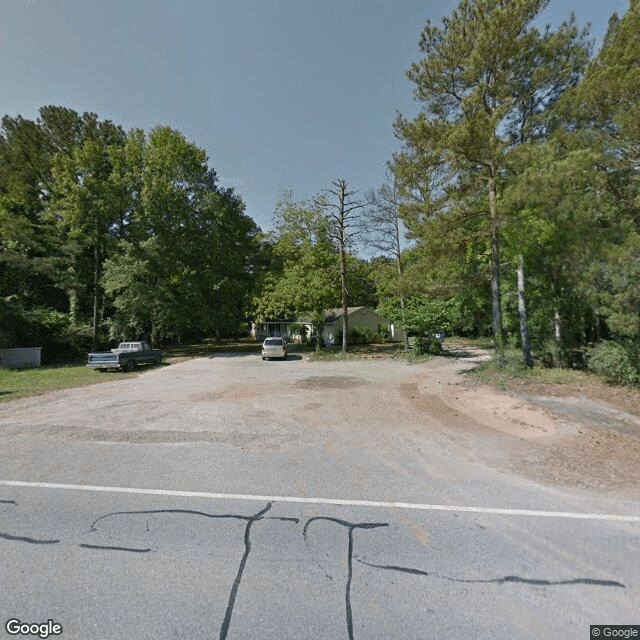
6273 US Highway 41 S, Macon, GA 31210
To contact a resident: (478) 994-0382
For more information about senior living options: (866) 208-4318
Overall Review of Whispering Pines
Pros
 Residents are glad the roads have been fixed.
- The community is described as nice.
- The place is described as good.
- The place is loved by those who grew up there.
Cons
 The road needs a lot of repairs.
- Mail cannot be received because the address is incorrect.
- The place is dirty.
- There is no service.
- There are stray animals wandering around.
Review
Whispering Pines in Macon, GA is best suited for seniors who prize a long-established, home-like atmosphere where relationships and local familiarity matter more than flashy amenities. This community has decades of residency behind it, which creates a sense of continuity and a built-in social fabric for residents who value stability over trendiness. The strongest fit is someone who wants to settle into a recognizable neighborhood feel, where long-time residents and staff can become a kind of extended family and where daily life revolves around known routines and familiar faces rather than high-end programming. For those who measure success by belonging and a steady, low-drama environment, Whispering Pines can feel like a true home after years of shared history.
That said, there are clear reasons to consider alternatives. Families seeking consistently pristine upkeep, flawless logistics, and highly reliable service should look elsewhere. The reviews point to a range of maintenance and operational gaps, address and mail issues, uneven road conditions, and at least some reports of dirtier areas or inconsistent cleanliness. The environment can also feel uneven depending on who you happen to interact with, which undermines the sense of universal care and safety some families expect. In short, Whispering Pines rewards residents who tolerate or even welcome variability in staffing and tone, but it won’t satisfy someone who wants every aspect of daily life to glide along smoothly and predictably.
The core pros, the longevity of residency and the resulting social cohesion, do provide meaningful offsets, but only for a certain profile of resident. The fact that the community has been a home for many years creates a continuity that can reduce relocating stress and foster long-standing friendships and peer support. A resident who values relationships with neighbors and staff, and who navigates a slower, more intimate pace, may experience meaningful daily satisfaction despite imperfect facilities. The willingness to repair infrastructure, noted in one account, signals that the owners can respond to concrete problems when they are identified, a quality that matters to families who want accountability and a sense of progress over time.
Yet the main drawbacks are tangible enough to caveat a decision. Logistical headaches around mail delivery, address recognition, and even road quality are not minor annoyances; they affect real-life arrangements like receiving important documents, bills, and healthcare communications. Cleanliness and maintenance appear inconsistent across spaces and days, which raises red flags for families worried about infection control, resident comfort, and pride of place. The presence of stray animals and the mention of noise, especially music from nearby homes, may disrupt daily routines for some seniors who prefer quiet, predictable environments. For a prospective resident who needs steady, all-inclusive care and a uniformly tidy campus, these patterns probably won’t be a fit.
That combination of social upside and logistical fragility suggests a practical decision framework. Prospective residents should request a candid tour focused on habitability: inspect common areas, dining spaces, and resident rooms for cleanliness and safety; ask to speak with multiple residents about consistency of care and staff responsiveness; verify mail-forwarding processes, address labeling, and how official documents are handled. Investigate the state of the roads and parking lot maintenance firsthand, and ask how seasonal changes affect service availability and programming. If possible, review the most recent inspection reports or deficiency records and verify staffing levels during peak times. A visit should also explore how noise and activity levels vary by time of day and how residents socialize across diverse backgrounds.
In the end, Whispering Pines rewards a certain ethos: commitment to a familiar, neighborhood-style senior living experience where years of relationships can trump some rough edges. For families who value continuity, personal connections, and a sense of “home first,” it can be a solid choice when expectations are aligned with what the community delivers. For those who cannot tolerate inconsistencies in cleanliness, logistics, or infrastructure, or who require a more polished, move-in-ready environment with consistently quiet surroundings, alternatives in Macon are worth pursuing. The key is a well-informed visit that confirms whether the specific day-to-day reality aligns with the resident’s needs and the family’s expectations for safety, reliability, and comfort.
 Board and Care Home
 Middle Georgia Regional (19 miles away)






 Fecal Incontinence in Older Adults: A Comprehensive Guide
 Recognizing the Journey: Understanding and Navigating Anticipatory Grief
 Encouraging Participation in Adult Day Care: A Guide to Supporting a Hesitant Parent