
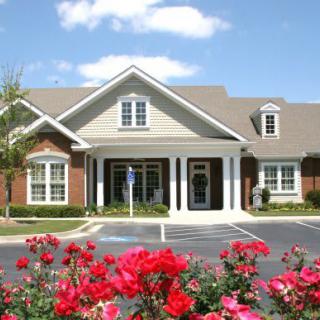
145 Lake Wildwood Drive, Macon, GA 31220
For more information about senior living options: (866) 208-4318
Overall Review of Lake Wildwood - Independent Group Home
Pros
 The staff is extremely friendly and helpful.
- Ms. Olivia at the entrance is a true gem, greeting people with a sweet, cheerful, and helpful demeanor.
- The Lake Wildwood Association Office staff are very friendly and helpful.
- It is a nice place to live.
- Residents have lived there for years and are content, loving their home, their neighbors, and enjoying activities around the lake and pool.
- The community offers affordable homes, a clubhouse, a pool, putt-putt golf, a private lake, good fishing, and great neighbors.
- It is described as awesome by residents.
Cons
 The reviewer states that the gate damaged their vehicle and there has been no communication about the incident.
- The reviewer notes being told to email for assistance, and the representative hung up on them after a dismissive “Have a nice day.”
- The reviewer describes the treatment of customers as incredibly unprofessional and disrespectful.
- Lake Wildwood is described as one step away from being absolute garbage.
- The reviewer reports that getting a transponder is difficult, with the office routinely closed on Fridays, delaying access.
- The reviewer criticizes the decision-makers for the secondary entrances, saying they should be replaced and that the changes trap cars at the gate.
- The reviewer states that residents cannot use the clubhouse while board members can, implying unfairness.
- The reviewer claims there are areas where residents want to keep neighborhoods all white, signaling discriminatory attitudes.
Review
Lake Wildwood in Macon, GA is best suited for independent adults who want a lake-adjacent, neighborly feel with affordable housing and built-in social and recreational amenities. It works for residents who prize safety, a sense of community, and easy access to a clubhouse, pool, private lake, fishing, and social activities. The environment favors those who are self-reliant, comfortable navigating an active HOA-style setting, and willing to tolerate some operational quirks in exchange for everyday livability and familiar faces around the lake.
Those who may want to consider alternatives are clear: communities that promise unwavering reliability, consistently proactive management, and transparent, inclusive governance. If gate access reliability, predictable incident handling, uniform access policies, and a governance structure that feels trustworthy and responsive are non-negotiable, a different option will likely suit better. Potential residents who value seamless customer service and a consistently smooth experience with staff and leadership should explore other independent or assisted living-adjacent neighborhoods.
The strongest positives here are tangible daily comforts: genuinely friendly staff, a welcoming clubhouse atmosphere, and a sense of security that comes from being part of a tight-knit neighborhood. Resident-facing staff and frontline coordinators are repeatedly praised for warmth and helpfulness, and an individual like Ms. Olivia at the entrance is highlighted as a standout. The amenities, clubhouse, pool, putt-putt golf, and the private lake with good fishing, create a quality of life that supports regular social interaction and active living. Those benefits can offset some operational stressors when the primary aim is a sociable, affordable, community-oriented lifestyle rather than a perfectly polished, impersonal experience.
Yet the downsides are real and potentially disruptive. Critics point to inconsistent communication, frustrating encounters when problems arise, and a gate/entrance system that can feel punitive or poorly managed. Reports of gate-related inconveniences, upgraded barriers that trap cars, and a perception that administrative staff are slow or dismissive erode trust. In several reviews, residents describe limited access to certain facilities, such as the clubhouse for residents while board members retain privileged access, creating a sense of unequal treatment and frustration. These governance and operational tensions are not minor peccadilloes; they shape daily routines and influence overall satisfaction.
The practical question becomes how these pros and cons balance on a family’s decision worksheet. If the priority is a warm, neighborly environment with affordable homes and accessible outdoor leisure, the positives can sustain a sense of belonging even when service hiccups occur. However, if proximity to a responsive administration, equitable access rules, and transparent, resident-centered governance are essential, those needs may be unmet enough to justify looking elsewhere. Prospective residents should not assume “good bones” will automatically translate into consistent day-to-day reliability without careful vetting.
Before making a commitment, engage in a robust due-diligence process. Tour during peak and off-peak hours to observe gate operations, clubhouse access, and staff responsiveness firsthand. Ask for current policies on transponders, access rules, and resident privileges versus board prerogatives; request recent maintenance and governance updates; and speak with multiple residents about their experiences across different seasons. Clarify dues, expected upkeep costs, and any upcoming capital projects that could affect fees or access. The aim is to separate the warmth of a close community from the frustration of inconsistent systems, ensuring the choice aligns with the family’s tolerance for governance quirks and operational volatility.
 4 resident community capacity
 Assisted Living
 Cable or satellite TV
 Dining room
 Fully furnished
 Garden
 Housekeeping services
 Move-in coordination
 Outdoor space
 Telephone
 Wi-Fi/high-speed internet available
 Middle Georgia Regional (15 miles away)
 24-hour supervision
 Activities of daily living assistance
 Assistance with bathing
 Assistance with dressing
 Assistance with transfers
 Diabetes diet
 Meal preparation and service
 Medication management
 Special dietary restrictions
 Transportation arrangement (medical)
 Transportation to doctors appointments

 Exploring the Path to Senior Living: A Comprehensive Look at Independent Living and Assisted Living
 Is Assisted Living Deductible on Your Taxes? Understanding the Complexities of Assisted Living Expenses and Deductions
 Assisted Living Support for Veterans: A Complete and Detailed Overview