
1130 Vonda Lane, Mabelton, GA 30126
To contact a resident: (678) 401-4788
For more information about senior living options: (866) 208-4318
St. Benedict Personal Care Home Costs & Pricing
St. Benedict Personal Care Home offers competitive pricing for its services, particularly when compared to both Cobb County and the broader state of Georgia. For a semi-private room, residents can expect to pay $1,500 per month at St. Benedict, significantly lower than the county's average of $2,367 and the state's average of $2,529. Similarly, those opting for a private room will find St. Benedict's rate of $1,925 to be more affordable than the Cobb County rate of $2,788 and Georgia's average of $2,864. This cost advantage positions St. Benedict as an appealing choice for individuals seeking quality personal care in a comfortable setting while managing their financial resources effectively.
| Floor plans | St. Benedict Personal Care Home | Cobb County | Georgia |
|---|---|---|---|
| Semi-Private | $1,500 | $2,367 | $2,529 |
| Private | $1,925 | $2,788 | $2,864 |
Senior living communities with a similar price nearby
-
About the same
Americare Group
$1,500 / month21.4 miles away -
About the same
Lend A Hand Personal Care Home
$1,500 to $2,000 / month21.4 miles away -
from -$150 / mo
Le'glen Personal Care Home
$1,350 to $2,150 / month20.9 miles away -
About the same
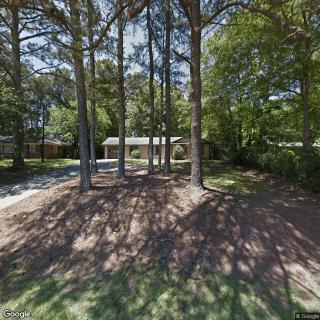
Yellow Rose at Worley
$1,500 to $2,000 / month15.1 miles away -
from +$200 / mo
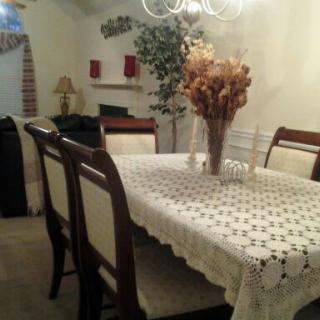
Rose's Premier Personal Care Home
$1,700 / month19.0 miles away
Overall Review of St. Benedict Personal Care Home
Pros
 It is one of the cleanest and most caring personal care homes in the area.
- It is family-run and family-owned.
- It is highly recommended.
Cons
 It was terrible.
Review
This community is best suited for families seeking a small, home-like personal care setting in Mabelton where a family-run operation can deliver hands-on, attentive care. It works for residents who value warmth, direct involvement from the owners, and a tightly knit daily rhythm that feels like a private residence rather than a large institution. When medical needs stay within what a personal care level can support, and when proximity to loved ones is a meaningful factor, St. Benedict Personal Care Home can be a compelling fit.
Those weighing alternatives should consider residents who require more robust medical oversight, skilled nursing services, or specialized memory care. A larger, more structured facility may offer more consistent staffing, a wider menu of therapeutic programs, and clearer escalation protocols for health changes. With only three reviews and a small footprint, potential residents should anticipate variability in the experience and scrutinize whether the care model can scale if needs shift.
The strongest positives are clear: cleanliness and a caring, family-operated ambience. One reviewer highlighted it as among the cleanest personal care homes in the area, praising the hands-on, family-owned approach that tends to translate into responsive, personalized attention. This setup often yields lower emotional distance between residents and caregivers, which can translate into timely assistance, familiar routines, and a sense of safety that comes from a close-knit staff.
Yet the main cons emerge from the mixed feedback. A single negative review signals that experiences in a small operation can diverge significantly, raising concerns about consistency, staffing depth, and the ability to handle unexpected health changes or busy shifts. In settings this intimate, limited back-up coverage, variability in staffing, or delayed responses, even if infrequent, can weigh heavily for families watching a loved one’s daily needs and comfort. The absence of extensive medical or memory-care infrastructure may also matter when care demands evolve.
The key to offsetting these potential drawbacks lies in proactive, high-touch engagement. Prospective families should visit with specific questions about staffing ratios during peak hours, on-call medical support, and how care plans are coordinated with external providers. Demand a transparent written schedule of activities, dining options, and emergency procedures, plus copies of recent inspections and licensure status. If this house-like environment aligns with the resident’s preferences, insist on meeting the direct caregivers and, where possible, speak with current families to gauge consistency and responsiveness over time.
In the final assessment, St. Benedict Personal Care Home presents a practical, warm option for seniors who prize a tiny, family-run setting and place a premium on cleanliness and personal attention. It is less suitable for those who require high-level medical oversight, specialized therapies, or highly predictable staffing over long stretches. Families ready to invest time in due diligence, tight tours, candid discussions about care plans, and a clear understanding of fees and coverage, will be best positioned to determine whether this community can deliver the reliability needed, or if alternatives with more expansive medical support should be pursued.
 Board and Care Home
 Activities off-site
 Bath tubs
 Devotional services off-site
 Indoor common areas
 Outdoor common areas
 Private
 Respite or short term stays offered
 Wheelchair accessible showers
 William B Hartsfield-Atlanta International (15 miles away)
 Ambulatory care
 Diabetic care
 High acuity care
 Incontinence care
 Meals provided
 Christian services


 Nurturing Our Loved Ones: A Daughter's Journey in Caring for Her Mother
 Nurturing Our Elders: Linda's Journey of Supporting Her Mother
 A Comprehensive Exploration of Common Misunderstandings about Powers of Attorney