
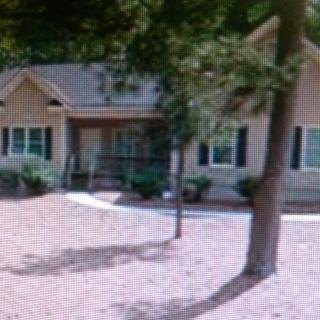
6074 Wedgewood Drive, Mableton, GA 30126
For more information about senior living options: (866) 208-4318
Overall Review of Daylight Personal Care Home
Pros
 Cristen cared for a grandmother with Alzheimer's for many years.
- The full-time service was excellent, and there was complete trust and confidence in Cristen at all times.
- Cristen provided excellent day care for a mother on a part-time basis and did a wonderful job meeting her every need.
- Christen and Nyma have been delivering great care for the dad.
- Their services come highly recommended.
Review
Daylight Personal Care Home in Mableton is best suited for families seeking an intimate, reminder-free home-like setting where a loved one, especially with Alzheimer's or other memory challenges, can receive steadfast, hands-on attention. This community excels when continuity and relational trust are non-negotiable: a small team led by caregivers directly involved in daily routines, with a proven track record of long-tenured care. The emphasis on personal connection translates into reliable, responsive support that reassures families during every phase of memory care, while still preserving the dignity and independence that come with a home environment. For relatives who want a place that feels less institutional and more like a trusted home, Daylight Personal Care Home delivers.
That said, there are clear reasons why some families may want to consider alternatives. For residents who require pervasive medical oversight, 24/7 skilled nursing, or a facility with a larger staff and a wider array of on-site therapies, a bigger assisted living or dedicated memory-care community could be a better fit. If the priority is a robust activity calendar with structured programming, or if there is a need for expansive on-site medical services and transportation options, the smaller scale of a personal care home may feel limiting. In short, this setting shines for highly personalized, caregiver-led care; it may fall short for those who demand extensive clinical resources or a broad continuum of care under one roof.
The strongest pros here, trust, consistency, and Alzheimer’s-capable care, directly offset the most plausible drawbacks. Families repeatedly note full-time service that feels more like a family member’s dedication than a formal caregiver schedule, producing a quiet confidence that a loved one is observed and attended to at all times. The ability to offer excellent day care for a spouse or other relative on a part-time basis further strengthens the care network, enabling caregivers to manage their responsibilities with less guilt or worry. When memory care needs intensify, that same intimate knowledge of the resident’s routines and preferences becomes a practical safeguard, helping to manage behaviors, reduce agitation, and tailor daily activities to pace and interest.
Evidence from the care partners themselves is compelling. Positive statements about complete trust and confidence in the caregivers imply a stable, predictable environment where alarms and miscommunications are minimized. The emphasis on “every need” being addressed, whether it is meals, activities, or reassurance during challenging moments, points to a service model built around responsiveness and attentiveness. The benefit of such a setup is not merely comfort; it translates into fewer emergency triggers, smoother daily transitions, and a sense of security for anxious families who cannot be constantly present. This is precisely what memory-care-focused families should expect from a small, caregiver-operated home.
To decide, families should assess readiness by asking candor-driven questions during a visit: How do daily schedules unfold? What training do staff members have in dementia care? How are medical issues monitored and communicated to families, and what is the protocol for emergencies? What is the plan if a resident’s needs escalate beyond current staff capabilities? How flexible is the environment for evolving routines and preferences? These questions reveal whether the community’s strengths, relationship-based care, stability, and personalized attention, align with the resident’s current needs and the family’s expectations for ongoing oversight and involvement.
In sum, Daylight Personal Care Home stands out as a pragmatic, confident choice for memory-care within a small, home-like framework. It suits families who prize direct access to caregivers, a steady daily rhythm, and a setting that minimizes relocation stress for an Alzheimer’s-impacted loved one. Alternatives should be weighed for residents who require broader medical services, larger social programming, or a more pronounced continuum of care. For those who want a trusted, personalized care partnership led by Cristen and Nyma, and value the reassurance that comes with dedicated, long-term attention, this community warrants serious consideration and a direct visit to confirm fit.
 2 resident community capacity
 Assisted Living
 Board and Care Home
 Cable or satellite TV
 Dining room
 Fully furnished
 Garden
 Housekeeping services
 Move-in coordination
 Outdoor space
 Telephone
 Wi-Fi/high-speed internet available
 William B Hartsfield-Atlanta International (14 miles away)
 24-hour supervision
 Activities of daily living assistance
 Assistance with bathing
 Assistance with dressing
 Assistance with transfers
 Diabetes diet
 Meal preparation and service
 Medication management
 Special dietary restrictions
 Transportation arrangement (medical)
 Transportation to doctors appointments



 Vibrant Senior Living: A Comprehensive Guide for Active Older Adults
 When to Transition from Assisted Living to Memory Care: Key Indicators, Steps, and Finding the Right Community
 Assisted Living and Memory Care: Understanding Their Core Differences