
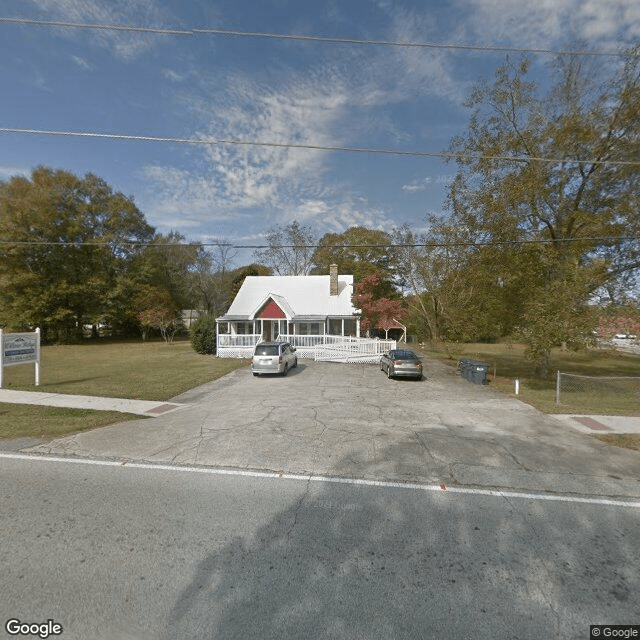
181 Main Street, Loganville, GA 30052
For more information about senior living options: (866) 208-4318
Willow Ridge Home Costs & Pricing
Willow Ridge Home offers a competitive monthly rate of $1,500 for private rooms, significantly lower than both the average costs in Walton County at $2,643 and the broader state average in Georgia at $2,864. This affordability makes Willow Ridge Home an appealing option for individuals seeking quality care without the burden of high expenses typically associated with similar facilities. The cost differential highlights Willow Ridge's commitment to providing accessible and comfortable living arrangements while maintaining a standard of care that meets the needs of its residents.
| Floor plans | Willow Ridge Home | Walton County | Georgia |
|---|---|---|---|
| Private | $1,500 | $2,643 | $2,864 |
Memory care communities with a similar price nearby
-
About the same
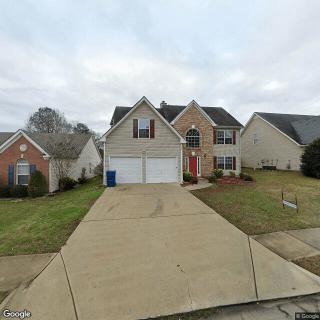
Harmony Home Care
$1,500 to $2,100 / month1.5 miles away -
from +$275 / mo

Senior Living At Mercy's Point
$1,775 to $1,875 / month7.8 miles away -
About the same

Joy's Manor Pch
$1,500 to $4,000 / month21.1 miles away -
About the same

Optimum Care Home
$1,500 to $2,500 / month15.2 miles away -
from +$290 / mo
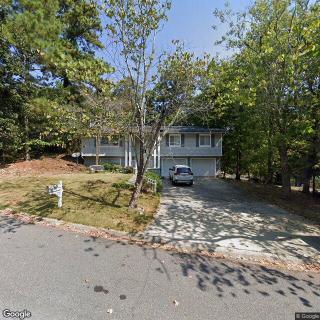
A Home Sweet Home
$1,790 to $2,350 / month9.6 miles away
Overall Review of Willow Ridge Home
Pros
 Tina (the owner) and her staff did a wonderful job taking care of the mother.
- The staff treated the mother with respect and dignity.
- The family was always welcome to visit at any time.
- Tina continues to be a friend to the family.
Review
Willow Ridge Home in Loganville is best suited for families seeking an intimate, caregiver-led setting for a loved one with memory impairment who prizes warmth, dignity, and continuous personal attention. The home-like atmosphere, led by Tina and a devoted staff, delivers a level of daily with-you-feel care that larger facilities often struggle to match. This community shines where relationships matter most: residents are treated with respect, routines feel personal rather than procedural, and families experience a steady, reassuring presence rather than a revolving staff door. It is the kind of setting where the care experience becomes a trusted partnership, not simply a service plan.
Those weighing alternatives should consider who this setting may not serve as well. For residents requiring robust, facility-wide medical oversight, frequent skilled nursing interventions, or highly regimented memory-care programming, a larger assisted-living or dedicated memory-care campus with on-site nursing staff and more structured schedules could be a better fit. Families facing complex medical needs, frequent hospital transfers, or a desire for comprehensive, round-the-clock clinical coordination may find that a bigger community better aligns with those demands. Willow Ridge excels in warmth and individualized attention, not in mass-capacity clinical infrastructure.
The strongest pros in support of Willow Ridge are the unmistakable sense of individualized care and the ease of access to the owner and staff. The review highlights a care approach that treats Alzheimer’s residents with dignity and respect, with caregivers who know the resident’s story and respond with patience and familiarity. The open-door policy for family involvement matters deeply, and the ongoing personal connection, evident even after the mother’s passing, speaks to a sustained, trust-based relationship between the family and the care team. These elements translate into reliable daily comfort for families living with memory loss, where reassurance and consistent, humane treatment can significantly ease the decision-making burden.
Yet a small, home-based model carries inherent trade-offs that must be weighed. The intimate scale can mean fewer on-site resources, less medical redundancy, and a slower cadence in scaling up specialized programming during periods of heightened care needs. Staffing may be well-trained and compassionate, but the capacity to manage sudden medical exigencies or complex symptom management without external support is different from that found in larger facilities. Prospective families should acknowledge that the same warmth that creates trust can coincide with a quieter clinical footprint, which may or may not align with evolving care requirements over time.
Practical decisions hinge on clear expectations and proactive due diligence. Visitors should assess staff-to-resident ratios across shifts, request a tour during activities and quieter times, and inquire about the availability of on-call medical professionals, visiting specialists, and emergency transfer protocols. It is essential to understand the daily routine, the kinds of activities offered, and how memory-care-specific needs are addressed within the home’s framework. Direct conversations with current and former families, and a transparent discussion with Tina, will illuminate whether the emotional security provided by Willow Ridge matches the anticipated level of medical oversight and day-to-day programming.
In the end, Willow Ridge offers a compelling option for families prioritizing intimate, respectful, and genuinely person-centered care. This community thrives when the priority is building trust, enabling family involvement, and ensuring that a resident with memory impairment is treated as a person first, with consistent dignity and attention. The right fit depends on aligning expectations with the setting’s strengths: exceptional relational care in a compact, homelike environment, versus broader medical resources and larger-scale programming found in bigger communities. For families who prize warmth, continuity, and a trusted caregiver partnership, Willow Ridge stands out as a prudent, well-considered choice.
 6 resident community capacity
 Assisted Living
 Board and Care Home
 Memory Care
 Activities off-site
 Beautician on-site
 Cable or satellite TV
 Devotional services off-site
 Dining room
 Fully furnished
 Garden
 Housekeeping services
 Indoor common areas
 Move-in coordination
 Outdoor space
 Private
 Respite or short term stays offered
 Telephone
 Wi-Fi/high-speed internet available
 24-hour supervision
 Ambulatory care
 Assistance with bathing
 Assistance with dressing
 Assistance with transfers
 Diabetes diet
 Diabetic care
 High acuity care
 Incontinence care
 Meal preparation and service
 Medication management
 Special dietary restrictions
 Transportation arrangement (medical)
 Transportation to doctors appointments
 Christian services



 Dementia Behaviors: In-Depth Understanding and Effective Coping Strategies
 5 Early Indicators of Dementia and What You Can Do
 8 Important Indicators That Memory Care May Be Necessary