
4682 Cedar Drive, Loganville, GA 30052
To contact a resident: (770) 554-1504
For more information about senior living options: (866) 208-4318
Living Treasures Personal Care Costs & Pricing
Living Treasures Personal Care offers competitive pricing for its accommodations in comparison to the broader market in Walton County and Georgia. For a semi-private room, residents can expect to pay $3,000 per month, which is notably higher than the county average of $2,304 and the state average of $2,529. Similarly, the cost for a private room at Living Treasures is set at $3,200, surpassing the local and state averages of $2,643 and $2,864 respectively. While Living Treasures may be priced above these benchmarks, this premium may reflect enhanced services or amenities that contribute to a quality living experience tailored to resident needs.
| Floor plans | Living Treasures Personal Care | Walton County | Georgia |
|---|---|---|---|
| Semi-Private | $3,000 | $2,304 | $2,529 |
| Private | $3,200 | $2,643 | $2,864 |
Senior living communities with a similar price nearby
-
from -$500 / mo

Eden Home Care
$2,500 / month6.3 miles away -
from -$500 / mo

Loving Angels Home Care
$2,500 / month9.5 miles away -
from -$500 / mo

A & C Personal Care Home
$2,500 to $4,000 / month11.3 miles away -
About the same

Spout Springs Personal Care Home
$3,000 / month19.9 miles away -
from -$500 / mo

Golden Manor Senior Living
$2,500 to $4,445 / month15.5 miles away
Overall Review of Living Treasures Personal Care
Pros
 The residents receive the best care possible.
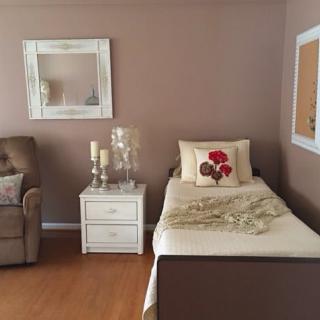
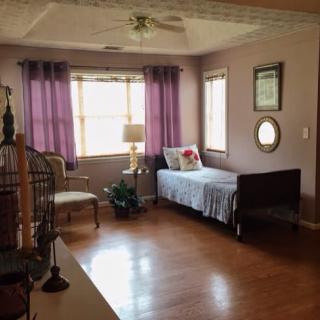
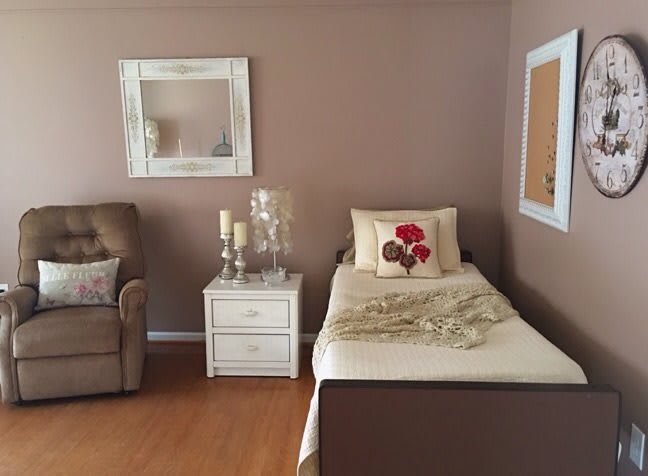
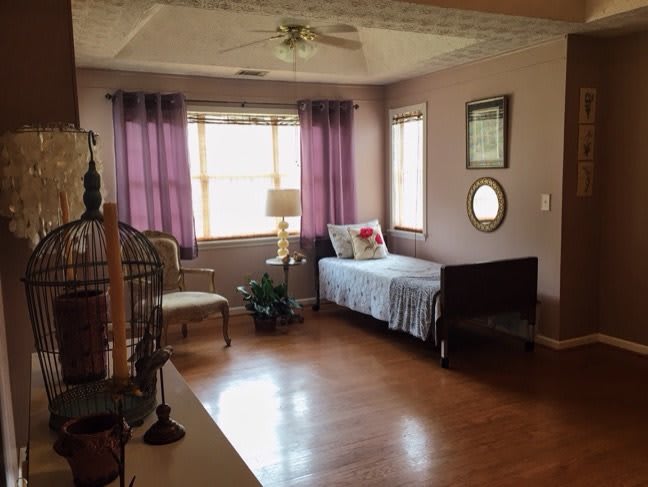
- The facility is clean, cozy, and feels like home.
- The residents are loved and treated as cherished family members.
- The staff are loving, attentive, and amazing.
- The caregivers are angels on earth who truly love and respect the residents.
- The environment is warm, homey, and peaceful.
- The meals are delicious and residents' preferences are respected.
- Families are informed, supported, and trusted by the staff.
- The home provides thorough personal care, including grooming and pampering, beyond the basics.
- The place is immaculate and well maintained, reflecting careful attention to residents' well-being.
Cons
 They felt it was a good place to tour, but unfortunately their mother needed more care than the facility could provide.
Review
Living Treasures Personal Care in Loganville is best suited for seniors who crave a warm, home-like setting where care feels personal, deeply attentive, and consistently loving. This community shines for residents with memory-work needs or Alzheimer's-related challenges who benefit from small, intimate routines, familiar caregivers, and daily acts of grooming, meals, and companionship that feel like family. Families seeking a place where residents are treated with dignity, spoken to with respect, and hugged into a sense of belonging will find this environment uniquely compelling. The three guiding caregivers create a rhythm that makes each day feel predictable in the best possible way, reducing the anxiety that often accompanies transitions into senior living.
Those who should consider alternatives are the ones with higher-acuity medical requirements or the need for frequent, on-site nursing supervision. Several families note that, while the home excels at personal care, it is not designed to absorb complex medical needs or intensive clinical oversight. For residents who require robust, 24/7 nursing care, or who need advanced rehabilitation services beyond daily living tasks, a larger assisted living or dedicated memory-care facility with on-site licensed nurses may be a better fit. A more institutional setting can also be preferable for families prioritizing a wide array of on-site medical services or highly structured clinical programming.
The strongest positives here, genuine warmth, meticulous cleanliness, and a true sense of being cared for like a treasured family member, offset most potential drawbacks. The house feels spotless and inviting, with each resident treated to home-cooked meals, attentive grooming, and daily touches that bolster dignity and self-respect. The staff’s approach is not transactional; it’s relational. Residents receive hair styling, nail care, and help with dressing, which helps them look and feel their best. The atmosphere supports emotional well-being, as families repeatedly describe staff as angels whose love and patience show up in every interaction. This is a setting where residents who value personal recognition and gentle, patient caregiving will thrive.
Communication and trust are standout strengths that further justify the choice for many families. The family-owned model fosters continuity, little to no turnover means residents and their loved ones repeatedly encounter familiar faces, which is priceless for those with memory-related concerns. Families report rapid responsiveness to questions or concerns, with staff providing timely updates. This transparency reduces uncertainty and builds a partnership between caregivers and families. The sense that the staff “knows” each resident’s preferences, from daily routines to preferred ways of being comforted, creates a stability that is hard to find in larger facilities.
The culture at Living Treasures blends a ministry-like devotion with practical, everyday care. The home’s intimate footprint, where the “treasures” are treated as essential members of the family, translates into consistent, respectful interaction, predictable routines, and a dignified daily life. Residents are not just cared for; they are valued, respected, and lovingly engaged, which contributes to contentment and a smoother decline for those facing progressive conditions. The trade-off is real, but carefully considered: a small, close-knit team means limited capacity for medical complexity. For many families, that trade is more than acceptable given the extraordinary warmth, cleanliness, and continuity on offer.
In practical terms, prospective residents should schedule a tour with a prepared list of questions about medical capabilities, medication management, and what happens if a resident needs more care than the home can provide. Observe how caregivers interact with residents, notice the tone, patience, and whether conversations honor resident preferences. Ask about staffing patterns, night coverage, and how medical or dietary changes are handled. For families prioritizing a loving, home-centered environment and Alzheimer’s-friendly routines, Living Treasures represents an exceptional match. For those whose loved one requires higher medical acuity or a more clinical care plan, explore alternatives that deliver deeper nursing oversight and a broader continuum of medical services.
 1-bedroom apartments
 Board and Care Home
 Activities on-site
 Beautician on-site
 Cable or satellite TV
 Devotional services on-site
 Indoor common areas
 Outdoor common areas
 Private
 Wheelchair accessible showers
 Ambulatory care
 Diabetic care
 High acuity care
 Meals provided
 Visiting chaplain or priest




 Effective Strategies for Keeping Seniors' Minds Active: A Deep Dive into Brain Games and Apps
 In-Depth Look at the VA Aid and Attendance Program
 Nurturing Our Loved Ones: A Daughter's Journey in Caring for Her Mother