
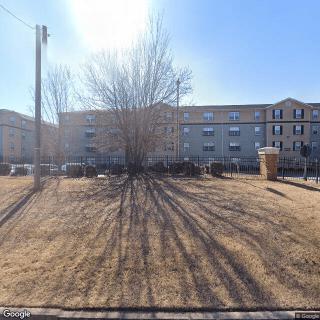
2205 Raven Circle, Lithonia, GA 30058
For more information about senior living options: (866) 208-4318
Overall Review of Care One At Raven Circle
Pros
 Edna Mae Personal Care Home is described as a home away from home where residents feel safe, happy, and well cared for.
- Families report peace of mind knowing their loved ones are in good hands after visits and daily updates.
- The staff are patient, attentive, and treat residents with love, dignity, and compassion.
- Residents enjoy nutritious, home-cooked meals, daily exercise, and engaging activities that support well-being.
- The environment is warm, friendly, and family-oriented, with a strong sense of community.
- The owner, Tawanda Vauss, is praised for meticulous care and a commitment to helping residents live well-rounded lives.
- Reviewers consistently recommend Edna Mae Personal Care Home as a wonderful choice for an aging loved one.
Review
This community is best suited for families seeking a warm, home-like setting where residents are treated with genuine dignity and daily life feels personal rather than institutional. The testimonials paint a picture of a small, family-oriented home environment where caregivers know residents by name, meals are wholesome and lovingly prepared, and each day includes movement, social interaction, and purposeful activity. The tone is intimate: updates and daily well-being are visible through regular family touchpoints, and the residents appear engaged, content, and valued. For families prioritizing comfort, respect, and a sense of belonging over a clinical, impersonal atmosphere, this model delivers consistently high reassurance and peace of mind.
Those considering alternatives should note that this approach may not meet every clinical or memory-care need. While the reviews celebrate broad warmth and attentive caregiving, they do not detail on-site medical staffing, rehab services, or memory-care-specific programming at scale. Families whose loved ones require intensive clinical oversight, around-the-clock nursing, or structured hospital-grade rehabilitation may want to compare with larger facilities that explicitly advertise clinical acuity capabilities. Likewise, communities with expansive programming, campus amenities, or specialized programs for advanced dementia could be more suitable for residents with niche medical needs or highly active social preferences.
The key pros, home-like atmosphere, meticulous, passionate ownership, and deeply personal care, offset potential gaps by delivering practical, observable value in daily life. The staff’s patience and genuine affection translate into consistent, compassionate attention to routine needs, from meals and daily exercise to social interaction and emotional support. Clean, well-maintained grounds and a privacy-conscious layout contribute to safety and dignity. Notably, residents are described as well-fed with home-cooked meals and encouraged to participate in activities that foster social ties and cognitive engagement. For families focused on emotional well-being and daily quality of life, these advantages are powerful and often decisive.
Where the positives truly shine is in the demonstrated commitment to treating residents as family. Descriptions of “love,” “respect,” and a caregiving staff that goes beyond basic duties create a trust framework for families weighing placement. Observations of respectful, patient care, coupled with engaging programs, such as group discussions, exercise, and various social activities, help keep seniors mentally and physically active. The owner’s involvement and the emphasis on a safe, clean, and well-run home offer reassurance that the core daily experience will be consistently positive, even as individual needs evolve. This combination often reduces family stress by providing reliable, transparent, and heartfelt care.
When evaluating decisions, prospective families should inquire about memory-care capacity, clinical oversight, and the availability of ongoing therapies or rehabilitation services. The testimonials highlight dementia-friendly empathy but do not spell out specialized memory-care protocols or medical staffing levels. Visiting the home, meeting caregivers and administrators, and reviewing recent resident outcomes will reveal whether the care philosophy translates into a sustainable clinical readiness. Check the consistency of safety measures, verify dietary accommodations, and confirm that activity programming remains robust beyond any prior era of offerings so current residents receive ongoing stimulation and purpose.
In final terms, this care model is a compelling choice for families who prize a “home away from home” atmosphere, where staff warmth, nutritional quality, daily activity, and familial communication create a reassuring picture of daily living. It excels where personal attention, dignity, and social connection are the centerpiece. For those whose needs extend into heavier clinical care, or who require large-scale programming and formal medical partnerships, it is prudent to explore alternatives with explicit clinical credentials. The best decision arises from aligning the resident’s level of independence, cognitive needs, and desired daily rhythm with a setting that demonstrates, through lived experience, consistent warmth, respect, and dependable day-to-day vitality.
 3 resident community capacity
 Assisted Living
 Board and Care Home
 Cable or satellite TV
 Dining room
 Fully furnished
 Garden
 Housekeeping services
 Move-in coordination
 Outdoor space
 Telephone
 Wi-Fi/high-speed internet available
 William B Hartsfield-Atlanta International (17 miles away)
 24-hour supervision
 Activities of daily living assistance
 Assistance with bathing
 Assistance with dressing
 Assistance with transfers
 Diabetes diet
 Meal preparation and service
 Medication management
 Special dietary restrictions
 Transportation arrangement (medical)
 Transportation to doctors appointments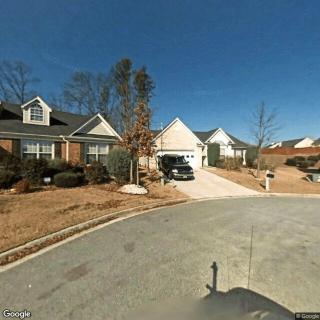



 Comprehensive Insights into Activities of Daily Living (ADLs) and Their Assessment
 Medicare Coverage for Assisted Living: An In-Depth Exploration
 Choosing the Right Senior Care: A Detailed Exploration of Assisted Living and Nursing Homes