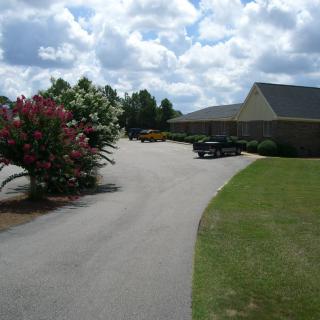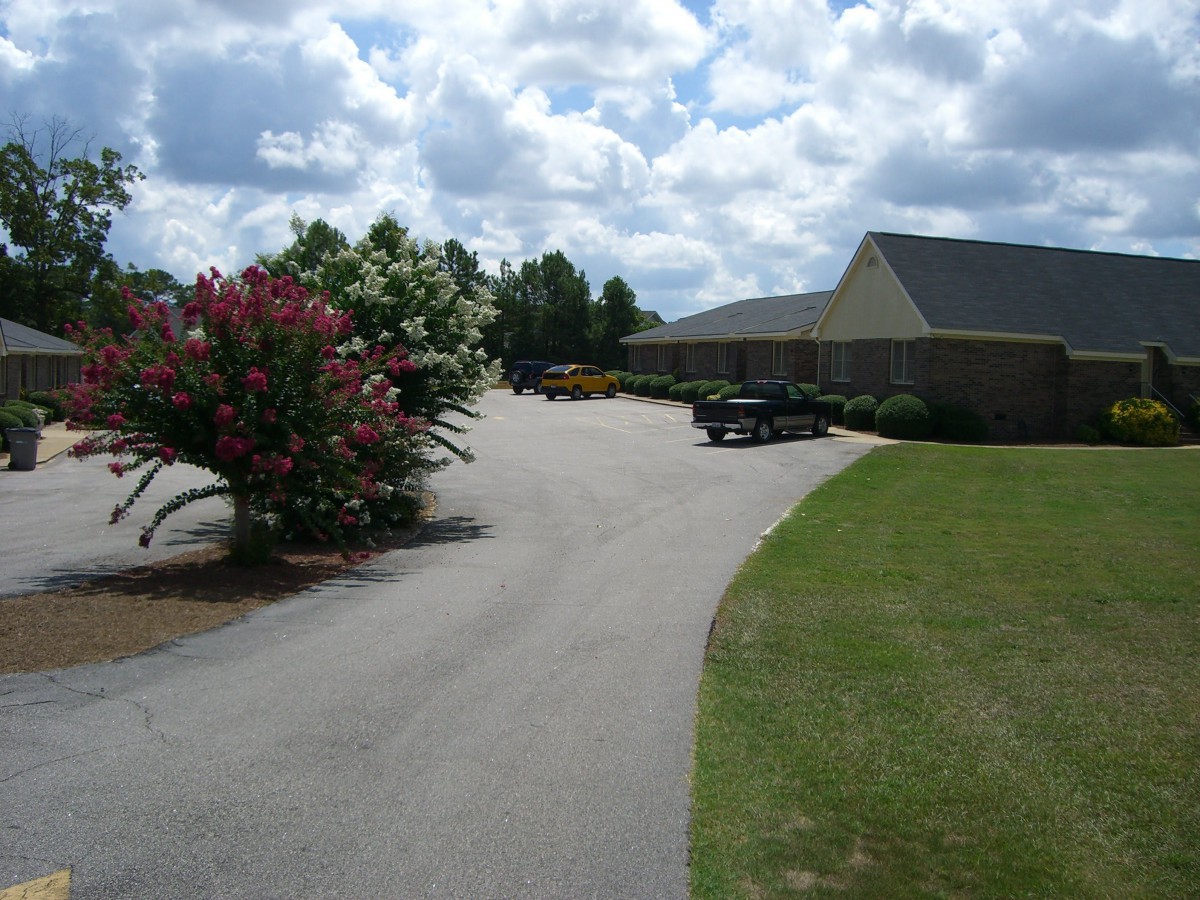
137 Parker Place, Lagrange, GA 30240
For more information about senior living options: (866) 208-4318
Leisure Living Lagrange II Building 2 Costs & Pricing
Leisure Living Lagrange II Building 2 offers competitive pricing for its studio accommodations at $3,000 per month. This cost is significantly lower than the average expenses in Troup County, where similar services typically run around $4,459 per month, and also remains more economical compared to the state average of $3,520 in Georgia. This positions Leisure Living Lagrange II as an appealing option for individuals seeking quality housing that balances affordability with comfortable living arrangements.
| Floor plans | Leisure Living Lagrange II Building 2 | Troup County | Georgia |
|---|---|---|---|
| Studio | $3,000 | $4,459 | $3,520 |
Assisted Living communities with a similar price nearby
-
from +$360 / mo
Vernon Woods Retirement Community
$3,360 to $4,040 / month0.4 miles away -
from -$400 / mo
Valley Park Manor
$2,600 to $4,400 / month15.1 miles away -
from -$250 / mo
LaGrange Heritage Senior Living
$2,750 to $4,600 / month1.7 miles away
Overall Review of Leisure Living Lagrange II Building 2
Pros
 The staff have been very good to residents' loved ones, and the community is close to families.
- The staff are attentive and proactive, always on top of issues.
- The staff provide meticulous care and only call ambulances when absolutely necessary.
- Residents are kept clean and rooms are kept tidy and orderly.
- The day staff do a good job with meals and cleaning.
- The community seems to offer some nice activities and amenities.
- The place is kept very clean and well organized.
- The CNAs are extremely nice and very sweet to residents.
- The facility provides special attention to residents' dietary needs.
Cons
 The hallways are a little too dark.
- The reviewer advises against placing loved ones there.
- The facility is described as a joke by the reviewer.
- There are absolutely no activities offered.
- There are no recreational, social, or educational activities.
- The facility has bed bugs.
- The administrator and the owners are perceived as corrupt.
- The facility should be shut down.
- Staffing levels are severely limited and not enough to handle emergencies.
- The facility cannot provide the level of care needed and lacks nursing and rehabilitative care.
Review
Leisure Living Lagrange II Building 2 is best suited for families seeking a clean, well-maintained environment where staff responsiveness is reliable and proximity to loved ones is a tangible benefit. It works best for seniors who mainly need help with daily tasks but do not require intensive medical oversight or a robust slate of on-site activities. In short, this community can be a solid fit for residents who value a calm, orderly setting and are comfortable with limited programming and minimal clinical services.
Those weighing alternatives should be aware that this community may not satisfy residents who expect structured social engagement, frequent recreational programming, or a strong nursing presence. Families needing a secure, highly active environment with routine therapeutic services will likely want to explore larger facilities with dedicated memory care, rehabilitation, or more expansive activity calendars. Potential residents who require regular, supervised bathing, more frequent clinical checks, or a broader menu of daily activities may find this option lacking.
On the plus side, cleanliness stands out. The facility generally presents well, with rooms kept orderly and a culture of keeping residents clean and well-groomed. The staff are described as attentive and quick to respond to problems, with a notable effort to avoid unnecessary emergency interventions. Residents report that meals and daily care in the daytime shifts are solid, and that staff members are kind, patient, and focused on maintaining basic standards of comfort and hygiene. The communal environment can feel homey for families who place priority on a well-kept, predictable routine and on being able to visit without scheduling barriers.
However, the most consequential drawbacks center on activity and clinical support. A number of families report a near-absence of planned activities, social events, fitness programming, or formal religious or educational offerings. The criticisms consistently point to a lack of nursing and rehabilitative care, with concerns about bathing schedules and the overall pace of addressing care needs. Some residents describe limited staffing, especially outside standard day hours, which strains responses to emergencies or sudden changes in condition. Reports of inadequate meals or limited dietary variety also emerge, along with concerns about overall responsiveness to personal care requirements.
The balance between strengths and weaknesses hinges on what is prioritized. The cleanliness, dependable day-to-day care, and proximity to family create a solid baseline for comfort and safety, and these factors can offset some daily frictions for residents who already have light care needs. Yet the absence of a robust activity program, scant clinical oversight, and reports of understaffing significantly temper the appeal for anyone seeking an engaging daily life or consistent, professional nursing support. When a residentā€™s needs are at the edge of what this building provides, particularly for those with complex medical, mobility, or cognitive challenges, the cons overwhelmingly tilt toward exploring alternatives.
In practical terms, this community tends to work best for families who can supplement with external engagement and who are prepared to navigate limited on-site clinical resources. Prospective residents should conduct thorough, repeated visits, ideally at weekends and evenings, to observe actual staffing levels and programming, and to gauge whether the environment feels secure and well supervised. Clear expectations regarding bathing routines, meal variety, and the ability to address emergent needs must be established upfront. For those with higher care needs, consider alternatives that offer stronger nursing, more comprehensive activity calendars, and a more explicit commitment to security and rehabilitation services.
 15 resident community capacity
 Assisted Living
 Board and Care Home
 Activities off-site
 Air-conditioning
 Bath tubs
 Beautician on-site
 Cable or satellite TV
 Devotional services off-site
 Dining room
 Fully furnished
 Garden
 Ground floor units
 Handicap accessible
 Housekeeping services
 Indoor common areas
 Kitchenette
 Move-in coordination
 Outdoor common areas
 Respite or short term stays offered
 Telephone
 Wheelchair accessible showers
 Wi-Fi/high-speed internet available
 24-hour supervision
 Ambulatory care
 Assistance with bathing
 Assistance with dressing
 Assistance with transfers
 Diabetes diet
 Incontinence care
 Meal preparation and service
 Medication management
 Special dietary restrictions
 Transportation arrangement (medical)
 Transportation to doctors appointments
 Bible study group
 Choir / singing club
 Live musical performances
 Stretching classes

 Comprehensive Insights into Activities of Daily Living (ADLs) and Their Assessment
 Medicare Coverage for Assisted Living: An In-Depth Exploration
 Choosing the Right Senior Care: A Detailed Exploration of Assisted Living and Nursing Homes