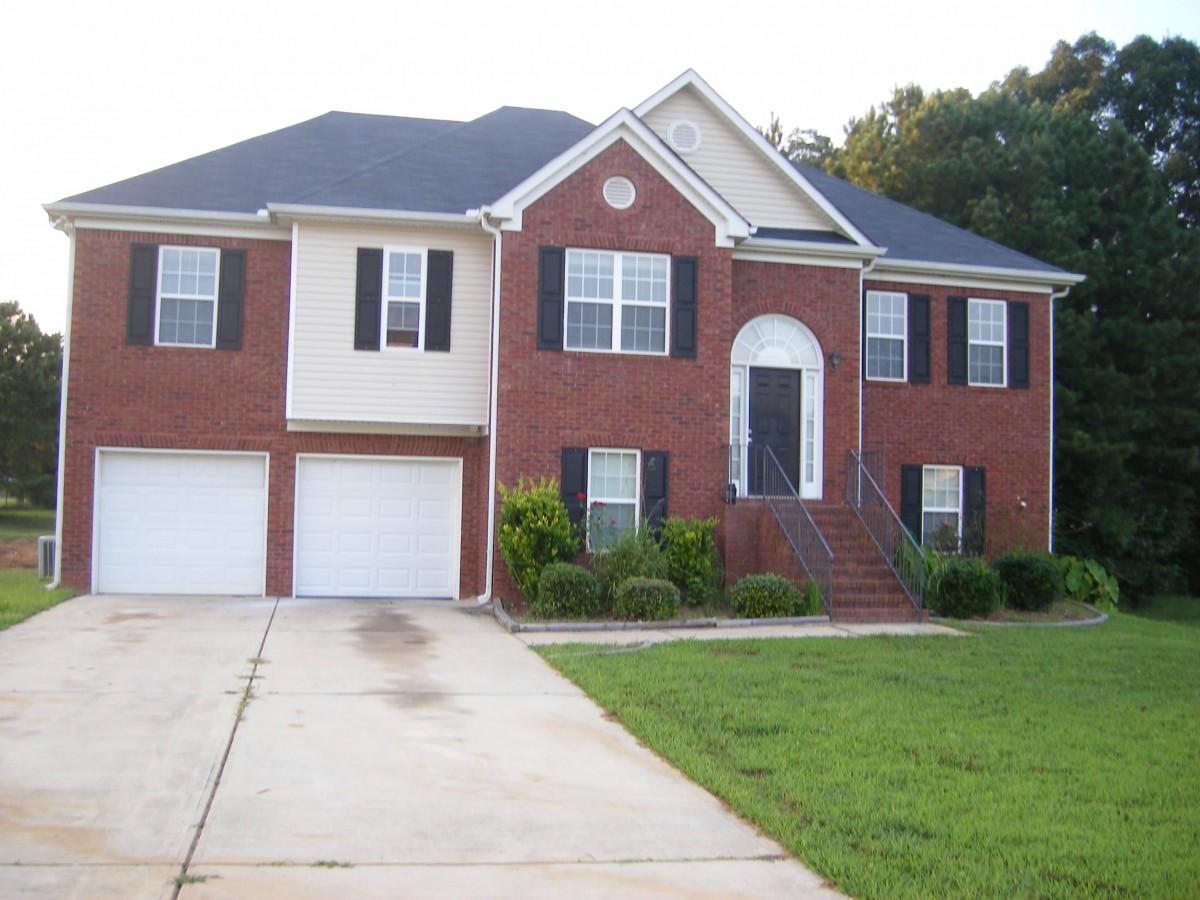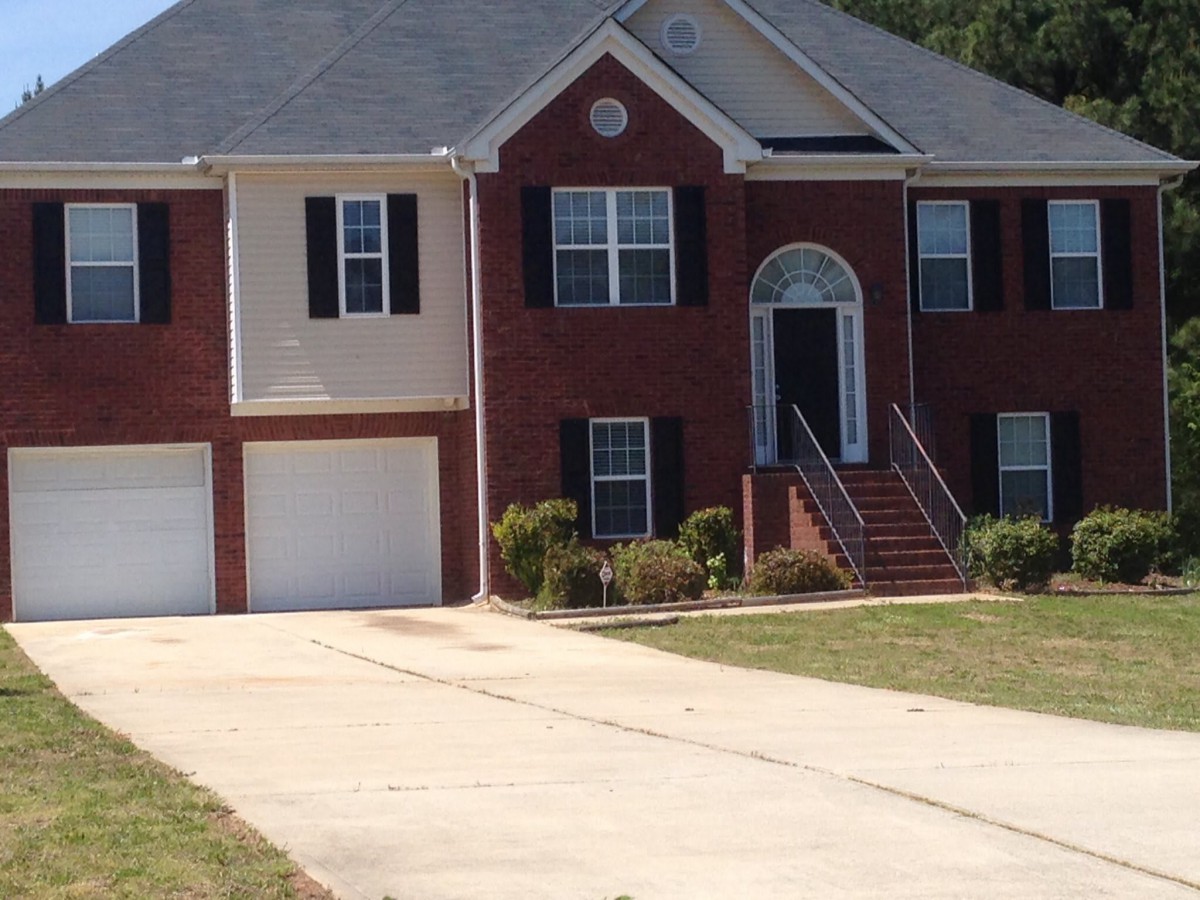
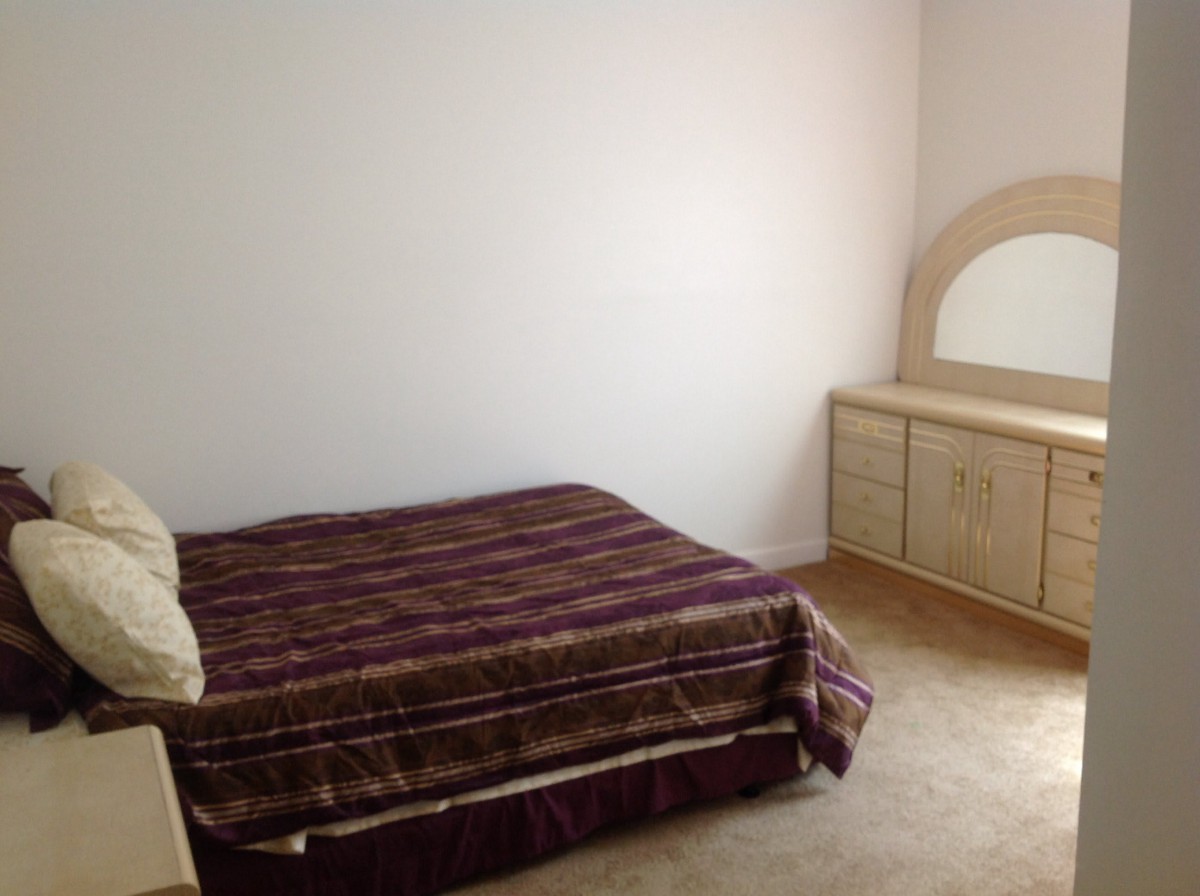
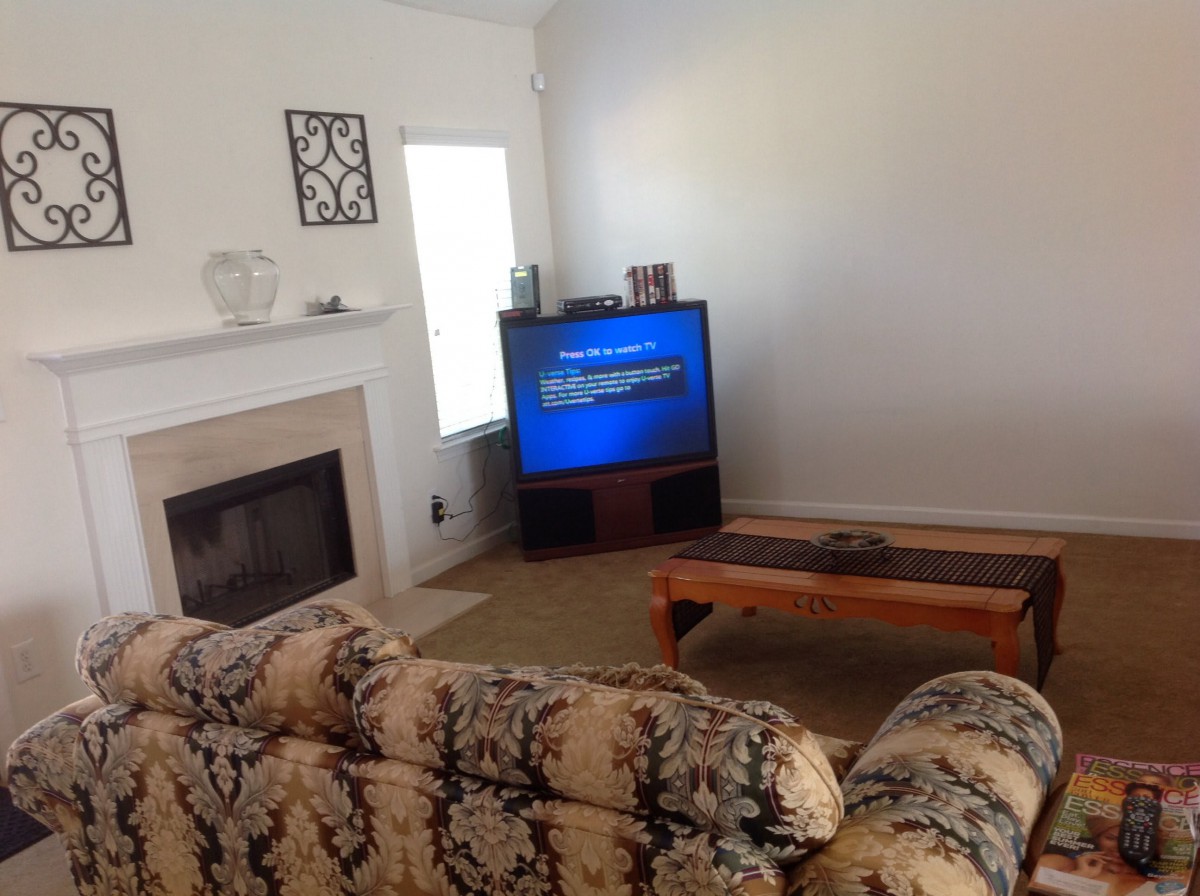
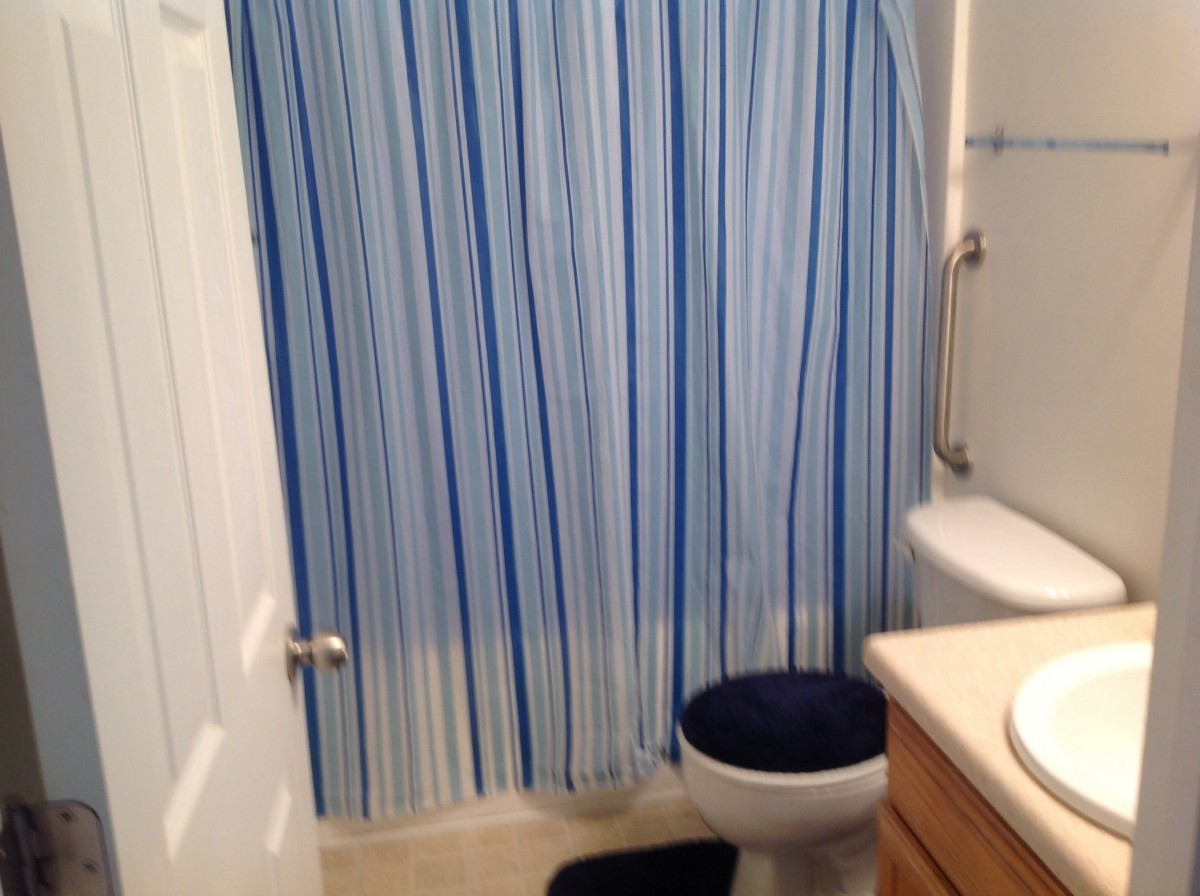
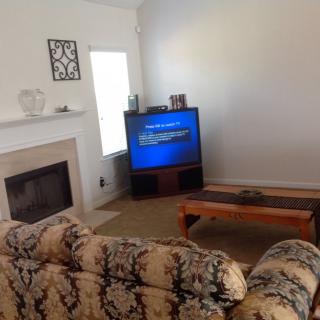
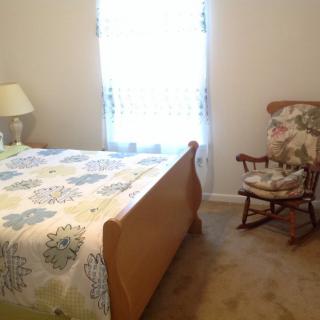
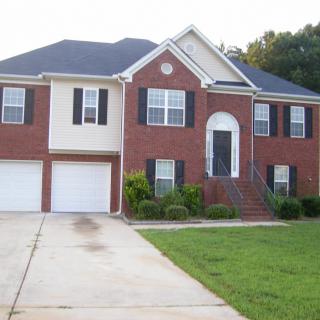
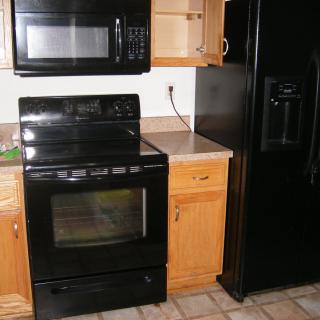

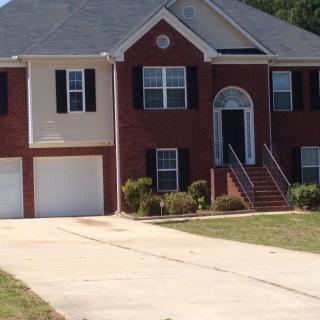
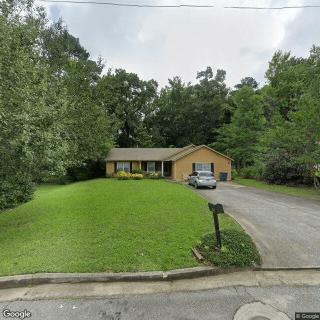
1085 Walnut Creek Lane, Jonesboro, GA 30238
For more information about senior living options: (866) 208-4318
National Residential Home Services Costs & Pricing
National Residential Home Services offers competitive pricing for various room types across different regions. For a semi-private room, the national average cost is $2,400, which aligns closely with the Fayette County rate of $2,236, while slightly surpassing the Georgia state average of $2,529. In contrast, both one-bedroom and private rooms at National Residential Home Services are priced at $3,000 each; however, this figure is notably lower than the cost in Fayette County at $3,643 and remains consistent with Georgia's average of $3,412 for one-bedroom accommodations. When it comes to private rooms, National Residential Home Services again presents a favorable option at $3,000 compared to Fayette County's higher rate of $2,493 and Georgia's state average of $2,864. Overall, these costs reflect a strategic positioning that aims to provide value while maintaining quality care across the board.
| Floor plans | National Residential Home Services | Fayette County | Georgia |
|---|---|---|---|
| Semi-Private | $2,400 | $2,236 | $2,529 |
| 1 Bedroom | $3,000 | $3,643 | $3,412 |
| Private | $3,000 | $2,493 | $2,864 |
Memory care communities with a similar price nearby
-
from -$300 / mo
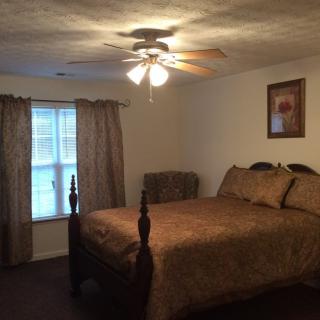
Abiding Care Home
$2,100 / month14.5 miles away -
from +$400 / mo
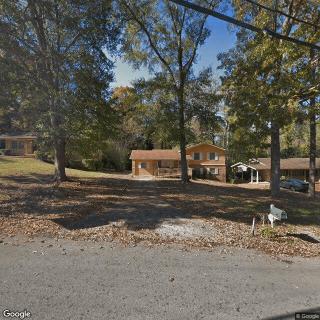
Wellness Community
$2,800 to $4,275 / month14.1 miles away -
from -$230 / mo

Arbor Terrace at Cascade
$2,170 to $6,975 / month19.2 miles away -
from -$400 / mo

Patron Place PCH
$2,000 to $2,500 / month21.8 miles away -
from -$200 / mo

Wesley Woods of Newnan - Peachtree City
$2,200 to $3,710 / month18.3 miles away
Overall Review of National Residential Home Services
Pros
 Caring Hands has been an excellent experience for families.
- The staff is great.
- They do what they say they will do.
- They keep the family informed about things.
- They stay in touch with residents' needs.
- They keep track of things and call the family when something seems out of character.
- They take reasonable action to rectify situations.
- The loved one seems to really like the food.
- Overall, the community is great, and families feel secure knowing their loved ones are well cared for.
- The director was pleasant and answered questions.
- The place has a nice fenced-in back yard.
- The price offered more services than another facility.
Cons
 They could probably do more with the activities.
Review
National Residential Home Services in Jonesboro is best suited for families seeking an intimate, highly hands-on care environment where staff know residents by name and stay tightly connected with families. The facility’s Caring Hands model, emphasizing ongoing communication, vigilant monitoring, and quick, individualized responses, delivers a sense of security that is hard to match in larger communities. This setting tends to attract residents who thrive on routine, predictable oversight, and who prefer a home-like atmosphere over a hospital-style atmosphere. For families who want to be looped in about daily happenings and who value a staff that will proactively flag changes, this option hits the mark with surprising clarity.
Those considering alternatives should note that this is not the strongest choice for families prioritizing expansive social programming or wide-ranging clinical services. If a resident needs a broad calendar of group activities, frequent off-site outings, or comprehensive on-site therapy options, a larger community may deliver more variety. Similarly, if the plan requires robust medical staffing around the clock or access to a broader continuum of care, the tight, four-resident footprint described in tours suggests a more limited set of resources. In short, when independence meets a need for high-touch care, this setting excels; when social breadth or advanced clinical capacity is paramount, look elsewhere.
The most compelling pro is the staff’s reliability and communicative discipline. Reviewers repeatedly note that the team does what it says it will do, keeps families informed, and makes timely calls when something seems out of character. That level of accountability translates into real tangible reassurance for worried relatives, especially during transitions or when changes in mood or appetite appear. Meals and kitchen oversight also stand out, with the impression of well-managed dining that residents appear to enjoy. The small scale reinforces this strength: with only a handful of residents, kitchen, caregiving, and administrative duties dovetail cleanly, producing consistency families can trust.
On the flip side, the same small scale can constrain opportunities for social interaction and enrichment. Activities exist, but their frequency and breadth may lag behind what many families expect from an assisted living option. The second reviewer’s note about the facility housing just four residents at a time underscores a trade-off: a quieter, more personalized environment versus a more dynamic, neighbor-rich atmosphere. For residents who thrive on constant peer engagement, or who benefit from a robust calendar of events, the limited resident pool may feel restrictive. That said, the intimate setting can mitigate loneliness for some, if staff actively facilitates individualized engagement.
The key to weighing pros against cons lies in the alignment between resident need and the home’s distinctive strengths. The high level of caregiver attentiveness, coupled with transparent family communication, directly offsets the potential downsides of a smaller community by enabling rapid problem-solving and tailored care plans. Families can expect quick, visible responses to concerns, and a kitchen operation that supports dignified meals. The main risk, limited activity breadth, can be mitigated by partnering with staff to curate resident-driven activities, leveraging the home’s intimate culture to tailor outings or in-house events to individual interests.
For families moving toward a decision, the practical path is clear: prioritize this option if the goal is unwavering oversight, predictable routines, and a setting that feels private, safe, and home-centered. If the priority leans toward maximal social programming, broader services, or extensive medical staffing, alternatives will likely serve better. Before deciding, request a candid conversation with the director about daily schedules, current activity offerings, and how care plans are updated and shared with families. Review menus, talk through how emergencies are handled, and seek a transparent outline of what is included in the price versus what would incur add-ons. The verdict comes down to whether the resident’s needs and family expectations align with the intimate, highly responsive, and security-forward ethos this community delivers.
 4 resident community capacity
 Assisted Living
 Board and Care Home
 Memory Care
 Dogs allowed
 Activities off-site
 Air-conditioning
 Bath tubs
 Cable or satellite TV
 Devotional services off-site
 Dining room
 Fully furnished
 Garden
 Housekeeping services
 Indoor common areas
 Move-in coordination
 Outdoor common areas
 Private
 Private bathrooms
 Respite or short term stays offered
 Telephone
 Wheelchair accessible showers
 Wi-Fi/high-speed internet available
 William B Hartsfield-Atlanta International (12 miles away)
 24-hour supervision
 Ambulatory care
 Assistance with bathing
 Assistance with dressing
 Assistance with transfers
 Diabetes diet
 Diabetic care
 Incontinence care
 Meal preparation and service
 Medication management
 Special dietary restrictions
 Transportation arrangement (medical)
 Transportation to doctors appointments
 BBQs or picnics
 Birthday parties
 Day trips and outings
 Wii bowling

 Comprehensive Insights on the Late Stages of Dementia: What to Expect and How to Provide Care
 Medications Associated with Dementia Risk: A Comprehensive Overview
 Guiding Your Journey: Understanding Power of Attorney for Elderly Parents