
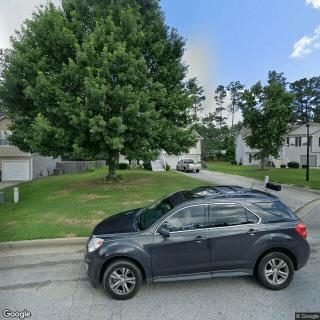
10283 Richfield Court, Jonesboro, GA 30238
For more information about senior living options: (866) 208-4318
Overall Review of Grand Helpers Personal Care Home
Pros
 Monique, the owner, cares for residents as if they were her own family.
- Monique welcomes questions with patience and never makes families feel like a burden.
- The home is consistently safe, clean, and filled with genuine compassion.
- Residents receive excellent care delivered with dignity, kindness, and respect.
- Monique and her staff go above and beyond to provide excellent service.
- The facility is spacious, well-kept, and free of odor, making residents feel welcome.
- The staff are patient, understanding, and deeply knowledgeable about memory loss.
- Families feel reassured and grateful for the compassionate care their loved ones receive.
Cons
 A reviewer claimed the facility smells like DOO DOO when you walk in.
- The reviewer alleged that Monica Gibson is very unprofessional and ghetto and advised against sending loved ones there.
Review
This community is best suited for families seeking a small, home-like personal care option where memory-impairment support, daily compassion, and hands-on leadership come first. The standout feature across reviews is the owner’s direct involvement and a staff team that treats residents as if they were family. The environment is described as spacious, clean, and odor-free, with residents enjoying calm routines, meaningful interaction, and personalized attention. It works particularly well for those needing memory-care support, respite stays, or a transitional setting where dignity, patience, and gentle communication are prioritized over institutional formality. For families that want a warm, intimate atmosphere with visible caregiver investment, this is the strongest fit.
Nevertheless, this option is not ideal for every senior or every family scenario. Those who require a large, highly structured campus with 24/7 nursing oversight and robust on-site medical programs may be better served elsewhere. A single-operator, intimate model, while deeply personal, may raise questions for families seeking extensive clinical throughput, standardized protocols, or corporate accountability. And while the majority of experiences are exceptionally positive, one unfavorable review cites odor and perceived unprofessionalism, underscoring the importance of in-person visits and firsthand impressions before committing. Alternatives should be considered for families prioritizing highly formalized systems or broader medical resources.
The strength of this community lies in its proven heart-forward care and the way it offsets potential drawbacks with relationship-building and transparency. Families repeatedly note that staff are patient, compassionate, and consistently responsive to questions. The owner’s hands-on leadership, often described as “heaven-sent” or irreplaceable, translates into steady communication, quick problem-solving, and a sense of continuity that helps families sleep better at night. For memory care residents, the emphasis on reassurance, dignity, and personalized routines can dramatically reduce agitation and confusion, which in turn minimizes family stress. Where cons exist, the remedy is clear: verify staffing norms, care-planning specifics, and the mechanism for ongoing family updates during the stay.
Practical decisions emerge from these themes. Prospective movers should probe how memory-care plans are crafted and updated, what training staff possess for dementia-related behaviors, and how daily life is structured, from meals to activities to safety measures. Reviewers point to tangible comforts: rooms configured with safety rails, comfortable seating, and accessible entertainment, plus clear evidence of a clean, welcoming environment and sensory-friendly smells. Family contact systems also stand out, the ability for staff to facilitate direct calls to loved ones and keep relatives informed about daily progress. These elements translate into fewer administrative headaches for families and more reliable peace of mind about day-to-day welfare.
From a care-planning perspective, this setting shines for families who value continuity, emotional warmth, and a cooperative style of caregiving. It is especially compelling for those navigating dementia diagnoses, as caregivers report tailored attention to cognitive challenges, patient pacing, and relationship-building with residents. The trade-off is a less centralized, more intimate operation where the owner and a small crew carry the bulk of responsibility. That means solid personal chemistry and trust are essential, while the risk is that coverage gaps or staffing fluctuations may be less predictable than in larger facilities. Prospective clients should bring questions about nurse availability, emergency protocols, and how care plans scale as needs evolve.
Bottom line: for families who want a deeply personal, memory-care–savvy, and caregiver-led environment, this community offers compelling value and a proven track record of kindness and competence. The overwhelmingly positive feedback points to a setting where residents aren’t just cared for, they are treated like family, with clear caregiver accountability and accessible family communication. Those who need a more clinical or corporate care footprint, or who have serious concerns about odor or professionalism based on a single negative review, should tour alternative options with a watchful eye on staffing ratios, medical support capabilities, and objective licensing records before deciding. The prudent path is a thorough in-person visit, direct conversations with staff and current families, and a careful read of care plans to ensure alignment with long-term goals and financial clarity.
 3 resident community capacity
 Assisted Living
 Cable or satellite TV
 Dining room
 Fully furnished
 Garden
 Housekeeping services
 Move-in coordination
 Outdoor space
 Telephone
 Wi-Fi/high-speed internet available
 William B Hartsfield-Atlanta International (12 miles away)
 24-hour supervision
 Activities of daily living assistance
 Assistance with bathing
 Assistance with dressing
 Assistance with transfers
 Diabetes diet
 Meal preparation and service
 Medication management
 Special dietary restrictions
 Transportation arrangement (medical)
 Transportation to doctors appointments




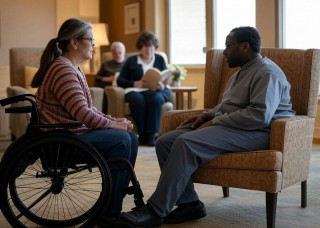 Comprehensive Residential Support and Assisted Living Solutions for Individuals with Disabilities
 Comprehensive Supportive Living Arrangements for Adults with Disabilities
 Funding and Affording Assisted Living: A Thorough Overview