
745 Mona Ave, Jesup, GA 31545
To contact a resident: (912) 427-8365
For more information about senior living options: (866) 208-4318
Overall Review of Country Garden Personal Care
Pros
 Residents love living there.
- The staff is consistently nice.
- The care is excellent, with staff responsive to residents' needs and offering loving care.
- Rachel, the administrator, was wonderful to residents, and Southern Grace Hospice went over and beyond to care for them.
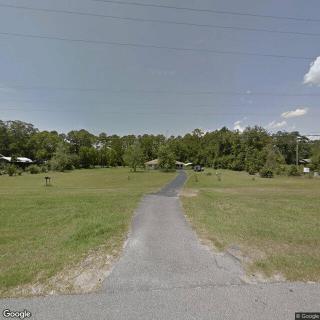
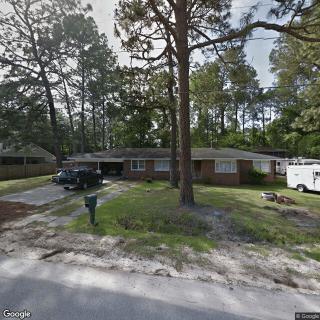
- The facility is beautiful and well maintained, with friendly staff and many activities.
- The community is great, clean, and staffed by people who truly care about residents.
Cons
 The reviews describe the overall experience as awful.
- The facility is essentially memory care (98%), making it unsuitable for those who don’t have dementia.
- Most of the care staff are unmotivated and uncaring and often don’t respond to pendant calls.
- The food is terrible.
- The director should have disclosed that this is essentially a memory care/nursing home environment.
- Residents were allowed to wander with little activities, while monthly payments were promptly collected.
- The customer service after end of life is pitiful; the billing department exists only to collect money, and the owner won’t return calls or follow up.
- The phones and doors are inconsistently answered, making visits difficult.
Review
This community is best suited for families seeking memory-care oriented support for a loved one with dementia or advanced cognitive needs, particularly when a well-kept, calm environment and direct, personal attention from staff are priorities. It is not a good fit for seniors who do not have dementia or who require robust social programming and consistent, highly responsive service across all hours. Alternatives are worth considering for residents who want easier access to staff, clearer visitation processes, or a more generalized assisted-living model rather than a memory-care heavy setting. In short, Country Garden Personal Care foregrounds memory-care dynamics, and that focus should align with the resident’s diagnosis and daily care expectations.
On the positive side, the facility’s presentation and upkeep are real advantages. Several observers describe a beautiful, clean, and well-maintained building, with a calm atmosphere that can feel reassuring to families touring or visiting frequently. When staff are present and attentive, residents appear to receive loving, individualized care, and administrators who are praised in some accounts, particularly when coordinating with hospice teams, can deliver meaningful, hands-on support. Even among mixed experiences, the memory-care environment can translate to structured routines and familiar routines for residents with dementia, which some families found comforting and appropriate for long-term stability.
But the negatives cast a long shadow. A recurring theme across reviews is inconsistent staff responsiveness, especially around call bells and urgent requests. Visitation and admissions procedures can feel opaque or cumbersome, with reports of difficulty reaching staff by phone or at the door. Several accounts depict staffing shortages or low morale, including observations of only a few employees during tours and challenges sustaining engagement activities for residents. The facility’s identity as “memory care first” has produced wander-risk concerns and questions about how well non-dementia residents fit in, particularly when activity offerings are uneven or underutilized.
These strengths do not fully offset the core drawbacks. The most serious friction points, delayed responses to emergencies or questions, unreliable communication with families, and ongoing billing frustrations, undercut the credibility of otherwise positive care stories. Instances of billing disputes, promises that go unfulfilled, and owners not returning calls erode trust and complicate financial planning for families already navigating tight budgets. When the administration itself is described as transitional or inconsistent, it becomes difficult to rely on a steady care plan or predictable level of follow-through, even if individual staff members genuinely care for residents.
Families weighing alternatives should note several clear red flags. Residents who are not dealing primarily with dementia may find the environment confining or misaligned with their social and activity needs. For those who prize seamless communication, easy access to the facility, and transparent billing, and who want dependable, responsive staff at all times, this community may fall short. The mix of high-quality, compassionate care from some staff with systemic management and operational gaps creates a risk-profile that shifts depending on which shift, administrator, or hospice partner is present. In short, it is not a universal fit; it is best suited for dementia-focused care where the care plan is well-matched to the resident’s cognitive needs and where families are prepared to navigate occasional administrative friction.
Actionable next steps for families: arrange visits at different times to sample responsiveness, test how the front desk handles inquiries, and request direct contact with the administrator to review current care plans and staffing schedules. Verify the resident mix, what percentage has dementia, what activities are routinely offered, and how wandering safety is managed. Probe the billing process: confirm what services are included in the monthly rate, what constitutes extra charges, and who to contact for disputes. If the goal is a straightforward assisted-living experience with reliable communication, consider alternatives that emphasize transparent operations and readily available staff. Country Garden Personal Care remains a legitimate option for dementia-forward care in a well-kept setting, but the decision should hinge on whether the memory-care emphasis and current management stability align with the resident’s needs and the family’s expectations for consistency and accessibility.
 Board and Care Home

 Navigating the Financial Road to Nursing Home Care: In-Depth Guidance and Resources
 Supportive Employee Benefits That Help Caregivers Attain Better Work-Life Harmony
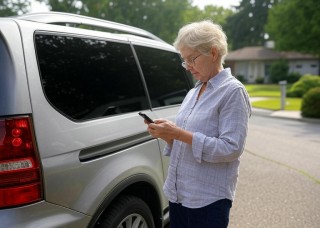 Top Cars for Senior Drivers and Essential Safety Innovations