
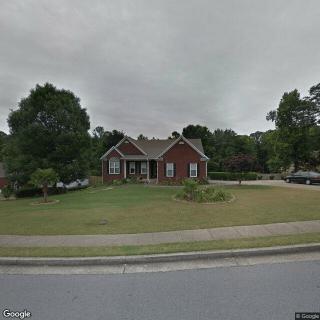
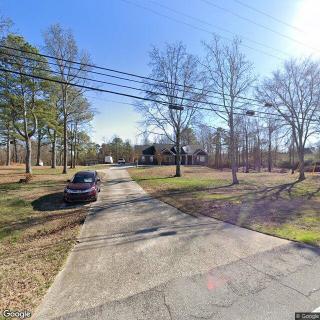
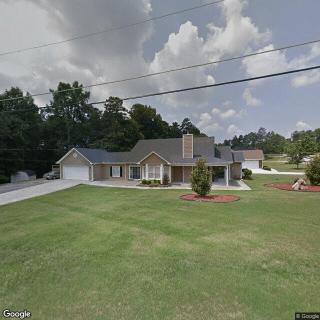
1552 Dee Kennedy Road, Hoschton, GA 30548
For more information about senior living options: (866) 208-4318
Overall Review of Garden Of Eden - Personal Care Home Services
Pros
 Angels Blessings is described as a blessing by the families.
 - The staff provides genuine care, strong attention, and clear communication with families.
- The facility is clean, well organized, and updated, with easy accessibility.
- The environment feels like home, and residents are often smiling during visits.
- Paceline and Chloe are regarded as angels and blessings to the family.
- The home is safe and residents are well cared for.
- Families view moving a loved one to Angels Blessings as the best decision and highly recommend it.
Review
This community is best suited for families seeking a small, home-like personal care setting for a loved one who does not require intensive medical services. In Hoschton, GA, Garden Of Eden - Personal Care Home Services earns strong alignment with residents who benefit from steady supervision, highly personalized attention, and routines that feel familiar rather than clinical. The accounts of Angels Blessings emphasize a setting where caregivers know residents by name, where one-on-one time is the norm, and where daily life is organized around safety, comfort, and predictable, gentle care. For seniors with early to mid-stage memory concerns or for those who value clear family communication and a calm, reassuring atmosphere, this appears to deliver a trustworthy, homelike option.
Families should consider alternatives if a loved one’s needs exceed what a small home can provide. Larger assisted living communities or facilities with on-site licensed nursing and more extensive dementia programming may be preferable for residents requiring 24/7 skilled oversight, complex medication management, or a broader range of structured activities. The intimate model can limit access to diversified clinical resources and rapid response to medical changes. If mobility outgrows a single-story home or if an integrated care team with frequent physician or specialist visits is essential, it is prudent to compare options beyond the small personal care approach.
Core advantages come from the setting’s intimate scale. The care team can deliver continuous, meaningful attention and fast, transparent communication with families. Cleanliness and a homey atmosphere reduce stress and support dignity in daily routines, while the absence of stairs or elevators lowers fall risk and simplifies visits. Descriptions of Miss Paceline and Miss Chloe as compassionate, reliable caregivers reinforce confidence that residents are known and cherished rather than processed. The stories of improved mood and safety for loved ones with memory challenges demonstrate that the human touch, consistency, empathy, and proactive updates, often translates into tangible quality-of-life gains that matter most to families during transition.
Yet the small, caregiver-led format naturally imposes constraints. Staffing levels, while adequate, may not match larger campuses during peak times, potentially slowing response. The facility may lack some advanced medical resources or the breadth of specialized dementia programming found elsewhere. For residents who need frequent clinical oversight, rapid access to specialists, or expansive social programming, these gaps can become meaningful. These are not deal-breakers for many families, but they are important considerations to verify before committing, alongside a clear understanding of who will handle medication management and emergency escalation.
The positives offset the potential gaps through trust-building, transparency, and daily warmth. When a family can see consistent caregiver relationships, receive timely updates, and visit a clean, welcoming home-like setting, anxiety decreases and confidence rises. The personal care approach also keeps life simple for residents: predictable routines, familiar surroundings, and the comfort of being treated as individuals. The care team’s openness about routines, concerns, and progress, paired with resident smiles during visits, provides a practical measure of ongoing wellbeing that often surpasses what higher-volume facilities can promise. In scenarios like memory care, where consistent, compassionate presence matters most, these attributes can be decisive.
For decision-making, prioritize direct observations of interaction quality, inquire about staff-to-resident ratios, and verify how dementia care is coordinated day-to-day. Confirm the level of nursing support, medication management procedures, and escalation plans for health changes. Seek details on activities, meals, and daily structure to ensure alignment with preferences. Clarify admission criteria, pricing, and which services are included. Above all, assess whether the facility’s ethos, clear communication, genuine warmth, and visible safety, matches the family’s expectations for lifelong care. If these align, Angels Blessings in Hoschton represents a compelling, home-centered option within Garden Of Eden.
 4 resident community capacity
 Assisted Living
 Cable or satellite TV
 Dining room
 Fully furnished
 Garden
 Housekeeping services
 Move-in coordination
 Outdoor space
 Telephone
 Wi-Fi/high-speed internet available
 24-hour supervision
 Activities of daily living assistance
 Assistance with bathing
 Assistance with dressing
 Assistance with transfers
 Diabetes diet
 Meal preparation and service
 Medication management
 Special dietary restrictions
 Transportation arrangement (medical)
 Transportation to doctors appointments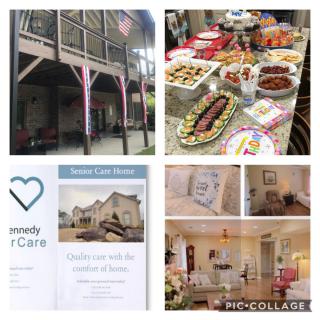




 8 Key Indicators That Suggest It May Be Time to Transition from Assisted Living to Skilled Nursing Care
 Vibrant Senior Living: A Comprehensive Guide for Active Older Adults
 When to Transition from Assisted Living to Memory Care: Key Indicators, Steps, and Finding the Right Community