
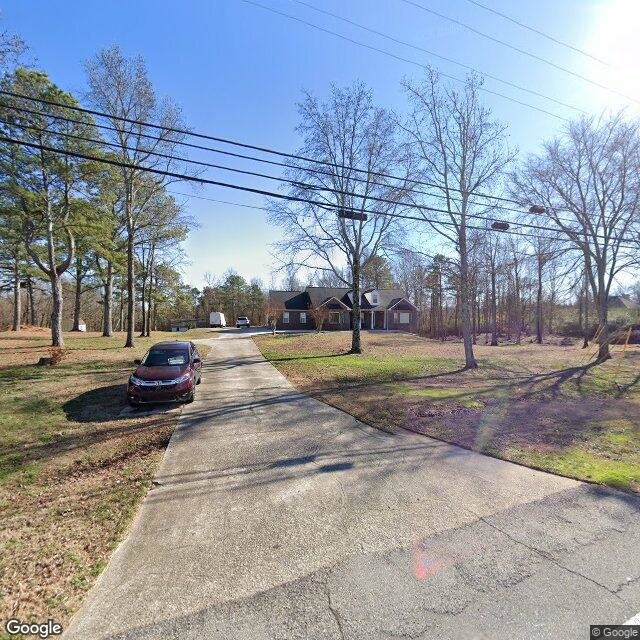
4625 Spout Springs Road, Buford, GA 30519
To contact a resident: (678) 889-2329
For more information about senior living options: (866) 208-4318
Spout Springs Personal Care Home Costs & Pricing
Spout Springs Personal Care Home offers private rooms at a competitive monthly rate of $3,000, which is notably lower than the average cost in Hall County at $3,368. When compared to the state average for Georgia, which stands at $2,864, Spout Springs positions itself within a favorable range, appealing to families looking for quality personal care without excessive financial strain. This pricing strategy reflects an understanding of local market dynamics while ensuring residents receive the supportive environment they need.
| Floor plans | Spout Springs Personal Care Home | Hall County | Georgia |
|---|---|---|---|
| Private | $3,000 | $3,368 | $2,864 |
Senior living communities with a similar price nearby
-
from -$150 / mo
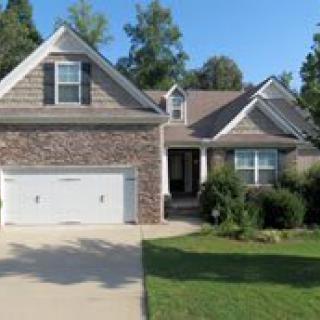
Miss Willie's Manor
$2,850 to $3,250 / month5.4 miles away -
from -$500 / mo
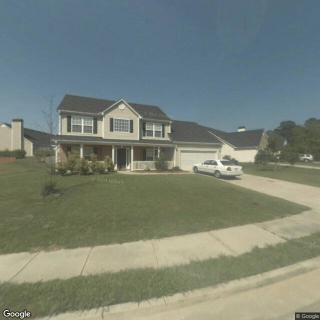
Eden Home Care
$2,500 / month15.4 miles away -
from +$500 / mo
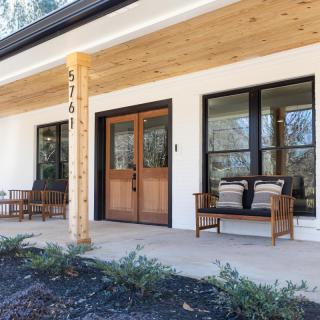
Watermark Senior Living
$3,500 / month8.7 miles away -
from -$500 / mo
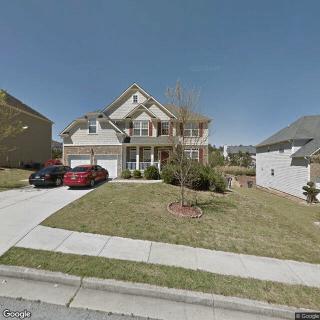
Loving Angels Home Care
$2,500 / month10.6 miles away -
from -$500 / mo

A & C Personal Care Home
$2,500 to $4,000 / month24.8 miles away
Overall Review of Spout Springs Personal Care Home
Pros
 The care is exceptional and tailored to each resident’s needs.
- The level of individualized attention and communication is truly remarkable.
- The staff demonstrate genuine compassion and dedication, ensuring residents feel valued and supported.
- Calina and Allen have quickly become dear friends to the families.
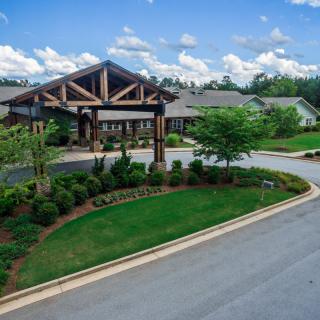
- The home is impeccably maintained with beautifully landscaped outdoor spaces.
- Inside the home there are no unpleasant odors, creating a comfortable and inviting environment.
- The residents enjoy homemade meals and desserts.
- The residents and staff feel like family; the home is warm, clean, and cozy.
Review
This intimate, home-like personal care setting in Buford, GA is best suited for families seeking highly personalized, caregiver-driven support for a senior who needs more than standard assisted living but does not require full-time medical nursing on every shift. The community shines when care plans are tailored to individual needs, and when communication between staff and families is constant and substantive. Residents benefit from a calm, clean, and cozy environment where attention to daily routines, meals, and safety feels deliberate rather than transactional. For parents who value a warm, almost “family” atmosphere and fast, responsive adjustments to changing needs, this option stands out as a strong fit.
Those who may want to consider alternatives include families needing robust medical oversight or specialty programming, such as memory care or complex clinical management, that goes beyond what a small, hands-on operation can reliably sustain. A larger campus with certified nursing staff on site around the clock, more formal dementia care protocols, or a wider slate of structured activities may be more suitable for residents with advanced medical needs or those who require a higher level of clinical oversight. Additionally, residents who crave a busier social calendar or more expansive amenities could find a smaller home’s offerings too limited.
The strongest positives center on individualized attention, genuine compassion, and a clearly family-driven approach. The staff’s dedication translates into consistent, attentive care that feels genuinely personal, with families repeatedly noting how the owners are deeply involved and known to residents as well as to their relatives. Cleanliness and atmosphere consistently rise to the top, with pristine spaces, odor-free interiors, well-tended outdoor areas, and a sense of hominess that reduces the clinical harshness sometimes found in larger facilities. Residents’ daily experiences, home-cooked meals, comfort, and a feeling of being valued, contribute to overall peace of mind for families.
Despite the overwhelming strengths, the core trade-off is size. The small scale means fewer on-site medical resources and a leaner activity roster than larger assisted living communities. Emergencies or staffing gaps can stretch capacity, and the level of clinical oversight may not match what a facility with dedicated on-site nursing or specialty units offers. However, the offset is substantial: the intimate setting enables far tighter care coordination, faster implementation of physician orders, and a sense of continuity that often dissolves worry about who is present on any given shift. For many families, these advantages outweigh the potential gaps in medical breadth.
Pragmatically, families can test fit by focusing on concrete questions before committing. Ask about current staff-to-resident ratios, the availability of on-site nursing, and how medication management is handled day-to-day. Inquire how care plans are updated and how families are notified of changes in condition or treatment. Clarify visiting policies, involvement in daily routines, and how activities are tailored to individual interests. Confirm licensure status, emergency procedures, and whether respite care or a trial stay is possible. Cost clarity, room options, and policies on pets or transportation will also matter when comparing to alternatives.
In the end, this community is a compelling choice for those prioritizing a warm, home-like setting with highly personalized care, frequent family communication, and a tight-knit, compassionate staff. It works best for seniors who thrive in a calm, intimate environment and for families who want to stay closely connected to daily care decisions. For residents requiring advanced medical capabilities, extensive dementia programming, or a broader activity lineup, the recommendation is to evaluate larger, more resource-rich options. A guided tour, a candid conversation about specific care needs, and a small trial period can seal the decision with clarity.
 Board and Care Home
 Activities off-site
 Bath tubs
 Beautician on-site
 Devotional services on-site
 Indoor common areas
 Outdoor common areas
 Private
 Private bathrooms
 Wheelchair accessible showers
 Ambulatory care
 Diabetic care
 High acuity care
 Incontinence care
 Kosher
 Adventist services
 Buddhist services
 Islamic services



 Navigating Medicare Coverage for In-Home Care Services
 In-Home Care Costs in 2025: A Detailed State-by-State Exploration
 Understanding Home Health Care: A Comprehensive Guide