
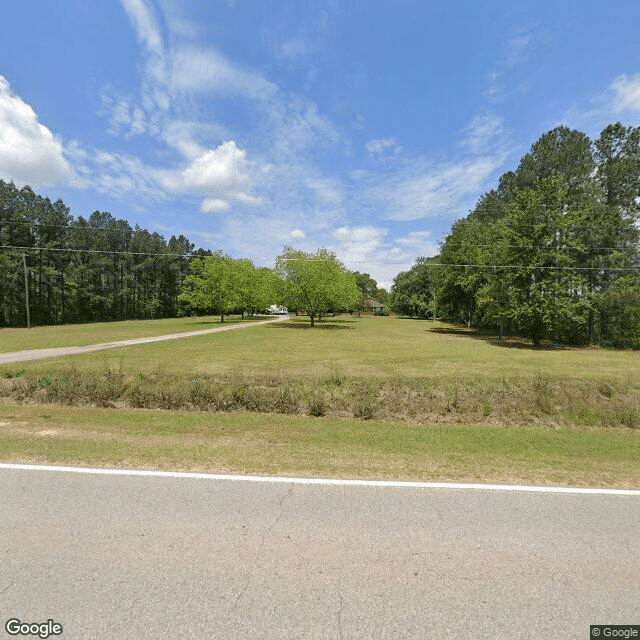
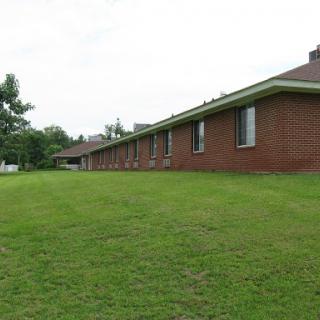
1721 Hepzibah McBean Rd, Hephzibah, GA 30815
To contact a resident: (706) 592-6994
For more information about senior living options: (866) 208-4318
Marks Personal Care Home Costs & Pricing
Marks Personal Care Home offers competitive pricing for its services when compared to both Richmond County and the broader state of Georgia. For a semi-private room, residents can expect to pay $1,400 per month, significantly lower than the county average of $2,143 and the state average of $2,529. For those seeking more privacy, the cost for a private room at Marks is set at $2,000 monthly, which again is more affordable than Richmond County's rate of $2,959 and Georgia's average of $2,864. These pricing structures reflect Marks Personal Care Home's commitment to providing quality care while remaining accessible to families navigating senior living options amidst rising costs in the region.
| Floor plans | Marks Personal Care Home | Richmond County | Georgia |
|---|---|---|---|
| Semi-Private | $1,400 | $2,143 | $2,529 |
| Private | $2,000 | $2,959 | $2,864 |
Senior living communities with a similar price nearby
-
from -$229 / mo
Jane Smith's Personal Care Home
$1,171 to $1,271 / month11.0 miles away -
from -$200 / mo
Loves Community Care Center
$1,200 to $1,600 / month12.1 miles away -
from +$100 / mo
Knob Hill
$1,500 to $2,999 / month22.4 miles away -
from +$200 / mo
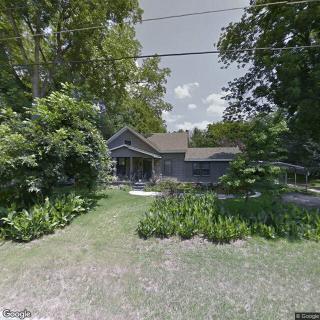
Savannah Square
$1,600 to $2,650 / month9.1 miles away -
About the same
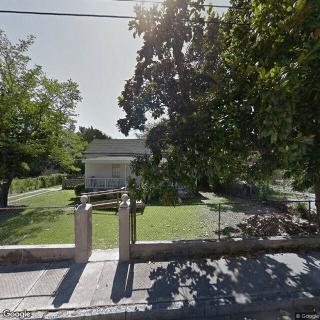
Trinity Personal Care Home Of Georgia
$1,400 to $2,200 / month15.1 miles away
Overall Review of Marks Personal Care Home
Pros
 He enjoys being at Marks Personal Care Home.
- The food is of good quality.
- He would recommend Marks Personal Care Home to others.
Cons
 His dementia has gotten worse, but that was expected.
- His main activity is just getting out of bed.
Review
Marks Personal Care Home in Hephzibah, GA, is best suited for families seeking a small, home-like setting for a loved one with dementia who benefits from familiarity, steady routines, and a calm, predictable day. This community rewards those who value personal attention over institutional formality and who want a setting where staff relationships feel approachable and enduring. It works well for residents who respond to a intimate environment and for families that prefer hands-on involvement without surrendering a sense of control over daily care. In short, it is a practical, down-to-earth option for dementia care where comfort and consistency trump spectacle or high-energy programming.
For families facing a transition, the most compelling factor is the sense of familiarity and continuity. The setting mirrors places that caregivers or siblings have already known, reducing the emotional hurdle of moving a loved one. The welcoming culture toward family participation, such as opportunities to dine together, builds connection without sacrificing the resident’s routine. The small scale of the home supports stable, ongoing relationships with caregivers, which translates into fewer surprises and a greater sense of safety. For relatives who want to stay closely involved and observe daily interactions up close, Marks Personal Care Home delivers practical reassurance.
The strongest practical advantages are clear: meals that meet a standard of quality and the overall hospitality that makes family visits and shared meals feasible without creating disruption for other residents. Food quality matters in dementia care, where appetite and enjoyment can dip without the right environment, and here it appears to be well-regarded. The invitation to eat with the resident, even when declined out of courtesy, signals a thoughtful approach to social dining and community inclusion. Those benefits contribute to a respectful, dignified daily life, where routine can feel more like home than facility.
The principal downside centers on activity and engagement. The dominant observation that a resident’s main daytime activity is “getting out of bed” points to limited structured programming and enrichment opportunities. For some families, this represents a meaningful gap, potentially leaving residents under-stimulated during waking hours and missing chances to maintain cognitive or motor skills. In a small home, staffing and resources often constrain the breadth of activities offered, and that limitation can erode value for residents who crave purposeful, ongoing engagement. Families should recognize this dynamic and assess whether the calm, predictable rhythm compensates for the lack of robust daytime programming.
Despite the con, the pros offer a compelling offset for many care needs. The intimate setting enables closer, more attentive care, with caregivers who know the resident’s preferences, history, and triggers. A well-regarded meal program, combined with a home-like atmosphere, supports dignity, appetite, and social bonding, elements that matter greatly in dementia care. Family involvement remains a powerful counterbalance to the quiet days, preserving identity and connection through routine visits and shared meals. For those prioritizing continuity, comfort, and a sense of belonging, this environment often delivers more value than a larger, more impersonal facility with a broader activity calendar.
Alternatives are worth weighing for families whose priorities extend beyond comfort and familiarity. If the goal is a higher level of daytime stimulation, more extensive memory-care programming, or closer access to on-site nursing for medical needs, larger assisted living communities or dedicated memory-care wings may better align with expectations. For residents who require more structured schedules, diverse activities, or more intensive clinical oversight, exploring other options reduces the risk of unmet needs over time. The decision should hinge on balancing the importance of a home-like, low-stimulus atmosphere against the desire for engagement, enrichment, and immediate medical responsiveness. For families who prize warmth, routine, and family involvement, Marks Personal Care Home offers a practical, reliable path in the Hephzibah area.
 Board and Care Home
 Activities off-site
 Bath tubs
 Devotional services off-site
 Indoor common areas
 Outdoor common areas
 Private
 Respite or short term stays offered
 Bush (9 miles away)
 Ambulatory care
 Diabetic care
 High acuity care
 Incontinence care
 Medication management
 Meals provided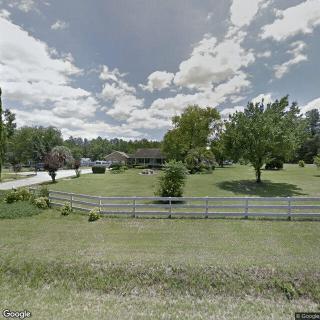

 Essential Knowledge on Pneumonia in Older Adults
 Exploring Palliative Care in the Home: A Comprehensive Overview
 Comprehensive Insights into Palliative Home Care: What It Is and What to Expect