

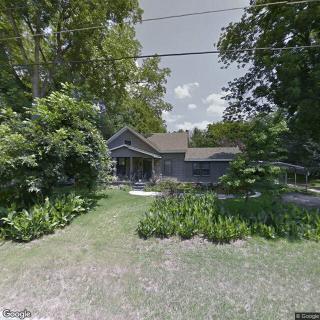
6202 Independence Way, Grovetown, GA 30813
For more information about senior living options: (866) 208-4318
Growing In Grace Personal Care Home Costs & Pricing
Growing In Grace Personal Care Home offers competitive pricing for its services, with a monthly cost of $1,750 for a private room. This rate is notably lower than both the average costs in Richmond County, which stands at $2,959, and the broader state average of $2,864 in Georgia. Such affordability makes Growing In Grace an appealing option for families seeking quality personal care without compromising on financial sustainability. The facility's pricing reflects a commitment to providing accessible care while ensuring residents receive the support they need in a comfortable environment.
| Floor plans | Growing In Grace Personal Care Home | Richmond County | Georgia |
|---|---|---|---|
| Private | $1,750 | $2,959 | $2,864 |
Assisted Living communities with a similar price nearby
-
About the same

Sunrise at Parkway
$1,800 / month8.6 miles away -
from +$250 / mo

The Willows
$2,000 to $2,500 / month6.3 miles away -
from -$250 / mo

Knob Hill
$1,500 to $2,999 / month8.5 miles away -
from -$150 / mo
Savannah Square
$1,600 to $2,650 / month10.7 miles away -
from +$200 / mo

Shirlean's Home Care
$1,950 / month11.0 miles away
Overall Review of Growing In Grace Personal Care Home
Pros
 She is a very nice woman.
- The place is pleasant.
- She provides budget-friendly ideas for fixes.
Cons
 Her private room doesn't join the bathroom.
- Mom wouldn't be comfortable.
Review
This community is best suited for families seeking a small, home-like personal care setting where a hands-on, caring operator runs the operation. It works well for seniors who value a warm, individualized atmosphere and direct, approachable contact with the person delivering daily care. Those who place a premium on privacy and en-suite bathroom access, however, may want to consider alternatives. If a resident requires a larger, more structured community with numerous residents and built-in social programming, this option may feel too intimate or limited.
The strongest attribute here is the personal touch. The caregiver is described as very nice, and that personal warmth often translates into attentive, responsive care where the established routine can feel reassuring to residents and families alike. The small scale implies easier communication and quicker adjustments to evolving needs. In a setting like this, families frequently appreciate the ability to influence day-to-day decisions, from daily schedules to how a room is organized, rather than navigating a rigid corporate structure.
A mixed but significant factor in the decision is the bathroom layout. The private room does not join a bathroom, which means no en-suite comfort for residents who prize immediate, private access. The operator’s willingness to brainstorm low-budget fixes shows practicality and a readiness to work with families on affordability, yet it also signals resource constraints that some families may find concerning. For a resident who values privacy and ease of bathroom access, this is a meaningful consideration that can shift the balance toward alternative communities with en-suite options or more expansive facility design.
These pros offset most of the drawbacks for households prioritizing a homelike environment over formal amenities. The ability to secure personalized attention, coupled with a caregiver who seems willing to collaborate on budgetary realities, makes this option compelling for short-term transitions or for residents who flourish with intimate settings. If the resident can tolerate shared bathroom arrangements or a potential delay in bathroom autonomy, the positive atmosphere and direct caregiver involvement may deliver more comfort and consistency than a larger facility could provide. In short, the homey vibe and flexible problem-solving can compensate for layout limitations when expectations are aligned with what the community can realistically deliver.
Nevertheless, certain realities point families toward alternatives. Those needing an en-suite bathroom as a non-negotiable feature, or those seeking a bustling, activity-rich community with broad social calendars, will likely fare better elsewhere. A larger assisted living campus offers more predictability in staffing, a wider array of services, and more formal programming, which can be crucial for residents with higher care needs or more demanding routines. If safety monitoring, predictable routines, and a proven, scalable care model are top priorities, exploring other options is prudent before committing.
To make a well-informed decision, prospective families should schedule a visit and use a focused checklist. Confirm whether the resident’s bathroom needs can be met in a way that feels comfortable and safe, and ask for a concrete plan if a DIY fix is pursued. Request a clear, written outline of monthly costs, what is included, and what triggers additional charges. Inquire about staff hours, caregiver-to-resident ratios, daily routines, and how care plans are developed and updated. Finally, seek references and observe the space during different times of day to gauge how warmth translates into consistent care and whether the environment truly supports ongoing independence within a caring, small-community framework.
 21 resident community capacity
 Assisted Living
 Board and Care Home
 Activities off-site
 Bath tubs
 Beauty salon
 Cable or satellite TV
 Devotional services off-site
 Dining room
 Fully furnished
 Garden
 Housekeeping services
 Indoor common areas
 Kitchenette
 Move-in coordination
 Outdoor common areas
 Private
 Private bathrooms
 Respite or short term stays offered
 Restaurant-style dining
 Small library
 Telephone
 Wi-Fi/high-speed internet available
 Bush (15 miles away)
 24-hour call system
 Ambulatory care
 Assistance with bathing
 Assistance with dressing
 Assistance with transfers
 Diabetes diet
 Diabetic care
 High acuity care
 Incontinence care
 Medication management
 Mental wellness program
 Special dietary restrictions
 Christian services





 Vibrant Senior Living: A Comprehensive Guide for Active Older Adults
 When to Transition from Assisted Living to Memory Care: Key Indicators, Steps, and Finding the Right Community
 Assisted Living and Memory Care: Understanding Their Core Differences