
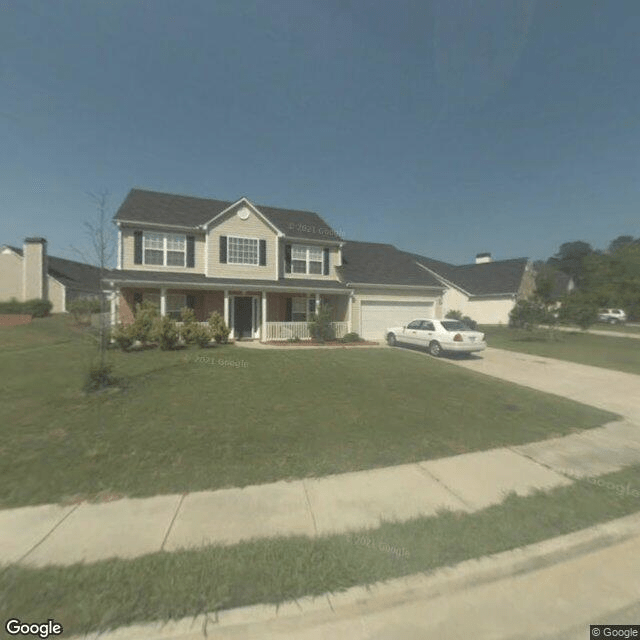
2438 Swan Lake Drive, Grayson, GA 30017
For more information about senior living options: (866) 208-4318
Eden Home Care Costs & Pricing
Eden Home Care offers competitive pricing for its services, with a monthly cost of $2,500 for private rooms. This rate is slightly lower than the average in Gwinnett County, which stands at $2,551, and significantly more affordable compared to the overall average in Georgia at $2,864. By positioning itself favorably within both the county and state landscapes, Eden Home Care provides an attractive option for individuals seeking quality care without exceeding their budget.
| Floor plans | Eden Home Care | Gwinnett County | Georgia |
|---|---|---|---|
| Private | $2,500 | $2,551 | $2,864 |
Assisted Living communities with a similar price nearby
-
About the same

A & C Personal Care Home
$2,500 to $4,000 / month10.2 miles away -
from -$200 / mo
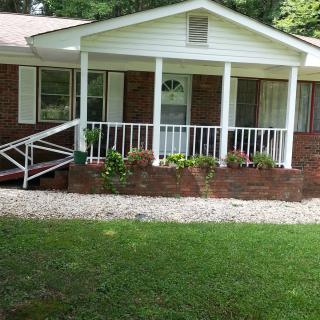
Comfort Care Personal Care Home
$2,300 / month9.7 miles away -
from +$310 / mo
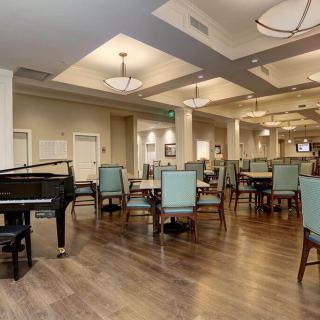
Vitality Living Milton
$2,810 to $5,515 / month23.8 miles away -
from -$400 / mo

Marieta's Mission Personal Care Home
$2,100 to $2,550 / month10.2 miles away -
from +$100 / mo

Mimosa Assisted Living
$2,600 to $3,500 / month1.3 miles away
Overall Review of Eden Home Care
Pros
 The staff are experienced, knowledgeable, professional, and compassionate in providing individualized attention to residents.
- The facility is clean, safe, and feels like home.
- The owners and staff are warm, cheerful, and knowledgeable in senior care.
- The entrance is tastefully decorated and creates a homelike environment.
- The staff consistently go above and beyond to ensure residents are loved and cared for.
- Jacinda and Sylanna are proactive communicators who deeply care about the people they serve.
- Come Home Care provides an intimate, home-like setting that puts caregivers at ease.
- Residents receive excellent care in a warm, compassionate atmosphere.
- The food is amazing, and the facility is always clean and well maintained.
- The staff are kind, attentive, and supportive to both residents and their families.
Review
This community is best suited for families seeking an intimate, home-like setting where a loved one can receive exceptionally personalized attention. In Grayson, Georgia, the model centers on a remarkably small footprint, typically no more than six residents, which translates into care that feels more like a well-run home than a traditional facility. The staff are described as experienced, professional, and genuinely compassionate, with owners who stay engaged and know residents by name. The environment is clean, safe, and comforting, designed to ease transitions for seniors who thrive on routine, dignity, and close, steady supervision. For memory-care needs or post-rehab care, this approach delivers the consistency and warmth families say makes all the difference when adjusting to a new living arrangement.
Those who should consider alternatives include families seeking a larger campus with a bustling activity calendar and a broader medical team on site. The very strengths of a small, intimate setting, tight caregiver-to-resident ratios, personalized attention, and turnkey family communication, can also cap the breadth of on-site nursing coverage and program variety. For loved ones with complex medical regimes requiring around-the-clock nursing, more extensive on-site specialists, or a richer menu of rehab services, a bigger assisted living or a skilled-nursing environment may be a better fit. Likewise, households hoping for extensive group activities, social programming, or campus-wide amenities might find a larger community aligns more closely with those preferences.
The key advantages effectively offset these potential drawbacks. The compact scale fosters real relationships: residents are known well by caregivers, and changes in health or mood are spotted quickly. Owners and staff are described as proactive partners, coordinating with physicians and keeping families in the loop, which mitigates concerns about oversight in a smaller setting. Memory-care and wound-care tasks are performed with competence, while the continuity of care, staff who understand a resident’s history and preferences, reduces the stress of transitions. The result is a high level of trust and a sense that care plans evolve smoothly as needs shift, rather than becoming impersonal or fragmented.
The day-to-day experience leans heavily on the home atmosphere and purposeful attentiveness. Families highlight the home-like decor, the impressive cleanliness, and the quality of meals, all of which contribute to a sense of belonging and comfort. Residents appear engaged and supported, with staff ready to tailor activities and routines to individual preferences rather than pushing a one-size-fits-all schedule. The facility’s capability to manage memory challenges and provide coordinated medical support, including hospice integration when needed, emerges as a standout feature. In practical terms, this translates into tangible peace of mind for families who want their loved ones treated with dignity, kindness, and consistent communication.
Operational realities to verify come next on the tour. Prospective families should inquire about the exact staffing patterns, shifts, and turnover, since the intimate model relies on stable, familiar faces. Clarify memory-care protocols, medication administration routines, and the availability of on-site medical professionals or seamless external coordination. Ask about the balance between individualized engagement and organized activities, and confirm dietary accommodations and preferences in detail. Given the strong emphasis on family partnerships, assess how hospice or palliative-care coordination is handled, and confirm what services are included in the overall cost. These specifics will determine how well the community can sustain personalized, high-quality care as needs evolve.
Bottom-line guidance: for families prioritizing a warm, individualized, home-like setting with a proven track record in dementia and wound care, this Grayson option stands out as a top choice. It excels where trust, continuity, and a truly caring staff matter most, delivering a level of attentiveness that larger campuses often struggle to match. Alternatives should be considered for those who require a more expansive campus, broader rehab services, or a wider social program. The next step is a deliberate visit, ask pointed questions about staffing, care plans, and memory-care practices, and speak with current families if possible. When the loved one’s needs center on late-stage memory support, gentle daily structure, and a reliable caretaker team that treats residents as family, this is the option to evaluate first.
 2 resident community capacity
 Assisted Living
 Board and Care Home
 Cable or satellite TV
 Dining room
 Fully furnished
 Garden
 Housekeeping services
 Move-in coordination
 Outdoor space
 Private
 Telephone
 Wi-Fi/high-speed internet available
 24-hour supervision
 Activities of daily living assistance
 Ambulatory care
 Assistance with bathing
 Assistance with dressing
 Assistance with transfers
 Diabetes diet
 Diabetic care
 Incontinence care
 Meal preparation and service
 Medication management
 Special dietary restrictions
 Transportation arrangement (medical)
 Transportation to doctors appointments


 Exploring the Contrasts Between Assisted Living and Skilled Nursing
 8 Key Indicators That Suggest It May Be Time to Transition from Assisted Living to Skilled Nursing Care
 Vibrant Senior Living: A Comprehensive Guide for Active Older Adults