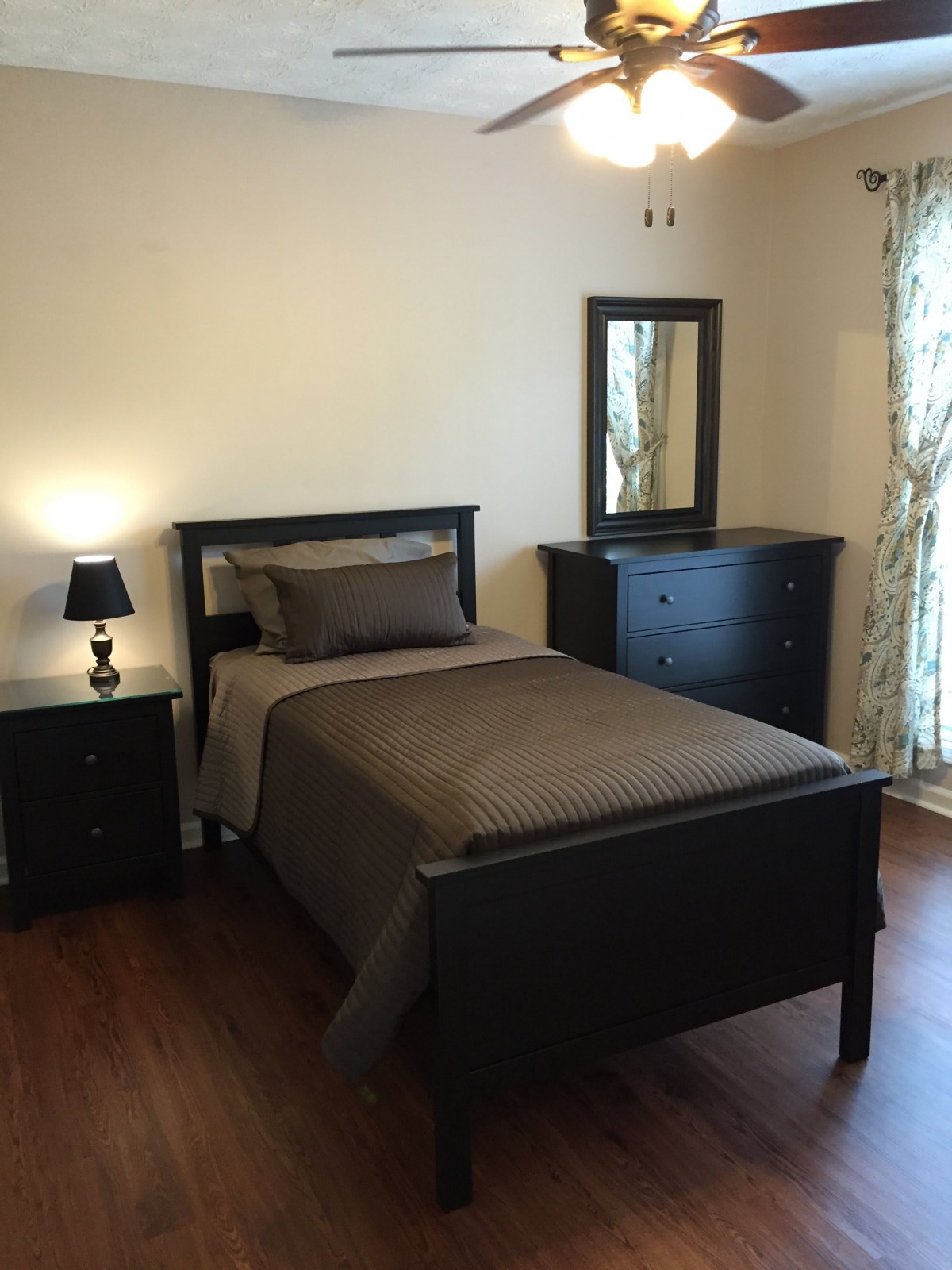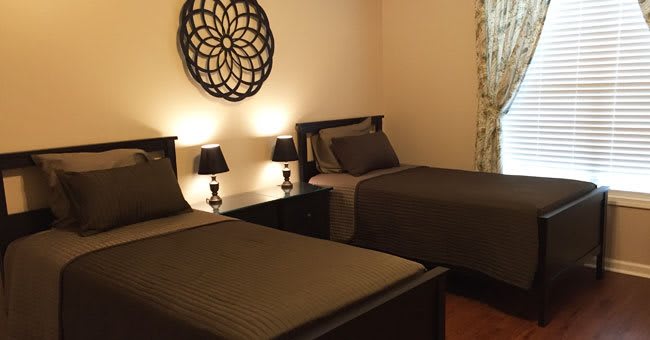
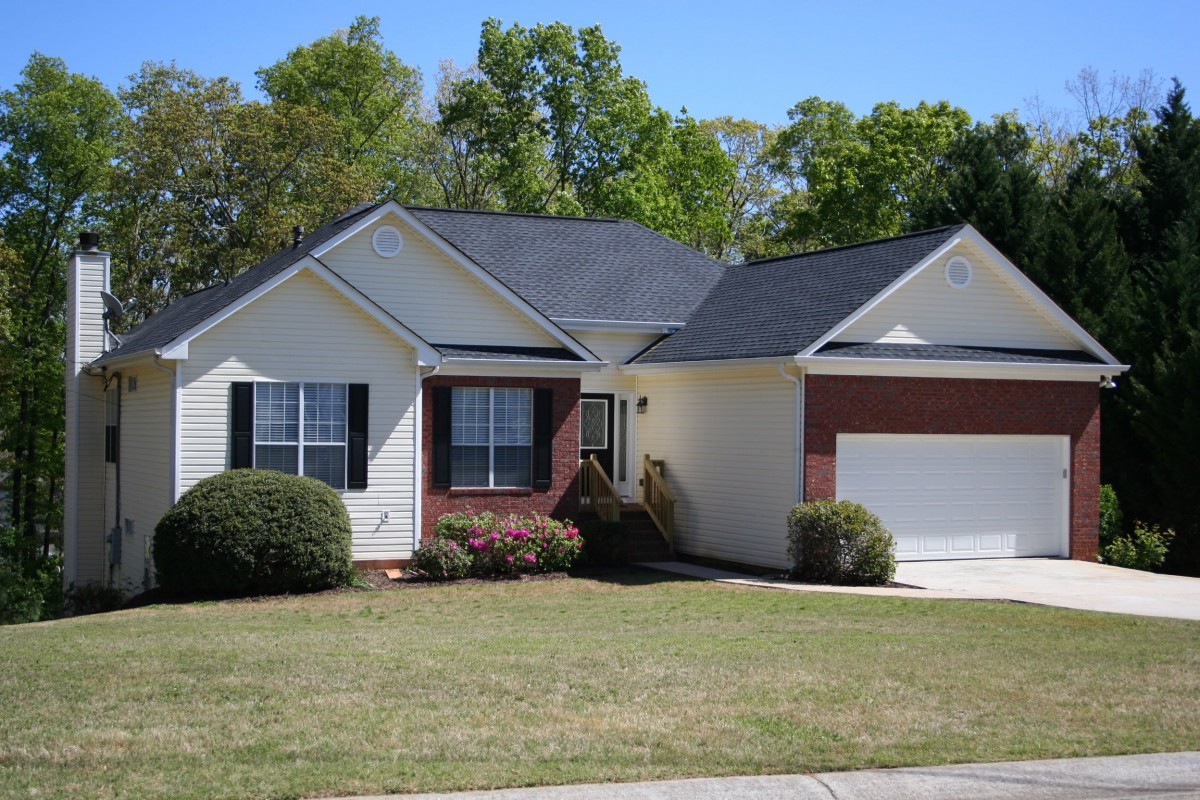
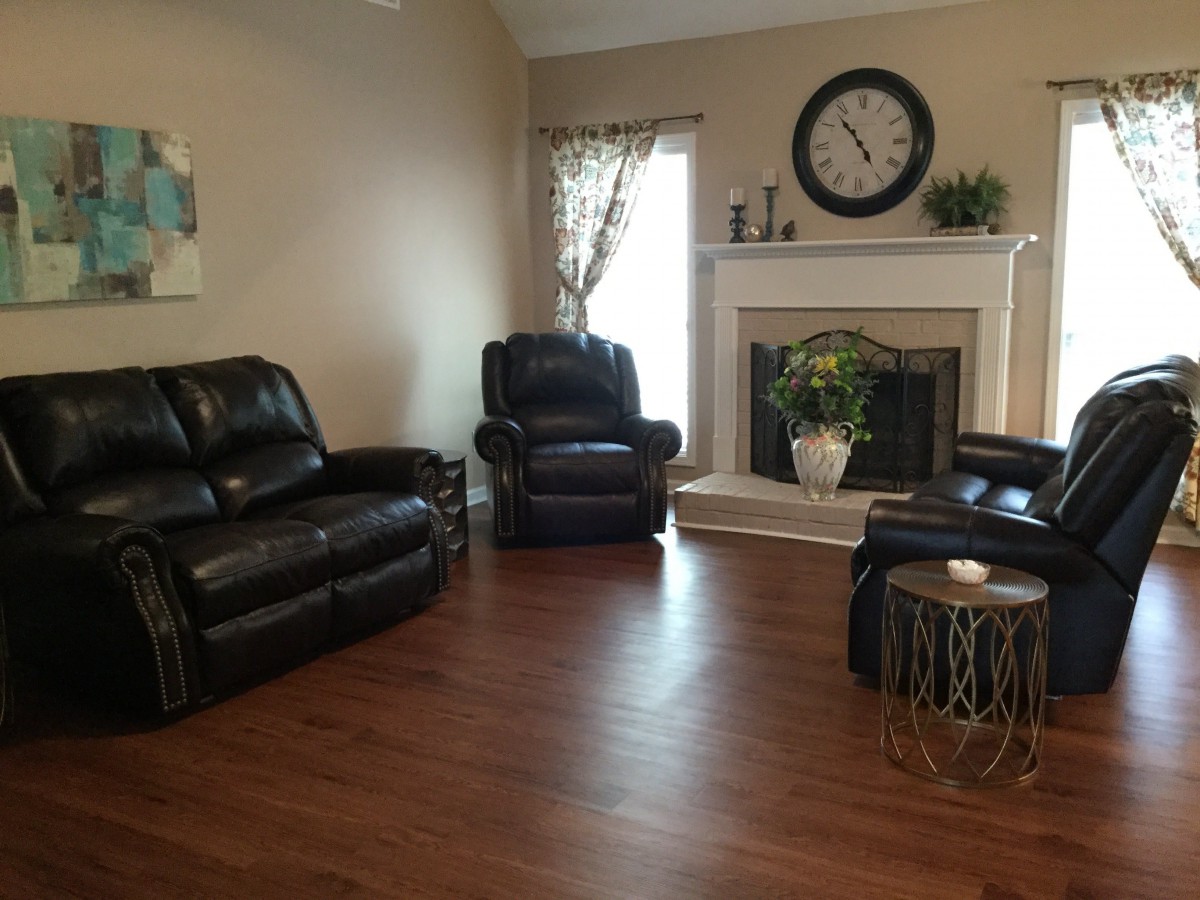
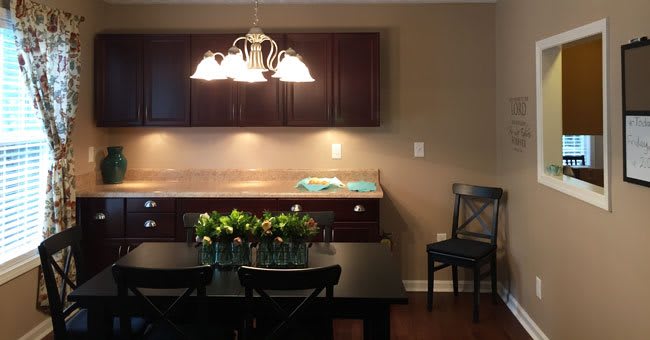
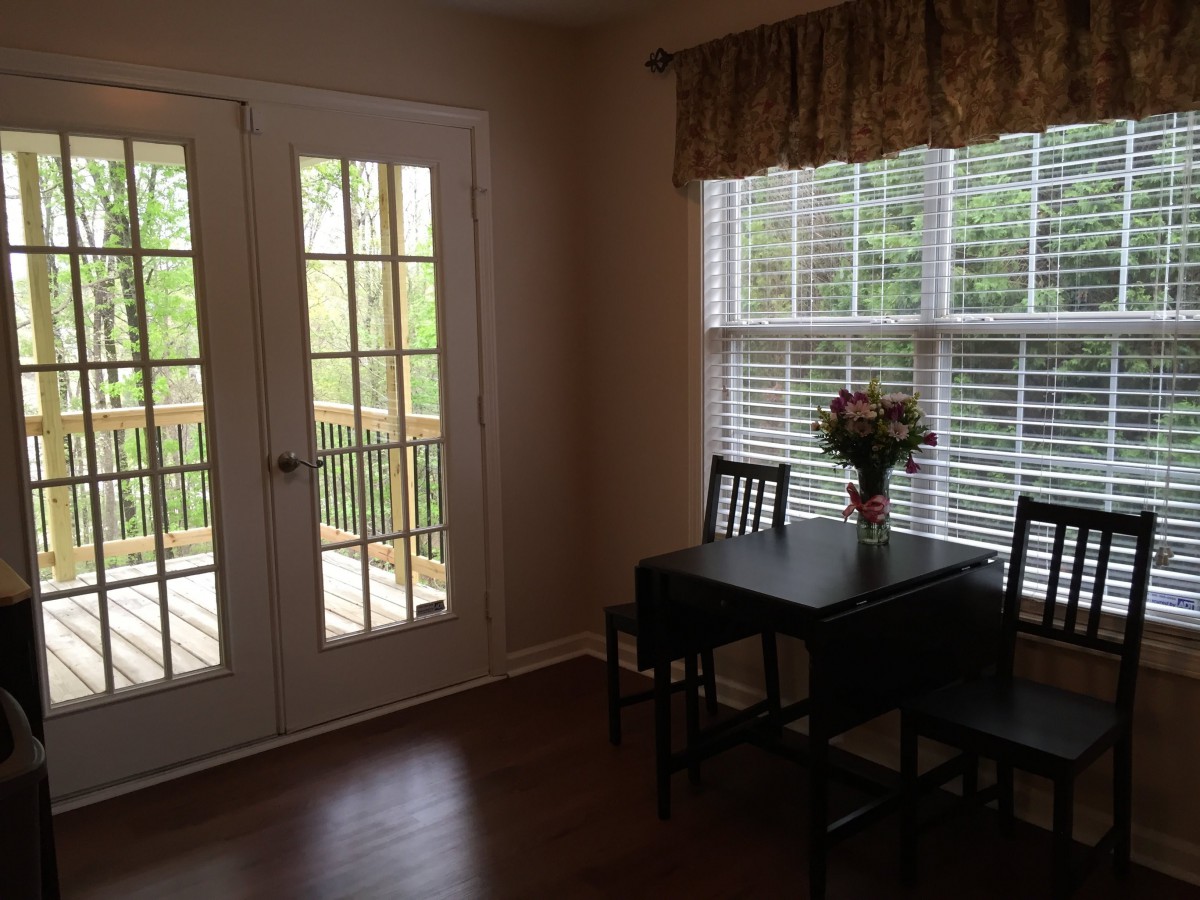
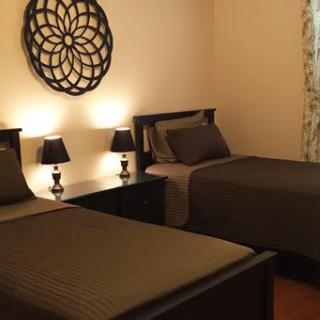
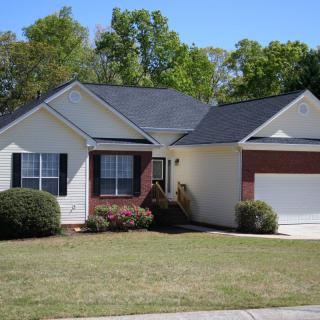
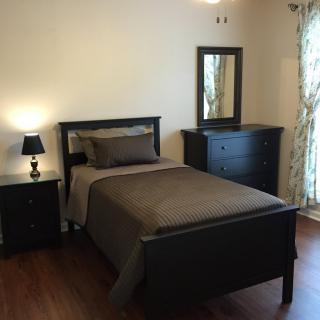
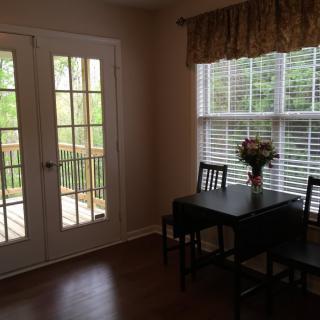
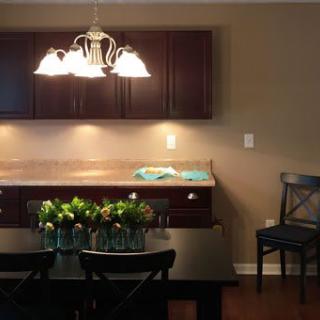

4711 Deer Crossing Ct, Flowery Branch, GA 30542
To contact a resident: (678) 613-1412
For more information about senior living options: (866) 208-4318
Miss Willie's Manor II Costs & Pricing
At Miss Willie's Manor II, the monthly costs for both semi-private and private rooms reflect a commitment to quality care and personalized services. Semi-private rooms are priced at $3,499, which is notably higher than the average in Hall County ($2,742) and throughout Georgia ($2,529). Similarly, private rooms at Miss Willie's Manor II come with a monthly fee of $3,800, exceeding the rates in Hall County ($3,368) and statewide averages in Georgia ($2,864). These figures suggest that while Miss Willie's Manor II may be on the pricier side compared to local and state benchmarks, this investment likely corresponds to distinctive amenities and a level of care that prioritizes resident well-being.
| Floor plans | Miss Willie's Manor II | Hall County | Georgia |
|---|---|---|---|
| Semi-Private | $3,499 | $2,742 | $2,529 |
| Private | $3,800 | $3,368 | $2,864 |
Senior living communities with a similar price nearby
-
from -$649 / mo
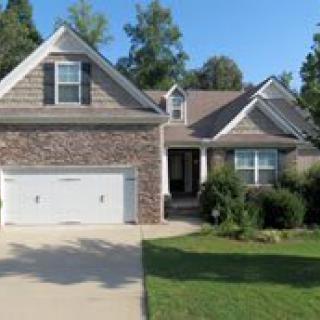
Miss Willie's Manor
$2,850 to $3,250 / month0.5 miles away -
About the same
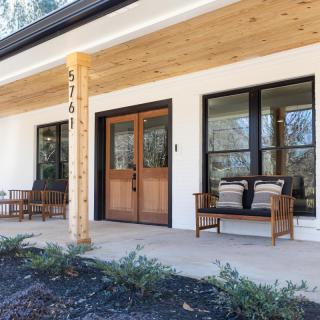
Watermark Senior Living
$3,500 / month3.6 miles away -
from -$499 / mo
Spout Springs Personal Care Home
$3,000 / month5.8 miles away -
from +$185 / mo
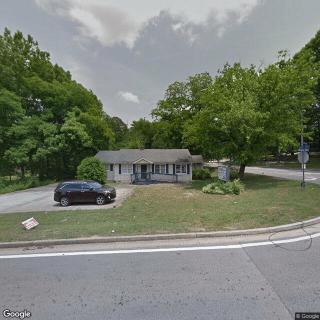
Certified Home Care of Georgia
$3,684 / month12.6 miles away -
About the same
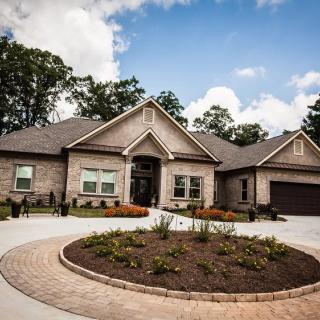
Tender Personal Care Home #2
$3,500 to $4,000 / month13.1 miles away
Overall Review of Miss Willie's Manor II
Pros
 The owners of Miss Willie's truly care for residents.
- The staff and owners are amazing and personable.
- They have been amazing to residents and keep them busy.
- The facility is clean, safe, and keeps residents happy and healthy.
- Families feel their loved ones are in good hands.
- The care has been a godsend and a blessing to families.
- Caregivers treat residents like family from the start.
- The staff is responsive and prompt in communication.
- Families appreciate the care and trust in it, especially during the pandemic.
- The environment is loving, compassionate, and cheerful.
- The care is totally worth the cost and families feel they get what they pay for.
Review
Miss Willie's Manor II in Flowery Branch is best suited for families seeking a small, intimate assisted-living option where caregivers and ownership are deeply engaged and residents are treated like family. The community shines when personalized attention, warmth, and a home-like atmosphere matter most. Residents tend to stay for years, which signals stability and genuine relationships: owners and staff are accessible, responsive, and devoted to keeping residents safe, engaged, and comfortable. For families prioritizing meaningful daily interaction, consistent caregivers, and a sense of being truly looked after, this is the setting to choose.
Those who may want to consider alternatives are families facing higher-acuity needs or memory-care requirements, or those looking for a broader range of on-site medical services and amenities. A larger campus with more on-site clinicians, specialized memory-care programming, or a wider calendar of healthcare and rehab options could be a better fit for residents who require advanced clinical oversight or frequent, formal medical interventions. Budget-conscious buyers may also want to compare cost-to-service ratios elsewhere, especially if a more expansive facility promises additional services beyond what Miss Willie's Manor II provides.
The strongest positives center on people: the owners and staff genuinely care, and that care translates into daily life for residents. Caregivers are described as personable and consistently responsive, with families noting rapid communication and reassurance. The staff’s ability to keep residents busy and engaged stands out, alongside a clean, safe environment. The sense of a family-like culture permeates interactions, and long tenures of residents and caregivers alike reinforce trust. When memory of a loved one’s well-being depends on steady, compassionate routines, these relational strengths are invaluable and often influence overall happiness and perceived quality of life.
These compelling strengths offset the absence of broader medical infrastructure in two key ways. First, the intimate scale allows highly individualized routines, quicker problem-solving, and a climate of reassurance that reduces anxiety for families. Second, the consistently warm, attentive atmosphere supports emotional well-being and social stimulation, which can translate into better mood, steadier routines, and fewer behavioral concerns. While a smaller operation may not match the on-site clinical depth of larger communities, the trade-off is substantial: families gain confidence from direct access to owners, visible commitment from the caregiving team, and a sense that care plans are tailored and flexible.
The testimonial thread running through multiple reviews emphasizes trust and gratitude: residents are described as loved, safe, and happy, with families expressing immense relief and pride in the level of care. Phrases about “best thing that happened” for loved ones and “extended life” reflect outcomes that matter most to families weighing quality of life. In practice, Miss Willie's Manor II delivers a remarkably reassuring environment, one where care is visible, consistent, and anchored by people who treat residents as family. For a caregiver seeking a home-centered alternative to a larger institution, the payoff is clear: heartfelt dedication yields tangible peace of mind.
Practical next steps for families considering this community are straightforward. Schedule a visit during a time when routine interaction is visible and ask to meet the people who would be most involved in daily care. Observe how staff calm, entertain, and engage residents, and inquire about long-term care planning, availability of respite options, and how changes in health status would be managed. Inquire candidly about pricing and what services are included, and request scenarios for rising care needs to understand how flexible the arrangement can be. In sum, Miss Willie's Manor II stands out as a superb fit for those prioritizing warmth, trust, and personal attention; for residents needing extensive medical, memory-care, or hospital-level services, exploring alternatives will be prudent to ensure the right fit for the longest possible, happiest chapter.
 Board and Care Home
 Activities off-site
 Air-conditioning
 Bath tubs
 Cable or satellite TV
 Devotional services on-site
 Handicap accessible
 Indoor common areas
 Outdoor common areas
 Private
 Private bathrooms
 Respite or short term stays offered
 Wheelchair accessible showers
 Wi-Fi/high-speed internet available
 Ambulatory care
 Diabetic care
 High acuity care
 Incontinence care
 Medication management
 Low / no sodium
 Art classes
 BBQs or picnics
 Day trips and outings
 Educational speakers / life long learning
 Live musical performances
 Stretching classes
 Trivia games
 Visiting Rabbi
 Visiting chaplain or priest


 Top Canine Companions for Older Adults
 Comprehensive Guide to Blood Pressure Charts for Older Adults: Understanding Normal and High Readings by Age
 Financing Long-Term Nursing Home Care Through Social Security: A Thorough Exploration