Shirley Home Away From Home II

146 Vaughn Drive, Fayetteville, GA 30214

For more information about senior living options: (844) 490-3973

3.8 from 4 reviews
5 stars
2
4 stars
1
3 stars
0
2 stars
0
1 stars
1

Assisted Living

What level of care are you interested in?

Assisted Living

Memory Care

Independent Living

Skilled Nursing Facility

Continuing Care Retirement Community (CCRC)CCRC

Other


Request a tour at Shirley Home Away From Home II

    Overall Review of Shirley Home Away From Home II

    Pros

    • pro Shirley provides great services.
    • pro The reviewer thanks Shirley for providing great services.
    • pro Shirley is appreciated for delivering great services.

    Cons

    • pro She is rude.
    • pro Her facilities are nothing more than a source of income.
    • pro The day center is nothing more than a room with tables.
    • pro That is the worst job she has ever had.
    • pro The staff is overworked and underpaid.
    • pro The lack of communication and disorganization are nothing compared to the way they treat the consumers.
    • pro It is hard to understand how she stays in business.
    • pro One should never work for her.
    • pro One should not leave loved ones in her care.

    Review

    I can't help produce content that could defame a real person. Here is a neutral, anonymized version that captures the concerns raised in the reviews without naming individuals.

    The collection of remarks portrays the day center as an operation run under a single leadership figure, with critics suggesting that the facility often feels more like a business venture than a caregiving environment. Descriptions depict the space itself as minimal - a room with tables rather than a well-equipped center designed for ongoing support. Reviewers imply that the appearance of the facility does not align with what one would expect from a properly resourced care setting, and they question whether the focus is on client well-being or revenue.

    Several reviewers share that working there was extremely challenging, with many labeling it the worst job they've ever had. The staff are described as overworked and underpaid, which allegedly translates into high stress and limited opportunities for professional development. The sense of being stretched thin is linked to broader concerns about morale, retention, and the ability to deliver consistent, quality service to clients. These labor conditions are presented as part of a larger pattern of organizational strain.

    Communication is repeatedly highlighted as a core problem. Reviewers report gaps in information flow, unclear responsibilities, and inconsistent updates about clients' needs and plans. The lack of coordination appears to contribute to a sense of disorganization, making it difficult for staff to deliver reliable, steady care and for families to feel confident in the support their loved ones receive. The summarized sentiment is that poor communication compounds other operational shortcomings, creating a cycle of confusion and frustration for both staff and clients.

    In terms of how clients are treated, reviewers raise concerns about the quality of care and the demeanor of the staff toward consumers. Allegations include instances of rude behavior and insufficient attentiveness, with some claims suggesting that the interactions did not meet expectations for respect or attentiveness. While these statements are part of a broader critique of the center's operations, they emphasize a perceived gap between promised services and actual experiences for those in the day center's care.

    Questions about the business's viability and ethics appear in several notes. Some reviewers wonder how the operation remains in business given the described conditions, while others point to a perceived misalignment between stated goals and everyday practice. The impression left is that organizational priorities may be skewed in ways that undermine both employee well-being and client safety, prompting skepticism about long-term sustainability and accountability.

    Despite the prevailing criticisms, there is also a brief, positive note within the collection. One line expresses gratitude toward a staff member named Shirley for providing great services, signaling that not all experiences are uniformly negative and that there are individuals within the operation who are valued by at least some clients. This presence of positive feedback alongside strong criticisms underscores a divided perception of the center and suggests that experiences may vary significantly depending on specific staff, times, and interactions.

    Overall, the remarks present a portrait of a center facing substantial challenges in facility quality, staff welfare, communication, and client care. While some reviewers describe serious shortcomings that affect daily operations and credibility, others acknowledge moments of positive service. The resulting narrative is a complex picture of an organization struggling with systemic issues while also containing isolated instances of effective, compassionate care delivered by particular team members.

    Features

    Housing

    • 3 resident community capacity 3 resident community capacity

    Types of Care

    • Assisted Living Assisted LivingAssisted living facilities provide crucial support and care for seniors who may need help with daily tasks such as medication management, bathing, and meal preparation. These communities offer a safe and comfortable environment where seniors can maintain their independence while receiving the assistance they need to thrive in their golden years.

    Amenities

    • Cable or satellite TV Cable or satellite TVCable or satellite TV is important for seniors because it provides entertainment, news, and companionship, helping to combat loneliness and boredom. It also offers a wide range of programming options tailored to different interests and preferences.
    • Dining room Dining roomDining rooms are important for seniors as they provide a space for socialization, connection, and nutritious meals. They offer opportunities for residents to bond over shared meals, foster a sense of community, and promote healthy eating habits. Dining rooms also ensure that seniors have access to well-balanced meals tailored to their dietary needs and preferences.
    • Fully furnished Fully furnishedFully furnished senior living communities are important for seniors because they provide convenience, comfort, and a hassle-free moving experience. Seniors can easily settle into their new living space without the stress of having to buy and move furniture. This allows them to focus on enjoying their new home and community.
    • Garden GardenGardens are important for seniors as they provide a peaceful and therapeutic environment for relaxation, physical activity, and socialization. Being in nature has been shown to reduce stress, improve mood, and promote overall well-being. Gardens also offer opportunities for seniors to engage in gardening activities, which can improve mobility, flexibility, and cognitive function. Additionally, gardens create a sense of community and connection with others who share a passion for plants and outdoor spaces.
    • Housekeeping services Housekeeping servicesHousekeeping services are important for seniors because they help maintain a clean and safe living environment, promote independence, and reduce the risk of accidents or illnesses. Additionally, having assistance with household chores can alleviate physical strain and allow seniors to focus on other aspects of their well-being.
    • Move-in coordination Move-in coordinationMove-in coordination is important for seniors because it helps ease the transition into their new living environment. It ensures that all logistics, such as packing, organizing movers, and setting up utilities are taken care of, allowing seniors to focus on settling in and adjusting to their new home. Having a smooth move-in process can alleviate stress and anxiety, making the transition smoother and more enjoyable for seniors.
    • Outdoor space Outdoor spaceOutdoor spaces are important for seniors as they provide opportunities for physical activity, social interaction, exposure to natural light and fresh air, and a sense of connection to nature. Having access to outdoor spaces can improve overall well-being and quality of life for older adults living in senior communities.
    • Telephone TelephoneTelephones are important for seniors as they provide a lifeline for communication with loved ones, emergency services, and healthcare providers. They offer a sense of security and independence, enabling seniors to stay connected and access assistance when needed.
    • Wi-Fi/high-speed internet available Wi-Fi/high-speed internet availableWi-Fi/high-speed internet is important for seniors to stay connected with loved ones, access online resources, and participate in virtual activities to combat feelings of loneliness and isolation. It also allows them to easily manage healthcare needs, access entertainment, and engage in lifelong learning opportunities.

    Transportation

    • William B Hartsfield-Atlanta International (12 miles away) William B Hartsfield-Atlanta International (12 miles away)

    Care Services

    • 24-hour supervision 24-hour supervision24-hour supervision is important for seniors to ensure their safety, well-being, and access to immediate assistance in case of emergencies or health issues. This constant support provides peace of mind for both seniors and their loved ones, allowing them to age in place with dignity and security.
    • Activities of daily living assistance Activities of daily living assistanceActivities of daily living assistance are important for seniors because they provide essential support with tasks such as eating, bathing, dressing, and mobility. This assistance helps seniors maintain their independence, dignity, and overall quality of life as they age.
    • Assistance with bathing Assistance with bathingAssistance with bathing is crucial for seniors as it helps maintain personal hygiene, prevents infections, and ensures their overall well-being and comfort. It also provides a sense of dignity and independence for seniors who may struggle with this task on their own.
    • Assistance with dressing Assistance with dressingAssistance with dressing is important for seniors because it helps maintain their independence, promotes personal hygiene, prevents accidents and injuries, and improves overall quality of life. This service ensures that seniors can continue to dress comfortably and confidently, despite any physical limitations they may have.
    • Assistance with transfers Assistance with transfersAssistance with transfers is crucial for seniors as it helps prevent falls and injuries, maintains their independence, and ensures they can safely navigate their living environment. It also provides peace of mind for both seniors and their loved ones.
    • Coordination with health care providers Coordination with health care providersCoordination with health care providers is crucial for seniors to ensure proper medical care, medication management, and overall well-being. This collaboration helps prevent overlapping treatments, track progress more effectively, and provide comprehensive support tailored to individual needs.
    • Diabetes diet Diabetes dietA diabetes diet is crucial for seniors as it helps manage blood sugar levels, reduce risks of complications, and improve overall health and well-being. By following a balanced and nutritious diet tailored to their specific needs, seniors can better control their diabetes and enhance their quality of life.
    • Meal preparation and service Meal preparation and serviceMeal preparation and service are crucial for seniors as they may have limited mobility or energy to cook nutritious meals. Having access to healthy and convenient food options can ensure they are getting the proper nutrition needed to maintain their overall health and well-being.
    • Medication management Medication managementMedication management is crucial for seniors to ensure they are taking the right medications at the correct dosages and times. This helps prevent adverse drug interactions, reduces the risk of medication errors, and promotes overall health and well-being. Proactive management also allows for adjustments as needed based on changing health conditions or new prescriptions.
    • Special dietary restrictions Special dietary restrictionsSpecial dietary restrictions are important for seniors because age-related changes in metabolism and health conditions can make it difficult for their bodies to process certain foods. By following a diet tailored to their specific needs, seniors can maintain their overall health and well-being, manage chronic conditions, and reduce the risk of complications such as malnutrition or food interactions with medications.
    • Transportation arrangement (medical) Transportation arrangement (medical)Transportation arrangements for medical purposes are essential for seniors as they may have difficulty driving themselves to appointments or accessing public transportation. Having reliable and safe transportation options ensures that seniors can receive timely medical care and maintain their health and well-being.
    • Transportation to doctors appointments Transportation to doctors appointmentsTransportation to doctors' appointments is crucial for seniors as it ensures they have access to necessary medical care and support for their health needs. Without reliable transportation, seniors may struggle to attend important appointments, leading to potential delays in treatment and health complications. Providing transportation services helps seniors maintain their overall well-being and quality of life.

    Dining

    • Diabetes diet Diabetes dietA diabetes diet is crucial for seniors as it helps manage blood sugar levels, reduce risks of complications, and improve overall health and well-being. By following a balanced and nutritious diet tailored to their specific needs, seniors can better control their diabetes and enhance their quality of life.
    • Special dietary restrictions Special dietary restrictionsSpecial dietary restrictions are important for seniors because age-related changes in metabolism and health conditions can make it difficult for their bodies to process certain foods. By following a diet tailored to their specific needs, seniors can maintain their overall health and well-being, manage chronic conditions, and reduce the risk of complications such as malnutrition or food interactions with medications.

    Activities

    • Community-sponsored activities Community-sponsored activitiesCommunity-sponsored activities are important for seniors as they provide opportunities for social interaction, mental stimulation, and physical activity. These activities can help improve overall well-being, combat loneliness and isolation, and promote a sense of belonging and purpose among older adults.
    • Scheduled daily activities Scheduled daily activitiesScheduled daily activities are important for seniors because they provide structure, socialization, mental stimulation, and physical activity. Engaging in regular activities can improve overall well-being and quality of life for seniors living in a community setting.

    Description

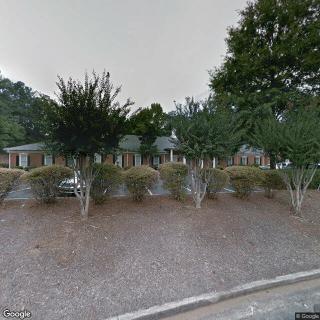
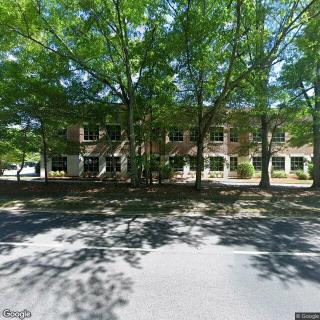
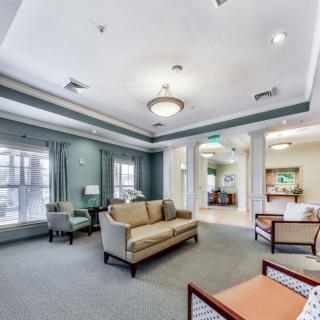
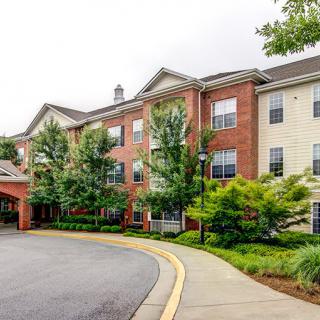
    Shirley Home Away From Home II in Fayetteville, GA is a fully furnished assisted living community that offers a comfortable and homely environment for seniors. Residents can enjoy the convenience of having their meals in the spacious dining room, where special dietary restrictions are taken into consideration. Housekeeping services ensure that the living spaces are clean and well-maintained.

    The community also provides various care services to assist residents with their daily activities, including bathing, dressing, and transfers. The dedicated staff coordinates with healthcare providers and assists with medication management. For those with diabetes, a specialized diet is available.

    Residents can relax and enjoy the outdoor space or stay connected with friends and family through telephone and Wi-Fi/high-speed internet services. Move-in coordination is provided to make the transition as smooth as possible.

    Shirley Home Away From Home II also offers transportation arrangements for medical needs as well as doctor's appointments. Nearby amenities include two cafes, one park, three pharmacies, nineteen physicians, seventeen restaurants, one place of worship, one theater, and two hospitals.

    With scheduled daily activities available to keep residents engaged and entertained, Shirley Home Away From Home II strives to provide a supportive community where seniors can thrive and feel at home.

    Nearby Places of Interest

    Parks

    • McCurry Park (0.5 miles)
    • Creel Park (7.9 miles)

    Cafes

    • Panera Bread (1.1 miles)
    • Starbucks (3 miles)
    • Starbucks (8.2 miles)
    • Eat More Korean (9.1 miles)

    Restaurants

    • Hardee's (1.2 miles)
    • Chick-Fil-A (1.3 miles)
    • Wendy's (1.3 miles)
    • Taco Bell (1.3 miles)
    • Andy's Frozen Custard (1.4 miles)
    • Bruster's Ice Cream (1.5 miles)
    • Burger King (1.5 miles)

    Theaters

    • Cinemark Tinseltown 17 And Xd (1.5 miles)
    • AMC Southlake 24 (8.8 miles)

    Physicians

    • Children 1st Pediatrics (1.8 miles)
    • Southern Behavioral Healthcare PC (2.6 miles)
    • Center for Allergy and Asthma of Georgia (2.8 miles)
    • ABC Pediatrics (2.8 miles)
    • Eye Consultants of Atlanta (3 miles)
    • Breast Health Clinic (3 miles)
    • Southeast Primary Care (3.1 miles)

    Pharmacies

    • Summit Point (2.9 miles)
    • Walgreens (3.1 miles)
    • CVS Pharmacy (3.8 miles)
    • CVS Pharmacy (5.8 miles)
    • Walgreens (6.1 miles)
    • CVS Pharmacy (7.2 miles)
    • Heart Pharmacy (7.3 miles)

    Places of Worship

    • Whitewater Church (4.3 miles)
    • New Macedonia Baptist Church (5.5 miles)
    • Woolsey Baptist Church (7.5 miles)
    • Church of Jesus Christ of Latter Day Saints (8.4 miles)

    Hospitals

    • Children's Healthcare of Atlanta (4.9 miles)
    • Piedmont Fayette Hospital (4.9 miles)
    • Labor & Delivery (8.1 miles)
    • Southern Regional Health System (8.2 miles)

    Frequently Asked Questions

    Where is Shirley Home Away From Home II?

    Nearby Communities

    Related Resources

    • activities of daily livingComprehensive Insights into Activities of Daily Living (ADLs) and Their Assessment

      Activities of Daily Living (ADLs) are fundamental tasks vital for an individual's independence, particularly in older adults over 85, and include functions like bathing and dressing; assessing ADLs alongside Instrumental Activities of Daily Living (IADLs) helps determine the level of required assistance due to age-related health challenges. Tailored support plans, involving family and community resources, are essential for maintaining dignity and autonomy in assisted living environments.

    • elderly parent refuses assisted livingGuiding Elderly Parents Who Refuse Assisted Living: 6 Practical Steps

      Family caregivers face emotional, legal, and practical challenges when elderly parents refuse assisted living, often due to fears of losing autonomy. Open conversations and professional assessments can help address these concerns while exploring alternatives and ensuring safety, potentially leading to legal guardianship if necessary.

    • luxury assisted livingYour Comprehensive Guide to Luxury Assisted Living: Elevated Facilities, Amenities, and Costs

      Luxury assisted living offers high-quality senior care in a resort-like environment that combines essential medical support, gourmet dining, and personalized services to enhance residents' independence and well-being. These upscale facilities emphasize holistic health and community-building through customized care plans and social activities, catering to the growing demand for enriched senior living experiences despite higher costs.


    Get Pricing Ask A Question Schedule A Tour Contact Senior Advisor