
135 Riley Court, Fayetteville, GA 30214
For more information about senior living options: (866) 208-4318
Overall Review of Bsa Community Living Arrangement
Pros
 The owner is honest and straightforward.
- The owner never makes clients feel less than.
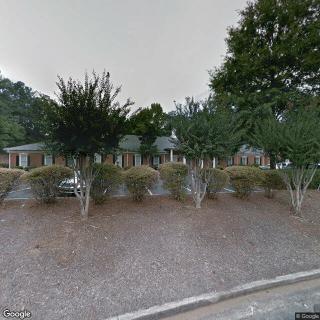
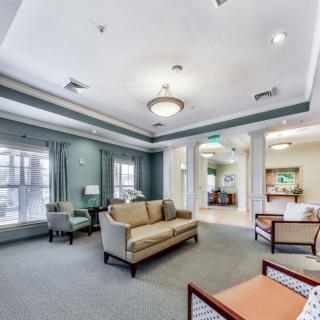
- The homes are beautiful.
- The clients are well taken care of.
- The students were nice to his son.
- The director seemed nice on the first day.
Cons
 The director Sheila is very unprofessional and rude.
- The staff are described as mean, unfriendly, and treating residents like kids.
- There is always fighting going on among the residents.
- The care provided consisted only of breathing treatments twice a day for five days, leading to walking pneumonia.
- The director initially seemed nice but proved to be unhappy, mean, and uncaring about the son’s well-being, being argumentative and having drivers not pick up the son.
Review
Bsa Community Living Arrangement in Fayetteville, GA is best suited for families seeking a warm, home-like setting where a hands-on, owner-led approach delivers personal attention and where the interior environment is attractive and well maintained. The most compelling aspects lie in the perceived dignity afforded residents and the sense that care is given with a straightforward, no-nonsense ethic. For families who prize a setting that feels like a private home rather than a clinical campus, and who are willing to lean on the owner’s leadership to keep things running, this community can be a fit. The simple beauty of the homes and the clear, direct communication from a proprietor who values residents as people rather than numbers can be a meaningful comfort for some in the transition to assisted living. In short, the appeal rests on relational warmth and an intimate atmosphere more than on large-team consistency or clinical depth.
From there, though, the landscape shifts for those who require consistently polished professional management and dependable, respectful staff across all shifts. Families who want a program with highly structured operations, predictable caregiver interactions, and robust, easily accessible medical coordination should seriously consider alternatives. The current reviews spotlight ongoing friction around leadership and staff dynamics, and that tension can undermine the stability that many seniors and families rely on. Residents who need meticulous daily routines, clear behavior guidelines, and uniform staff responses may encounter too much variability here. If calm, steady governance and predictable interpersonal dynamics are non-negotiable, this community may fall short of expectations.
On the upside, the strongest pro is the owner’s claimed honesty and straightforwardness, paired with a belief that residents should never be made to feel “less than.” The ownership approach translates into a setting where residents’ dignity appears to be a core value, and where the physical homes themselves are described as beautiful and well cared for. When the care plan is driven by an attentive leader who is visible and accessible, families can feel that someone is looking out for their loved one, and that issues are addressable through direct conversation with a decision-maker who has latitude to respond. That dynamic can offset some organizational fragility, particularly for families who want a close-knit, homegrown feel and are comfortable assuming some hands-on involvement in care decisions.
Yet the cons are substantive and cannot be dismissed. A recurring thread across multiple accounts is a director who is reported as unprofessional or unfriendly, with residents or families describing interactions as argumentative or dismissive. Add to that ongoing complaints about staff behavior, being mean, unfriendly, or treating residents like children, and the risk profile rises. If interpersonal climate is central to a resident’s sense of security and well-being, the documented tensions among residents and between staff and families could erode the daily quality of life. There are specific anecdotes suggesting gaps in urgent responsiveness, such as medical-like tasks or treatments occurring in a compressed time frame, which raises questions about medical oversight and timeliness. The transport dynamic, drivers not always coordinating pickups, further complicates the picture for families relying on dependable logistics. Taken together, the environment may feel less like a consistent, nurturing program and more like a small, sometimes unsettled operation.
The key question becomes how far the bright spots can offset the drawbacks. The owner-led model and the aesthetically pleasing homes provide a meaningful counterweight to leadership and staff fragility if one is prepared to engage actively in oversight. Families who can establish clear expectations, insist on regular, open communication with the owner, and participate in crafting a formal care plan are more likely to experience the positives without being overwhelmed by negative interpersonal dynamics. The personal touch, knowing the person ultimately responsible for care, can help navigate issues promptly, with the owner able to intervene in ways a larger organization might not. In practice, this balance hinges on direct, ongoing dialogue and a shared commitment to treating residents with dignity, even when frontline staff are inconsistent. For families open to that dynamic, the positives can be meaningful enough to outweigh notable risks.
Bottom line: this community is a reasonable fit for families who want a distinctive, homey setting and can tolerate potential management and staff volatility in exchange for direct access to the owner and a visually appealing environment. It is less suitable for those who require ironclad consistency, uniformly courteous staff, and meticulously coordinated medical oversight. Prospective buyers should prioritize a thorough, no-pressure meeting with the owner, and demand concrete, written care plans and escalation paths. Ask to speak with current residents and their families about day-to-day experiences, not only the impression at tour time. Clarify transport arrangements, medication management, and conflict resolution processes, and request a trial period if possible. If these conditions can be met and maintained, the balance of warmth, dignity, and homelike comfort can make Bsa Community Living Arrangement a valuable choice; if not, it is prudent to keep exploring options with stronger, steadier leadership and more consistent day-to-day governance.
 3 resident community capacity
 Assisted Living
 Cable or satellite TV
 Dining room
 Fully furnished
 Garden
 Housekeeping services
 Move-in coordination
 Outdoor space
 Telephone
 Wi-Fi/high-speed internet available
 William B Hartsfield-Atlanta International (11 miles away)
 24-hour supervision
 Activities of daily living assistance
 Assistance with bathing
 Assistance with dressing
 Assistance with transfers
 Diabetes diet
 Meal preparation and service
 Medication management
 Special dietary restrictions
 Transportation arrangement (medical)
 Transportation to doctors appointments





 Understanding the Distinctions: Assisted Living and Memory Care Explained
 Guiding Elderly Parents Who Refuse Assisted Living: 6 Practical Steps
 Your Comprehensive Guide to Luxury Assisted Living: Elevated Facilities, Amenities, and Costs