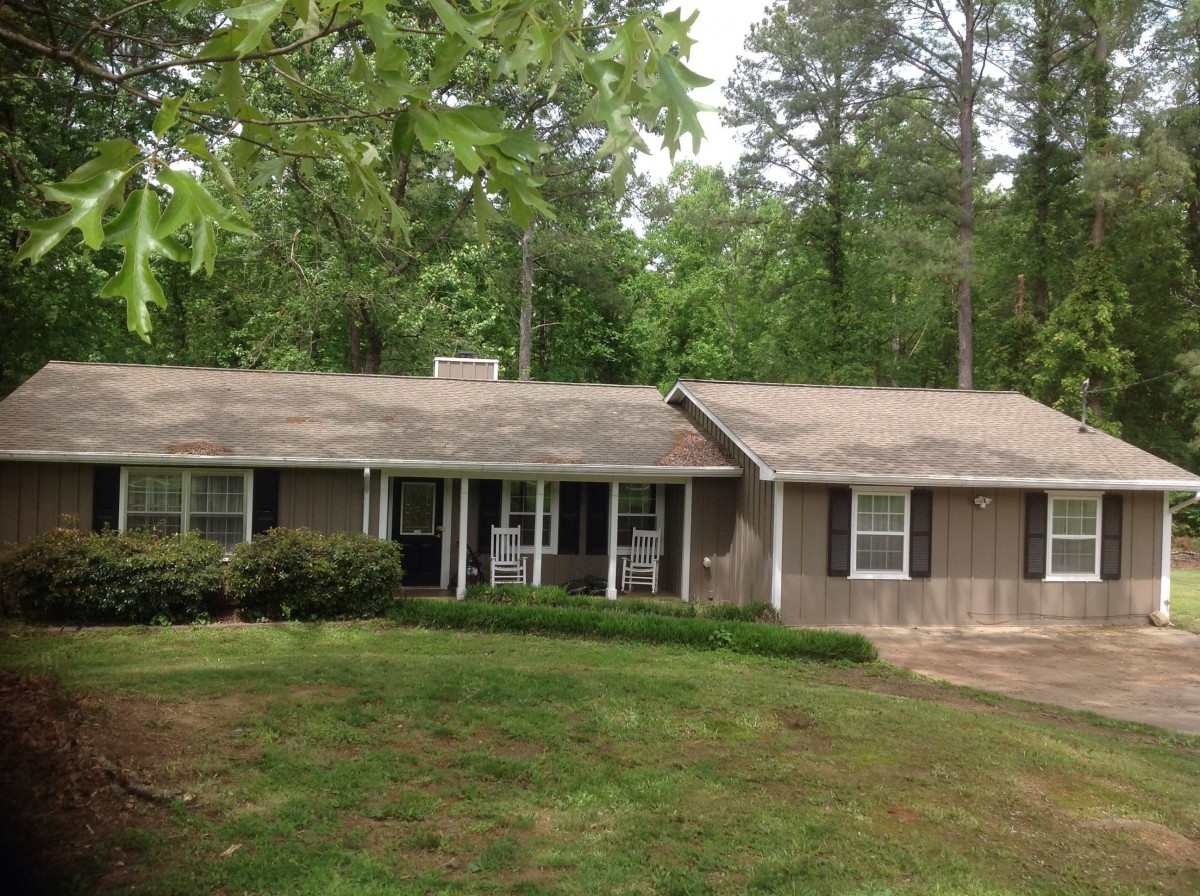

5585 Short Road, Fairburn, GA 30213
For more information about senior living options: (866) 208-4318
We Care Residential Services II Costs & Pricing
We Care Residential Services II offers competitive pricing for its residential services, positioning itself as a cost-effective option within Fulton County and the broader state of Georgia. For semi-private accommodations, residents can expect to pay $1,260 per month, which is significantly lower than the county average of $2,883 and the state average of $2,529. Similarly, those seeking private rooms will find We Care's rate of $1,800 to be quite appealing compared to Fulton County's average of $3,203 and Georgia's average of $2,864. This notable difference in pricing underscores We Care Residential Services II's commitment to providing quality care while ensuring affordability for its residents and their families.
| Floor plans | We Care Residential Services II | Fulton County | Georgia |
|---|---|---|---|
| Semi-Private | $1,260 | $2,883 | $2,529 |
| Private | $1,800 | $3,203 | $2,864 |
Assisted Living communities with a similar price nearby
-
from -$60 / mo
Yellow Rose Manor Pch
$1,200 to $1,500 / month17.3 miles away -
from +$240 / mo
Lend A Hand Personal Care Home
$1,500 to $2,000 / month17.0 miles away -
from +$244 / mo

Wesley Woods Towers
$1,504 to $2,973 / month23.2 miles away -
from +$240 / mo

The Shepherd's House Of Love
$1,500 to $5,000 / month7.7 miles away -
from -$60 / mo
Faith Personal Care Home
$1,200 to $1,250 / month24.4 miles away
Overall Review of We Care Residential Services II
Pros
 They are very nice people.
- The staff are praised and the home is in good condition.
- The home is clean and has a pleasant environment.
- The resident appeared well groomed.
Review
We Care Residential Services II in Fairburn is best suited for seniors who want a small, home-like setting where staff are friendly, approachable, and the living space feels clean and inviting. This community fits families seeking personal attention, a predictable daily rhythm, and the dignity of residents who appear well cared for in a less institutional environment. It works well for those who prioritize warmth, easy access to care through a tight-knit staff, and a residence that feels like a true home rather than a hotel-like facility.
Those considering alternatives should be aware that this community may not be the right match for residents with high-acuity needs or those demanding a highly structured medical program. The rating mix, two solid four-star experiences, a mid-range three-star, and a low one-star, signals that not every family will find the same level of consistency or satisfaction. Families with expectations of robust clinical oversight, extensive on-site therapies, or a broad calendar of specialized activities may want to explore other options that clearly publish those capabilities and guarantees.
The strongest positives come from the staff and the environment. Reviewers repeatedly describe the people as very nice, and the home as clean and pleasant, with residents appearing well groomed. Those elements matter deeply in a setting where daily routines, personal assistance, and basic comfort are the core services. When staff warmth and a tidy, familiar space are present, transitions feel smoother for both residents and families, and the likelihood of friction or confusion during day-to-day tasks decreases. In practical terms, these advantages translate into less stress during move-in and more consistent, compassionate interactions day after day.
However, the flip side is the noticeable variability in experience. The presence of a low one-star rating alongside a mid-range three-star rating points to potential gaps, whether in responsiveness, consistency, or alignment with family expectations about care levels. Without explicit detail, these gaps can be real concerns for families monitoring a loved one’s changing needs. The caveat is clear: the warmth and cleanliness are solid, but questions about reliability, escalation of care, or the breadth of programs may not be fully addressed in every resident's tenure.
How the positives offset the negatives depends on the individual profile of the resident. For seniors with mostly custodial needs, who value a respectful, home-like atmosphere and do not require intensive medical management, the strong staff rapport and clean, well-maintained surroundings can largely offset the absence of high-powered programming. The intimate setting often enables quicker, more personalized responses to requests, routine assistance, and supervision that feels attentive rather than transactional. Yet for anyone whose condition may progress or who relies on frequent therapy, complex medication regimes, or dementia-specific programming, these offsetting factors may fade as needs intensify.
In making a decision, focus on concrete, checkable questions during tours: how many staff are assigned per shift, what is the on-site medical oversight structure, how are med reminders handled, what level of assistance is provided for mobility and daily tasks, and what is the activity calendar like for different care levels. Ask about memory care basics, emergency response times, and how concerns are tracked and communicated to families. If these assurances align with the recipient’s needs and the atmosphere feels consistently warm and orderly, We Care Residential Services II can be a sound fit. If not, the family should push for clarity or consider alternatives with a clearer match to higher care demands, more extensive programming, or stronger clinical infrastructure.
 3 resident community capacity
 Assisted Living
 Board and Care Home
 Cable or satellite TV
 Dining room
 Fully furnished
 Garden
 Housekeeping services
 Move-in coordination
 Outdoor space
 Private
 Telephone
 Wi-Fi/high-speed internet available
 William B Hartsfield-Atlanta International (13 miles away)
 24-hour supervision
 Activities of daily living assistance
 Ambulatory care
 Assistance with bathing
 Assistance with dressing
 Assistance with transfers
 Diabetes diet
 Meal preparation and service
 Medication management
 Special dietary restrictions
 Transportation arrangement (medical)
 Transportation to doctors appointments





 Comprehensive Insights into Activities of Daily Living (ADLs) and Their Assessment
 Medicare Coverage for Assisted Living: An In-Depth Exploration
 Choosing the Right Senior Care: A Detailed Exploration of Assisted Living and Nursing Homes