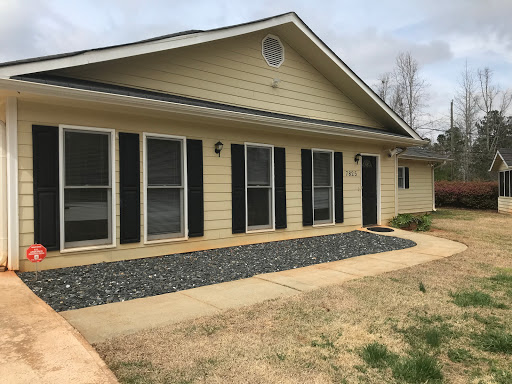
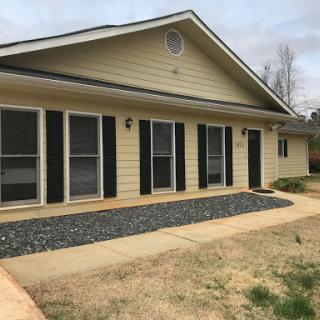
8835 Northcutt Road, Fairburn, GA 30213
To contact a resident: (770) 964-7958
For more information about senior living options: (866) 208-4318
Country Air Villa Personal Care Home Costs & Pricing
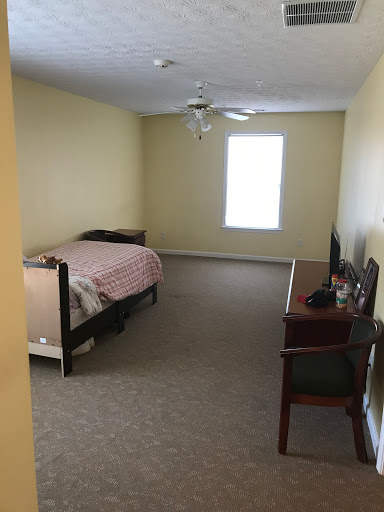
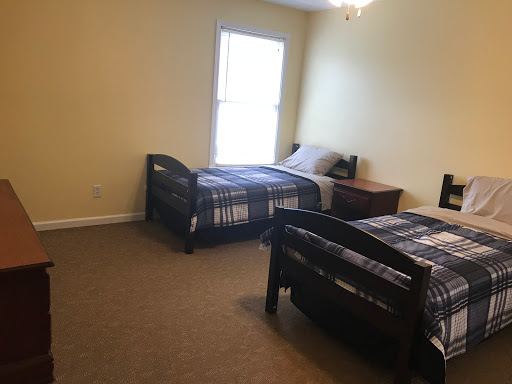
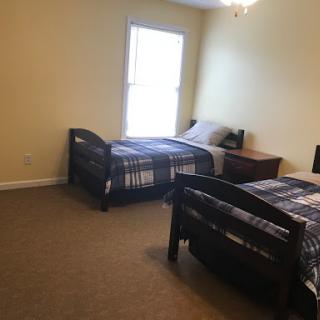
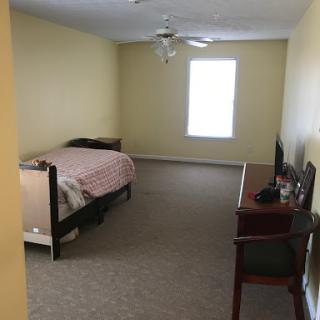
Country Air Villa Personal Care Home offers competitive pricing for its residents compared to the broader market in Fulton County and the state of Georgia. For a semi-private room, the monthly cost is $1,500, significantly lower than the county average of $2,883 and the state average of $2,529. Residents opting for private accommodations will find that Country Air charges $2,500 per month, which again is more affordable than both the county's average rate of $3,203 and Georgia's average of $2,864. These rates reflect Country Air Villa's commitment to providing quality care while maintaining accessibility in a challenging economic landscape.
| Floor plans | Country Air Villa Personal Care Home | Fulton County | Georgia |
|---|---|---|---|
| Semi-Private | $1,500 | $2,883 | $2,529 |
| Private | $2,500 | $3,203 | $2,864 |
Senior living communities with a similar price nearby
-
About the same
Lend A Hand Personal Care Home
$1,500 to $2,000 / month18.2 miles away -
from -$150 / mo
Le'glen Personal Care Home
$1,350 to $2,150 / month22.7 miles away -
from +$200 / mo

Rose's Premier Personal Care Home
$1,700 / month11.9 miles away -
About the same
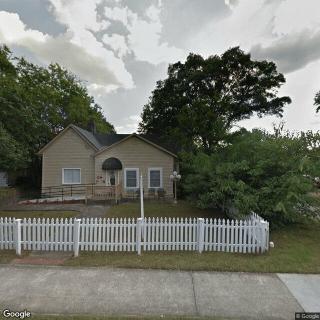
Ivy Spring Retirment Cottage
$1,500 / month22.4 miles away -
from +$200 / mo
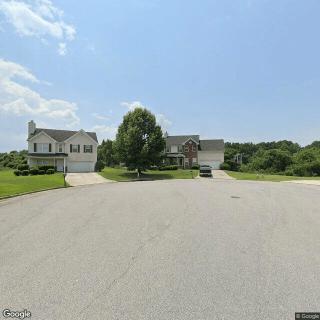
Around the Clock Personal Care Home, LLC
$1,700 to $2,200 / month11.0 miles away
Overall Review of Country Air Villa Personal Care Home
Pros
 The name fits the setting; the country air is welcoming.
- The staff at country air villa are warm and caring.
- Residents feel secure and not confined.
- The transition is smooth and it is a good place to call home.
Cons
 The staff and the owner cannot be trusted.
- The staff and the owner are not forthcoming.
- The staff are constantly changing.
- The facility does not offer memory care.
- The staff do very little with the residents.
- One should not take a loved one to this facility.
Review
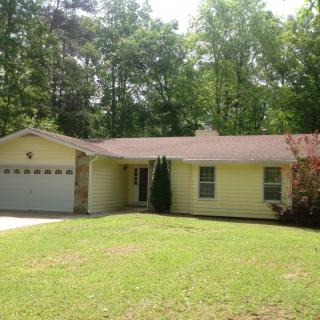
Country Air Villa Personal Care Home in Fairburn, GA is best suited for families seeking a compact, home-like atmosphere with a country setting and caregivers who project warmth in everyday interactions. The environment is welcomed as a place where residents can feel secure and less confined, and where transitions into care can feel natural rather than ceremonial. It works best for seniors who need light to moderate assistance and who value a personalized, intimate feel over formal, institution-like routines. For families prioritizing a robust memory-care program, clinical depth, or long-tenured, highly predictable staffing, this community may not be the optimal fit.
Alternatives should be considered for residents who require consistent, transparent memory support, highly structured daily schedules, or clear accountability from a stable leadership team. The most decisive red flags here would be inconsistent staffing, questions about leadership transparency, and promises that don’t align with observed services. If the loved one depends on steady, experienced memory-care interventions, or if family members want rigorous documentation and proactive outreach from administrators, other options that demonstrate sustained reliability will likely serve better in the long run.
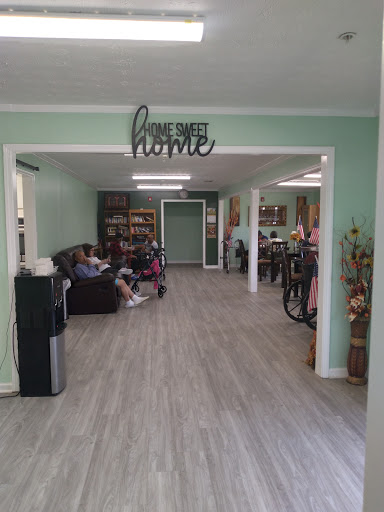
The strongest positives point to a setting that feels welcoming and homelike, where “country air” is more than a name, it signals an environment that can foster comfort and a sense of belonging. When a resident enters, there is a perception that warmth and personal attention are possible daily experiences, with residents potentially feeling secure rather than isolated. The notion of a smooth transition, an important factor for new entrants, also carries weight, suggesting that, for the right resident, the move can be emotionally manageable and the adjustment less fraught than anticipated. These aspects form a meaningful backdrop for families who prize personal connection and a low-key, nonclinical atmosphere.
However, these advantages must be weighed against clear, significant concerns raised in the reviews. The most serious question revolves around trust and consistency: a staff and owner dynamic described as not forthcoming and not trustworthy, coupled with frequent changes in care staff. Such volatility can undermine safety and continuity of care, especially for residents who require dependable daily routines or who become anxious when caregiver assignments shift. The criticism that memory care is not truly offered, or that engagement with residents is limited, compounds the risk for families evaluating whether a secure, stimulating environment is actually provided. In short, warmth and transition ease do not absolve the absence of reliable staffing and transparent, memory-focused programming.
To move from concern to clarity, prospective families should insist on direct, concrete answers during visits. Ask who provides day-to-day supervision and how staff turnover is tracked and minimized; request a current schedule that shows caregiving ratios and specific roles; inquire about memory-care capabilities, staff training in dementia care, and the frequency of meaningful resident activities. Demand a written outline of care plans, how progress is documented, and how family updates are communicated. Seek to meet residents themselves and observe interactions during different times of day to gauge engagement levels and whether residents seem occupied, supported, and genuinely cared for. Finally, review the contract for any memory-care limitations, added fees, or conditions that could surprise families later.
The practical verdict is clear: Country Air Villa can be a compelling choice for families prioritizing warmth, security, and a homey transition, provided the resident’s needs align with light-to-moderate assistance and a less structured environment. Yet the most consequential caveat is staffing stability and the veracity of memory-care offerings. If a loved one demands consistent staffing, transparent leadership engagement, and a formal memory-support program, stronger alternatives should be pursued. For families who value a welcoming, low-stress setting and are comfortable actively confirming ongoing care standards, Country Air Villa remains worth a careful, in-person evaluation, paired with pointed questions and a willingness to walk away if staffing and program assurances do not materialize.
 Board and Care Home
 Activities off-site
 Bath tubs
 Devotional services on-site
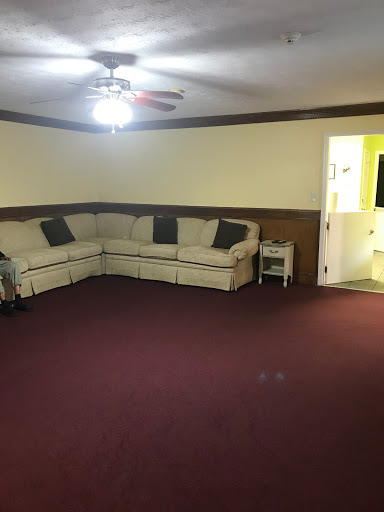
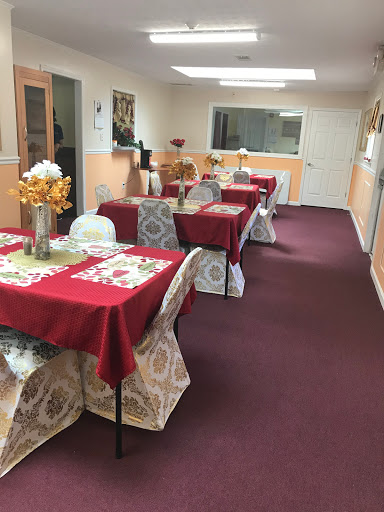
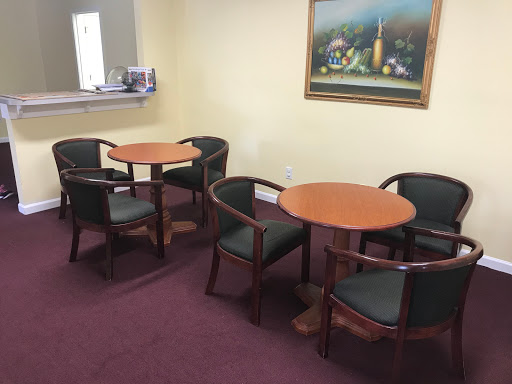
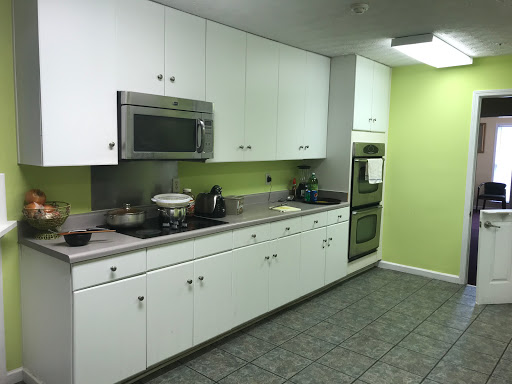
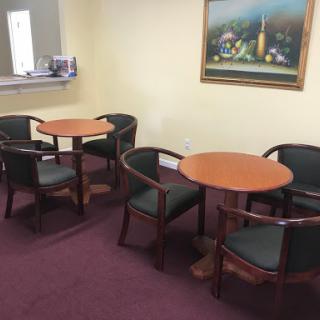
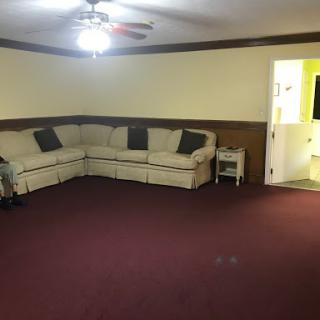
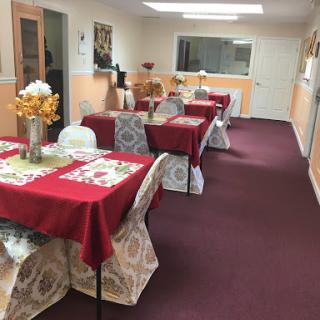
 Indoor common areas
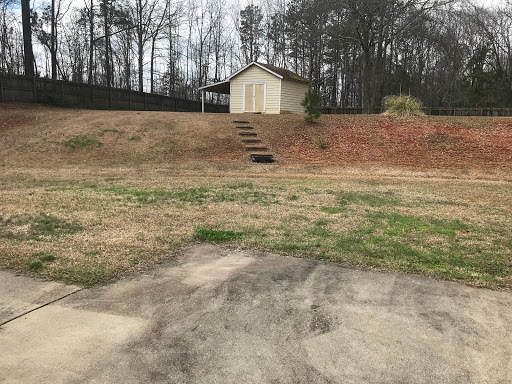
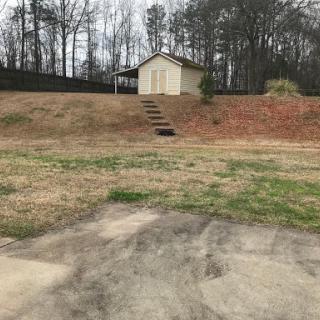
 Outdoor common areas
 Private
 Private bathrooms
 Respite or short term stays offered
 William B Hartsfield-Atlanta International (15 miles away)
 Ambulatory care
 Diabetic care
 Incontinence care
 Meals provided




 Nurturing Our Loved Ones: A Daughter's Journey in Caring for Her Mother
 Nurturing Our Elders: Linda's Journey of Supporting Her Mother
 A Comprehensive Exploration of Common Misunderstandings about Powers of Attorney