
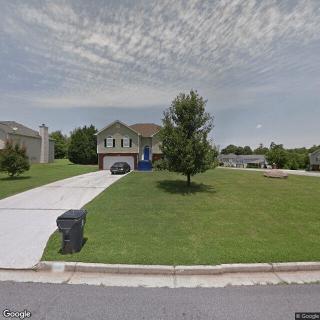
3801 Anvil Block Road, Ellenwood, GA 30294
For more information about senior living options: (866) 208-4318
Overall Review of Brightstar At Anvil Block Rd
Pros
 My cousin lives in one of Brightstar's homes, and it's a great place.
- Brightstar made it possible for him to feel at home while receiving the services he needed.
Cons
 Brightstar refused to display its business sign.
- The driver dropped his son off at the old address.
- Staff at the old address hurt his son while trying to restrain him.
- Brightstar allowed his son to walk down a busy street alone.
- The son was described as having the mind of a three-year-old and not understanding traffic.
- Brightstar continued to collect payments from the state for him.
- Brightstar was also collecting his disability payments.
- Several high-dollar items were missing when his property was retrieved.
- The reviewer advised others not to use Brightstar.
Review
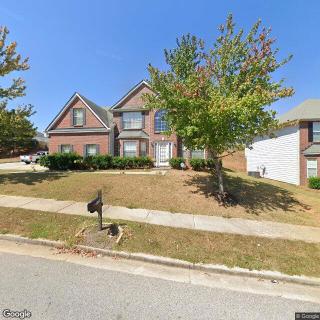
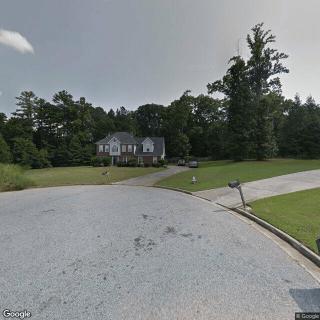
Brightstar at Anvil Block Rd in Ellenwood, GA is best suited for families seeking a small, home-like setting where a loved one with substantial care needs can receive hands-on support without entering a large institutional environment. The model works best when a resident benefits from familiar surroundings, close daily staff involvement, and a sense of belonging rather than clinical formality. A compelling example is a family member who described the program as enabling a cousin to stay in a place that felt like home while receiving necessary services. For families prioritizing continuity, routine, and a modest footprint, this setting can deliver meaningful dignity and stability.
That said, serious caveats are non-negotiable. Those who must have rigorous safety governance and transparent operations should consider alternatives. Multiple families report troubling gaps in accountability: delayed or withheld information about legal issues involving residents, disputes over belongings, and allegations of financial improprieties. The tenor of these accounts points to management weaknesses that undermine trust and raise questions about safeguarding, financial controls, and escalation pathways. In short, this is a setting with notable risk if robust safeguards are not consistently in place and actively observed.
On the positive side, Brightstar can deliver a genuine home atmosphere where essential services are accessible without relocating a loved one far from familiar surroundings. The strongest case for this model centers on belonging, daily support, and ongoing engagement in routines within a small, intimate environment. For families who value minimizing disruption while preserving a home-like feel, this is a substantive advantage. The affirmative testimony from one relative underscores that, when functioning well, the arrangement can preserve dignity, stability, and connection to home for a resident who needs assistance.
Yet the most consequential cons cut deeply into trust. The safety questions raised by described incidents, including issues around proper drop-off, supervision, and alleged neglect for a cognitively challenged resident, are critical red flags. Add persistent communication gaps, unexplained missing belongings, and suspicions of mishandling of disability benefits, and the operation signals governance drift. These are not minor irritants; they are fundamental risks that families must weigh against any warmth or convenience the setting might offer. Without reliable, verifiable safeguards, the cons can overwhelm the perceived benefits.
Whether the bright spots offset the risks depends on the presence of stringent, verifiable controls. The home-like vibe and access to services become meaningful only with tangible safeguards: transparent, independently overseen billing; immediate, clear reporting of any legal or welfare concerns; rigorous staff screening and training; thorough incident documentation; and regular, proactive family updates. In the absence of such guardrails, the positives remain fragile. Prospective residents should demand licensure verification, current complaint histories, and a concrete remediation plan for past failures before considering enrollment.
Bottom line: Brightstar may fit a subset of families willing to tolerate governance risk in exchange for a more homelike, small-community living arrangement, provided stringent safeguards and open, ongoing communication are in place. For many families prioritizing safety, legal clarity, and predictable management, exploring alternatives with stronger governance and accountability is prudent. When evaluating, request candid responses about incident handling, staffing patterns, and financial controls; verify licensing status and speak with current families about day-to-day safety. The decision hinges on whether assurance and advocacy can match comfort, and whether oversight can be sustained as a non-negotiable standard of care.
 3 resident community capacity
 Assisted Living
 Cable or satellite TV
 Dining room
 Fully furnished
 Garden
 Housekeeping services
 Move-in coordination
 Outdoor space
 Telephone
 Wi-Fi/high-speed internet available
 William B Hartsfield-Atlanta International (9 miles away)
 24-hour supervision
 Activities of daily living assistance
 Assistance with bathing
 Assistance with dressing
 Assistance with transfers
 Diabetes diet
 Meal preparation and service
 Medication management
 Special dietary restrictions
 Transportation arrangement (medical)
 Transportation to doctors appointments



 Comprehensive Insights into Activities of Daily Living (ADLs) and Their Assessment
 Medicare Coverage for Assisted Living: An In-Depth Exploration
 Your Comprehensive Guide to Luxury Assisted Living: Elevated Facilities, Amenities, and Costs