

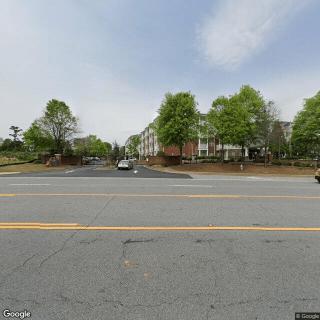
3235 Satellite Blvd Building 400, Suite 300, Duluth, GA 30096
To contact a resident: (770) 882-7002
For more information about senior living options: (866) 208-4318
Overall Review of Dignity Care Services
Pros
 CareBuilders is highly recommended, with Tony and Sonya praised for being superb to work with and the caregivers described as top-notch whose care is unmatched.
- CareBuilders at Home earns strong praise for professionalism, exceptional care, and the team’s ability to partner with families and notice health changes promptly.
- The caregivers are professional, warm, and reliable, giving families tremendous peace of mind as their loved ones are cared for in their own homes.
- Tony and his team inspire confidence in families about arranging in-home care.
- Tony and the CareBuilders team are appreciated for finding compassionate care and for staff like Charell, who are consistently available to answer questions and coordinate schedules.
- Tony and the CareBuilders team are fantastic, treating clients’ parents as if they were their own, with effective communication and sincere support during difficult care decisions.
Review
This Duluth community is best suited for families seeking highly personalized, in-home elder care delivered with warmth, continuity, and meticulous family coordination. The CareBuilders at Home model highlighted in the reviews demonstrates a level of one-to-one attention that keeps a loved one in familiar surroundings while maintaining clear lines of communication with the family. Caregivers are described as top notch, professional, and genuinely caring, with the leadership team (Tony, Sonya, and Charell) serving as active partners in scheduling, questions, and ongoing care decisions. For families prioritizing peace of mind and a hands-on approach to daily care, this is a compelling fit.
Those who may want to consider alternatives are those who expect 24/7 on-site supervision in a facility, a robust social program with structured activities, or specialized memory-care resources that require a campus environment. In addition, households with tighter budgets or those seeking a more predictable, fixed-cost care plan may find some in-home arrangements challenging. The reviews emphasize a deeply personal care dynamic, which, while excellent for individualized attention, may not replace the social and clinical resources a dedicated facility can provide for certain needs.
The strongest pros center on the caregivers themselves and the family-centric model. Caregivers are consistently described as professional, warm, and reliable, delivering care that fosters genuine peace of mind for families. A core strength is the partnership with families: caregivers and coordinators actively collaborate, notice changes in health, and alert loved ones promptly. The team’s responsiveness, anticipating questions, coordinating schedules, and making families feel supported, creates a sense that the loved one is in consistently capable hands. This level of proactive communication is a practical safeguard, turning potential worries into actionable, timely updates.
These advantages offset common cons associated with in-home care, particularly around scheduling complexity and the potential for caregiver turnover. The reviews repeatedly highlight coordination as a strength, Tony and the team are described as accessible and ready to adjust care plans as needed. The personal touch, being treated as family, with caregivers who truly partner in care, helps mitigate concerns about continuity and reliability. While in-home care can involve ongoing costs and the need to manage multiple shifts, the cited experience suggests a stable, engaged approach that minimizes gaps and keeps the elder’s routine intact.
From a decision-making standpoint, consider what matters most in daily life for the senior and the household. If staying at home with a trusted, communicative team is the priority, this model delivers measurable value: professional caregivers who show up consistently, a leadership group that coordinates schedules, and a clear mechanism for communicating changes to the family. Prospective clients should verify that the preferred plan aligns with the senior’s medical needs, confirm the expected caregiver cadence, and assess whether the family’s preferred level of involvement matches what the team offers. The emphatic testimonials about partnership and hands-on care suggest a reliable framework for families seeking to avoid isolation or administrative friction during transitions to higher levels of care.
In the end, this option represents a robust, practical choice for Duluth families prioritizing intimate, attentive home-based care with strong, proactive communication. For seniors who want to stay in familiar surroundings and rely on a trusted caregiver network that treats them like family, the positives far outweigh the typical drawbacks of at-home arrangements. But if the decision centers on a campus-style setting with scheduled social programming, specialized memory-care environments, or 24/7 on-site clinical oversight, exploring facility-based alternatives remains prudent. The core takeaway: when the goal is consistent, compassionate, family-partnered home care, this approach rises to the top and delivers tangible peace of mind.





 Comprehensive Look at Senior Blood Pressure Charts: Normal and Elevated Levels by Age
 Top Canine Companions for Older Adults
 Comprehensive Guide to Blood Pressure Charts for Older Adults: Understanding Normal and High Readings by Age