
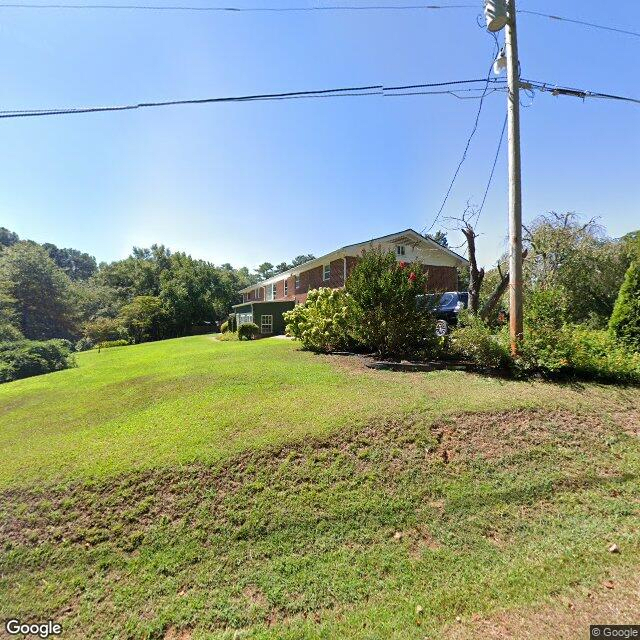
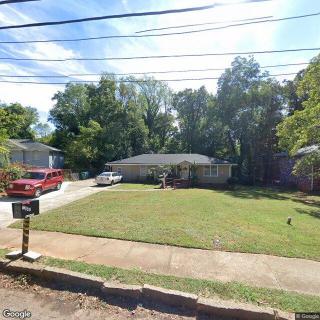
2629 Hilderbrand Drive, Douglasville, GA 30135
For more information about senior living options: (866) 208-4318
Grace Oasis - Personal Care Home Costs & Pricing
Grace Oasis - Personal Care Home offers competitive pricing for its residents, with monthly rates significantly lower than both Douglas County and the broader state of Georgia. For a semi-private room at Grace Oasis, the cost is $1,200, which stands in stark contrast to the county's average of $2,318 and the state average of $2,529. Similarly, residents opting for a private room will find Grace Oasis's rate of $1,800 to be quite appealing compared to the county's $2,587 and the state's $2,864. These figures reflect Grace Oasis's commitment to providing quality care that is not only compassionate but also accessible.
| Floor plans | Grace Oasis - Personal Care Home | Douglas County | Georgia |
|---|---|---|---|
| Semi-Private | $1,200 | $2,318 | $2,529 |
| Private | $1,800 | $2,587 | $2,864 |
Assisted Living communities with a similar price nearby
-
About the same
Yellow Rose Manor Pch
$1,200 to $1,500 / month11.3 miles away -
About the same
Faith Personal Care Home
$1,200 to $1,250 / month23.5 miles away -
from +$100 / mo
Ace Personal Care Home 2
$1,300 / month23.6 miles away -
from -$200 / mo

Peoples Personal Care Home #3
$1,000 to $2,500 / month24.7 miles away -
About the same
IJN Adult Care Centers 1
$1,200 to $1,400 / month20.3 miles away
Overall Review of Grace Oasis - Personal Care Home
Pros
 Grace Oasis is an AWESOME place filled with GREAT staff.
- The care provided is EXCEPTIONAL.
- Grace Oasis has a compassionate and knowledgeable team who care for their individuals.
- The group home staff are certified and professionally qualified, doing a stellar job.
- The team members are great team players who look out for each other.
- The professionalism of the staff adds to the family-type environment created by everyone who works there.
- Grace Oasis provides a nice experience.
- Grace Oasis is highly recommended.
Review
Grace Oasis in Douglasville, GA, is best suited for families seeking a tightly knit, home‑like setting for adults with special needs who require hands‑on, consistent care. The community shines when a resident benefits from highly personalized attention delivered by a small, professional staff that treats each resident like family. This is not a sprawling campus; it is a private group‑home environment designed to foster trust, routine, and close relationships between residents and caregivers. For families prioritizing stability, predictability, and a culture of care over breadth of amenities, Grace Oasis offers a compelling fit. The emphasis on a calm, supportive atmosphere makes it particularly appropriate for individuals who value daily routines, direct staff access, and a sense of belonging that comes with a small, cohesive team.
However, Grace Oasis may not be the right fit for residents who need larger social networks, a broader slate of activities, or robust medical oversight. The maximum occupancy of four residents means limited peer interaction and a slower pace of integration into community life. Families seeking around‑the‑clock nursing, memory‑care specialization, or wide‑ranging programming may want to explore fuller‑service assisted living communities or specialized facilities. Also, if a resident requires more structured transportation options, on‑site therapy services, or more formal corporate branding and oversight, a larger operation might deliver those capabilities more consistently. Finally, those who prioritize campus‑scale amenities or a formal dining room experience may find the scale at Grace Oasis feels too intimate.
Pros are unmistakable in the testimonials: a certified, professionally qualified staff that works well as a team and looks out for one another, creating a family‑type environment. The praise consistently centers on competence and compassionate care; words like “care is exceptional” and “compassionate and knowledgeable” recur across remarks. The small group setting enables staff to know each resident intimately, track subtle changes, and tailor supports with agility. This is not a clinical, antiseptic environment; professionalism translates into daily interactions that reinforce safety, dignity, and independence where possible. For families, it is clear that caregivers are not just completing tasks but partnering with residents and families to craft routines that honor preferences, routines, and milestones.
Yet the profile includes notable caveats. The most obvious constraint is the capacity: only four residents at a time, which limits access and can lead to wait times or difficulty aligning needs with openings. In a setting that bills itself as intimate, a mismatch between expectations and reality can feel magnified if openings are slow to occur or if the resident’s needs evolve beyond what a small staff can cover without external help. The overall rating spread, some perfect scores alongside a 2‑star and a 1‑star review, signals that experiences can diverge based on personal expectations, staff turnover, or specific incidents not fully disclosed publicly. Prospective families should probe what a typical day looks like, how shifts are staffed, and how the home manages holidays, emergencies, and care changes to avoid surprises.
Despite the cons, the strengths often tilt the decision toward Grace Oasis for the right resident. The certified staff, cohesion, and compassionate approach compensate for the small size by ensuring predictability, safety, and a deeply personalized routine. The family‑like atmosphere reduces anxiety for both residents and families, enabling smoother communication and more direct advocacy. When care needs are highly individualized, dietary requirements, medication management, behavioral supports, the small team can adjust quickly and transparently, something that can falter in larger settings. In short, for a resident who treasures intimate attention, minimal duplication of services, and a home atmosphere that prizes dignity, the pros jointly outweigh the capacity‑driven drawbacks, provided clear, realistic expectations are set about what a four‑resident home can deliver.
To move forward, undertake a focused exploration. Schedule multi‑hour visits with the caregiving team, request to meet the house supervisor, and observe how the daily schedule accommodates meals, activities, and quiet time. Verify staff‑to‑resident ratios, confirm training in first aid, behavioral supports, and any specialized needs, and ask for sample care plans. Clarify how openings are filled, how waitlists operate, and what the process is for hospital transfers or coordination with external clinicians. Bring a checklist of resident preferences, routines, and nonnegotiables to ensure alignment. Finally, compare Grace Oasis against a couple of alternative options, one larger, one with a more clinical model, to determine which balance of personalized care, access, and autonomy most closely matches the resident’s goals.
 4 resident community capacity
 Assisted Living
 Board and Care Home
 Activities off-site
 Bath tubs
 Cable or satellite TV
 Devotional services off-site
 Dining room
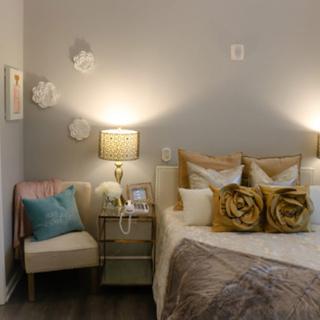
 Fully furnished
 Garden
 Housekeeping services
 Indoor common areas
 Move-in coordination
 Outdoor common areas
 Private
 Respite or short term stays offered
 Telephone
 Wi-Fi/high-speed internet available
 William B Hartsfield-Atlanta International (14 miles away)
 24-hour supervision
 Assistance with bathing
 Assistance with dressing
 Assistance with transfers
 Diabetes diet
 Diabetic care
 High acuity care
 Meal preparation and service
 Medication management
 Special dietary restrictions
 Transportation arrangement (medical)
 Transportation to doctors appointments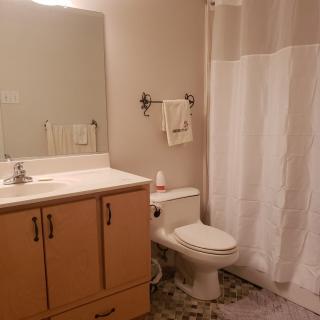





 How and When Medicaid May Cover Assisted Living Costs
 A Detailed Exploration of Assisted Living Medicaid Waivers Across the United States
 Comprehensive Residential Support and Assisted Living Solutions for Individuals with Disabilities