
3150 Anneewakee Falls Parkway, Douglasville, GA 30135
To contact a resident: (404) 553-4132
For more information about senior living options: (866) 208-4318
Changing Lives, Inc Costs & Pricing
Changing Lives, Inc offers competitive pricing for its residential services, positioning itself as an affordable alternative within Douglas County and the broader state of Georgia. The monthly cost for a semi-private room at Changing Lives, Inc is $1,100, significantly lower than the county average of $2,318 and the state average of $2,529. For those seeking more privacy, a private room is available at $1,500 - again well below the Douglas County average of $2,587 and Georgia's average of $2,864. This pricing structure highlights Changing Lives, Inc's commitment to providing quality care while ensuring financial accessibility for individuals and families in need.
| Floor plans | Changing Lives, Inc | Douglas County | Georgia |
|---|---|---|---|
| Semi-Private | $1,100 | $2,318 | $2,529 |
| Private | $1,500 | $2,587 | $2,864 |
Senior living communities with a similar price nearby
-
from +$100 / mo
Kelly Lake Manor PCH
$1,200 / month23.1 miles away -
from +$100 / mo
Yellow Rose Manor Pch
$1,200 to $1,500 / month11.9 miles away -
from +$100 / mo

A New Perspective
$1,200 to $1,750 / month8.2 miles away -
from -$100 / mo
Caring Hearts PCH
$1,000 to $1,300 / month13.7 miles away -
from +$100 / mo
Holly Manor Assisted Living
$1,200 to $2,000 / month24.2 miles away
Overall Review of Changing Lives, Inc
Pros
 Some of the staff treated him with respect.
- The company is great.
- A staff member helped by moving him so he could enter.
Cons
 Some staff argue with him, showing disrespectful behavior.
- A staff member asked him to show her something to prove he was telling the truth.
- Bugs were coming into his room, with one crawling on him.
- This place needs to be shut down for good.
- An individual living there was abused by staff.
- He felt he was given the runaround about employment, and the promises were broken.
Review
Changing Lives, Inc. in Douglasville is best suited for seniors who need light daily assistance and who are comfortable in a smaller, group‑home style setting rather than a large, hospital‑like campus. The program implies some daytime structure, social activity, and a degree of autonomy, but oversight and consistency appear uneven. This community can work for residents who want a lower‑intensity environment and who can tolerate fluctuations in staff behavior and responsiveness. Families should view it as a fit when the priority is a casual routine and proximity or cost matters more than assured 24/7 supervision or flawless housekeeping.
Those weighing alternatives should consider facilities with stronger, more predictable staffing, clearer accountability, and visible safety safeguards. If reliability, pristine cleanliness, consistent caregiver attention, and transparent management practices are nonnegotiable, several other options in the area may deliver a tighter safety net. Residents who require regular miscommunication to be minimized, or who want a proven track record in protecting vulnerable adults, would likely be better served elsewhere. In short, this community is not the optimal choice for high‑care needs or for families prioritizing unwavering reliability.
On the upside, the reviews do reveal some positive elements. A portion of staff is described as respectful, and there are mentions of staff engagement during the Day Program, which suggests opportunities for meaningful social interaction and dignified treatment in moments of care. The presence of any respectful exchanges and constructive activity indicates that, with improved consistency and stronger supervision, the environment could become more reliably positive. This underscores that the core program and personnel have the capacity to deliver quality experiences, provided turnover slows and training tightens.
However, the most weighty concerns center on safety, cleanliness, and governance. A recurring pest problem in resident rooms is a serious red flag, signaling gaps in housekeeping, preventive maintenance, and ongoing monitoring. Reports of tense or contentious staff interactions, where questions are met with pushback or demands for truth‑checking, point to fragile communication channels and inconsistent problem‑solving. Equally troubling are allegations of abuse within a shared living setting and a death among residents that signals possible gaps in supervision and safeguarding. When such issues coexist with staff who appear argumentative rather than collaborative, confidence in day‑to‑day safety and responsive care diminishes rapidly.
To assess suitability practically, families should demand concrete, site‑specific information before moving forward. Request a comprehensive tour focused on cleanliness standards, pest‑control history, and the frequency of routine housekeeping. Ask how incident reporting is tracked, what corrective actions follow, and how residents’ safety is monitored across shifts. Inquire about staff‑to‑resident ratios per shift, training curricula, and the process for addressing concerns from residents or families. Probe the track record on employment commitments and what safeguards exist to protect residents when promises are not kept by administration. These questions may reveal whether the positives can translate into reliable, day‑to‑day experiences.
The bottom line is clear: Changing Lives, Inc. can serve a niche audience, those who can accept variability in staff performance and who prefer a less formal, group‑living atmosphere with intermittent social programming. For families prioritizing dependable safety, predictable care, and transparent management, more robust options should be pursued. This community warrants thorough due diligence, visits, candid conversations with frontline staff, and a careful comparison against stronger contenders, before committing any loved one to long‑term placement.
 Board and Care Home
 Activities off-site
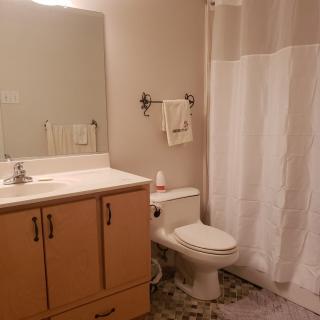
 Bath tubs
 Devotional services off-site
 Indoor common areas
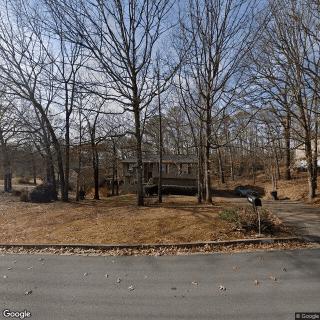
 Outdoor common areas
 Private
 Private bathrooms
 Respite or short term stays offered
 Swimming pool / hot tub
 William B Hartsfield-Atlanta International (15 miles away)
 Ambulatory care
 Diabetic care
 Incontinence care
 Meals provided





 Engaging Brain Games and Innovative Apps to Keep Senior Minds Active
 Effective Strategies for Keeping Seniors' Minds Active: A Deep Dive into Brain Games and Apps
 In-Depth Look at the VA Aid and Attendance Program