
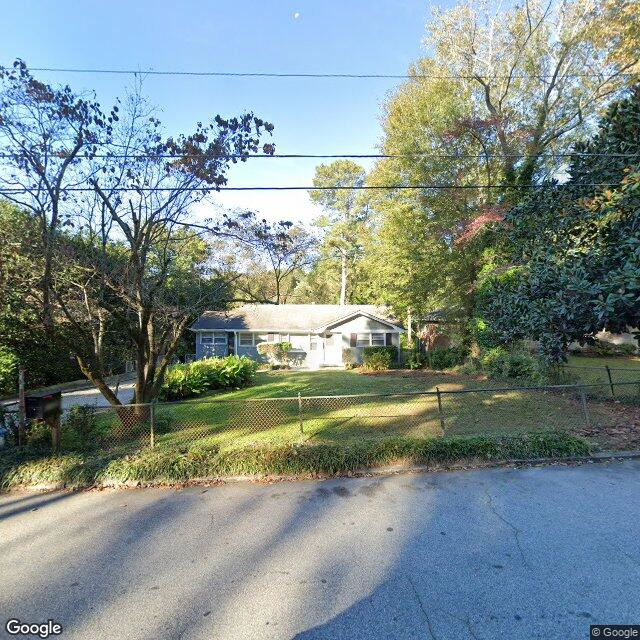
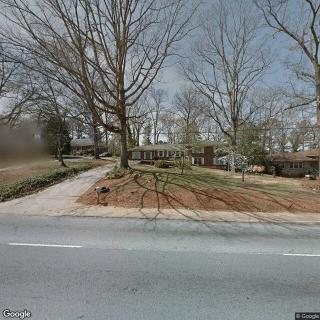
2165 Glendale Drive, Decatur, GA 30032
To contact a resident: (678) 886-3773
For more information about senior living options: (866) 208-4318
Usher Residential and Community Services, Inc Costs & Pricing
Usher Residential and Community Services, Inc offers competitive pricing for its accommodations compared to the broader market in DeKalb County and throughout Georgia. For semi-private rooms, the monthly cost is $1,700, significantly lower than the county average of $2,188 and the state average of $2,529. Similarly, private rooms at Usher are priced at $1,800, which again is more affordable than both DeKalb County's average of $2,415 and Georgia's state average of $2,864. This reflects Usher's commitment to providing quality care and support services while ensuring affordability for residents and their families.
| Floor plans | Usher Residential and Community Services, Inc | DeKalb County | Georgia |
|---|---|---|---|
| Semi-Private | $1,700 | $2,188 | $2,529 |
| Private | $1,800 | $2,415 | $2,864 |
Senior living communities with a similar price nearby
-
from -$200 / mo
Americare Group
$1,500 / month4.5 miles away -
from +$100 / mo
Lona Lisa's Assisted Living Home Inc.
$1,800 to $6,000 / month17.1 miles away -
from +$100 / mo
G & M Personal Care Home
$1,800 to $2,500 / month10.3 miles away -
from +$300 / mo
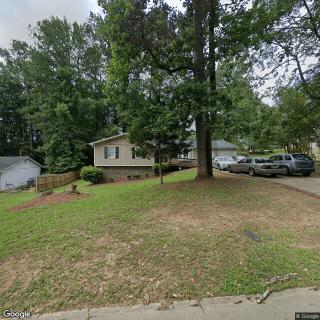
B&A Personal Care Home
$2,000 / month7.3 miles away -
from -$200 / mo
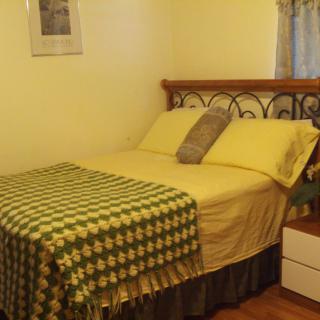
Lend A Hand Personal Care Home
$1,500 to $2,000 / month11.8 miles away
Overall Review of Usher Residential and Community Services, Inc
Pros
 It is a nice, safe care home with a good staff.
- The meals are great and there is transportation to an activity center for seniors.
- The staff are caring and attentive to residents' needs.
- The home is clean and well maintained.
- The owner who assisted visitors is really nice.
- It has been a good experience and is recommended for a loved one.
Cons
 They warn others never to send a loved one to this facility.
- They describe the staff as careless and murderous.
- They claim a family member died at the hands of the facility.
- They report residents wandering away without caretakers’ knowledge and missing for two weeks.
- They urge people to stay far away from this place.
- They feel the place is more like an institution.
- They question the value given the high price for private/semi-private rooms.
- They criticize the facility for poor phone manners and disruptive behavior during calls.
Review
This community is best suited for families seeking a smaller, home-like care setting in Decatur where attentive staff, clean surroundings, and solid daily routines matter most. For seniors who value consistent meals, some structured activities, and dependable transportation to social or activity opportunities, Usher Residential and Community Services can feel like a practical, budget-conscious option. The experiences described by multiple residents’ families point to a manageable, people-centered environment when the facility is functioning well: pleasant meals, a caring footprint from staff, and a generally clean, orderly atmosphere that supports daily living.
Explicitly, there are clear signals that some families should consider alternatives. A single, high-heat complaint about safety and loss of residents raised alarm bells that cannot be dismissed. That view sits alongside other reports describing small restrooms that can present accessibility challenges, a vibe that some perceive as more institutional than homelike, and pricing that may stretch family budgets for the level of privacy offered. For anyone prioritizing robust safety controls, strong incident prevention, and wheelchair-friendly design, these factors argue for looking at other options with stronger safety records and more wheelchair-oriented infrastructure.
The strongest positives here, staff who are described as caring and attentive, clean facilities, healthy meals, and transportation to senior activities, do offer meaningful offset to certain drawbacks. When operations run smoothly, families report noticeable value in a well-maintained environment and predictable routines that support independence. The meals receive consistent praise, and the availability of activity participation and transportation can help residents stay engaged without constant family oversight. These advantages particularly serve residents who thrive with practical, everyday structure and a staff that is responsive to routine needs.
Yet the cons do not fade into the background. The most serious concern comes from the assertion of safety lapses, including a claim that residents wandered away for extended periods and a fatal outcome in another review. Even if such accounts reflect one extreme experience, they create legitimate anxiety for families weighing risk against benefit. Added concerns, restrooms that may be too small for wheelchair access, a perceived “institutional” feel, and the reality of needing more hands-on involvement than anticipated in some cases, underscore the importance of verifying current safety measures, staffing ratios, and care levels before committing. Price tension, private rooms around 1800 and semi-private around 1700, further complicates the decision for families comparing value against risk.
For the practical decision-making process, prospective buyers should seize concrete due diligence steps: tour the home during a typical day to observe cleanliness, staff engagement, and how wandering or safety incidents are managed; ask for recent inspection reports and licensure status; request to speak with current residents about daily life and who makes the decisions about care plans; inspect the restrooms for wheelchair accessibility and whether emergency call systems are readily available and working; review what is included in the stated room rates (meals, activities, transportation, care services) and what might incur additional charges; and compare these findings against other Decatur-area options with stronger safety profiles and more uniformly homelike environments.
In the final analysis, Usher Residential and Community Services suits a specific family profile: those who prioritize a warm, staff-driven environment, reliable daily rhythms, and value-driven meals in a compact setting, and who are comfortable running a heightened due-diligence process around safety and accessibility. For families where safety incidents, wheelchair-accessible design, or a distinctly less institutional atmosphere are non-negotiables, alternatives should be pursued first. A careful, staged decision, guided by direct visits, candid conversations with staff and residents, and a comparison of comparable facilities, will reveal whether this community can align with long-term needs or if a stronger safety-first option is the wiser choice.
 Board and Care Home
 Activities off-site
 Air-conditioning
 Bath tubs
 Cable or satellite TV
 Devotional services off-site
 Handicap accessible
 Indoor common areas
 Outdoor common areas
 Private
 Private bathrooms
 Respite or short term stays offered
 Wheelchair accessible showers
 Wi-Fi/high-speed internet available
 William B Hartsfield-Atlanta International (11 miles away)
 Ambulatory care
 Diabetic care
 High acuity care
 Incontinence care
 Medication management
 Kosher
 Art classes
 BBQs or picnics
 Birthday parties
 Day trips and outings
 Gardening club
 Karaoke

 Nurturing Our Loved Ones: A Daughter's Journey in Caring for Her Mother
 Nurturing Our Elders: Linda's Journey of Supporting Her Mother
 A Comprehensive Exploration of Common Misunderstandings about Powers of Attorney