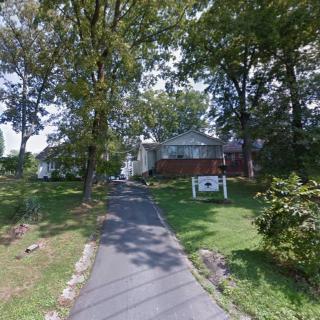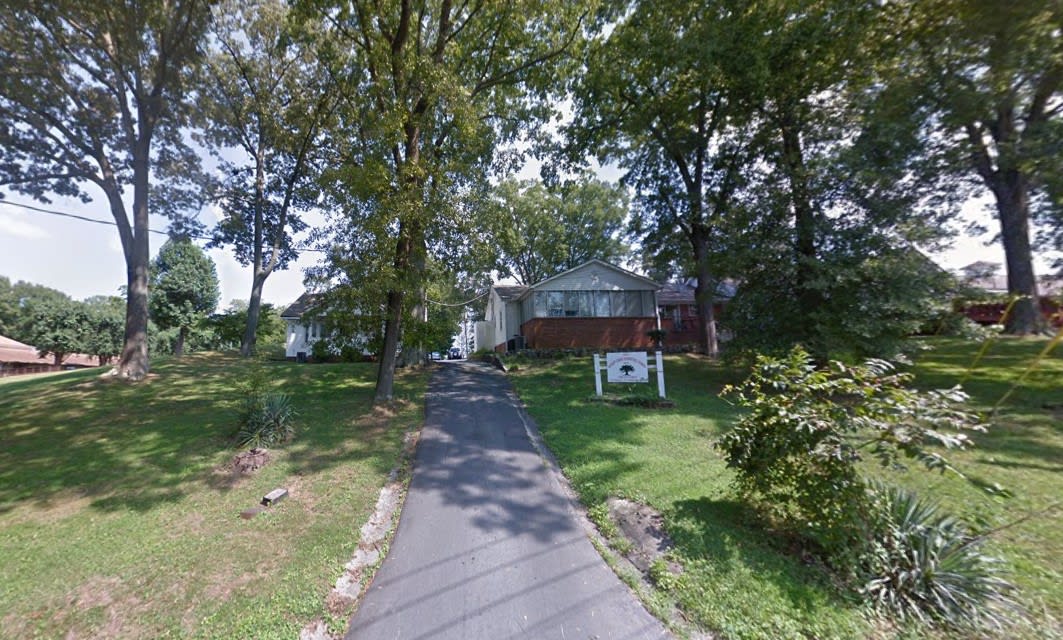

310 Chestnut St, Dalton, GA 30721
To contact a resident: (706) 275-0953
For more information about senior living options: (866) 208-4318
Shady Oaks Costs & Pricing
At Shady Oaks, the monthly costs for care reflect a commitment to affordability without compromising quality. For those seeking semi-private accommodations, the rate is set at $2,250, which is notably lower than the average of $2,717 in Whitfield County and $2,529 across the state of Georgia. Similarly, our studio apartments are priced at $2,400 - again more economical compared to the county's average of $3,154 and the state's figure of $3,520. These competitive rates position Shady Oaks as an attractive option for residents looking for a supportive community that prioritizes both financial accessibility and exceptional service.
| Floor plans | Shady Oaks | Whitfield County | Georgia |
|---|---|---|---|
| Semi-Private | $2,250 | $2,717 | $2,529 |
| Studio | $2,400 | $3,154 | $3,520 |
Assisted Living communities with a similar price nearby
-
from +$150 / mo

Morning Pointe Of Calhoun
$2,400 to $3,500 / month16.7 miles away -
About the same
Mary and Martha’s Personal Care
$2,195 to $2,695 / month24.1 miles away -
from +$242 / mo
American House Shallowford
$2,492 to $4,489 / month21.9 miles away -
About the same
Dalton Place
$2,250 to $3,770 / month1.5 miles away
Overall Review of Shady Oaks
Pros
 It is a nice place to go.
- They are awesome.
- Shady Oaks was one of the best facilities in the area.
- The price was less expensive than the others.
- The owner is a registered nurse.
- The staff were nice.
- There is someone capable of handling medications and giving them to patients when they are due.
- They take good care of residents.
- The food served looks good and residents like it.
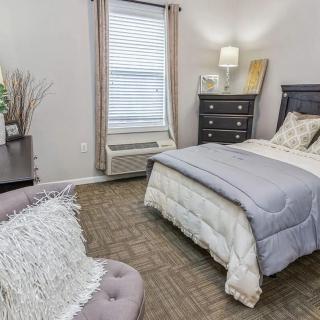
- The facility offers rooms with a private bathroom.
Cons
 They wanted them off their property 12 years ago and called the cops on kids riding bicycles there.
- It was a terrible place to go.
- It was a bad place.
- A walk-through would reveal that it was not the place to be.
- It is horrible and in a bad area of town, and the reviewer would not go to this facility even for a short time.
- There were not many people there.
- It was not the nicest area of town.
Review
Shady Oaks in Dalton, GA is best suited for families seeking an affordable, straightforward care option where reliable medical oversight and basic daily support are the priorities. The strongest selling points are practical and budget-driven: private rooms with bathrooms, a facility led by a registered nurse owner, and staff who can manage medications on schedule. For households that value predictable pricing, clear medical management, and a caregiver-focused approach over flashy amenities, this community offers a practical path. There is also a recognizable sense that staff can provide compassionate care to residents who need help with daily tasks and medication routines, which matters when the goal is steady, uncomplicated supervision rather than high-end comforts.
Those who should consider alternatives include families requiring a safer neighborhood image or a more active, socially engaged setting. Several reviews flag the facility’s location as a concern, describing the area as less desirable and noting reputational questions that can influence peace of mind for families and visiting loved ones. If safety, curb appeal, or a robust program of activities and social engagement are important, other communities in Dalton may deliver a more reassuring environment. Likewise, families seeking specialized memory care, intensive rehab, or a consistently high-energy campus life should look elsewhere to meet those specific needs.
The available pros do partially offset the main drawbacks, but not uniformly. On the plus side, the cost advantage relative to nearby facilities is repeatedly cited, which makes Shady Oaks attractive for long-term staying power when budget is a driving factor. The presence of an owner who is a registered nurse can translate into steadier medical oversight and more reliable medication administration, a crucial feature for residents with complex routines. Additionally, the appeal of rooms with private bathrooms and the impression that the staff are friendly and attentive in care-giving moments can translate into meaningful daily stability for residents. These elements matter, especially for families who prioritize predictable routines and a clear medical hand on days-to-days care.
However, the downsides loom large in decision-making. A pattern of negative feedback centers on the neighborhood and communication concerns, perceived safety issues, unfavorable impressions of the area, and warnings about how staff or management handle certain situations. Some reviewers describe experiences that feel abrupt or dismissive, and one candid remark about dwindling occupancy adds to concerns about community life and vitality. In light of these impressions, the practical benefits of cost and basic medical oversight may be outweighed by worries about the environment, resident engagement, and overall confidence in day-to-day operations.
For families weighing choices, it is essential to verify several realities before deciding. First, confirm that private rooms with en-suite baths are available and that the layout fits the resident’s needs. Second, speak directly with the owner or nursing leadership about medication protocols, staffing levels, and how orders are administered, consistency here matters for safety and continuity. Third, probe the ambiance and patient activity: does the campus offer a rhythm of meals, social interaction, and meaningful engagement, or is the environment quiet and insular? Finally, assess the consensus from recent inspections or state records and seek current resident or family references to gauge whether the perceived positives align with present performance.
In the end, Shady Oaks is a practical option for budget-conscious families who prize medical oversight and private-room accommodations without demanding a high-end environment. It can deliver dependable daily care for residents who fit a straightforward care model and who value a nurse-led approach. But for those whose priorities include a consistently safe neighborhood, active social life, or robust experiential programming, alternative communities in the Dalton area should be actively considered. The decision should hinge on balancing cost and medical reliability against location, community vitality, and the perceived trustworthiness of day-to-day operations.
 Assisted Living
 Activities on-site
 Bath tubs
 Devotional services on-site
 Indoor common areas
 Outdoor common areas
 Respite or short term stays offered
 Wheelchair accessible showers
 Lovell (23 miles away)
 Ambulatory care
 Diabetic care
 Meals provided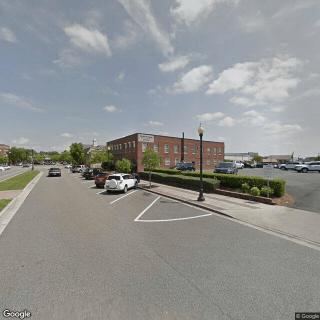



 Choosing the Right Senior Care: A Detailed Exploration of Assisted Living and Nursing Homes
 Understanding the True Cost of Assisted Living in 2025: A Comprehensive Guide
 Understanding Medicaid Coverage for Assisted Living: A Comprehensive Guide