
6330 Highway 82 West, Cuthbert, GA 39840
To contact a resident: (229) 732-3213
For more information about senior living options: (866) 208-4318
Fellowship Home at Cotton Hill Costs & Pricing
Fellowship Home at Cotton Hill offers competitive pricing for its living accommodations, particularly when compared to broader regional costs. For a studio apartment, residents can expect to pay $1,990 per month, mirroring the average cost in Randolph County but significantly lower than the Georgia state average of $3,520. Similarly, the one-bedroom units are priced at $2,490 per month - again consistent with local county rates while still providing substantial savings compared to the state's average of $3,412. These pricing structures highlight Fellowship Home at Cotton Hill's commitment to providing quality and affordable living options that cater to the needs of its residents within a supportive community environment.
| Floor plans | Fellowship Home at Cotton Hill | Randolph County | Georgia |
|---|---|---|---|
| Studio | $1,990 | $1,990 | $3,520 |
| 1 Bedroom | $2,490 | $2,490 | $3,412 |
Overall Review of Fellowship Home at Cotton Hill
Pros
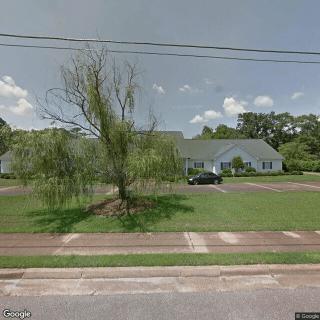
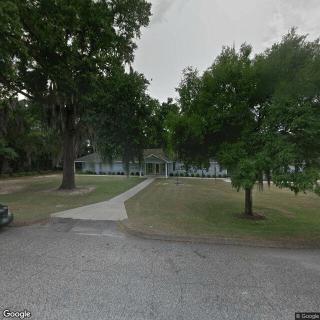
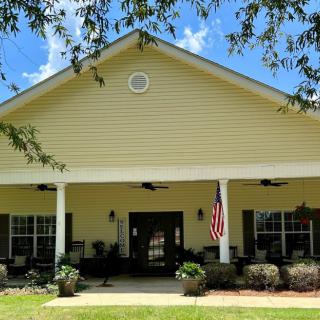
 The facility is beautiful.
- The facility is clean and tidy, and residents are active.
- The staff are hospitable and caring, and seem to enjoy their work.
- Visitors are impressed by the attention given to residents.
- The community is small, clean, and friendly.
- The menu looks incredible, with margarita nights, wine nights, and movie nights, and residents are taken on trips.
- The food is homemade and very good, and the grounds are nice with a patio and screened-in porch.
- The Willows has been updated, with professional and kind staff, and a van to take residents on day trips.
Cons
 The activities are terribly lacking; there are no activities offered.
- The owner is never there and does not visit the facility.
- The pricing is overpriced; the value is rated very low.
- The food could be better.
Review
Fellowship Home at Cotton Hill is best suited for families seeking a small, intimate assisted-living setting in a quiet rural Georgia town, where personal attention and a homey atmosphere matter most. The reviews consistently describe a clean, nicely kept facility with a staff that feels genuinely caring toward residents. Visitors repeatedly note that the environment is welcoming, residents appear active, and meals are part of the appeal. For families prioritizing warmth, direct staff interaction, and a sense of community, where neighbors feel like neighbors more than names on a roster, Cotton Hill rises to meet those needs.
Those weighing alternatives should consider options if the priority is a robust activity calendar, ongoing, visible leadership, and strong on-site therapy resources. Several reviews flag a potential gap in daily programming, with mentions of limited activities and no dedicated activity director at times. A few observers also question the consistency of coverage from management, and one reviewer highlights the absence of a physical therapy facility exacting on-site rehab. For families needing a bustling, highly scheduled program, or expecting frequent, structured therapeutic services on campus, alternatives with more extensive activity staff and therapy spaces may be a better fit.
The strongest positives center on the environment and the people. The campus’s cleanliness and tidiness are repeatedly praised, reinforcing a sense of pride in care. The staff are described as hospitable, professional, and genuinely engaged with residents, delivering a level of personal attention that families value. The social slate, margarita and wine nights, movie outings, and regular day trips, adds welcome opportunities for connection without requiring residents to travel far. The small-community charm and the ability to provide individualized, neighborly care can offset some limitations in formal programming.
On the flip side, the main drawbacks are real and worth weighing. While several reviewers are impressed, others note that activity offerings can be uneven and that the building sometimes lacks a formal activity director. The absence of a dedicated on-site physical therapy facility is a recurring point, with PT services delivered to residents’ rooms rather than within a rehab area. Price concerns appear in some reviews, with one observer calling value high-priced, though another entry specifically cites reasonable pricing. These tensions suggest that expectations around programming and structured services will influence satisfaction.
Yet the pros can offset the cons for many families, especially when the decision hinges on a sense of belonging and daily quality of life. The intimate, small-town setting fosters strong relationships between residents and caregivers, and the engaging social activities provide meaningful ways to stay connected without feeling isolated. Cleanliness and careful upkeep reinforce comfort and safety, which often translates into better peace of mind for relatives. Even when therapy or formal activities aren’t as centralized as hoped, the willingness of staff to arrange outings and provide in-room services keeps residents engaged and supported.
For families choosing where to place a loved one, the verdict is practical and decisive. Fellowship Home at Cotton Hill is a strong option for seniors who prize a warm, home-like atmosphere, personal attention, and social variety within a compact, manageable setting. It is less ideal for those who demand heavy, on-site rehabilitation programs, a full-time activity director, or the assurance of highly structured daily schedules. Prospective residents should visit to size up the rhythm of daily life, taste the meals, and speak directly with staff about activity planning and therapy availability. Where price is a priority, gather current figures and compare with nearby communities that offer broader programming to ensure alignment with long-term expectations.
 Assisted Living
 Memory Care
 Activities on-site
 Devotional services off-site
 Indoor common areas
 Ambulatory care
 Diabetic care
 Meals provided


 Exploring the Power of Reminiscence Therapy for Individuals With Dementia
 An In-Depth Look at Reminiscence Therapy in Dementia Care
 Dementia-Related Hallucinations: Causes, Experiences, and Practical Approaches