Restorative PCH 2

6327 Adams Park Drive, Columbus, GA 31909

For more information about senior living options: (844) 490-3973

3.7 from 3 reviews
5 stars
2
4 stars
0
3 stars
0
2 stars
0
1 stars
1

Assisted Living Board and Care Home

What level of care are you interested in?

Assisted Living

Memory Care

Independent Living

Skilled Nursing Facility

Continuing Care Retirement Community (CCRC)CCRC

Other


Request a tour at Restorative PCH 2

    Overall Review of Restorative PCH 2

    Pros

    • pro It is a wonderful, safe, respectable place for seniors to live.
    • pro The staff is awesome and personable.
    • pro It is a wonderful home away from home.

    Cons

    • pro The room was tiny and had no windows.
    • pro The carpet in the room was dirty.
    • pro The room was designated as the "Medicaid Room."
    • pro The resident was charged for transportation to the doctor.
    • pro The resident was charged for carpet cleaning after leaving.
    • pro Family members were not notified after she fell.
    • pro The policy information given may not reflect actual practices.

    Review

    Two families describe two very different experiences within the same kind of setting: a senior living facility that can feel like a warm, welcoming home to some, and a place where serious lapses can leave loved ones distraught and wary. The threads between these accounts are clear enough to feel almost contradictory, yet they both center on essential questions: how residents are treated, how care is delivered, and how much families are informed and included in decisions and events that affect safety and daily life.

    In one account, a mother's stay is remembered as troubling from the start. The room assigned to her was described as tiny and windowless, a condition that can make a living space feel claustrophobic and lacking in natural light - an important factor for well-being in older adults. The carpet in that room allegedly remained dirty, a detail that would understandably contribute to discomfort and concern about cleanliness. The reviewer notes that the space had been labeled the "Medicaid Room," a designation that raises sensitive questions about how residents are housed and prioritized, and about whether such labels are used in a way that affects dignity and perception. The financial side of care emerges as a point of contention: transportation to medical appointments was something her family had to pay for, and after she left, the carpet had to be cleaned at a cost to the family. Beyond the physical space and the charges, there is a poignant, disconcerting incident - a fall significant enough to be mentioned - paired with a claim that family members were not notified. Taken together, these details paint a scene of care that felt fragmented and opaque, challenging the trust families seek when choosing a home for someone they love. The message embedded in the account is a warning to look closely at what a facility promises versus what is experienced in practice, and to do thorough research into the facility and its owner before making any decisions.

    The reviewer's broader point about policy versus practice looms large: you may be told one thing by staff or administrators, but the lived reality for a resident and their family can unfold differently. The implication is that the policies guiding room assignments, charges, incident reporting, and communication with families deserve careful examination. The reviewer cautions would-be residents and their loved ones to look beyond slogans and brochures and to investigate how care is actually delivered on a day-to-day basis. This perspective invites prospective families to ask pointed questions about the infrastructure of care, the transparency of billing and services, the triggers for family notification after incidents, and the real meaning behind terms like "Medicaid Room." It's a call for vigilance and due diligence, emphasizing that the comfort and safety of a resident rely not only on intent but on consistent practice.

    Against this somber account sits a contrasting voice that describes the same kind of place in glowing terms. In this perspective, the facility is portrayed as a wonderful, safe, and respectable home for seniors. The reviewer emphasizes the quality of the people - the staff - who are described as awesome and personable. The warmth in this description suggests a culture of care where residents are treated with kindness, respect, and genuine attention. The sentiment captured here is one of belonging and security, where the environment feels like a home away from home. Such a portrayal highlights the positive potential of senior living facilities when staff engagement, safety protocols, and a supportive atmosphere align with the aspirations of residents and their families.

    Taken together, these two experiences illustrate a broader truth about senior living environments: the quality of life for residents can vary widely within the same facility, influenced by individual experiences, shifts in staff, and the effectiveness of management in executing stated policies. A facility might provide a nurturing, affectionate environment for some residents while falling short in crucial areas for others - whether that means room conditions, communication, incident handling, or the costs associated with care. The divergence in these reviews underscores the importance of consistent standards, transparency, and proactive communication. Families deserve to know not only what a facility aims to be, but how it actually operates in day-to-day routines, how concerns are addressed, and how residents' safety and dignity are safeguarded.

    For anyone considering this kind of residence for a loved one, the message is practical and clear: seek a balanced view by listening to multiple experiences, and push for clarity on every detail that matters. Visit in person, observe how rooms are maintained, ask to see sample floor plans that illustrate daylight access, and inquire about how rooms are allocated and billed. Request a thorough explanation of transportation costs, incident reporting procedures, and the exact circumstances under which families are notified. Inquire about safe-fall protocols, staffing ratios, and who is responsible for communicating updates to family members. Most importantly, have open conversations with administrators and front-line caregivers about what "care with dignity" looks like in practice and how they would respond if a resident were to experience a fall or any medical concern.

    In the end, the experiences described here remind us that a senior living home can be a place of comfort, connection, and safety, or a source of disappointment and mistrust, depending on how well policies align with everyday care. The best approach is informed choice: gather multiple perspectives, demand transparency, and insist on a standard of care that consistently honors residents' dignity, safety, and well-being. When these elements come together, a facility can truly feel like a cherished home for those who have spent their lives building families, communities, and memories.

    Features

    Housing

    • 6 resident community capacity 6 resident community capacity

    Types of Care

    • Assisted Living Assisted LivingAssisted living facilities provide crucial support and care for seniors who may need help with daily tasks such as medication management, bathing, and meal preparation. These communities offer a safe and comfortable environment where seniors can maintain their independence while receiving the assistance they need to thrive in their golden years.
    • Board and Care Home Board and Care HomeBoard and care homes provide a smaller, more intimate setting for seniors who require assistance with daily tasks but do not need the level of care offered by a nursing home. They offer personalized care, meals, and social activities in a homelike environment, ensuring that seniors receive individualized attention and support in their golden years.

    Amenities

    • Cable or satellite TV Cable or satellite TVCable or satellite TV is important for seniors because it provides entertainment, news, and companionship, helping to combat loneliness and boredom. It also offers a wide range of programming options tailored to different interests and preferences.
    • Dining room Dining roomDining rooms are important for seniors as they provide a space for socialization, connection, and nutritious meals. They offer opportunities for residents to bond over shared meals, foster a sense of community, and promote healthy eating habits. Dining rooms also ensure that seniors have access to well-balanced meals tailored to their dietary needs and preferences.
    • Fully furnished Fully furnishedFully furnished senior living communities are important for seniors because they provide convenience, comfort, and a hassle-free moving experience. Seniors can easily settle into their new living space without the stress of having to buy and move furniture. This allows them to focus on enjoying their new home and community.
    • Garden GardenGardens are important for seniors as they provide a peaceful and therapeutic environment for relaxation, physical activity, and socialization. Being in nature has been shown to reduce stress, improve mood, and promote overall well-being. Gardens also offer opportunities for seniors to engage in gardening activities, which can improve mobility, flexibility, and cognitive function. Additionally, gardens create a sense of community and connection with others who share a passion for plants and outdoor spaces.
    • Housekeeping services Housekeeping servicesHousekeeping services are important for seniors because they help maintain a clean and safe living environment, promote independence, and reduce the risk of accidents or illnesses. Additionally, having assistance with household chores can alleviate physical strain and allow seniors to focus on other aspects of their well-being.
    • Move-in coordination Move-in coordinationMove-in coordination is important for seniors because it helps ease the transition into their new living environment. It ensures that all logistics, such as packing, organizing movers, and setting up utilities are taken care of, allowing seniors to focus on settling in and adjusting to their new home. Having a smooth move-in process can alleviate stress and anxiety, making the transition smoother and more enjoyable for seniors.
    • Outdoor space Outdoor spaceOutdoor spaces are important for seniors as they provide opportunities for physical activity, social interaction, exposure to natural light and fresh air, and a sense of connection to nature. Having access to outdoor spaces can improve overall well-being and quality of life for older adults living in senior communities.
    • Telephone TelephoneTelephones are important for seniors as they provide a lifeline for communication with loved ones, emergency services, and healthcare providers. They offer a sense of security and independence, enabling seniors to stay connected and access assistance when needed.
    • Wi-Fi/high-speed internet available Wi-Fi/high-speed internet availableWi-Fi/high-speed internet is important for seniors to stay connected with loved ones, access online resources, and participate in virtual activities to combat feelings of loneliness and isolation. It also allows them to easily manage healthcare needs, access entertainment, and engage in lifelong learning opportunities.

    Transportation

    • Columbus Metropolitan (2 miles away) Columbus Metropolitan (2 miles away)

    Care Services

    • 24-hour supervision 24-hour supervision24-hour supervision is important for seniors to ensure their safety, well-being, and access to immediate assistance in case of emergencies or health issues. This constant support provides peace of mind for both seniors and their loved ones, allowing them to age in place with dignity and security.
    • Activities of daily living assistance Activities of daily living assistanceActivities of daily living assistance are important for seniors because they provide essential support with tasks such as eating, bathing, dressing, and mobility. This assistance helps seniors maintain their independence, dignity, and overall quality of life as they age.
    • Assistance with bathing Assistance with bathingAssistance with bathing is crucial for seniors as it helps maintain personal hygiene, prevents infections, and ensures their overall well-being and comfort. It also provides a sense of dignity and independence for seniors who may struggle with this task on their own.
    • Assistance with dressing Assistance with dressingAssistance with dressing is important for seniors because it helps maintain their independence, promotes personal hygiene, prevents accidents and injuries, and improves overall quality of life. This service ensures that seniors can continue to dress comfortably and confidently, despite any physical limitations they may have.
    • Assistance with transfers Assistance with transfersAssistance with transfers is crucial for seniors as it helps prevent falls and injuries, maintains their independence, and ensures they can safely navigate their living environment. It also provides peace of mind for both seniors and their loved ones.
    • Coordination with health care providers Coordination with health care providersCoordination with health care providers is crucial for seniors to ensure proper medical care, medication management, and overall well-being. This collaboration helps prevent overlapping treatments, track progress more effectively, and provide comprehensive support tailored to individual needs.
    • Diabetes diet Diabetes dietA diabetes diet is crucial for seniors as it helps manage blood sugar levels, reduce risks of complications, and improve overall health and well-being. By following a balanced and nutritious diet tailored to their specific needs, seniors can better control their diabetes and enhance their quality of life.
    • Meal preparation and service Meal preparation and serviceMeal preparation and service are crucial for seniors as they may have limited mobility or energy to cook nutritious meals. Having access to healthy and convenient food options can ensure they are getting the proper nutrition needed to maintain their overall health and well-being.
    • Medication management Medication managementMedication management is crucial for seniors to ensure they are taking the right medications at the correct dosages and times. This helps prevent adverse drug interactions, reduces the risk of medication errors, and promotes overall health and well-being. Proactive management also allows for adjustments as needed based on changing health conditions or new prescriptions.
    • Special dietary restrictions Special dietary restrictionsSpecial dietary restrictions are important for seniors because age-related changes in metabolism and health conditions can make it difficult for their bodies to process certain foods. By following a diet tailored to their specific needs, seniors can maintain their overall health and well-being, manage chronic conditions, and reduce the risk of complications such as malnutrition or food interactions with medications.
    • Transportation arrangement (medical) Transportation arrangement (medical)Transportation arrangements for medical purposes are essential for seniors as they may have difficulty driving themselves to appointments or accessing public transportation. Having reliable and safe transportation options ensures that seniors can receive timely medical care and maintain their health and well-being.
    • Transportation to doctors appointments Transportation to doctors appointmentsTransportation to doctors' appointments is crucial for seniors as it ensures they have access to necessary medical care and support for their health needs. Without reliable transportation, seniors may struggle to attend important appointments, leading to potential delays in treatment and health complications. Providing transportation services helps seniors maintain their overall well-being and quality of life.

    Dining

    • Diabetes diet Diabetes dietA diabetes diet is crucial for seniors as it helps manage blood sugar levels, reduce risks of complications, and improve overall health and well-being. By following a balanced and nutritious diet tailored to their specific needs, seniors can better control their diabetes and enhance their quality of life.
    • Special dietary restrictions Special dietary restrictionsSpecial dietary restrictions are important for seniors because age-related changes in metabolism and health conditions can make it difficult for their bodies to process certain foods. By following a diet tailored to their specific needs, seniors can maintain their overall health and well-being, manage chronic conditions, and reduce the risk of complications such as malnutrition or food interactions with medications.

    Activities

    • Community-sponsored activities Community-sponsored activitiesCommunity-sponsored activities are important for seniors as they provide opportunities for social interaction, mental stimulation, and physical activity. These activities can help improve overall well-being, combat loneliness and isolation, and promote a sense of belonging and purpose among older adults.
    • Scheduled daily activities Scheduled daily activitiesScheduled daily activities are important for seniors because they provide structure, socialization, mental stimulation, and physical activity. Engaging in regular activities can improve overall well-being and quality of life for seniors living in a community setting.

    Description

    Restorative PCH 2 in Columbus, GA is a warm and inviting board and care home that provides exceptional care and support for seniors. With a range of amenities and services, residents can enjoy a comfortable and fulfilling lifestyle.

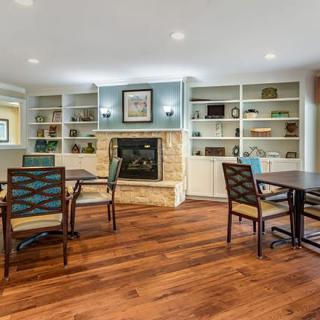
    Our community offers a beautiful dining room where residents can gather for delicious meals prepared by our skilled culinary team. The fully furnished accommodations provide a cozy space for residents to relax and make themselves at home. Outdoor spaces and gardens allow residents to enjoy fresh air and nature, while our housekeeping services ensure that the community remains clean and organized.

    At Restorative PCH 2, we understand the importance of coordination when it comes to moving into a new home. Our dedicated staff will assist with move-in coordination, making the transition as seamless as possible for each resident. Telephone and Wi-Fi/high-speed internet are available to keep residents connected with loved ones near and far.

    The care services provided include assistance with activities of daily living such as bathing, dressing, and transfers. We also coordinate with health care providers to ensure each resident receives the necessary medical attention they require. For those with diabetes or special dietary restrictions, our staff is trained to provide appropriate meal preparations and diabetes diets.

    Transportation arrangements are made for medical appointments, ensuring that residents have easy access to healthcare facilities when needed. Additionally, there are numerous nearby cafes, parks, pharmacies, physicians' offices, restaurants, places of worship, theaters, and hospitals offering convenience and diverse recreation options.

    Residents can look forward to scheduled daily activities designed to promote engagement and socialization within the community. Whether it's participating in group exercises or attending educational seminars or outings to nearby attractions — there is something for everyone.

    Restorative PCH 2 takes pride in providing personalized care in a comfortable environment. With our comprehensive amenities, attentive staff, and convenient location near essential services - seniors can enjoy their retirement years worry-free while receiving the support they need.

    Nearby Places of Interest

    Hospitals

    • Surgery Center (0.2 miles)
    • Northside Medical Center (0.3 miles)

    Restaurants

    • Wingstop (0.2 miles)
    • First Watch (0.2 miles)
    • Five Guys Burgers & Fries (0.4 miles)
    • Chili's Grill & Bar (0.5 miles)
    • Olive Garden (0.5 miles)
    • Cheddar's Scratch Kitchen (0.5 miles)
    • McAlister's Deli (0.6 miles)

    Pharmacies

    • Walmart Pharmacy (0.2 miles)
    • Winn-Dixie (0.4 miles)
    • At Home Medical (0.5 miles)
    • Bep Technology (0.8 miles)
    • Walgreens (1.2 miles)
    • CVS Pharmacy (1.5 miles)
    • Walgreens (1.8 miles)

    Physicians

    • Doctor's Hospital Sleep Lab (0.3 miles)
    • Hughston Clinic PC (0.4 miles)
    • Columbus Center for Reproductive Endocrinology & Infertility (0.7 miles)
    • Miracle-Ear Hearing Aid Center (0.7 miles)
    • Horizons Diagnostics (0.9 miles)
    • Renal Associates (0.9 miles)
    • Stork Medical (0.9 miles)

    Cafes

    • Starbucks (0.6 miles)
    • Panera Bread (1.1 miles)
    • Starbucks (1.3 miles)

    Theaters

    • AMC CLASSIC Columbus Park 15 (0.9 miles)
    • Imax (0.9 miles)

    Parks

    • Heath Park (0.9 miles)

    Places of Worship

    • North Highland Church (1.4 miles)
    • Rose Hill Church Of Christ (1.5 miles)
    • Southern Baptist Convention (1.8 miles)

    Frequently Asked Questions

    Where is Restorative PCH 2?

    Nearby Communities

    Assisted Living in Nearby Cities

    Related Resources

    • activities of daily livingComprehensive Insights into Activities of Daily Living (ADLs) and Their Assessment

      Activities of Daily Living (ADLs) are fundamental tasks vital for an individual's independence, particularly in older adults over 85, and include functions like bathing and dressing; assessing ADLs alongside Instrumental Activities of Daily Living (IADLs) helps determine the level of required assistance due to age-related health challenges. Tailored support plans, involving family and community resources, are essential for maintaining dignity and autonomy in assisted living environments.

    • elderly parent refuses assisted livingGuiding Elderly Parents Who Refuse Assisted Living: 6 Practical Steps

      Family caregivers face emotional, legal, and practical challenges when elderly parents refuse assisted living, often due to fears of losing autonomy. Open conversations and professional assessments can help address these concerns while exploring alternatives and ensuring safety, potentially leading to legal guardianship if necessary.

    • luxury assisted livingYour Comprehensive Guide to Luxury Assisted Living: Elevated Facilities, Amenities, and Costs

      Luxury assisted living offers high-quality senior care in a resort-like environment that combines essential medical support, gourmet dining, and personalized services to enhance residents' independence and well-being. These upscale facilities emphasize holistic health and community-building through customized care plans and social activities, catering to the growing demand for enriched senior living experiences despite higher costs.


    Get Pricing Ask A Question Schedule A Tour Contact Senior Advisor