
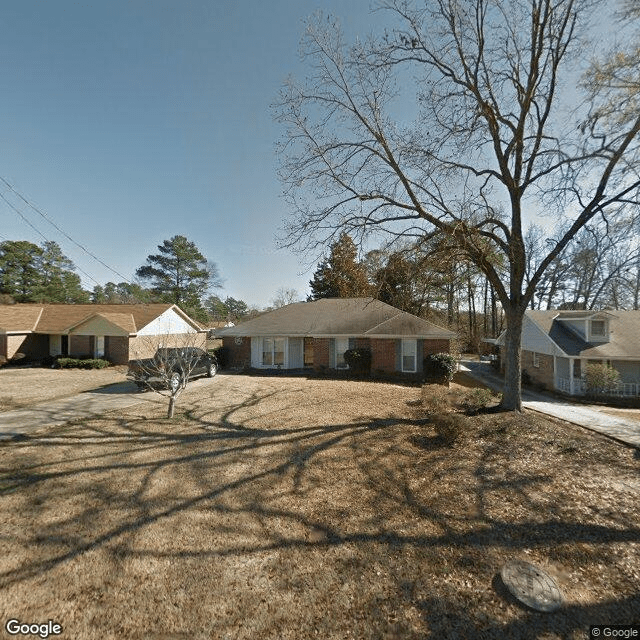
7636 Lloyd Road, Columbus, GA 31909
For more information about senior living options: (866) 208-4318
North Field Pch Costs & Pricing
North Field Pch offers competitive pricing for its residential options, with a semi-private room priced at $1,500 per month, significantly lower than the Muscogee County average of $2,650 and Georgia's state average of $2,529. For those seeking more privacy, the one-bedroom option at North Field Pch is available for $2,300 per month, again showcasing a favorable comparison to the county and state averages, which stand at $3,476 and $3,412 respectively. This positioning not only highlights North Field Pch as an affordable alternative but also emphasizes its commitment to providing quality care without compromising on value.
| Floor plans | North Field Pch | Muscogee County | Georgia |
|---|---|---|---|
| Semi-Private | $1,500 | $2,650 | $2,529 |
| 1 Bedroom | $2,300 | $3,476 | $3,412 |
Memory care communities with a similar price nearby
-
from -$250 / mo
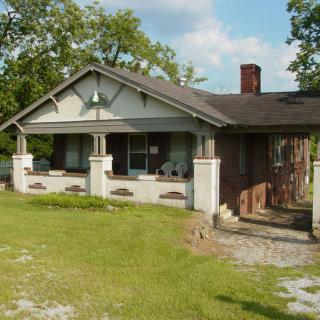
Truly A Blessing II
$1,250 to $8,500 / month8.0 miles away -
About the same

Marie's Personal Care Home
$1,500 to $3,000 / month7.0 miles away -
About the same
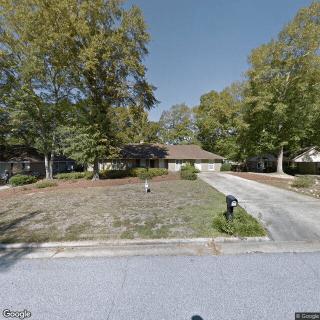
Castlewood Personal Care Home
$1,500 to $2,300 / month4.2 miles away -
About the same
The Landings of Columbus
$1,495 to $3,400 / month2.6 miles away -
from -$250 / mo
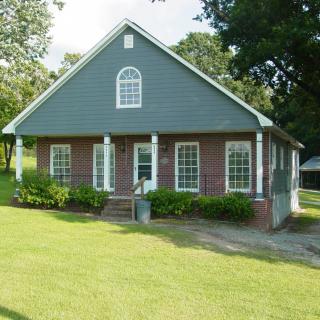
Truly A Blessing
$1,250 to $2,000 / month8.1 miles away
Overall Review of North Field Pch
Pros
 The dad is very happy at Northfield Personal Care Home.
- The staff makes sure he gets to all his appointments on time.
- On Sundays they provide church visits, and residents may go shopping afterward.
- The staff is on top of things and goes out of their way to accommodate any requests and concerns.
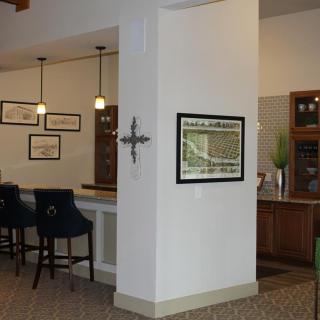
- The facility is clean, bright, and comfortable.
- Mr Averett is personable and knowledgeable.
Cons
 There are a few minor things that dad complains about (such as a smell that no one smells but him).
- No residents at time of tour.
Review
North Field Pch in Columbus, GA, is best suited for seniors who want a compact, home-like personal care setting with predictable routines and hands-on staff. The community shines for residents who rely on dependable transportation to medical appointments and who value social touches like Sunday church services and light shopping trips afterward. In a clean, bright, and comfortable environment, the care team appears responsive and committed to accommodating reasonable requests. This combination makes it a strong choice for families seeking consistent support without the bustle of a larger, more institution-like facility.
Those considering alternatives should note that this is not the right fit for every situation. Residents who require higher-acuity care, intensive medical management, or a more expansive social calendar may find other options more aligned with their needs. The small size, while intimate, can translate into fewer on-site activities and less peer interaction than larger communities. For families seeking robust programing, memory-care specialization, or more constant oversight, exploring larger assisted-living options or facilities dedicated to memory care would be prudent. The ownership ties to other properties may appeal for continuity, but also warrant questions about consistency of care if needs evolve.
On balance, the strongest positives are logistical reliability and a responsive, resident-focused staff. The ability to get appointments, coordinated transportation, and the willingness to accommodate requests reduce the everyday planning burden for families. A clean, bright atmosphere reinforces comfort and safety, and the staff’s approachable demeanor supports a respectful, person-centered culture. The primary caveat cited is a personal odor concern voiced by one resident, which others do not notice; it does not appear to reflect on overall care quality and seems not to be a widespread issue. Taken together, these elements tilt toward a favorable day-to-day experience, especially for those who prioritize dependable routines over a busier social calendar.
Leadership and stability show through in the feedback. The facility is described as being managed by a personable, knowledgeable operator who also runs other nearby homes, suggesting practical experience and resource backing. That can translate into steady routines, problem-solving ability, and potential access to additional services if needs shift. Yet the limited pool of published experiences, three reviews, means there is less clarity about staffing levels, meals, and emergency responsiveness than would be preferred. This is not a red flag, but it does justify direct inquiry during tours to confirm consistency across shifts and seasons.
To make a well-informed decision, prospective families should tailor visits around concrete questions. Verify resident-to-staff ratios during peak times, inspect meal quality and dietary accommodations, and review how medication management is handled. Clarify transportation windows for medical visits and errands, and probe the activity calendar, religious services, and the extent of off-site outings. If memory care or more intensive medical oversight could become necessary, ask whether any specialized services exist on-site or through partnerships. Request candid references from current families and observe caregiver–resident interactions to gauge warmth, attentiveness, and respect in everyday moments.
Overall, North Field Pch presents a practical, compassionate option for families prioritizing a warm, manageable setting with dependable logistics. It is especially suitable for seniors who value routine, personal attention, and modest but meaningful outings. Those seeking a bustling social environment, high-acuity support, or extensive on-site programming should look at larger, more specialized communities. A purposeful tour, with clear questions about staffing, services, and daily rhythm, will reveal how well this home aligns with a loved one’s needs and temperament, guiding a confident, action-oriented choice.
 6 resident community capacity
 Assisted Living
 Board and Care Home
 Memory Care
 Cable or satellite TV
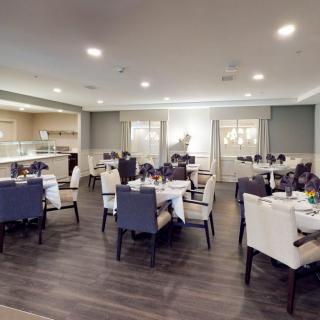
 Dining room
 Fully furnished
 Garden
 Housekeeping services
 Move-in coordination
 Outdoor space
 Telephone
 Wi-Fi/high-speed internet available
 Columbus Metropolitan (3 miles away)
 24-hour supervision
 Activities of daily living assistance
 Assistance with bathing
 Assistance with dressing
 Assistance with transfers
 Diabetes diet
 Meal preparation and service
 Medication management
 Special dietary restrictions
 Transportation arrangement (medical)
 Transportation to doctors appointments


 Understanding Dementia Through Its Seven Stages: A Comprehensive Look at Progression and Expectations
 A Holistic Dementia Care Guide: Effective Strategies for Memory Support
 Comprehensive Insights into Activities of Daily Living (ADLs) and Their Assessment