
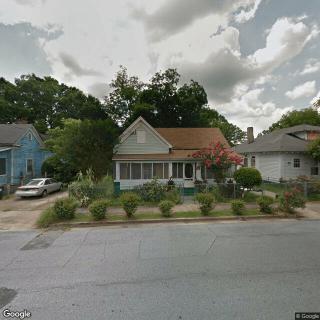
402 East Ellawood Avenue, Cedartown, GA 30125
For more information about senior living options: (866) 208-4318
Overall Review of Cedar Hill Senior Living Community
Pros
 They do a great job.
- They have made a lot of improvements.
- The people there are happy.
- Cedar Hill is an awesome community with great people.
- The staff are awesome and the place is very welcoming.
Cons
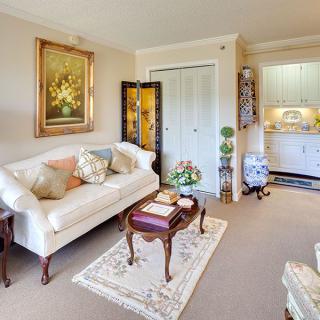
 The facility needs to update the furniture.
- The place is described as treating seniors poorly.
- The management is described as heartless.
- Staff are accused of stealing from residents.
- Items like shoes and bedding are reportedly taken by staff.
- There are concerns of inadequate care and medication errors that could endanger residents.
- The lack of care could lead to extreme harm or death.
Review
Cedar Hill Senior Living Community in Cedartown, GA is best suited for seniors who want a warm, social, community-centric living environment and for families that value approachable staff and visible resident happiness. It works well for residents who enjoy daily interaction, activities, and a sense of belonging, and for families seeking a facility with a welcoming atmosphere where visiting and engagement feel encouraged. It is not the ideal match for seniors who require high-acuity medical oversight, complex clinical care, or stringent safeguards against potential care lapses; those realities appear to demand a facility with more robust medical staffing and clearer accountability.
Those considering alternatives should note that the strongest cautions come from concerns about medical and administrative reliability. If memory care, skilled nursing supervision, or highly structured care plans are essential, a facility with proven, consistent clinical oversight may be necessary. Families worried about transparent communication, prompt resolution of health concerns, or safeguarding against neglect and misconduct should actively compare governance practices, incident reporting, and staff retention elsewhere. In short, this community may not meet the needs of residents who require rigorous medical management or an exceptionally tight control environment.
On the positive side, the overarching narrative centers on people. Multiple reviewers describe “awesome staff” and a welcoming, personable atmosphere where residents feel cared for and connected. Improvements are acknowledged, with volunteers noting progress and residents appearing happy as improvements take hold. The sense of community is repeatedly highlighted as a tangible strength, an environment where caregivers and residents alike engage in daily life and where visitors often feel embraced. Furniture updates are cited as a needed upgrade, but not a deal-breaker for those prioritizing relationships and social vitality.
Conversely, the negatives are serious enough to require careful consideration. Several reviewers allege neglectful care, health-management missteps, and even outright misconduct, including claims that staff harmed trust through theft or careless handling of personal belongings, and that med errors occurred alongside insufficient communication with family advocates. There are accounts of falls with limited, timely follow-up details and impressions that administrative leadership can be distant or unresponsive. Taken together, these reports paint a picture of inconsistent care quality and governance, and they color the overall risk landscape for any prospective mover-in.
How the positives balance the drawbacks depends on what a family prioritizes. If the priority is a lively, affectionate community with staff who genuinely seem to care and residents who appear engaged and content, Cedar Hill delivers that emotional value. Those advantages do not erase the clearly voiced red flags, however; the mix contributes to a mid-pack rating that reflects mixed experiences rather than a consistently strong performance. For decision-making, this means a decisive, informed visit plan is essential: observe care interactions, speak with current residents privately, request a detailed explanation of incident reporting and follow-up, and probe how care plans are reviewed and adjusted in response to concerns.
The practical next steps are clear. Schedule extended tours and sit-downs with the administrator and frontline staff; ask for current caregiver-to-resident ratios and staff turnover figures; request real examples of how health concerns and med changes are documented and communicated to families; demand demonstrations of safety protocols and accountability measures. If possible, obtain references from several families with residents in similar care levels. If the answers do not satisfy, or if there is hesitancy to provide transparent data, those advocating for a safer, more consistently managed experience should consider other options with stronger clinical oversight and more predictable governance. Cedar Hill can be a viable fit for the right resident, but it requires due diligence, candid questions, and a readiness to move toward alternatives if essential standards are not clearly met.
 21 resident community capacity
 1-bedroom apartments
 Assisted Living
 Memory Care
 Beautician on-site
 Cable or satellite TV
 Dining room
 Fully furnished
 Garden
 Guest parking
 Housekeeping services
 Kitchenette
 Laundry
 Move-in coordination
 Outdoor space
 Restaurant-style dining
 Small library
 Telephone
 Wi-Fi/high-speed internet available
 Transportation & parking
 24-hour call system
 Activities of daily living assistance
 Assistance with bathing
 Assistance with dressing
 Assistance with transfers
 Diabetes diet
 Medication management
 Mental wellness program
 Special dietary restrictions
 English




 22 Remarkable Caregiver Support Groups Available Online and In-Person
 Understanding Medicaid Coverage for Assisted Living: A Comprehensive Guide
 How and When Medicaid May Cover Assisted Living Costs