Waldrop Residences in Cartersville, GA

Save

  • Interior

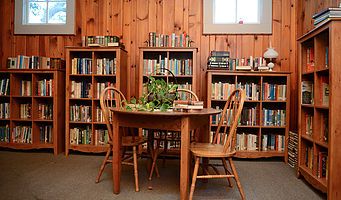
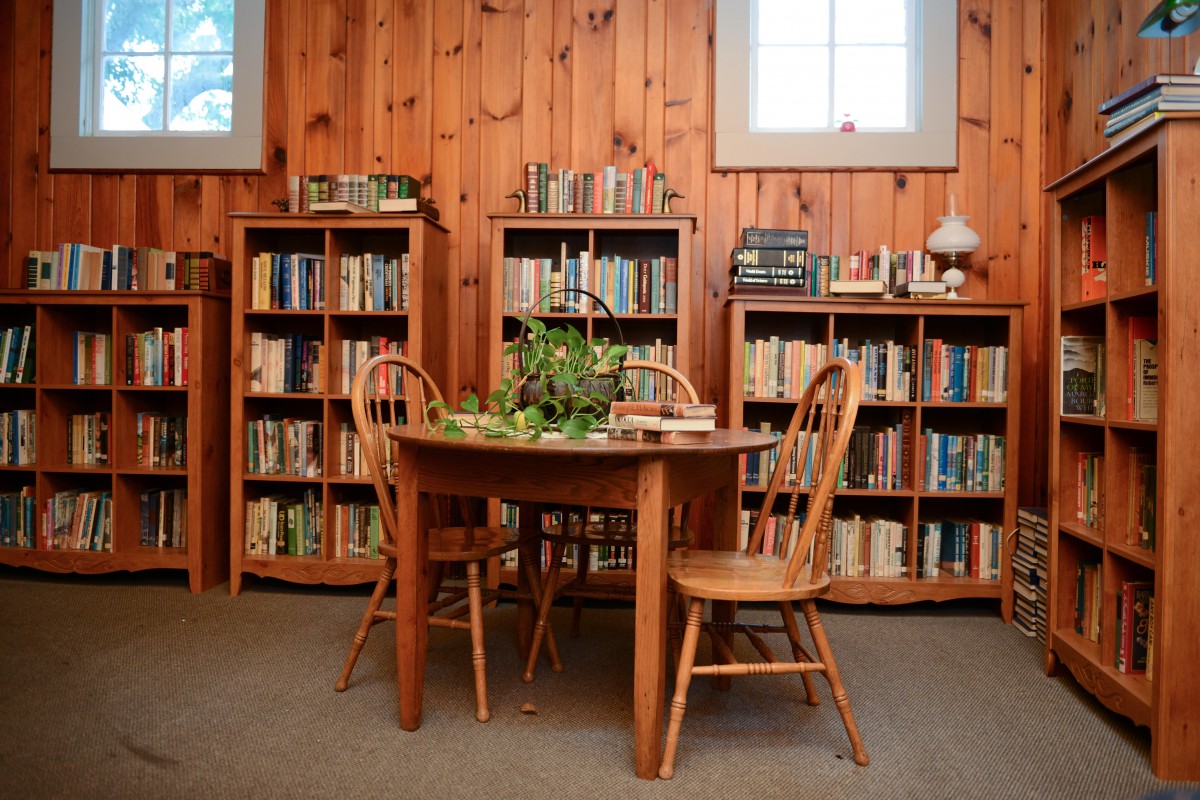
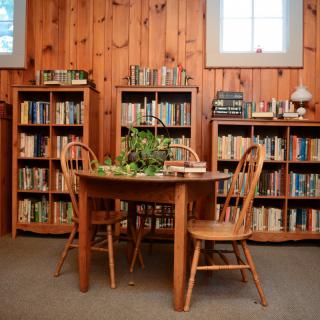
    A cozy library corner with wooden bookshelves and a round table surrounded by chairs.
  • Decor

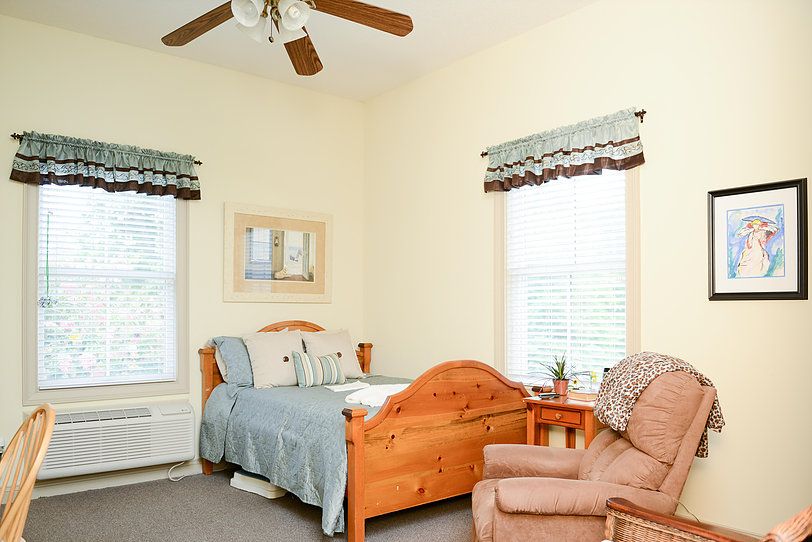
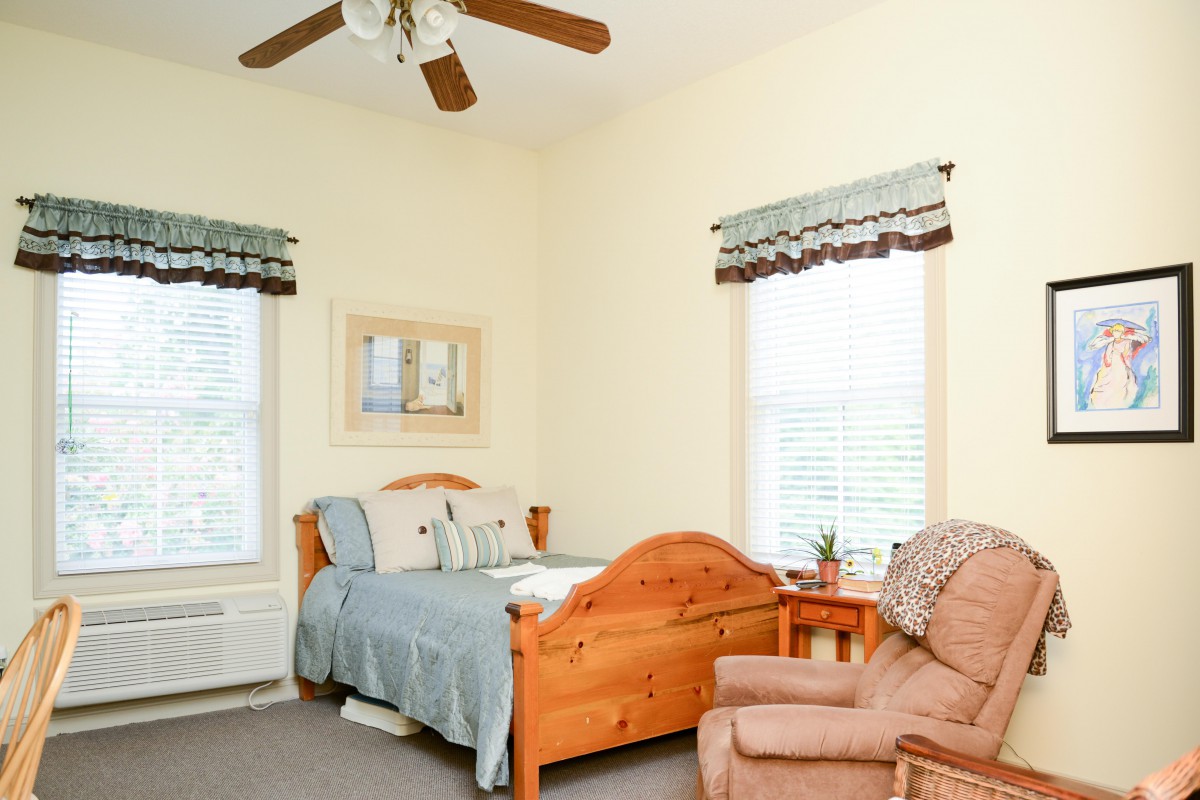
    A cozy bedroom with a wooden bed, armchair, and natural light from two windows.
  • Bedroom

    A cozy bedroom with a wooden bed, armchair, and ceiling fan.
  • Kitchen

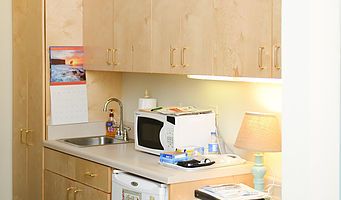
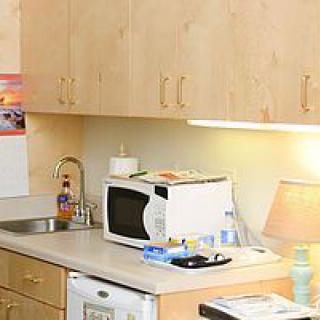
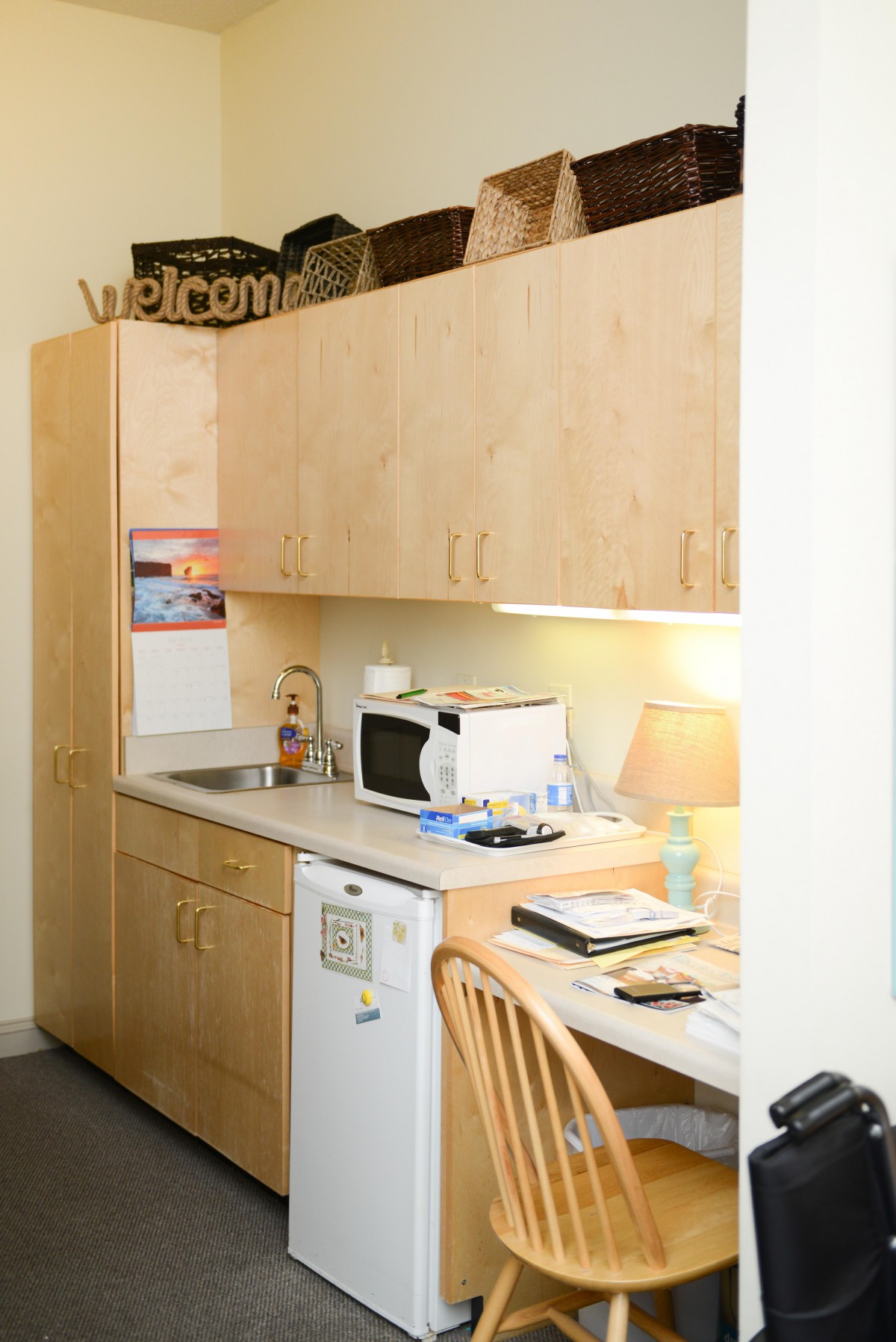
    A kitchenette with a microwave, sink, and wooden cabinets.
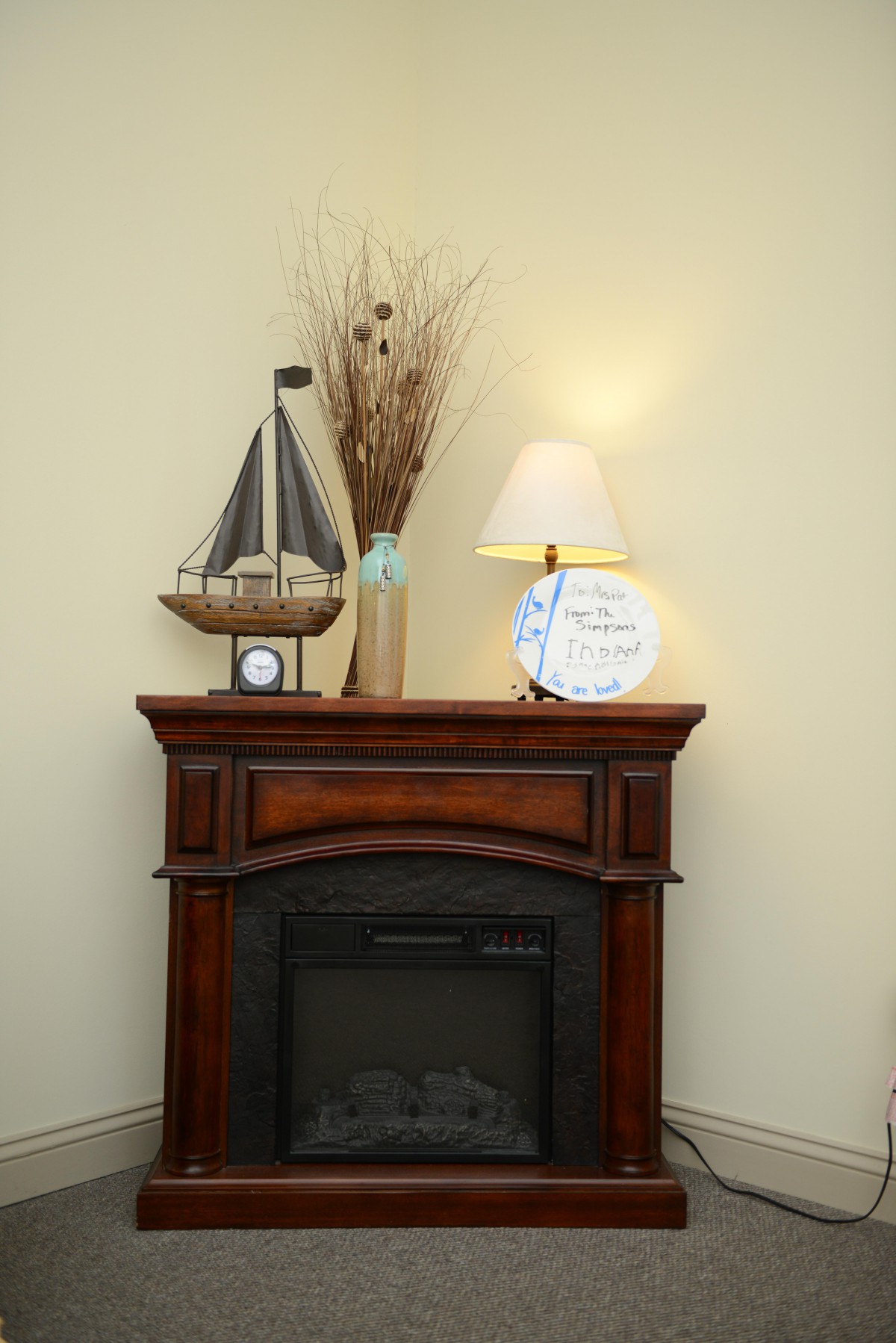
  • Fireplace

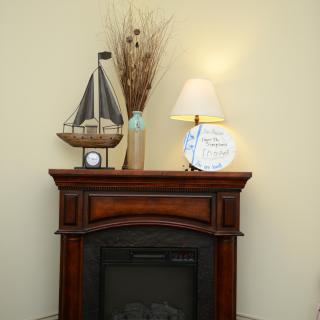
    A cozy fireplace mantle decorated with a model sailboat, a lamp, a decorative plate, and a vase with dried branches.
  • Bookshelves

    A cozy library corner with a wooden table and chairs surrounded by bookshelves filled with books.
  • Kitchenette

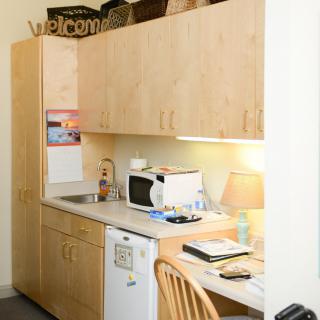
    A compact kitchenette with wooden cabinets, a microwave, a small refrigerator, and a workspace with a desk lamp and notepad.

Waldrop Residences in Cartersville, GA

Information last verified:

89 Burnt Hickory Road, Cartersville, GA 30120

For more information about senior living options: (844) 490-3973

4.7 from 23 reviews
5 stars
18
4 stars
4
3 stars
0
2 stars
0
1 stars
1

Waldrop Residences Costs & Pricing

Waldrop Residences offers competitive pricing for its accommodations, particularly when compared to the surrounding area of Paulding County and the broader state of Georgia. For a semi-private room, the cost is set at $2,350 per month, which is notably lower than the county average of $3,162 and substantially less than the state average of $2,529. Similarly, their studio apartments are priced at $3,200 per month - again more affordable than both the local rate of $3,754 and the statewide average of $3,520. These pricing strategies position Waldrop Residences as an attractive option for individuals seeking quality living arrangements without straining their budgets.

Floor plansWaldrop ResidencesPaulding CountyGeorgia
Semi-Private$2,350$3,162$2,529
Studio$3,200$3,754$3,520

Overall Review of Waldrop Residences

Pros

  • pro The price was reasonable.
  • pro It felt more like a private home with lots of bedrooms.
  • pro Residents can bring their own furniture, mini fridge, and microwave.
  • pro The staff is exceptional and treats residents like family.
  • pro The facility earned a 100% rating from Bartow County.
  • pro The staff love their jobs and provide the utmost care.
  • pro The residence feels small and like a family.
  • pro The rooms have high ceilings and large windows, giving a homey feel.
  • pro The grounds are well-maintained with beautiful summertime flowers.

Cons

  • pro The place is an absolute disgrace.
  • pro It is severely understaffed, the owner is rude, and the food is poor.
  • pro It is not set up for memory care needs.
  • pro The staff sometimes seem short-handed and hard to locate.
  • pro The reviewer would not recommend Burnt Hickory Residences.

Review

This community is best suited for families seeking a tightly knit, home‑like assisted living experience where residents are treated more like members of a personal household than as entries on a census. It shines for those who prize a smaller, intimate setting with a genuine sense of community, where staff know residents by name, remembers preferences, and engage in daily routines with warmth. The appeal lies in the feel of a traditional farmhouse turned into a living space, where rooms can be personalized with familiar furniture and small touches that create a sense of continuity and comfort. For families prioritizing affordability without sacrificing basic care, this option is especially compelling.

Those who should consider alternatives are families with loved ones who require memory‑care specialized support, or with higher medical or activity needs. Several reviews emphasize that memory‑care capabilities are not the facility’s focus, and that higher acuity residents may struggle to receive the level of specialized attention needed. Prospective residents who rely on robust programming, more structured cognitive activities, or a larger staff to resident ratio for complex care should explore options with dedicated memory‑care wings or larger campuses. A few reviewers also flag staffing gaps at times, suggesting the need for a closer look at current coverage and scheduling.

The strongest positives revolve around the human touch. A small‑scale setting fosters a family atmosphere: residents feel known, staff demonstrate consistent warmth, and administrators stay actively involved in daily life. Families repeatedly note attentive care, open communication, and a sense that staff truly loves their work. The ability to bring personal furniture, the option for in‑room amenities, and a homey decor, along with on‑site conveniences like a kitchen feel and friendly common areas, contribute to a dignified, comfortable living experience. In addition, the facility’s price point is repeatedly described as favorable compared with other options, amplifying the practical value for families watching budget and quality closely.

On the downside, the main drawbacks center on the facility’s limited scope and occasional operational hiccups. Memory care limitations, and at least one report of a staff shortage affecting daily operations, point to gaps that could become meaningful for some residents. A negative review alleging a rude owner and subpar food serves as a cautionary data point: it signals that management approach and day‑to‑day culture matter, and that current families should verify that the leadership and kitchen services align with expectations. Other moderating factors include the older‑style layout and a quieter pace that may feel less stimulating for residents who crave more activities, social events, or a bustling campus environment.

Those pros can offset the cons when care is aligned with the resident’s profile. The intimate staff‑to‑resident dynamic reduces the risk of disengagement and fosters dependable, timely support for daily needs. A homey atmosphere often translates into better mood, easier family communication, and peace of mind for loved ones who worry about feeling “lost” in a larger facility. The affordability factor further strengthens value, especially for families prioritizing steady, compassionate caregiving over bells and whistles. The presence of long‑tenured staff and hands‑on managerial involvement can buffer occasional staffing gaps, provided current staffing levels remain stable and transparent.

For decision‑makers, Waldrop Residences represents a well‑considered fit if the priority is warmth, accessibility, and a caregiver‑first environment in a compact setting. It is a particularly strong match for seniors who want to age in a familiar, almost familial context and who do not require advanced memory‑care services. Before committing, it is prudent to confirm the current staffing pattern, obtain a realistic sense of daily activity options, and inspect the dining service quality up close. Ask about how memory care needs would be managed elsewhere, and request a recent floor plan that shows room types, accessibility features, and noise levels related to proximity to any rail corridors. With careful due diligence, this community can deliver dependable comfort and genuine belonging for the right resident.

Features

Housing

  • 30 resident community capacity 30 resident community capacity
  • Studio apartments Studio apartmentsStudio apartments are important for seniors because they offer a smaller, more manageable living space that is easier to navigate and maintain as physical abilities decline. Additionally, studio apartments provide seniors with independence and privacy while still being part of a community that offers support and social opportunities.

Types of Care

  • Assisted Living Assisted LivingAssisted living facilities provide crucial support and care for seniors who may need help with daily tasks such as medication management, bathing, and meal preparation. These communities offer a safe and comfortable environment where seniors can maintain their independence while receiving the assistance they need to thrive in their golden years.
  • Memory Care Memory CareMemory care is crucial for seniors as it provides specialized support and services for individuals with dementia or Alzheimer's disease. These programs offer a safe and secure environment where residents receive personalized care, cognitive stimulation, and help with daily activities. Memory care helps seniors maintain their independence, quality of life, and dignity while also providing peace of mind for their families.
  • Respite Care Respite CareRespite care provides temporary relief for caregivers, allowing them to recharge and attend to their own needs. It also gives seniors the opportunity to socialize, receive professional care, and experience a change of scenery, promoting overall well-being and reducing feelings of isolation.

Amenities

  • Activities on-site Activities on-siteActivities on-site are important for seniors because they provide opportunities for socialization, mental stimulation, physical activity, and overall well-being. Engaging in activities can help seniors stay active, maintain their independence, and improve their quality of life.
  • Air-conditioning Air-conditioningAir conditioning is important for seniors as they are more vulnerable to heat-related illnesses and may have underlying health conditions that make it difficult for them to regulate their body temperature. It helps to keep them comfortable, safe, and healthy in hot weather.
  • Bath tubs Bath tubsBath tubs are important for seniors because they provide a safe and relaxing way to bathe, helping to prevent slips and falls while promoting independence and overall well-being.
  • Beautician on-site Beautician on-siteHaving a beautician on-site at a senior living community is important for seniors as it allows them to easily access grooming and personal care services, boosting their self-esteem and overall well-being. It also provides convenience and helps seniors maintain their sense of independence and personal style.
  • Beauty salon Beauty salonBeauty salons are important for seniors because they provide a space for them to feel pampered, socialize, and maintain their personal grooming and hygiene. Regular visits to a beauty salon can help boost seniors' self-esteem and overall well-being.
  • Cable or satellite TV Cable or satellite TVCable or satellite TV is important for seniors because it provides entertainment, news, and companionship, helping to combat loneliness and boredom. It also offers a wide range of programming options tailored to different interests and preferences.
  • Devotional services off-site Devotional services off-siteDevotional services off-site are important for seniors as they provide spiritual nourishment, social engagement, and a sense of community outside of the senior living facility. This can enhance overall well-being and help combat feelings of isolation and loneliness often experienced by older adults.
  • Devotional services on-site Devotional services on-siteDevotional services on-site provide seniors with spiritual support and a sense of community, as well as an opportunity for reflection and guidance during their senior living experience. This can promote emotional well-being and connection to others, leading to a more fulfilling and enriching lifestyle in their later years.
  • Dining room Dining roomDining rooms are important for seniors as they provide a space for socialization, connection, and nutritious meals. They offer opportunities for residents to bond over shared meals, foster a sense of community, and promote healthy eating habits. Dining rooms also ensure that seniors have access to well-balanced meals tailored to their dietary needs and preferences.
  • Fully furnished Fully furnishedFully furnished senior living communities are important for seniors because they provide convenience, comfort, and a hassle-free moving experience. Seniors can easily settle into their new living space without the stress of having to buy and move furniture. This allows them to focus on enjoying their new home and community.
  • Garden GardenGardens are important for seniors as they provide a peaceful and therapeutic environment for relaxation, physical activity, and socialization. Being in nature has been shown to reduce stress, improve mood, and promote overall well-being. Gardens also offer opportunities for seniors to engage in gardening activities, which can improve mobility, flexibility, and cognitive function. Additionally, gardens create a sense of community and connection with others who share a passion for plants and outdoor spaces.
  • Ground floor units Ground floor unitsGround floor units are important for seniors because they provide easy accessibility, reduced risk of falls and injuries, and convenience for those with mobility issues. Seniors can avoid climbing stairs or using elevators, making daily tasks and activities more manageable and enjoyable.
  • Handicap accessible Handicap accessible"Handicap accessible" amenities are crucial for seniors to ensure they can easily navigate and access facilities, services, and activities without barriers or limitations due to physical impairments. This promotes independence, safety, and inclusivity for seniors in senior living communities.
  • Housekeeping services Housekeeping servicesHousekeeping services are important for seniors because they help maintain a clean and safe living environment, promote independence, and reduce the risk of accidents or illnesses. Additionally, having assistance with household chores can alleviate physical strain and allow seniors to focus on other aspects of their well-being.
  • Indoor common areas Indoor common areasIndoor common areas are crucial for seniors as they provide a space for socialization, recreation, and community engagement, promoting overall well-being and reducing feelings of isolation and loneliness.
  • Kitchenette KitchenetteKitchenettes are important for seniors living in senior living communities because they provide the convenience and independence of being able to prepare simple meals and snacks in the comfort of their own living space. This can help promote a sense of autonomy and well-being for seniors, allowing them to maintain some level of control over their dietary choices and daily routines.
  • Move-in coordination Move-in coordinationMove-in coordination is important for seniors because it helps ease the transition into their new living environment. It ensures that all logistics, such as packing, organizing movers, and setting up utilities are taken care of, allowing seniors to focus on settling in and adjusting to their new home. Having a smooth move-in process can alleviate stress and anxiety, making the transition smoother and more enjoyable for seniors.
  • Outdoor common areas Outdoor common areasOutdoor common areas are important for seniors as they provide a space for socialization, physical activity, and relaxation. Being outside in nature can improve mood and overall well-being, while also encouraging movement and engagement with others. These spaces can help combat feelings of isolation and promote a sense of community among residents.
  • Outdoor space Outdoor spaceOutdoor spaces are important for seniors as they provide opportunities for physical activity, social interaction, exposure to natural light and fresh air, and a sense of connection to nature. Having access to outdoor spaces can improve overall well-being and quality of life for older adults living in senior communities.
  • Restaurant-style dining Restaurant-style diningRestaurant-style dining is important for seniors because it allows them to enjoy delicious, nutritious meals in a social and upscale setting. This enhances their dining experience, promotes healthy eating habits, and fosters socialization with fellow residents, ultimately contributing to their overall well-being and quality of life.
  • Small library Small librarySmall libraries are important for seniors as they provide access to a variety of reading materials, including books, newspapers, and magazines. This can help stimulate their minds, keep them engaged, and provide a sense of community through book clubs and other social activities. Additionally, reading has been shown to improve cognitive function and overall mental well-being in older adults.
  • Telephone TelephoneTelephones are important for seniors as they provide a lifeline for communication with loved ones, emergency services, and healthcare providers. They offer a sense of security and independence, enabling seniors to stay connected and access assistance when needed.
  • Wheelchair accessible showers Wheelchair accessible showersWheelchair accessible showers are crucial for seniors as they provide a safe and independent bathing option for those with mobility challenges. These showers help prevent falls and allow seniors to maintain their dignity and autonomy while ensuring they can bathe comfortably.
  • Wi-Fi/high-speed internet available Wi-Fi/high-speed internet availableWi-Fi/high-speed internet is important for seniors to stay connected with loved ones, access online resources, and participate in virtual activities to combat feelings of loneliness and isolation. It also allows them to easily manage healthcare needs, access entertainment, and engage in lifelong learning opportunities.

Care Services

  • 24-hour call system 24-hour call system24-hour call systems are important for seniors because they provide peace of mind and immediate assistance in case of emergencies. This technology ensures that help is always available, promoting safety and security for elderly individuals living alone or in assisted living facilities.
  • 24-hour supervision 24-hour supervision24-hour supervision is important for seniors to ensure their safety, well-being, and access to immediate assistance in case of emergencies or health issues. This constant support provides peace of mind for both seniors and their loved ones, allowing them to age in place with dignity and security.
  • Activities of daily living assistance Activities of daily living assistanceActivities of daily living assistance are important for seniors because they provide essential support with tasks such as eating, bathing, dressing, and mobility. This assistance helps seniors maintain their independence, dignity, and overall quality of life as they age.
  • Ambulatory care Ambulatory care"Ambulatory care services provide essential medical support and treatment to seniors without requiring hospitalization, allowing them to maintain their independence and quality of life while managing chronic conditions or receiving routine medical care."
  • Assistance with bathing Assistance with bathingAssistance with bathing is crucial for seniors as it helps maintain personal hygiene, prevents infections, and ensures their overall well-being and comfort. It also provides a sense of dignity and independence for seniors who may struggle with this task on their own.
  • Assistance with dressing Assistance with dressingAssistance with dressing is important for seniors because it helps maintain their independence, promotes personal hygiene, prevents accidents and injuries, and improves overall quality of life. This service ensures that seniors can continue to dress comfortably and confidently, despite any physical limitations they may have.
  • Assistance with transfers Assistance with transfersAssistance with transfers is crucial for seniors as it helps prevent falls and injuries, maintains their independence, and ensures they can safely navigate their living environment. It also provides peace of mind for both seniors and their loved ones.
  • Diabetes diet Diabetes dietA diabetes diet is crucial for seniors as it helps manage blood sugar levels, reduce risks of complications, and improve overall health and well-being. By following a balanced and nutritious diet tailored to their specific needs, seniors can better control their diabetes and enhance their quality of life.
  • Diabetic care Diabetic careDiabetic care is crucial for seniors as they are more susceptible to developing diabetes due to aging and other health conditions. Proper management of diabetes can help prevent complications such as heart disease, vision loss, and nerve damage, improving the overall quality of life for seniors in senior living communities.
  • Incontinence care Incontinence careIncontinence care is essential for seniors to maintain their dignity, hygiene, and overall quality of life. By addressing incontinence issues promptly and effectively, seniors can enjoy a sense of independence and comfort in their daily activities.
  • Meal preparation and service Meal preparation and serviceMeal preparation and service are crucial for seniors as they may have limited mobility or energy to cook nutritious meals. Having access to healthy and convenient food options can ensure they are getting the proper nutrition needed to maintain their overall health and well-being.
  • Medication management Medication managementMedication management is crucial for seniors to ensure they are taking the right medications at the correct dosages and times. This helps prevent adverse drug interactions, reduces the risk of medication errors, and promotes overall health and well-being. Proactive management also allows for adjustments as needed based on changing health conditions or new prescriptions.
  • Mental wellness program Mental wellness programMental wellness programs are essential for seniors as they promote cognitive stimulation, emotional support, and social engagement. These programs help prevent isolation, depression, and cognitive decline, ultimately enhancing the overall quality of life for older adults.
  • Special dietary restrictions Special dietary restrictionsSpecial dietary restrictions are important for seniors because age-related changes in metabolism and health conditions can make it difficult for their bodies to process certain foods. By following a diet tailored to their specific needs, seniors can maintain their overall health and well-being, manage chronic conditions, and reduce the risk of complications such as malnutrition or food interactions with medications.

Dining

  • Anytime dining Anytime diningAnytime dining is important for seniors because it allows them the flexibility to eat when they are hungry, rather than being restricted to set meal times. This can be especially beneficial for those with medical conditions or medications that affect their appetite, as well as those who may have difficulty adhering to a strict dining schedule. Overall, anytime dining promotes independence and overall well-being for seniors in senior living communities.
  • Diabetes diet Diabetes dietA diabetes diet is crucial for seniors as it helps manage blood sugar levels, reduce risks of complications, and improve overall health and well-being. By following a balanced and nutritious diet tailored to their specific needs, seniors can better control their diabetes and enhance their quality of life.
  • Low / no sodium Low / no sodiumLow/no sodium options are important for seniors because excessive sodium intake can lead to high blood pressure, heart disease, and other health issues commonly experienced by older adults. By choosing low/no sodium foods, seniors can better manage their health and reduce their risk of developing these conditions.
  • Meals provided Meals provided"Meals provided" are crucial for seniors in assisted living communities as it ensures they have access to nutritious, balanced meals without the stress of meal planning and preparation. This can help promote overall health and well-being for seniors who may have limited mobility or cognitive abilities.
  • Special dietary restrictions Special dietary restrictionsSpecial dietary restrictions are important for seniors because age-related changes in metabolism and health conditions can make it difficult for their bodies to process certain foods. By following a diet tailored to their specific needs, seniors can maintain their overall health and well-being, manage chronic conditions, and reduce the risk of complications such as malnutrition or food interactions with medications.

Activities

  • Activities on-site Activities on-siteActivities on-site are important for seniors because they provide opportunities for socialization, mental stimulation, physical activity, and overall well-being. Engaging in activities can help seniors stay active, maintain their independence, and improve their quality of life.
  • Art classes Art classesArt classes are important for seniors because they provide a creative outlet, improve cognitive function, reduce stress and anxiety, promote socialization, and enhance overall well-being and quality of life.
  • Community-sponsored activities Community-sponsored activitiesCommunity-sponsored activities are important for seniors as they provide opportunities for social interaction, mental stimulation, and physical activity. These activities can help improve overall well-being, combat loneliness and isolation, and promote a sense of belonging and purpose among older adults.
  • Devotional activities offsite Devotional activities offsiteDevotional activities offsite are important for seniors because they provide social engagement, spiritual growth, and a sense of community outside of their living environment. This can improve overall well-being, mental health, and combat feelings of isolation or loneliness.
  • Devotional activities on-site Devotional activities on-siteDevotional activities on-site provide seniors with a sense of community, spiritual fulfillment, and emotional support, promoting overall well-being and a positive sense of purpose in their lives.
  • Educational speakers / life long learning Educational speakers / life long learningEducational speakers and lifelong learning opportunities are crucial for seniors as they provide mental stimulation, promote social engagement, and contribute to overall well-being. Continuous learning helps seniors stay mentally sharp, build new skills, and maintain a sense of purpose and fulfillment in their lives. It also allows them to stay connected to the world around them and fosters a sense of community within senior living facilities.
  • Forever fit Forever fit"Forever fit" programs are crucial for seniors as they promote physical activity, social engagement, and overall well-being. These programs help seniors maintain their independence, improve their strength and flexibility, and reduce the risk of chronic diseases. By participating in these activities, seniors can enjoy a higher quality of life and live independently for longer.
  • Holiday parties Holiday partiesHoliday parties are important for seniors because they provide opportunities for socialization, community involvement, and mental stimulation. These festive events offer a sense of belonging and connection during a time that can be lonely for many older adults. Additionally, participating in holiday celebrations can boost mood and overall well-being for seniors living in senior living communities.
  • Protestant services Protestant servicesProtestant services are important for seniors because they provide spiritual nourishment, community support, and a sense of belonging. These services can help seniors connect with others who share their faith, find comfort and guidance in times of need, and maintain a sense of purpose and fulfillment in their later years.
  • Resident-run activities Resident-run activitiesResident-run activities are important for seniors as they encourage social interaction, creativity, and a sense of autonomy. These activities empower seniors to stay engaged and active in their community while fostering meaningful connections with their peers.
  • Scheduled daily activities Scheduled daily activitiesScheduled daily activities are important for seniors because they provide structure, socialization, mental stimulation, and physical activity. Engaging in regular activities can improve overall well-being and quality of life for seniors living in a community setting.
  • Stretching classes Stretching classesStretching classes are important for seniors because they help improve flexibility, reduce the risk of injury, and promote overall health and well-being. Regular stretching can also help alleviate joint pain and stiffness, enhance balance and coordination, and increase range of motion.
  • Trivia games Trivia gamesTrivia games are important for seniors because they provide mental stimulation, social interaction, and a fun way to keep the mind sharp. They can help improve memory, cognitive function, and overall well-being in older adults.
  • Yoga / chair yoga Yoga / chair yogaYoga and chair yoga are important for seniors as they promote flexibility, balance, strength, and overall wellbeing. These practices can help improve mobility, reduce stress, and enhance mental clarity, ultimately leading to a higher quality of life in their senior years.

Description

Waldrop Residences in Cartersville, GA is a premier assisted living community offering exceptional care for seniors in need of Memory Care and Respite Care. Our community provides a comfortable and secure environment where residents can receive the support they need while maintaining their independence.

At Waldrop Residences, we prioritize the well-being and comfort of our residents. All of our accommodations are fully furnished and include air-conditioning for optimal comfort. The amenities available to our residents include spacious bath tubs, an on-site beautician and beauty salon, cable or satellite TV for entertainment, and both devotional services on-site and off-site for spiritual enrichment.

We understand the importance of delicious and nutritious meals, which is why we offer restaurant-style dining with specialized dietary options such as diabetes diet, low/no sodium meals, and special dietary restrictions. Our dedicated staff also provides assistance with activities of daily living including bathing, dressing, transfers, medication management, and incontinence care.

To enhance the quality of life at Waldrop Residences, we offer a variety of engaging activities to keep our residents active both mentally and physically. From art classes to educational speakers to yoga classes, there is something for everyone to enjoy. Our community also organizes holiday parties and resident-run activities to foster a sense of belonging among our residents.

The location of Waldrop Residences is another highlight. We have 5 cafes, 7 pharmacies, 28 physicians, 30 restaurants, 1 place of worship nearby as well as 1 theater and 3 hospitals nearby. This ensures that our residents have easy access to essential services and entertainment options.

With 24-hour supervision by experienced caregivers who provide ambulatory care and mental wellness programs designed specifically for each resident's needs, families can have peace of mind knowing that their loved ones are receiving personalized care from a compassionate team.

Choose Waldrop Residences for your loved one's assisted living needs in Cartersville, GA, and experience a warm and inviting community that emphasizes individualized care, engaging activities, and a convenient location.

Nearby Places of Interest

This part of Cartersville, Georgia, offers a variety of amenities and services that cater to senior living. With a selection of restaurants nearby such as Tarascos, Waffle House, and El Dorado Salvadorian & Mexican Restaurant, there are plenty of dining options for residents to enjoy. Additionally, there are several pharmacies in the area including Holt's Pharmacy and Walmart Pharmacy, ensuring easy access to medications and healthcare supplies. For medical needs, there are various physicians' offices within a few miles, including specialists in wound care, dermatology, and orthopedics. The proximity to Cartersville Medical Center provides convenient access to healthcare services. Residents can also enjoy leisure activities at the nearby AMC CLASSIC Cartersville 12 theater or cafes like Wholly Grounds and Noble & Main Coffee Co. Overall, this part of Cartersville offers a well-rounded community with amenities that cater to the needs and interests of seniors.

Restaurants

  • Tarascos (1.1 miles)
  • McDonald's (1.6 miles)
  • Waffle House (1.7 miles)
  • Buffalo's Franchise Concepts (3.2 miles)
  • Hooters (3.4 miles)
  • El Dorado Salvadorian & Mexican Restaurant (3.5 miles)
  • Sonic Drive-In (3.5 miles)

Pharmacies

  • Holt's Pharmacy (1.6 miles)
  • CVS Pharmacy (3.2 miles)
  • Ingles Market (3.4 miles)
  • Walmart Pharmacy (3.5 miles)
  • Ingles Market (4.3 miles)
  • Walgreens (4.5 miles)
  • CVS Pharmacy (4.6 miles)

Physicians

  • Floyd Wound Care Clinic Cartersville (1.9 miles)
  • Northest Ent (3 miles)
  • Skin Cancer & Cosmetic Dermatology Center (3 miles)
  • Georgia Orthopedic Specialists (3 miles)
  • Georgia Bone & Joint (3 miles)
  • Reed Imaging Services (3 miles)
  • Pain Solutions Treatment Centers (3 miles)

Hospitals

  • Cartersville Medical Center (3.1 miles)
  • Cartersville Medical Center (3.1 miles)
  • Cartersville Medical Center - Occupational Medicine (3.2 miles)

Theaters

  • AMC CLASSIC Cartersville 12 (3.2 miles)

Cafes

  • Wholly Grounds (3.5 miles)
  • Noble & Main Coffee Co. (4.4 miles)
  • Starbucks (4.8 miles)
  • Panera Bread (4.9 miles)
  • Starbucks (5 miles)
  • Starbucks (8.7 miles)
  • Marble House Coffee (12.9 miles)

Places of Worship

  • Faith Family (3.7 miles)
  • First Baptist Church of Emerson (9.5 miles)
  • St Clare of Assisi Catholic Church (12.7 miles)

Parks

  • Pine Mountain Recreation Area (6 miles)

Frequently Asked Questions

How much does it cost to live at Waldrop Residences in Cartersville, GA?
What floor plans and room types does Waldrop Residences offer?
Where is Waldrop Residences?
Does Waldrop Residences provide care for residents with dementia or Alzheimer's disease?
What photos are available for Waldrop Residences in Cartersville, Georgia?

Nearby Communities

  • Sunrise - Abbey Lane

    Sunrise - Abbey Lane

    Cartersville, GA

    3 from 3 reviews
     

    pro Fully furnished with 24/7 supervision, ADL care, meals, and medical transport.
  • Angel Haven PCH

    Angel Haven PCH

    Cartersville, GA


    pro Small, personalized board-and-care with furnished rooms, restaurant-style dining, and daily activities.

  • Brookside Cartersville

    Brookside Cartersville

    Cartersville, GA

    4.2 from 30 reviews
    $2,250 to $3,300 / month

    pro Friendly, caring staff and a well-maintained facility with a broad range of on-site amenities.

  • The Springhouse at Cartersville

    The Springhouse at Cartersville

    Cartersville, GA

    4.7 from 6 reviews
    $3,695 to $4,395 / month

    pro Friendly, knowledgeable staff and clean, spacious common areas with planned engaging activities.

  • The Fountains in Cartersville

    The Fountains in Cartersville

    Cartersville, GA

    4.2 from 44 reviews
    $3,950 / month

    pro Clean, well-designed facility with engaging activities and an attentive memory care team.

  • Tiger Lily Estates

    Tiger Lily Estates

    Cartersville, GA

    4.6 from 27 reviews
    $4,150 / month

    pro Friendly staff, engaging activities, and excellent dining in a modern, well-maintained setting.

  • Highlands Senior Living

    Highlands Senior Living

    Cartersville, GA

    4.4 from 54 reviews
    $2,200 to $3,200 / month

    pro Comprehensive on-site amenities and care with restaurant-style dining and engaging activities.

  • Townsend Park Health And Rehabilitation

    Townsend Park Health And Rehabilitation

    Cartersville, GA

    3.9 from 27 reviews
    $2,800 to $3,900 / month

    pro Family-like atmosphere with a clean facility and good meals.

  • Legacy at Walton Overlook

    Legacy at Walton Overlook

    Acworth, GA

    4.7 from 29 reviews
    $691 to $820 / month

    pro Stunning, immaculate grounds and building with competitive pricing.

Related Resources

  • dementia careMemory Care Pathways: A Holistic Guide to Dementia Support

    "Memory Care Pathways: A Holistic Guide to Dementia Support" outlines the complexities of dementia and its various types, emphasizing early detection, patient-centered care strategies, caregiver support, and long-term care options while addressing legal and financial considerations to enhance the quality of life for individuals with dementia and their families.

  • sundown syndromeComprehending Evening Confusion in Dementia: Causes, Manifestations, and Support

    Sundown syndrome, or sundowning, is a phenomenon in dementia patients characterized by increased confusion and agitation during late afternoon and evening, influenced by factors like disrupted circadian rhythms and fatigue. Effective caregiver strategies include establishing routines and managing environmental light while addressing caregiver stress through support services.

  • delirium vs dementiaDelirium and Dementia: Unraveling the Key Differences
    Delirium is a rapidly onset, reversible cognitive disturbance often caused by acute medical issues, while dementia is a gradual and irreversible decline due to chronic neurodegenerative diseases. Accurate differentiation between the two is essential for appropriate treatment and management in older adults.