
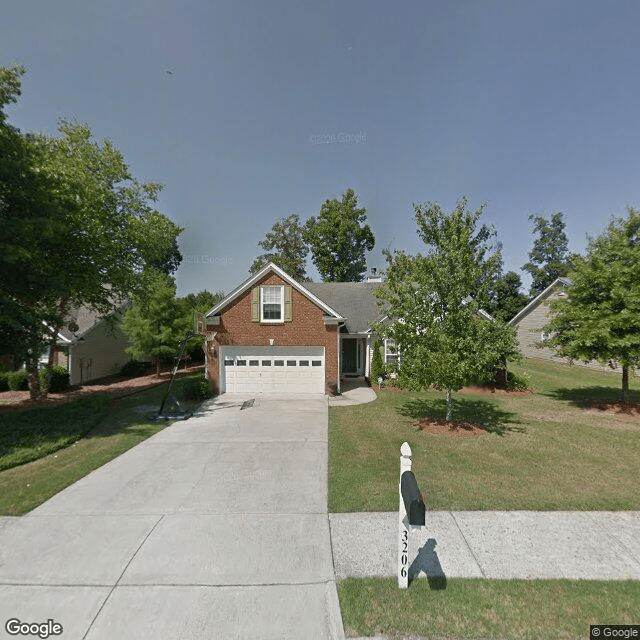
3206 Millash Run, Buford, GA 30519
To contact a resident: (678) 630-3576
For more information about senior living options: (866) 208-4318
Always Agape PCH Costs & Pricing
Always Agape PCH offers a competitive monthly cost for its private rooms at $2,000, which is significantly lower than the average rates in Hall County, where the cost stands at $3,368. When compared to the overall state average of $2,864 for similar accommodations in Georgia, Always Agape PCH provides an appealing option for those seeking quality care without the burden of excessive expenses. This pricing model reflects a commitment to accessible and affordable living arrangements for residents while ensuring they receive the compassionate support they deserve.
| Floor plans | Always Agape PCH | Hall County | Georgia |
|---|---|---|---|
| Private | $2,000 | $3,368 | $2,864 |
Senior living communities with a similar price nearby
-
from -$200 / mo

Lona Lisa's Assisted Living Home Inc.
$1,800 to $6,000 / month18.2 miles away -
from -$200 / mo

G & M Personal Care Home
$1,800 to $2,500 / month24.1 miles away -
About the same

Senior Care America 2
$2,000 to $2,500 / month5.1 miles away -
About the same

Omni Adult Day Care
$2,000 to $3,000 / month10.2 miles away -
from +$300 / mo
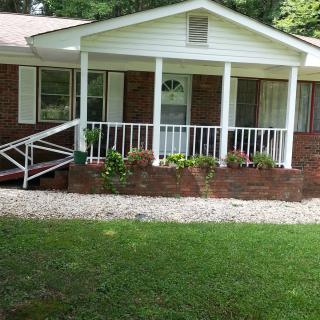
Comfort Care Personal Care Home
$2,300 / month20.6 miles away
Overall Review of Always Agape PCH
Pros
 The property is very nice and new.
- It is very clean and in a good neighborhood.
- The director was very interested in his needs and condition.
- He seemed very conscious of the importance of routines.
- It may be a good option for the family's needs.
Cons
 The reviewer is concerned about burnout since there is only one caregiver.
- A drawback noted is that he is the only caregiver, raising burnout concerns.
- There is concern about caregiver burnout due to one person providing all care.
Review
Always Agape PCH in Buford, GA is best suited for families seeking a small, intimate care home that emphasizes a clean, newly built environment and a predictable daily structure. This setting appears ideal for an elder who thrives on routine, values personal attention, and benefits from a calm, home-like atmosphere. The property’s freshness and tidy condition create a sense of safety and modernity that can ease transitions for residents who prefer not to confront a busy, institutional feel. In short, it serves best those who want close, individualized oversight delivered in a quiet, neighborly neighborhood where routines matter.
Those who may want to consider alternatives are families with higher or more variable medical needs or with concerns about staffing reliability. If a resident requires more than a single caregiver’s daily presence, such as more frequent medical oversight, backup coverage for shifts, or a broader menu of on-site programming, this community may feel limited. Similarly, families needing robust staffing to support complex activities, frequent social activities, or emergencies should compare options with facilities known for larger teams and scheduled coverage. In short, anything beyond steady, routine-based care invites a broader market of choices.
The strongest positives center on the environment and the caregiver relationship. The new property reads as clean and well maintained, with a layout that supports safety and comfort in everyday living. The neighborhood setting adds to the sense of normalcy and accessibility, making errands or visits straightforward. The director’s approach, attentive to the resident’s needs and condition and mindful of the importance of routines, creates a practical, predictable rhythm that can pay off for families prioritizing consistency. When a resident settles into a clear daily structure, anxiety drops and confidence in the care team can grow.
The primary drawback is staffing depth. With one caregiver responsible for day-to-day care, concerns about burnout and coverage gaps naturally arise. This arrangement can translate into slower response times during peak periods, fewer hands on deck for unexpected needs, and a potential risk if the primary caregiver needs time off. For residents who may require more immediate assistive opportunities or who value a broader team to monitor subtle changes in condition, this single-staff model can feel constraining. There is also less publicly visible information about backup coverage or cross-coverage for vacations and illness, which matters in long-term planning.
How the pros stack against the cons depends largely on individual needs and risk tolerance. If the resident’s care plan centers on stable routines, close daily observation, and companionship tailored to a single caregiver’s steady presence, the positives can substantially counterbalance the staffing risk. The fresh, clean setting and an engaged director provide a foundation for trust and continuity, and the emphasis on routine can reduce confusion and agitation for residents who crave predictability. Families can offset the staffing caveat by asking pointed questions about backup coverage, escalation procedures, and how routine disruptions would be handled before committing.
Actionable next steps for families: arrange a live tour focused on daily schedules and the caregiver handoff process, request specifics about backup coverage and response times, and ask for references or a day-in-the-life snapshot. Compare this community against others with multi-caregiver models, broader activity programming, or on-call medical staff to see where personal comfort and safety nets meet expectations. If a resident wants an intimate, routine-focused environment and the family can tolerate potential occasional staffing gaps, Always Agape PCH offers a solid option. If the opposite is true, keep searching for a setting with a larger staff footprint and clearer coverage assurances.
 Board and Care Home
 Activities off-site
 Devotional services off-site
 Indoor common areas
 Outdoor common areas
 Private
 Private bathrooms
 Respite or short term stays offered
 Wheelchair accessible showers
 Ambulatory care
 High acuity care
 Incontinence care
 Kosher






 Managing Nursing Home Expenses After Medicare Coverage Ends
 Is a Geriatric Care Manager the Right Choice for Your Family?
 Compassionate Conversations: How to Comfort Someone Who Is Grieving