

2573 SPRING CREEK ROAD, Bainbridge, GA 39819
To contact a resident: (229) 246-8233
For more information about senior living options: (866) 208-4318
Overall Review of WASHINGTON MELBA'S PERSONAL CARE HOME
Pros
 The facility is described as a great place.
- The owner is described as very professional.
Cons
 The residents are kept in poor conditions and barely fed, receiving stolen, cross-contaminated food purchased by the owner.
- The owner’s son, who lives in the facility, abuses patients and sells drugs outside of it.
- The residents are scared, harassed, and threatened by others within the facility.
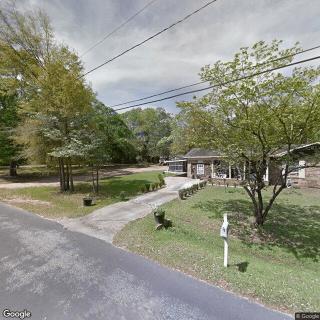
- The facility lacks transparency, with no interior photos and questions about the owner's background, including a prison history.
- The manager is not professional and the residents do not receive proper care.
- There are better options in Bainbridge for loved ones, implying this place is not suitable.
- There is a call to remove family members before the State intervenes.
- The reviews describe the place as not suitable for anyone.
Review
This community is best suited for families in Bainbridge who have very limited options and are willing to accept substantial safety and oversight risks in exchange for a small, home‑like setting and potentially lower costs. In practice, this option should rarely be the first choice, and only after exhaustive exploration of more stable, better‑reviewed alternatives. If location and budget are the driving factors, a family might consider this as a last‑resort option, but only with a clear plan to verify every facet of care and governance before any placement occurs.
Those who should strongly consider alternatives are families seeking reliable, professional care with transparent operations. The most serious concerns raised by multiple reviewers point to resident safety, adequate supervision, and reputable management. If a senior requires ongoing medical oversight, consistent meals prepared in a sanitary manner, and a nonthreatening living environment, other facilities with established licensing histories and documented inspections are a far safer bet. Prospective residents should also prefer environments where staff, residents, and families can openly discuss care without fear of retaliation or concealment.
One narrow positive note appears in the records: at least one reviewer described the owner as professional, and the small, home‑like setting can be appealing to families who value close, individualized attention from a singular operator. However, that glimpse of professionalism is overwhelmed by the broader pattern of concerns expressed by others. In practical terms, the presence of a single favorable impression does not negate the pervasive questions about safety, care quality, and the conduct of the operation. The overall impression remains that the pros do not meaningfully offset the significant cons.
The main cons eclipse any potential upside in a decisive way. Reports describe residents kept in poor conditions and inadequately fed, with alleged cross‑contaminated meals and limited nourishment. Fear, harassment, and threats among residents create an unstable, unsafe atmosphere that is incompatible with respectful, dignified elder care. Serious allegations about abuse, and even illegal activity tied to the operator’s family, further degrade trust and raise real risk concerns for anyone considering placement. The lack of interior photos or transparent demonstrations of the living environment feeds suspicion about what families would be stepping into.
From a decision‑making standpoint, due diligence is nonnegotiable. Prospective families should insist on a formal tour that includes observation during meals and medication administration, direct conversations with current residents (and, if possible, their families), and frank answers about staffing ratios, training, and supervision protocols. Verify licensing status and review state inspection reports for any citations, penalties, or corrective actions. Ask for written policies on food safety, resident rights, incident reporting, and emergency procedures. Compare with other Bainbridge options that offer clearer governance, documented safety records, and consistently positive feedback.
In the end, this specific community requires a heavy risk calculus and a demanding level of oversight that most families will find unwarranted. The volume and severity of concerns strongly suggest pursuing stronger, more transparent providers first. If any exploration proceeds here, it should be under a strict, time‑bound plan with concrete milestones, public visitation terms, and signed assurances about safety, care standards, and staff accountability. For most seniors, alternatives exist that align better with expectations of respectful care, reliable supervision, and a transparent, accountable operation.
 Board and Care Home



 Exploring Nonmedical Home Care: Understanding Services, Costs, and Financial Approaches
 Engaging Brain Games and Innovative Apps to Keep Senior Minds Active
 Effective Strategies for Keeping Seniors' Minds Active: A Deep Dive into Brain Games and Apps