
1401 Belcher Lane, Bainbridge, GA 39817
For more information about senior living options: (866) 208-4318
Overall Review of Sharlene's Moore - Community Living Arrangement
Pros
 The personal care home shows genuine love for its residents.
- The staff assist residents in engaging with the community.
- The environment is caring and supportive toward each resident.
- Residents are valued and well cared for.
- The home actively facilitates meaningful community interactions.
Review
Sharlene's Moore - Community Living Arrangement in Bainbridge, GA is best suited for seniors who want a warm, home-like setting where staff form meaningful relationships with residents and help foster social connections within a small, close-knit environment. This community style appeals to individuals who value personalized attention, daily assistance embedded in a familial culture, and opportunities for community involvement that feel more intimate than a larger campus. The strongest draw is the sense that the care team genuinely loves their residents and treats social engagement as part of everyday life, which can translate to greater comfort, lower stress, and a sense of belonging for residents who thrive on consistent, familiar faces.
That said, this setting is not likely to meet every need. Families weighing alternatives should consider options with greater medical oversight, more formal memory-care programming, or expansive activity calendars and on-site amenities. For seniors requiring frequent nursing assessments, complex wound care, or intensive therapy, a larger assisted living, memory-care focused community, or skilled-nursing environment may be a better match. Prospective residents who prefer robust, structured programming or who desire a facility with a wider menu of on-site services should thoughtfully compare offerings at larger campuses before deciding.
The core advantages pivot on care that feels personal and incidentally reassuring. A staff culture described as loving toward residents often translates into attentiveness that goes beyond routine tasks, with caregivers who know preferences, routines, and communication cues. The ability to facilitate community interactions, whether through informal gatherings, outings, or casual neighborhood engagement, helps residents stay connected and engaged, reducing isolation and building a sense of purpose. These positives tend to offset the typical trade-offs of a smaller personal care home, where program breadth and medical resources may be more limited but relational depth is higher and consistency of care is easier to maintain.
On the other hand, the most tangible trade-off in smaller settings centers on resource breadth and formal supports. Prospective residents should recognize that fewer on-site services can mean fewer immediate options for specialized therapy, rapid access to advanced medical care, or niche programming. The upside, however, is that the intimate environment fosters quicker staff responsiveness and a greater likelihood that care plans reflect daily life priorities rather than just clinical checklists. When social vitality and dependable daily assistance are the priority, the pros typically outweigh the cons, provided expectations align with the level of clinical need.
The two five-star reviews that anchor the rating suggest a consistent positive experience for families who value warmth and personal attention. Yet, the small sample size warrants cautious interpretation; an excellent track record with two families can indicate strong performance but may not fully capture variability over time or in different care scenarios. The clear message is that the community delivers on its core promise: a loving, engaged staff and a welcoming, socially active environment. The risk is that families with higher medical complexity or requiring specialized care should verify compatibility with these strengths before committing.
In practical terms, families should plan a targeted visit with a checklist geared toward relational quality and practical suitability. Observe how staff interact with residents during meals, activities, and informal moments; inquire about staff turnover and how many caregivers rotate through a given resident; and assess transportation, meal planning, safety protocols, and the availability of doctor or nurse visits. Ask for sample daily schedules to gauge activity variety, and request candid discussions about how medical needs are addressed. When warmth, individualized attention, and social integration take priority, Sharlene's Moore stands out; when comprehensive medical programming is non-negotiable, alternatives warrant closer examination.
 4 resident community capacity
 Assisted Living
 Cable or satellite TV
 Dining room
 Fully furnished
 Garden
 Housekeeping services
 Move-in coordination
 Outdoor space
 Telephone
 Wi-Fi/high-speed internet available
 24-hour supervision
 Activities of daily living assistance
 Assistance with bathing
 Assistance with dressing
 Assistance with transfers
 Diabetes diet
 Meal preparation and service
 Medication management
 Special dietary restrictions
 Transportation arrangement (medical)
 Transportation to doctors appointments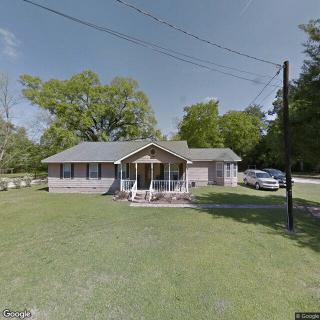




 Understanding the Distinctions: Assisted Living and Memory Care Explained
 Guiding Elderly Parents Who Refuse Assisted Living: 6 Practical Steps
 Your Comprehensive Guide to Luxury Assisted Living: Elevated Facilities, Amenities, and Costs