
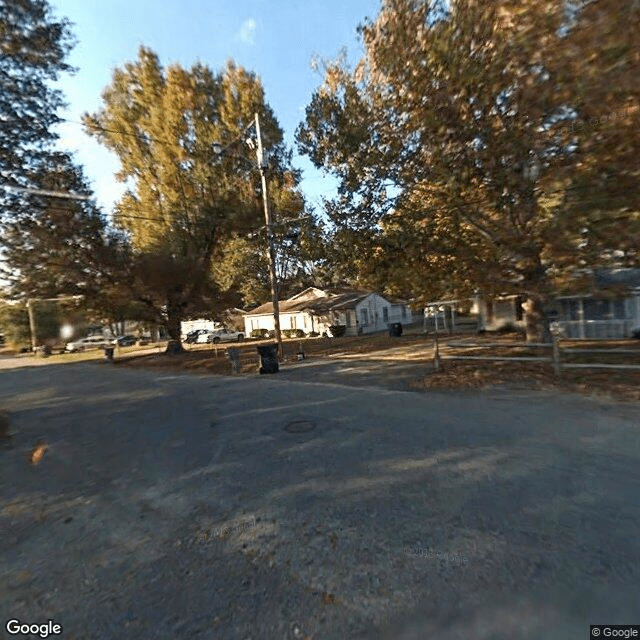
1809 Mavis Street, Augusta, GA 30906
To contact a resident: (706) 798-3592
For more information about senior living options: (866) 208-4318
Jane Smith's Personal Care Home Costs & Pricing
At Jane Smith's Personal Care Home, we offer competitive pricing that reflects our commitment to quality care. Our monthly rates for semi-private rooms are set at $1,171, significantly lower than the average of $2,143 in Richmond County and $2,529 across Georgia. For those seeking more privacy, our private rooms are available at $1,271 - again an attractive alternative compared to the county's average of $2,959 and the state average of $2,864. These affordable rates allow us to provide exceptional care while ensuring that residents receive the attention and support they deserve without financial strain.
| Floor plans | Jane Smith's Personal Care Home | Richmond County | Georgia |
|---|---|---|---|
| Semi-Private | $1,171 | $2,143 | $2,529 |
| Private | $1,271 | $2,959 | $2,864 |
Senior living communities with a similar price nearby
-
from -$171 / mo

Family Care Inc
$1,000 / month7.1 miles away -
from +$229 / mo

Marks Personal Care Home
$1,400 to $2,000 / month11.0 miles away -
About the same

Loves Community Care Center
$1,200 to $1,600 / month5.1 miles away -
from +$229 / mo
Trinity Personal Care Home Of Georgia
$1,400 to $2,200 / month4.4 miles away -
About the same
Great Day
$1,200 to $2,400 / month6.2 miles away
Overall Review of Jane Smith's Personal Care Home
Pros
 The establishment does things the right way.
- The organization is Black-owned and women-led, offering hope and a family-oriented environment.
- The staff are lovely and provide great service, giving visitors and guests an at-home feeling.
Review
This community is best suited for families seeking a small, nurturing, home-like setting in Augusta, GA where residents are treated as members of a extended family. Jane Smith's Personal Care Home excels for seniors who value belonging, consistency, and a culture-conscious environment that is Black-owned and women-led. It works particularly well for those who want an intimate, “forever home” feel where staff know residents by name, routines are predictable, and family involvement is welcomed. Those who need extensive, high-level medical oversight, multiple on-site clinics, or a broad continuum of care across a large campus may want to consider alternatives with more comprehensive clinical resources and larger staffing pools.
From the reviews, the core strengths are clear: leadership that reflects ownership and vision, a family orientation, and a staff team described as lovely and attentive. The Black-owned, women-led model is more than branding; it signals stability, accountability, and a governance style that prioritizes dignity and respect. The idea of a forever home resonates in practice through steady routines, consistent caregiving, and a climate where visitors feel welcomed and residents sense steady support. The emphasis on great service and a home-like atmosphere translates into daily life that feels less institutional and more like a supportive extension of family life.
Operationally, the at-home feeling and personalized service are the strongest offsets for the main tradeoffs inherent in small personal care homes. Residents are known, staff turnover is typically lower in such settings, and family members can participate in planning and day-to-day choices. The reviews suggest immediate responsiveness, kindness, and a culture that aims to minimize friction for both residents and loved ones. Yet readers should recognize that a smaller operation may not match the breadth of activities, advanced clinical programs, or extensive transportation options found in larger communities. For some, that tradeoff is worth the comfort and security of intimate care.
Positives like a welcoming staff, high service standards, and a strong sense of community often create a buffer against common concerns parents and adult children voice about senior living. The sense of dignity, empowerment, and hope for those facing daily challenges is a recurring theme, giving families confidence that daily routines will be handled with tenderness and competence. In practical terms, that translates into reliable mealtime structure, personal assistance, and a predictable environment, which reduces anxiety at transitions. The only caveat is that the smaller scale may limit access to certain therapies or specialists on-site, requiring coordination with outside providers.
Who should consider alternatives? Families with residents who require aggressive medical management, complex wound care, or a broad suite of on-site medical services would be prudent to compare options with larger medical-oriented facilities. Those seeking a robust calendar of activities, transportation to appointments across town, or integrated specialty programs may find the footprint of this home too limited. For such families, evaluating several options with diverse clinical partnerships will be essential to avoid gaps in care.
Bottom line: Jane Smith's Personal Care Home offers a compelling, dependable home for seniors who value warmth, cultural alignment, and a family-centric caregiving approach. It stands out for its leadership, sense of community, and consistently strong service that makes daily life feel safe and dignified. Pros strongly offset the absence of larger-scale amenities for residents who prefer intimate care and personal attention. Families should schedule a direct conversation with the leadership to discuss care plans, staffing ratios, and what a “forever home” will look like day-to-day. For many households, this community is the clear choice when the priority is trust, belonging, and steady, compassionate support.
 Board and Care Home
 Activities off-site
 Bath tubs
 Devotional services off-site
 Indoor common areas
 Outdoor common areas
 Private
 Private bathrooms
 Respite or short term stays offered
 Bush (4 miles away)
 Diabetic care
 High acuity care
 Incontinence care
 Medication management
 Meals provided





 Weight Training for Seniors: Building Strength and Vitality
 Understanding the Sandwich Generation: Stress and Responsibilities for Multigenerational Caregivers
 8 Essential Assistive Devices for Older Adults