
6285 Emerald Pointe Circle, Atlanta, GA 30349
For more information about senior living options: (866) 208-4318
Overall Review of Stevenson Personal Care Home
Pros
 Safe Haven is described as a wonderful, safe haven for loved ones who require full-time care.
- Alla and her team are loving and caring professionals who attend to residents' medical, emotional, and dietary needs.
- The staff's stability and attentiveness give families genuine peace of mind.
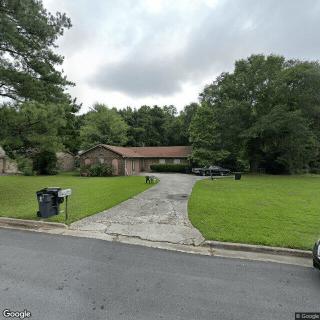
- The facility is a beautiful, clean, home-like environment that avoids an institutional feel.
- The caregivers and residents form a family-like community where everyone is treated with kindness and respect.
- The care ratio is excellent, allowing personalized, attentive care.
- The nurses and lead caregivers are trusted, quick-thinking, and devoted to residents' safety and well-being.
- The staff's dedication shines during challenging times, with thoughtful accommodations that support family involvement and compassionate care.
Cons
 The idea of placing a loved one in a care facility was terrifying for them.
- During the COVID period, they were unable to visit for seven months, and many things were missed, with attention to detail not being there.
- They recalled that the previous large memory care facility left the resident feeling lost in the crowd.
- They noted that Safe Haven was not a social environment, which they perceived as a drawback.
Review
This community is best suited for families seeking a small, home-like memory-care option in Atlanta where daily care is intensely personal and highly consistent. It works particularly well for residents with dementia or Alzheimer’s who benefit from a predictable routine, intimate staff attention, and a peaceful, nonclinical environment. The model shines when a resident’s care plan requires careful medical and emotional oversight delivered by a stable, family-minded team. For families prioritizing dignity, quiet comfort, and a sense of “being looked after as a unique person,” this setting is a clear fit.
There are clear reasons to consider alternatives. If a loved one thrives on robust social programming, bustling activity calendars, and a large community with plentiful on-site amenities, this may not be the best match. The environment described is not highly social by design; it emphasizes rest, privacy, and individualized interaction rather than wide-spectrum socialization. For those seeking a larger campus with extensive nursing services or a facility that can accommodate higher acuity medical needs, it makes sense to look at other options. Likewise, families working from tighter budgets may compare value differently, given the exceptional one-on-one care on offer here.
The strongest advantages lay in the care model itself. The care team is consistently described as loving, stable, and truly attentive, with staff members who feel like family to residents and their families. A high level of competence across Alzheimer’s and Dementia care, along with the ability to manage complex medical and dietary needs, translates into remarkable peace of mind for relatives. Each resident often occupies a private room with its own bathroom, contributing to dignity and personal autonomy. Cleanliness, a calm atmosphere, and an upscale home feel reinforce the message that this is a welcoming, non-institutional environment.
These strengths offset several potential drawbacks in meaningful ways. The intimate setting and small resident group foster deep, individualized attention that can be hard to achieve in larger facilities. When a medical challenge arises or hospice becomes part of the plan, the staff’s responsiveness and hands-on approach are significant advantages. Even the few rooms and limited capacity are a feature here, translating into less crowding, fewer disruption factors, and a more predictable daily rhythm. Cost considerations appear at least on par with similar living arrangements, but the value is measured less in price and more in the quality of relationships, responsiveness, and continuity of care.
The lived experiences shared by families underscore the practical impact of these strengths. Families report that loved ones feel safe, valued, and well cared-for, with caregivers who communicate and adapt as needs shift. Instances of life-enhancing interventions, such as preventing bedsores, facilitating mobility through gentle assistance, and ensuring consistent oversight, stand out. The caregivers are described as reliable in emergencies, with managers who respond promptly and with genuine commitment. In several narratives, the environment became a true surrogate family for residents and a source of relief for anxious relatives who previously faced fragmented or impersonal care elsewhere.
For families weighing this option, the bottom line is clear: this is an outstanding choice for dementia and aging-in-place where the priority is intimate, high-touch care, consistent staffing, and a home-like atmosphere. It excels when the goal is to minimize institutional feel, maximize personal connection, and preserve dignity in the final chapters of life. If the plan calls for a more social, activity-rich setting or a facility with broader nursing capabilities, alternatives should be pursued. In Atlanta, for families who value exceptional caregiver-to-resident relationships and a peaceful, respectful environment, this approach stands out as one of the most compelling options available.
 5 resident community capacity
 Assisted Living
 Board and Care Home
 Cable or satellite TV
 Dining room
 Fully furnished
 Garden
 Housekeeping services
 Move-in coordination
 Outdoor space
 Telephone
 Wi-Fi/high-speed internet available
 William B Hartsfield-Atlanta International (5 miles away)
 24-hour supervision
 Activities of daily living assistance
 Assistance with bathing
 Assistance with dressing
 Assistance with transfers
 Diabetes diet
 Meal preparation and service
 Medication management
 Special dietary restrictions
 Transportation arrangement (medical)
 Transportation to doctors appointments

 Assisted Living and Memory Care: Understanding Their Core Differences
 Beyond the Bingo Hall: 50+ Enriching Activities for Seniors in Assisted Living
 Understanding the Distinctions: Assisted Living and Memory Care Explained