Overall Review of Charity - Community Living Arrangement
common11 reviews mention this
Staff is consistently described as helpful
Residents describe the staff as courteous, responsive, and helpful.
Many reviews point to staff who greet people politely, answer questions, and keep things moving during visits or volunteering. Several mention quick unloading and friendly check-in, and others call out staff as accommodating with clear instructions. A smaller set of reviews are unhappy with disrespectful treatment or rudeness, but the more common pattern is that staff members are supportive in day-to-day interactions.
common7 reviews mention this
Operations feel well organized
The process is repeatedly described as organized and easy to follow.
Across multiple reviews, volunteers describe check-in, orientation, and the overall flow of packing or distribution as organized. Some mention clear instructions, quick unloading, and a streamlined orientation that gets people working promptly. There are also a few complaints about confusion, rules, or delays, but the dominant theme is that the facility runs in a structured way when people are scheduled to participate.
caveat2 reviews mention this
Cleanliness is mentioned both ways
Cleanliness is mentioned, with some reviewers raising concerns.
One review praises a clean facility and notes it has a clean environment. Another reviewer mentions insects around the produce area and calls out rude customer service, which is a different kind of experience than the cleanliness praise.
caveat5 reviews mention this
Rules and eligibility feel strict
Several reviewers describe limitations around who can participate.
Some reviews say appointments are hard to get or that delivery help is limited, including comments about who it applies to. Other reviews mention volunteers being turned away, hours changing, or being restricted by rules during scheduling. In contrast, many other reviews describe positive, welcoming participation—so the stricter experiences appear tied to eligibility, timing, or specific circumstances.
common6 reviews mention this
Food-donation support is valued
Reviews repeatedly emphasize the value of the food support provided.
Multiple reviews describe the work as meaningful and focused on preventing food insecurity, with donors and volunteers saying they’re glad to contribute. Several also mention the quality or desirability of food they were sharing or receiving, while one reviewer complains about the types of items being distributed. Overall, the reviews reflect strong appreciation for the mission, even when people differ on the specific food offerings.
How we summarize
Counts show how many written reviews mention each theme; a review can touch several themes, and only frequently mentioned themes are displayed.
Features
Housing
3 resident community capacity
Types of Care
Assisted Living
Amenities
Cable or satellite TV
Dining room
Fully furnished
Garden
Housekeeping services
Move-in coordination
Outdoor space
Telephone
Wi-Fi/high-speed internet available
Transportation
William B Hartsfield-Atlanta International (5 miles away)
Care Services
24-hour supervision
Activities of daily living assistance
Assistance with bathing
Assistance with dressing
Assistance with transfers
Coordination with health care providers
Diabetes diet
Meal preparation and service
Medication management
Special dietary restrictions
Transportation arrangement (medical)
Transportation to doctors appointments
Dining
Diabetes diet
Special dietary restrictions
Activities
Community-sponsored activities
Scheduled daily activities
Nearby Places of Interest
Physicians
Malloy, Tyrone Dr - Malloy Tyrone C MD Jd (0.7 miles)
The article compares assisted living and skilled nursing facilities, detailing their differing levels of assistance, medical support, cost structures, and day-to-day experiences. It emphasizes that assisted living is for those needing help with daily activities while maintaining independence, whereas skilled nursing facilities provide intensive medical care with 24-hour staff supervision.
The transition from assisted living to skilled nursing care is often prompted by complex medical needs that assisted living cannot meet, with key indicators including frequent health declines, increased falls, severe memory issues, and caregiver burnout. Families should recognize these signs early to discuss options with healthcare providers and prepare for the emotional and logistical aspects of moving to a facility that offers comprehensive medical support.
Vibrant Senior Living emphasizes active senior living communities that promote independence and engagement through diverse amenities and activities, fostering wellness and social interaction among older adults. These communities range from independent to assisted living, with a focus on personal growth, family involvement, financial planning, and leveraging technology to enhance residents' experiences.
Get PricingAsk A QuestionSchedule A TourContact Senior Advisor
By clicking submit, you agree to our Partner's Terms of Use. You
also consent to receive calls and texts, which may be autodialed, from our Partner. Your consent is not a condition to
using our Partner's service. Please visit our Partner's Privacy Policy for information about their privacy practices.

 3 resident community capacity
 Assisted Living
 Cable or satellite TV
 Dining room
 Fully furnished
 Garden
 Housekeeping services
 Move-in coordination
 Outdoor space
 Telephone
 Wi-Fi/high-speed internet available
 William B Hartsfield-Atlanta International (5 miles away)
 24-hour supervision
 Activities of daily living assistance
 Assistance with bathing
 Assistance with dressing
 Assistance with transfers
 Diabetes diet
 Meal preparation and service
 Medication management
 Special dietary restrictions
 Transportation arrangement (medical)
 Transportation to doctors appointments
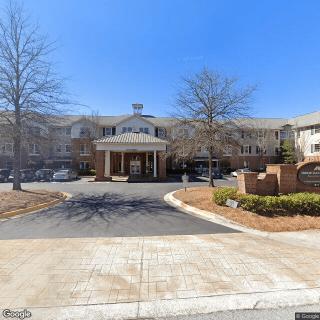
 Fully furnished assisted living with meals, 24/7 supervision, daily activities, and transportation.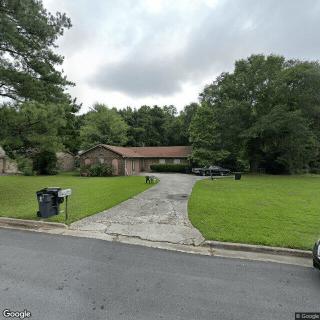
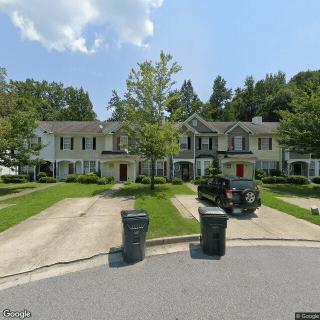

 Exploring the Contrasts Between Assisted Living and Skilled Nursing
 8 Key Indicators That Suggest It May Be Time to Transition from Assisted Living to Skilled Nursing Care
 Vibrant Senior Living: A Comprehensive Guide for Active Older Adults