The Phoenix at Albany Costs & Pricing
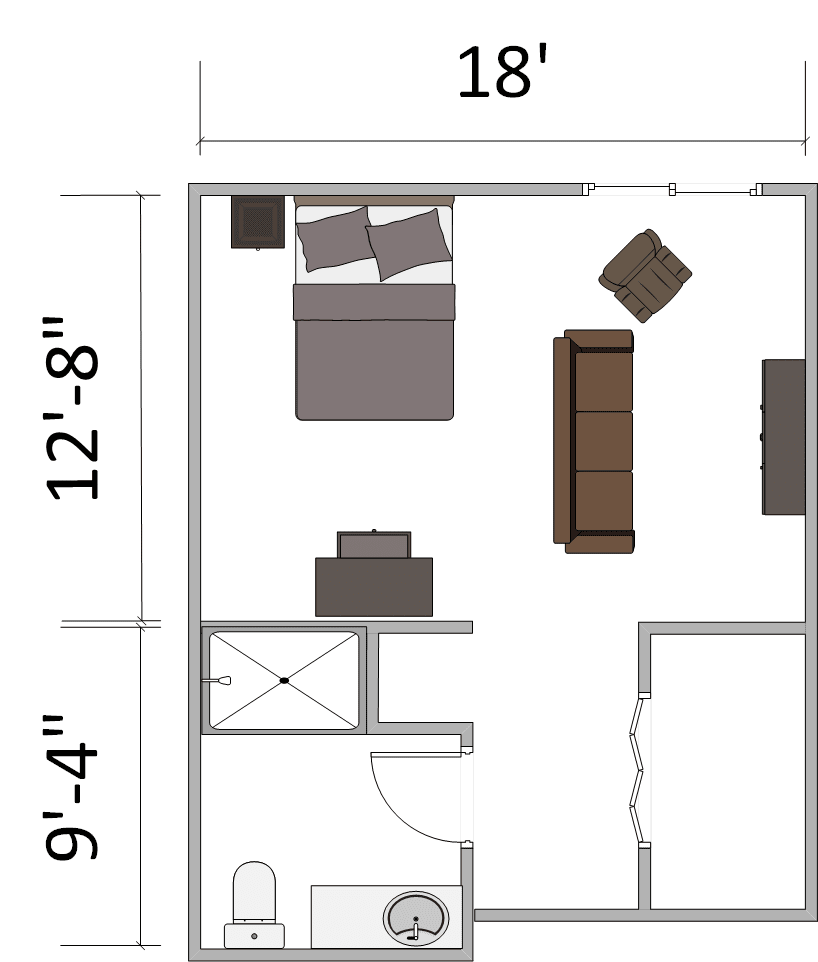
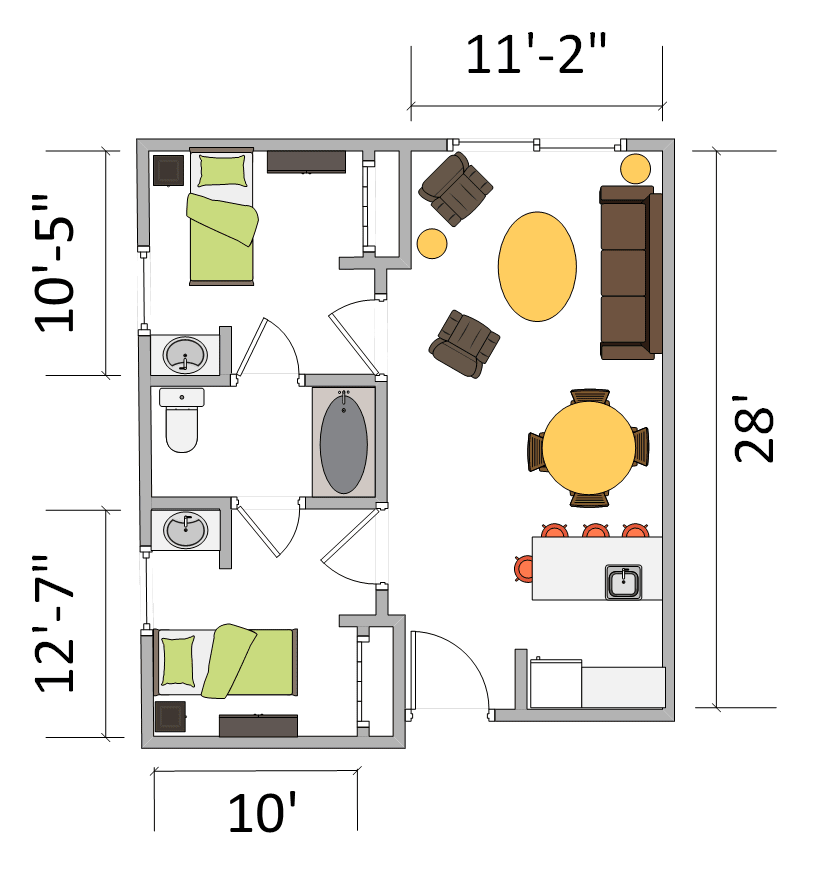
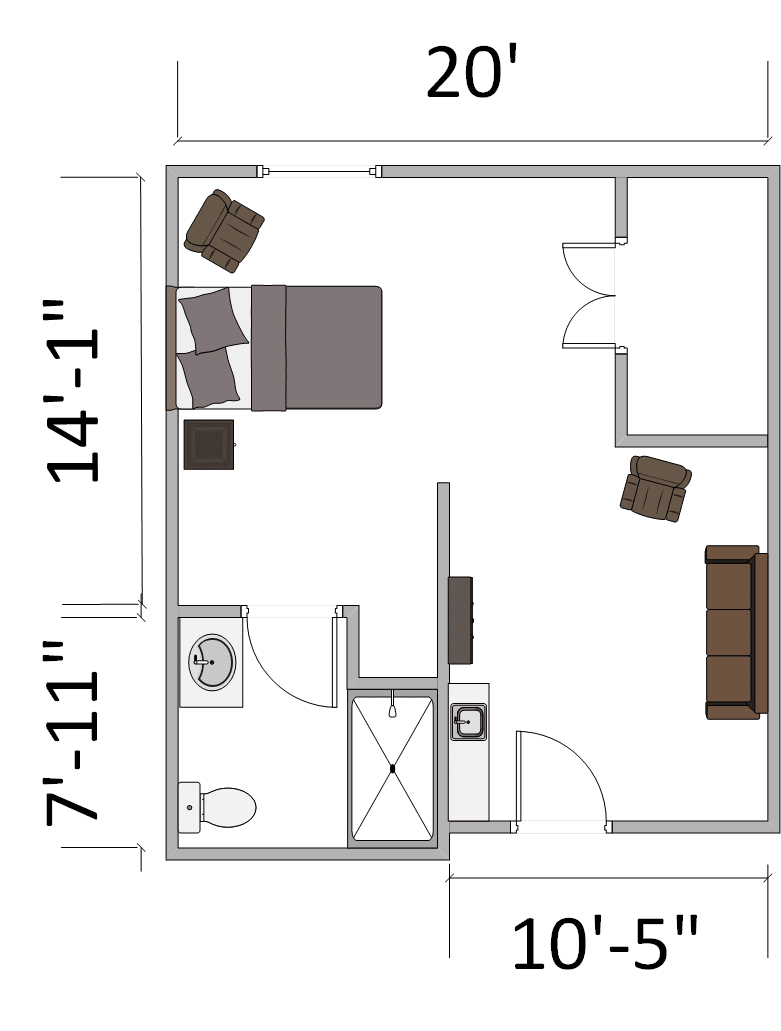
At The Phoenix at Albany, the monthly costs for various room types reflect a competitive positioning within both Terrell County and the broader Georgia market. For instance, a studio apartment is priced at $3,250, which is notably higher than the county average of $2,591 but slightly below the state average of $3,520. The pricing trend continues with the one-bedroom unit available for $3,650 - also exceeding the county's $2,842 yet remaining lower than Georgia's overall rate of $3,412. Meanwhile, the two-bedroom option stands at $4,250; this cost again surpasses Terrell County's average of $3,317 while still aligning closely with Georgia's state average of $3,921. These figures suggest that while The Phoenix at Albany may be positioned at a premium relative to local costs in Terrell County, it maintains competitive pricing in comparison to statewide averages.
| Floor plans | The Phoenix at Albany | Terrell County | Georgia |
|---|
| Studio | $3,250 | $2,591 | $3,520 |
| 1 Bedroom | $3,650 | $2,842 | $3,412 |
| 2 Bedrooms | $4,250 | $3,317 | $3,921 |
Memory care communities with a similar price nearby
-
from -$525 / mo
Morningside of Albany
$2,725 to $3,115 / month
0.0 miles away
-
from +$400 / mo
Oaks at Oakland Plantation
$3,650 to $6,000 / month
3.5 miles away
Overall Review of The Phoenix at Albany
differentiator
6 reviews mention this
Memory care seems well supported
Residents in the memory care unit appear to stay engaged and well cared for.
Multiple reviewers describe time in the memory care unit, including someone who moved after Parkinson’s-related falls. They mention staff support alongside structured engagement like music, events, and activities. Several families also describe peace of mind that their loved one is safe and supported day to day. The community offers specialized memory care programming and includes diabetes and other care needs as part of its care services mix.
common
29 reviews mention this
Staff are consistently described as caring
The staff is repeatedly described as friendly, caring, and responsive to families.
Across reviews, families and residents point to staff warmth and responsiveness, from nurses and caregivers to housekeeping and the kitchen team. Several reviewers mention quick follow-through when issues come up, and others describe relief that their loved ones are in capable hands. Even when feedback is mixed about other areas, many still credit staff for being kind, helpful, and patient. The community’s care services also emphasize ongoing supervision and assistance with daily living needs, which aligns with the way residents describe feeling supported.
common
10 reviews mention this
Activities and events keep residents busy
Residents and families often highlight frequent activities and events.
Reviewers frequently mention what residents do day to day, including bingo, word games, puzzles, and scheduled activities. In memory care, some describe music and activities in addition to community events. A number of families say their loved ones seemed content and engaged, including during visits. The community also lists a broad set of planned activities and group programming, such as fitness programs and educational speakers.
caveat
11 reviews mention this
Food quality gets mixed feedback
Food quality is a recurring concern, even though some residents enjoy it.
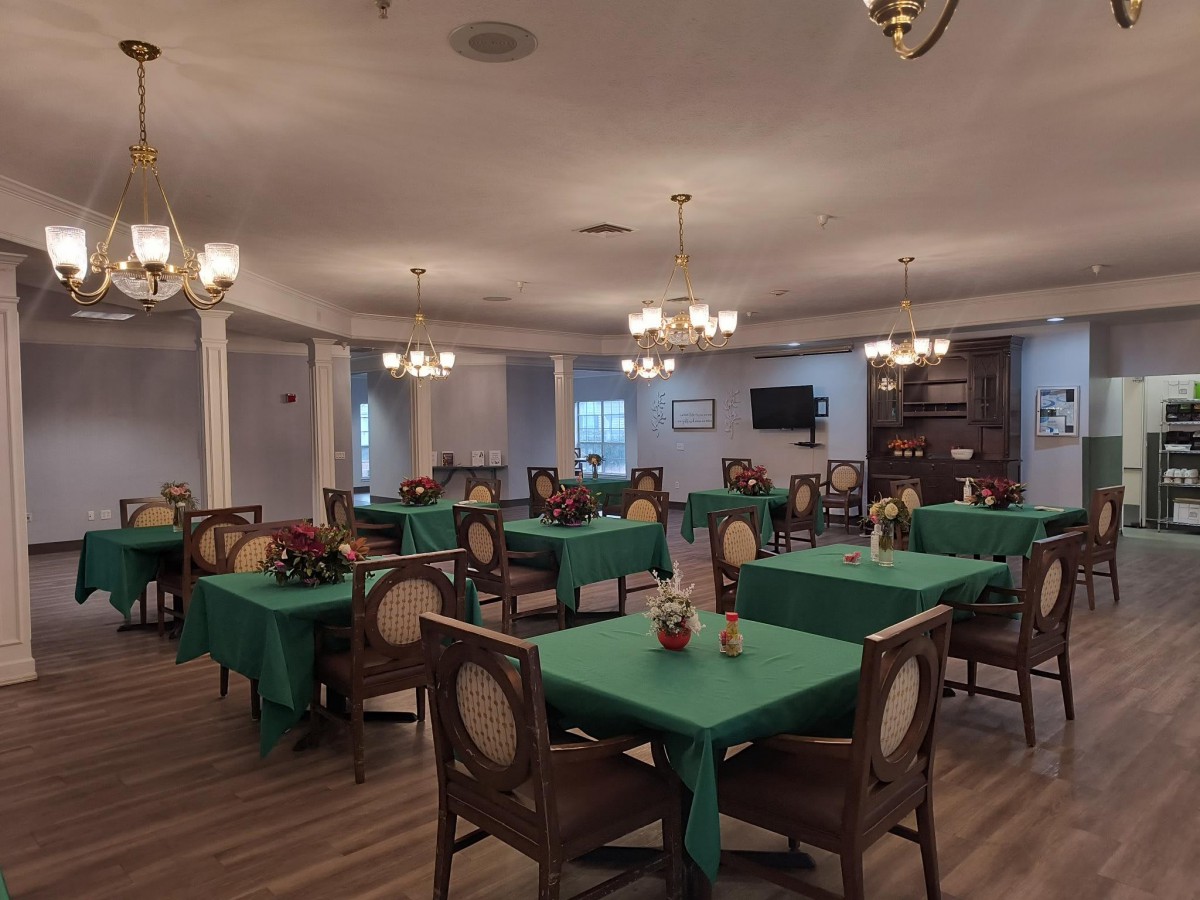
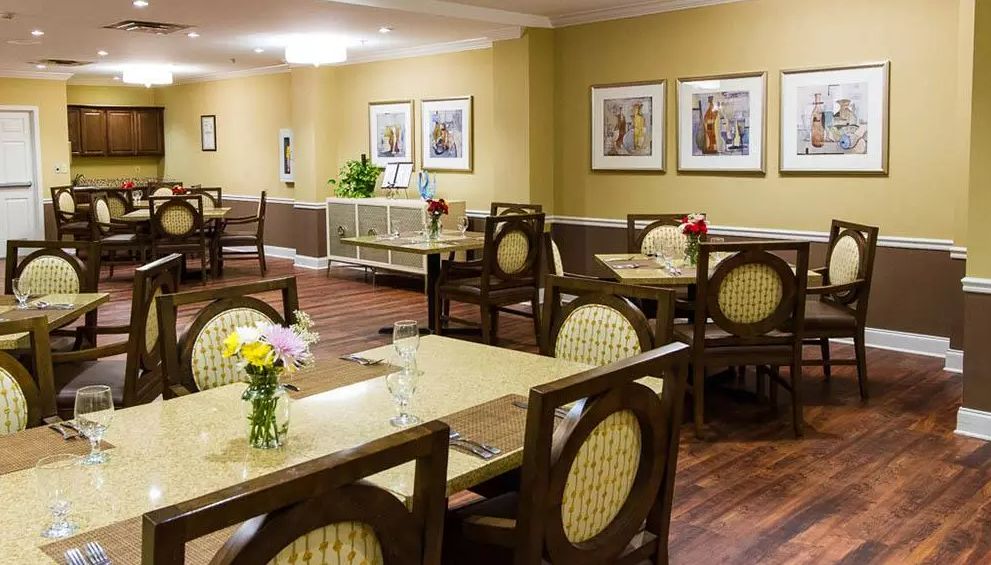
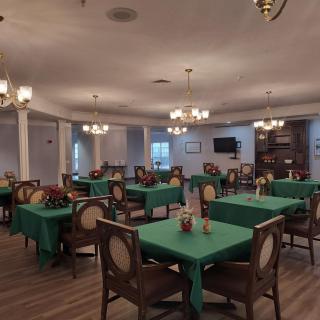
Some reviewers praise the food as delicious or always good for their loved one, and one notes staff willingness to accommodate resident requests. Others describe food getting worse over time, with complaints ranging from poor taste to concerns about portioning for a diabetic resident. There are also mentions that pureed food doesn’t taste the same and that the chef changed. Dining offerings include restaurant-style dining, room service, guest meals, and meal planning for dietary needs, but residents’ experiences with consistency vary.
caveat
5 reviews mention this
Pricing feels high for some families
Several families say costs are higher than expected and continue to rise.
A few reviewers describe the pricing as higher than they expected, including one who felt pressured during deposit and negotiation conversations. Others report rent increases year over year or specific rent hikes, alongside concerns about value when quality issues come up. One reviewer compares the pricing to other nearby options in Albany. Price ranges vary by unit type, and the available pricing deltas show the community can price above the county average for some apartment sizes.
caveat
4 reviews mention this
Some spaces feel dated or small
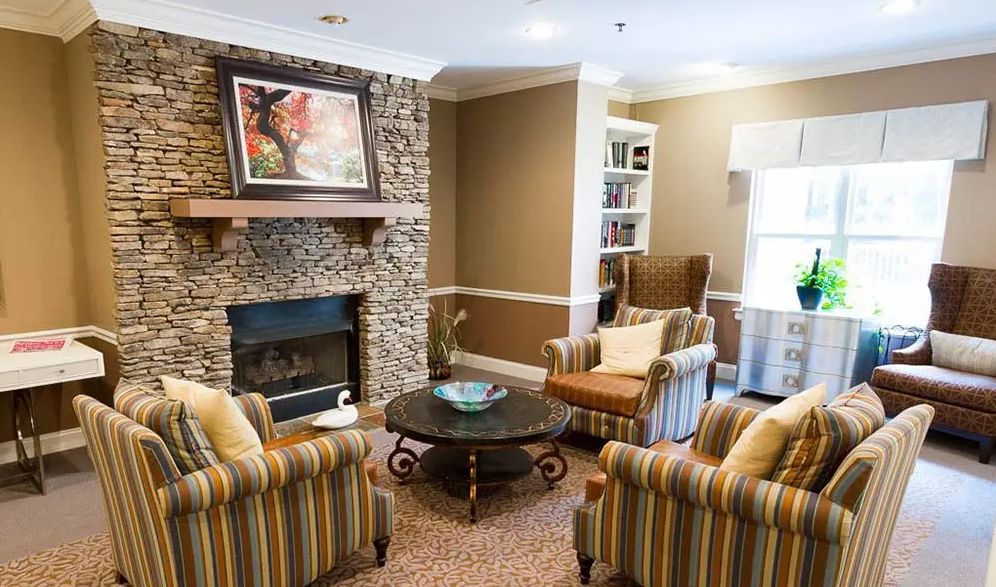
Some reviewers mention rooms and common areas that need updating.
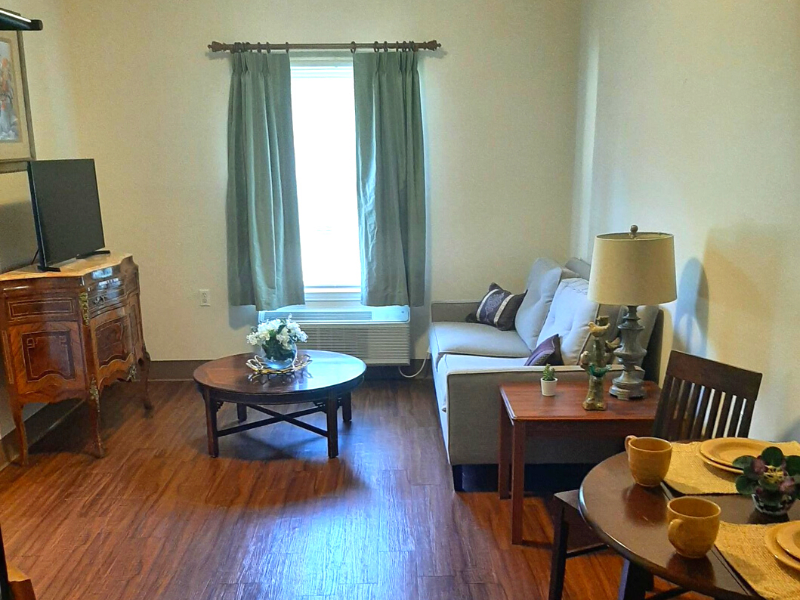
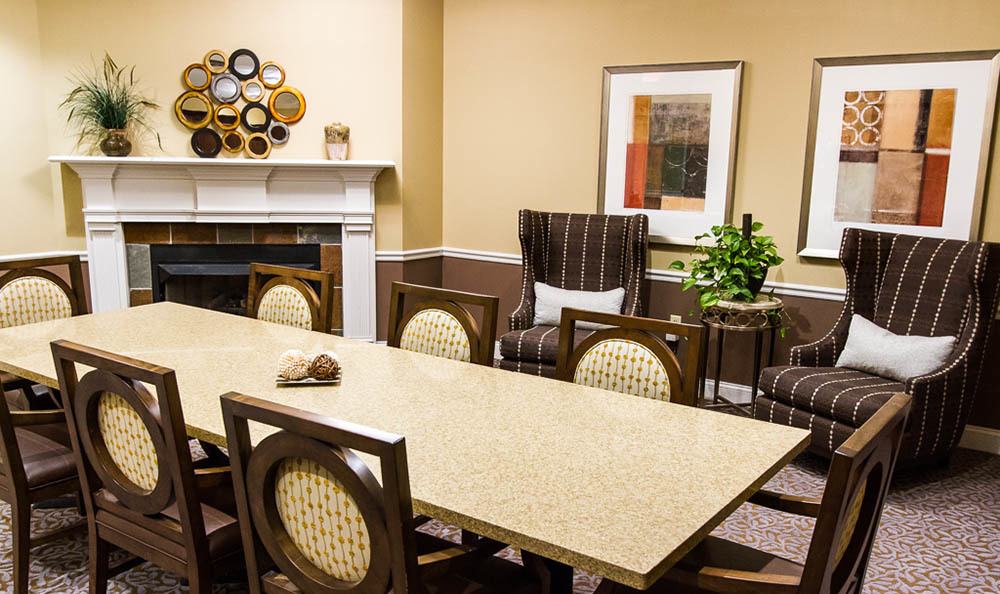
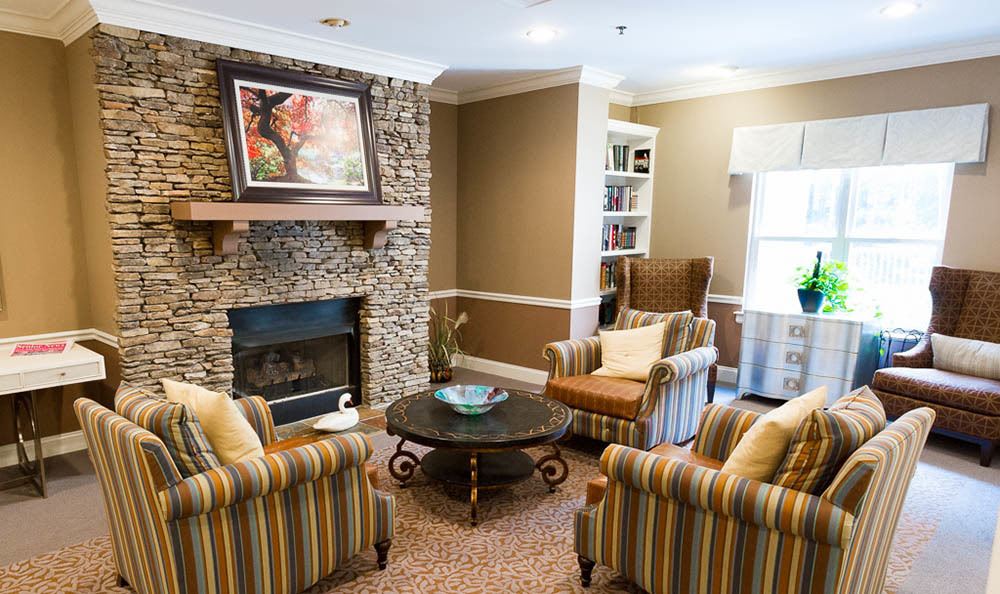
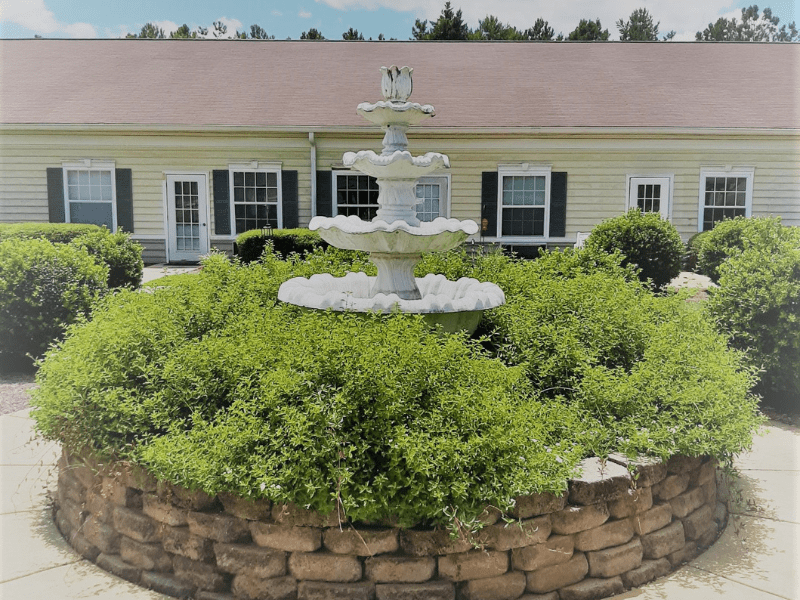
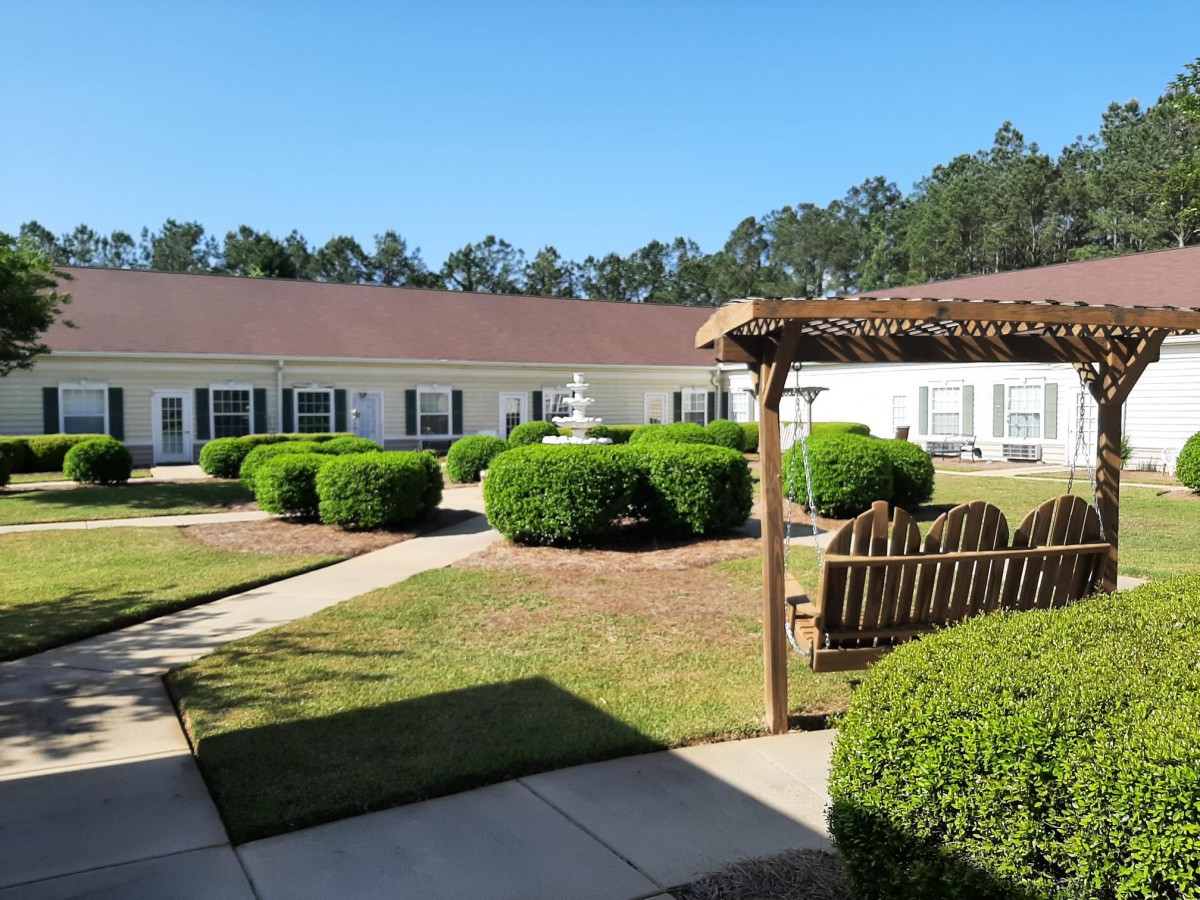
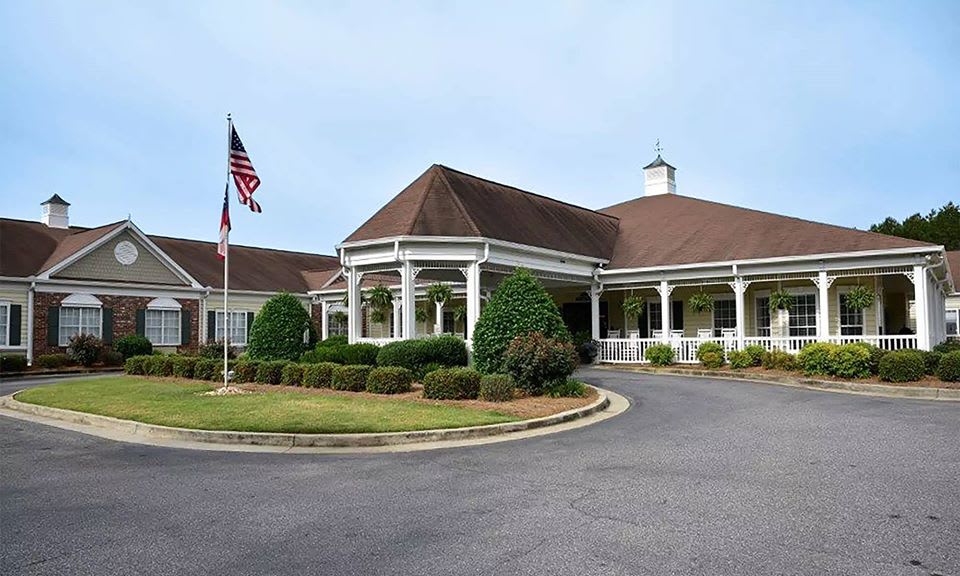
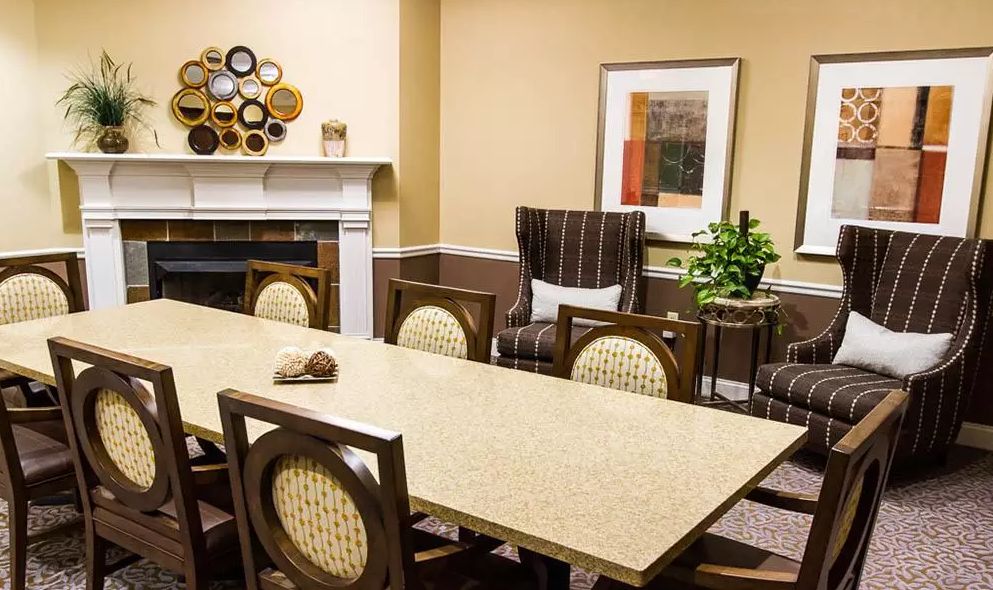
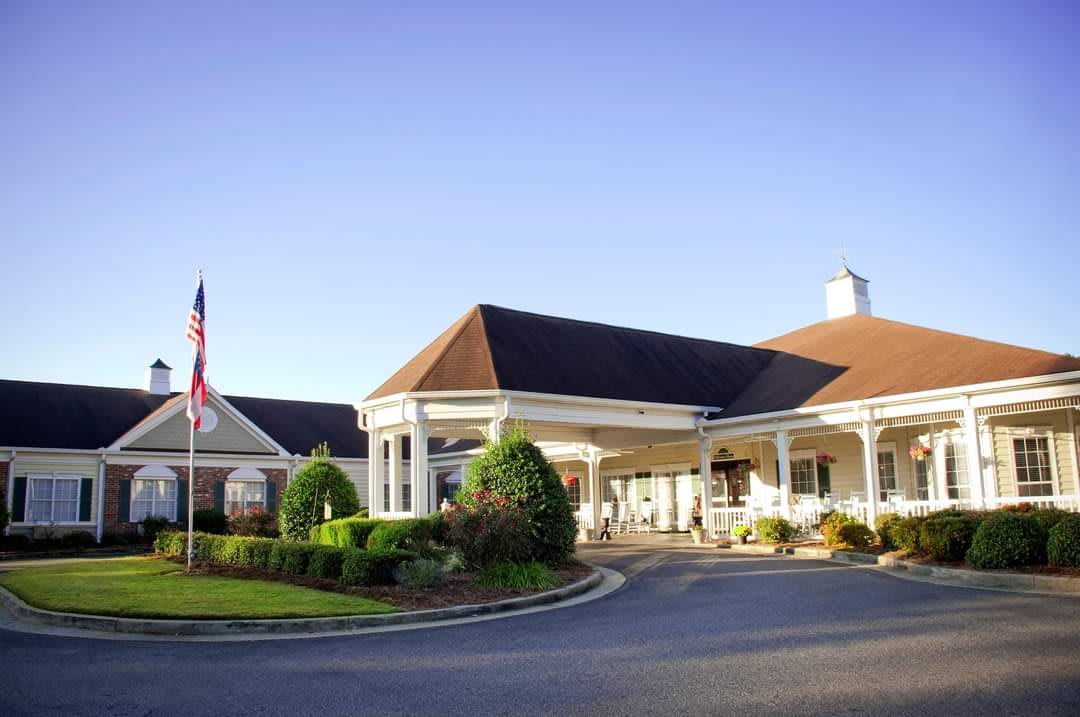
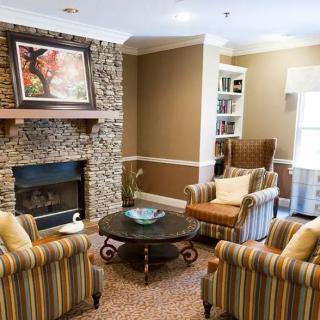
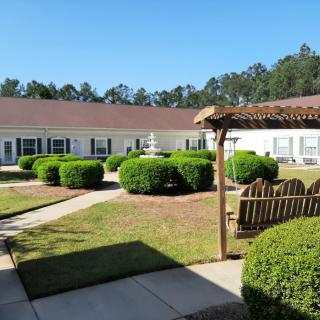
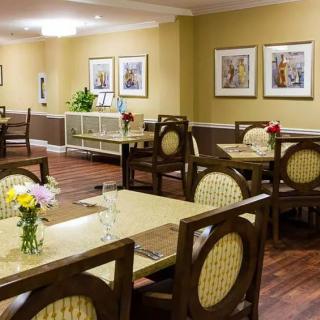
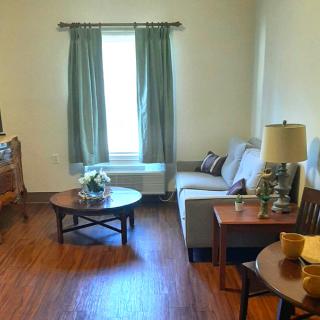
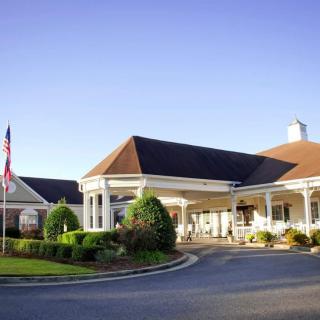
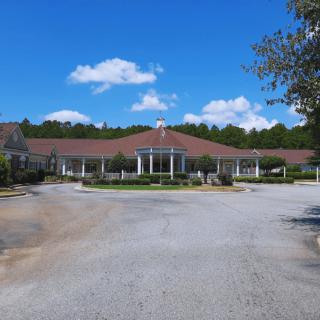
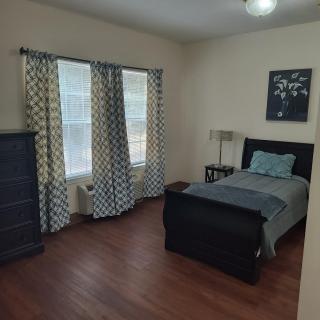
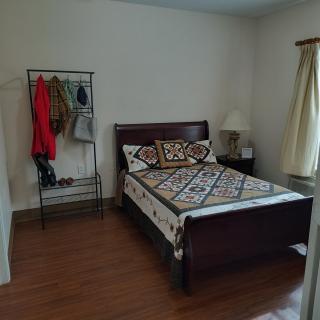
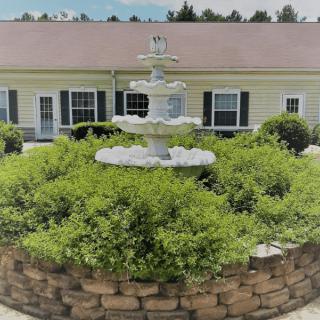
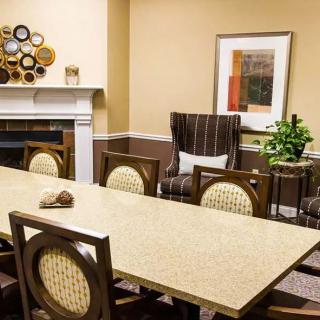
During tours and firsthand experience, a few reviewers describe the facility as older, with mentions of wear and tear, smaller room sizes, and a need for renovations. There are also comments that the dining area and resident areas could use updates and that the outside may need freshening. Another reviewer echoes that the building is dated while updates and renovations are discussed. At the same time, at least one review notes their loved one’s room is clean and the right size, showing opinions vary.
How we summarize
Counts show how many written reviews mention each theme; a review can touch several themes, and only frequently mentioned themes are displayed.


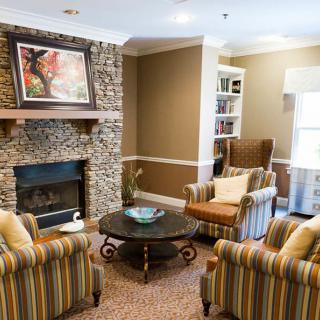
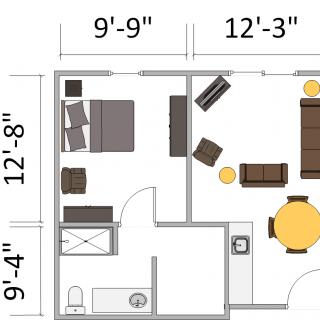
 70 resident community capacity
 1-bedroom apartments
 Assisted Living
 Memory Care
 Respite Care
 Activities off-site
 Air-conditioning
 Beautician on-site
 Cable or satellite TV
 Computer center
 Devotional services off-site
 Dining room
 Fitness room
 Fully furnished
 Gaming room
 Garden
 Ground floor units
 Handicap accessible
 Housekeeping services
 Indoor common areas
 Kitchenette
 Move-in coordination
 Outdoor common areas
 Private bathrooms
 Restaurant-style dining
 Small library
 Telephone
 Wellness center
 Wi-Fi/high-speed internet available
 Southwest Georgia Regional (4 miles away)
 Community operated transportation
 12-16 hour nursing
 24-hour call system
 Ambulatory care
 Assistance with bathing
 Assistance with dressing
 Assistance with transfers
 Diabetes diet
 Diabetic care
 High acuity care
 Incontinence care
 Medication management
 Mental wellness program
 Special dietary restrictions
 Art classes
 Bible study group
 Concierge services
 Cooking classes
 Educational speakers / life long learning
 Planned day trips
 English
 Well-planned community with attentive staff and individualized care.
 A Thorough Discussion of Medications Potentially Linked to Dementia Risk
 Why Do Dementia Patients Sleep So Much? Understanding Oversleeping, Stages, and Care Approaches
 8 Key Indicators That Suggest It May Be Time to Transition from Assisted Living to Skilled Nursing Care