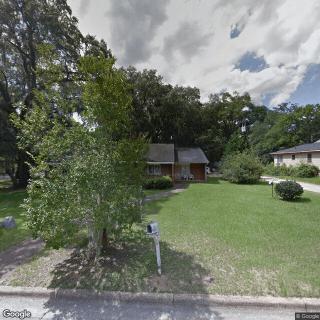
Magnolia Place in Albany, GA

6430 Newton Road, Albany, GA 31721

For more information about senior living options: (844) 490-3973

3 from 2 reviews
Assisted Living Board and Care Home

Overall Review of Magnolia Place

Cons

  • pro The place is not somewhere anyone would want a family member to be.
  • pro The wife is mean and intimidating to people who need love and care.
  • pro It is run like a jail with limited access to rooms and food.
  • pro God is not pleased.

Review

Magnolia Place in Albany, GA is best suited for a narrow niche: families that prioritize a tightly controlled, low-traffic environment where routines are predictable and oversight is strong, and where cost considerations may outweigh the expectation of warmth and responsive caregiving. The most decisive caution from the available feedback is that the culture can feel harsh and restrictive, with experience described as dehumanizing by one reviewer. For families seeking compassionate, person-centered care delivered with warmth and respect, Magnolia Place is not a reliable first choice. In short, this community serves a segment that can tolerate strict boundaries and a more regimented atmosphere, while it will fall short for residents who need daily demonstrations of kindness, autonomy, and open, affirming communication.

Alternatives deserve serious consideration for anyone who values warmth, transparency, and easy access to loved ones. If the priority is open visitation, approachable staff, and a culture that emphasizes resident dignity, other Albany options should be on the short list. For families evaluating memory care or higher-acuity needs, seek facilities with a documented track record of compassionate engagement, predictable caregiving practices, and clear pathways for escalating concerns. Given Magnolia Place's owner-operated model and the limited, strongly negative experience reported, it is prudent to compare with communities that demonstrate sustained resident- and family-facing excellence before making a commitment.

The primary drawbacks revolve around an operating style that many would interpret as jail-like: restricted access to residents' rooms and meals, coupled with a caregiver demeanor that some view as intimidating rather than nurturing. Such conditions raise legitimate concerns about autonomy, dignity, and the ability to respond promptly to a resident's needs. The ownership structure - husband-and-wife leadership - can intensify perceptions of insularity and reduce external accountability, further undermining trust. For families weighing safety and supervision, these factors translate into a meaningful risk: routines and security measures should never come at the expense of a resident's comfort, consent, or emotional well-being.

Pros, if any, are difficult to verify from the available feedback. There is a single 5-star rating, indicating that at least one resident or family perceived value in the experience, but the lack of corroborating detail makes it impossible to rely on that as a counterbalance to the substantial concerns raised. If a potential advantage exists, it would most likely center on a smaller, tightly run environment where staff could offer consistent monitoring and easier oversight. Yet without clear evidence that such structure translates into genuinely compassionate care, it remains a theoretical offset that does not negate the impressions of rigidity and limited personal freedom described by reviewers.

Prospective planners should wield a rigorous due diligence process. Visit discreetly and observe interactions between staff and residents, paying particular attention to tone, responsiveness, and respect in everyday moments. Request sample menus and exact explanations of how access to rooms and meals is managed, and insist on private conversations with current residents about day-to-day life. Obtain concrete data on staff-to-resident ratios, staff turnover, medication oversight, and emergency procedures. Request recent incident or complaint histories and compare them against similar facilities known for transparent governance and resident rights protections. Create a decision framework that weighs the value of structure against the non-negotiables of dignity, autonomy, and warmth.

The bottom line is clear: Magnolia Place is not a recommended default choice for families seeking truly caring, dignity-forward senior living. The strongest message from the available feedback is that the experience may deliver a controlled environment at the expense of empathy, openness, and resident autonomy. While some residents or families might accept or even prefer a highly structured setting, the reported management style and access limitations raise serious concerns about ongoing comfort and trust. For most, it makes sense to build a short list of alternatives with proven commitments to compassionate care, transparent leadership, and consistent caregiver engagement. If Magnolia Place is still on the table after thorough due diligence, approach with explicit expectations, enforceable rights, and a plan for ongoing oversight to ensure safety and dignity remain the constant, not the casualty, of daily living.

Features

Housing

  • 8 resident community capacity 8 resident community capacity

Types of Care

  • Assisted Living Assisted LivingAssisted living facilities provide crucial support and care for seniors who may need help with daily tasks such as medication management, bathing, and meal preparation. These communities offer a safe and comfortable environment where seniors can maintain their independence while receiving the assistance they need to thrive in their golden years.
  • Board and Care Home Board and Care HomeBoard and care homes provide a smaller, more intimate setting for seniors who require assistance with daily tasks but do not need the level of care offered by a nursing home. They offer personalized care, meals, and social activities in a homelike environment, ensuring that seniors receive individualized attention and support in their golden years.

Amenities

  • Cable or satellite TV Cable or satellite TVCable or satellite TV is important for seniors because it provides entertainment, news, and companionship, helping to combat loneliness and boredom. It also offers a wide range of programming options tailored to different interests and preferences.
  • Dining room Dining roomDining rooms are important for seniors as they provide a space for socialization, connection, and nutritious meals. They offer opportunities for residents to bond over shared meals, foster a sense of community, and promote healthy eating habits. Dining rooms also ensure that seniors have access to well-balanced meals tailored to their dietary needs and preferences.
  • Fully furnished Fully furnishedFully furnished senior living communities are important for seniors because they provide convenience, comfort, and a hassle-free moving experience. Seniors can easily settle into their new living space without the stress of having to buy and move furniture. This allows them to focus on enjoying their new home and community.
  • Garden GardenGardens are important for seniors as they provide a peaceful and therapeutic environment for relaxation, physical activity, and socialization. Being in nature has been shown to reduce stress, improve mood, and promote overall well-being. Gardens also offer opportunities for seniors to engage in gardening activities, which can improve mobility, flexibility, and cognitive function. Additionally, gardens create a sense of community and connection with others who share a passion for plants and outdoor spaces.
  • Housekeeping services Housekeeping servicesHousekeeping services are important for seniors because they help maintain a clean and safe living environment, promote independence, and reduce the risk of accidents or illnesses. Additionally, having assistance with household chores can alleviate physical strain and allow seniors to focus on other aspects of their well-being.
  • Move-in coordination Move-in coordinationMove-in coordination is important for seniors because it helps ease the transition into their new living environment. It ensures that all logistics, such as packing, organizing movers, and setting up utilities are taken care of, allowing seniors to focus on settling in and adjusting to their new home. Having a smooth move-in process can alleviate stress and anxiety, making the transition smoother and more enjoyable for seniors.
  • Outdoor space Outdoor spaceOutdoor spaces are important for seniors as they provide opportunities for physical activity, social interaction, exposure to natural light and fresh air, and a sense of connection to nature. Having access to outdoor spaces can improve overall well-being and quality of life for older adults living in senior communities.
  • Small library Small librarySmall libraries are important for seniors as they provide access to a variety of reading materials, including books, newspapers, and magazines. This can help stimulate their minds, keep them engaged, and provide a sense of community through book clubs and other social activities. Additionally, reading has been shown to improve cognitive function and overall mental well-being in older adults.
  • Telephone TelephoneTelephones are important for seniors as they provide a lifeline for communication with loved ones, emergency services, and healthcare providers. They offer a sense of security and independence, enabling seniors to stay connected and access assistance when needed.

Transportation

  • Southwest Georgia Regional (4 miles away) Southwest Georgia Regional (4 miles away)

Care Services

  • 24-hour supervision 24-hour supervision24-hour supervision is important for seniors to ensure their safety, well-being, and access to immediate assistance in case of emergencies or health issues. This constant support provides peace of mind for both seniors and their loved ones, allowing them to age in place with dignity and security.
  • Activities of daily living assistance Activities of daily living assistanceActivities of daily living assistance are important for seniors because they provide essential support with tasks such as eating, bathing, dressing, and mobility. This assistance helps seniors maintain their independence, dignity, and overall quality of life as they age.
  • Assistance with bathing Assistance with bathingAssistance with bathing is crucial for seniors as it helps maintain personal hygiene, prevents infections, and ensures their overall well-being and comfort. It also provides a sense of dignity and independence for seniors who may struggle with this task on their own.
  • Assistance with dressing Assistance with dressingAssistance with dressing is important for seniors because it helps maintain their independence, promotes personal hygiene, prevents accidents and injuries, and improves overall quality of life. This service ensures that seniors can continue to dress comfortably and confidently, despite any physical limitations they may have.
  • Assistance with transfers Assistance with transfersAssistance with transfers is crucial for seniors as it helps prevent falls and injuries, maintains their independence, and ensures they can safely navigate their living environment. It also provides peace of mind for both seniors and their loved ones.
  • Diabetes diet Diabetes dietA diabetes diet is crucial for seniors as it helps manage blood sugar levels, reduce risks of complications, and improve overall health and well-being. By following a balanced and nutritious diet tailored to their specific needs, seniors can better control their diabetes and enhance their quality of life.
  • Meal preparation and service Meal preparation and serviceMeal preparation and service are crucial for seniors as they may have limited mobility or energy to cook nutritious meals. Having access to healthy and convenient food options can ensure they are getting the proper nutrition needed to maintain their overall health and well-being.
  • Medication management Medication managementMedication management is crucial for seniors to ensure they are taking the right medications at the correct dosages and times. This helps prevent adverse drug interactions, reduces the risk of medication errors, and promotes overall health and well-being. Proactive management also allows for adjustments as needed based on changing health conditions or new prescriptions.
  • Special dietary restrictions Special dietary restrictionsSpecial dietary restrictions are important for seniors because age-related changes in metabolism and health conditions can make it difficult for their bodies to process certain foods. By following a diet tailored to their specific needs, seniors can maintain their overall health and well-being, manage chronic conditions, and reduce the risk of complications such as malnutrition or food interactions with medications.
Dining

  • Diabetes diet Diabetes dietA diabetes diet is crucial for seniors as it helps manage blood sugar levels, reduce risks of complications, and improve overall health and well-being. By following a balanced and nutritious diet tailored to their specific needs, seniors can better control their diabetes and enhance their quality of life.
  • Special dietary restrictions Special dietary restrictionsSpecial dietary restrictions are important for seniors because age-related changes in metabolism and health conditions can make it difficult for their bodies to process certain foods. By following a diet tailored to their specific needs, seniors can maintain their overall health and well-being, manage chronic conditions, and reduce the risk of complications such as malnutrition or food interactions with medications.

Activities

  • Community-sponsored activities Community-sponsored activitiesCommunity-sponsored activities are important for seniors as they provide opportunities for social interaction, mental stimulation, and physical activity. These activities can help improve overall well-being, combat loneliness and isolation, and promote a sense of belonging and purpose among older adults.
  • Scheduled daily activities Scheduled daily activitiesScheduled daily activities are important for seniors because they provide structure, socialization, mental stimulation, and physical activity. Engaging in regular activities can improve overall well-being and quality of life for seniors living in a community setting.

Description

Magnolia Place in Albany, GA is a warm and inviting board and care home that offers a comfortable and supportive environment for seniors. Our community provides personalized care services to meet the unique needs of each resident.

The amenities at Magnolia Place are designed to enhance the comfort and convenience of our residents. We have a spacious dining room where nutritious meals are served, taking into consideration any special dietary restrictions. Each living space is fully furnished, creating a home-like atmosphere. Our beautiful garden and outdoor space provide opportunities for relaxation and enjoyment of nature. Residents can also benefit from our housekeeping services, ensuring a clean and tidy living environment. A small library is available for those who enjoy reading or quiet reflection, while a telephone service keeps residents connected to their loved ones.

At Magnolia Place, we understand the importance of maintaining independence while receiving assistance with daily activities. Our caring staff is dedicated to providing support with tasks such as bathing, dressing, and transfers. For residents with specific dietary needs or diabetes management, specialized meal preparation is available. Our medication management services ensure that medications are taken correctly and on time.

Engaging in meaningful activities is an essential part of our community's philosophy. We offer scheduled daily activities that cater to residents' interests and preferences, promoting physical and mental stimulation as well as social interaction. Whether it's group exercises, arts and crafts, or games, there is always something enjoyable for everyone.

For those seeking spiritual guidance or wishing to maintain their religious practices, there are places of worship conveniently located nearby.

At Magnolia Place in Albany, GA, seniors can find an assisted living community that supports their individual needs while fostering independence and offering a range of amenities and care services.

Nearby Places of Interest

Places of Worship

  • Father & Son Publishing (4.1 miles)
  • Real Church (5.6 miles)
  • New Dimension Olive South (5.6 miles)
  • Cornerstone Apostolic Church Mission (6.2 miles)
  • First Mount Moriah Baptist Church (6.3 miles)
  • Deliverance Ministry Greater (6.7 miles)
  • Anointed Deliverance and Healing Ministry (6.7 miles)

Restaurants

  • Hot Dog King (5.4 miles)
  • Goodtimes Wings Shrimp & Fish (5.5 miles)
  • Popeyes Louisiana Kitchen (6.1 miles)
  • Red Wok (6.1 miles)
  • McDonald's (6.2 miles)
  • Subway (6.3 miles)
  • Checkers (7 miles)

Transportation

  • CC&C Taxi service (5.6 miles)
  • U-Haul Moving & Storage (7.1 miles)
  • Alamo (8.1 miles)

Physicians

  • South Albany Medical Center (6.5 miles)
  • Cooper J T MD PC (6.7 miles)
  • Comprehensive Communication Care (6.9 miles)
  • Va Clinic (7.5 miles)
  • Frank Havelook White (7.7 miles)
  • Albany Audiology & Hearing Aid Center (7.7 miles)
  • Southern Vitreoretinal Associates P A (7.7 miles)

Parks

  • Dog Run (6.7 miles)
  • Riverside Park (7 miles)
  • Hugh Mills Stadium (7.8 miles)

Pharmacies

  • CVS Pharmacy (7 miles)
  • Walgreens (7.3 miles)
  • U-Save-it Pharmacy (7.5 miles)
  • The Prescription Shoppe (7.6 miles)
  • Good Neighbor Pharmacy (7.6 miles)
  • Fred's Pharmacy (7.9 miles)
  • U-Save-it Pharmacy (8 miles)

Cafes

  • Heart & Soul Southern Cafe (7.5 miles)
  • Our Daily Bread (7.7 miles)
  • Starbucks (8.4 miles)

Hospitals

  • Cancer Coalition Of South Georgia (8.3 miles)
  • Phoebe Wound Care & Hyperbaric Center (8.3 miles)
  • Phoebe Putney Memorial (8.3 miles)
  • Phoebe Putney Memorial Hospital (8.4 miles)
  • Phoebe Putney Health Systems (8.4 miles)

Frequently Asked Questions

Where is Magnolia Place?

Nearby Communities

  • Innovative Senior Solutions

    Innovative Senior Solutions

    Albany, GA

    4.6 from 9 reviews
    $3,400 / month

    pro Robust amenities and 24/7 supervision with on-site services.


  • Georgia Mentor - Augusta Drive

    Georgia Mentor - Augusta Drive

    Albany, GA

    4.5 from 2 reviews
     

    pro Fully furnished assisted living with meals, housekeeping, 24-hour supervision, and transportation.

  • Peaceful Manor South

    Peaceful Manor South

    Albany, GA


    pro Fully furnished apartments, restaurant-style dining, and 24/7 supervision.

  • Pines Personal Care Home

    Pines Personal Care Home

    Albany, GA

    3 from 2 reviews
     

    pro Small 24-bed community with 24-hour supervision and on-site amenities (salon, dining, activities).

  • Friendship PCH South

    Friendship PCH South

    Albany, GA

     
    $2,430 to $4,945 / month

    pro Competitive pricing with multiple room types and access to a wide range of nearby amenities and healthcare.

  • The Valencia Personal Care Home

    The Valencia Personal Care Home

    Albany, GA

    4 from 6 reviews
     

    pro Small, intimate board-and-care with comprehensive support (ADLs, meds, meals) and on-site amenities.

  • Isabella Manor

    Isabella Manor

    Albany, GA

    5 from 1 review
     

    pro Fully furnished rooms with meals, housekeeping, medication management, and transportation to medical appointments.

  • Calhoun Nursing Home

    Calhoun Nursing Home

    Edison, GA

    4.1 from 9 reviews
     

    pro Comprehensive amenities and care services, including 24/7 supervision, restaurant-style dining, beauty salon, fitness room, transportation to appointments, mental wellness program, and a variety of activities.

  • Colquitt Garden Manor

    Colquitt Garden Manor

    Moultrie, GA

    3.3 from 4 reviews
     

    pro 24/7 supervision with diabetes-focused care and a wide range of on-site amenities.

Assisted Living in Nearby Cities

Related Resources

  • does medicare pay for assisted livingMedicare Coverage for Assisted Living: An In-Depth Exploration

    Medicare does not cover assisted living costs, as it focuses on acute medical needs and short-term care, with exceptions for certain medically necessary services like physical therapy. Individuals must explore other options such as Medicaid, veterans' benefits, or long-term care insurance to manage these expenses effectively.

  • assisted living vs nursing homeChoosing the Right Senior Care: A Detailed Exploration of Assisted Living and Nursing Homes

    Choosing between assisted living and nursing homes involves evaluating emotional and financial factors, with assisted living offering independence and support for daily activities at a lower cost, while nursing homes provide intensive medical care for individuals with significant health needs. The decision is influenced by personal preferences, health status, cognitive function, and varying Medicaid coverage across states.

  • assisted living costUnderstanding the True Cost of Assisted Living in 2025: A Comprehensive Guide

    Assisted living in 2025 offers a crucial balance of independence and support for seniors, with costs varying from $2,500 to over $7,000 per month based on factors such as location and care level. Understanding pricing complexities, including regional differences and potential hidden fees, is essential for families to plan financially while ensuring quality care for their loved ones.